
In 2026, DAOs face a payroll paradox: boundless global talent pools clash with tightening DAO tax compliance 2026 rules across jurisdictions. Manual tracking? That's a relic. Automated tax compliance tools now handle the heavy lifting, converting crypto payouts to compliant fiat rails while spitting out IRS-ready forms. I've seen teams waste months on spreadsheets; these platforms cut that to minutes, letting treasurers focus on growth, not audits.

Take stablecoin payroll, for instance. It's not just fast; it's a compliance powerhouse. Platforms like Toku streamline payments to contributors in over 100 countries, blending crypto speed with fiat stability. Built-in workflows automate tax withholding and labor checks, generating reports that treasurers love and regulators demand. No more per-wallet cost basis nightmares from the new IRS rules kicking in fully this year.
Why Web3 Payroll Automation Is Non-Negotiable Now
Web3 payroll automation isn't hype; it's survival. With DAOs scaling to thousands of global contributors, one compliance slip can trigger enforcement actions. Symmetry's tax engine crunches numbers across 7,000 jurisdictions, using roof-top geocoding for pinpoint accuracy. Update your ruleset once; it propagates everywhere. Pair that with AI from Intuit's Payroll Agent, and you're not just compliant, you're ahead. Errors drop, filings happen on autopilot, and your DAO avoids the benchmark report red flags from Pactvera's 2026 analysis.
Top 5 DAO Tax Tools in 2026
- Toku: Stablecoin payroll for instant DAO contributor payments across 100+ countries, automating tax/labor compliance, hybrid crypto/fiat payouts, and generating compliance-ready reports for treasurers.
- Symmetry: Tax engine with calculations for 7,000+ jurisdictions, automated compliance updates, and precise geocoding to scale DAO payroll confidently.

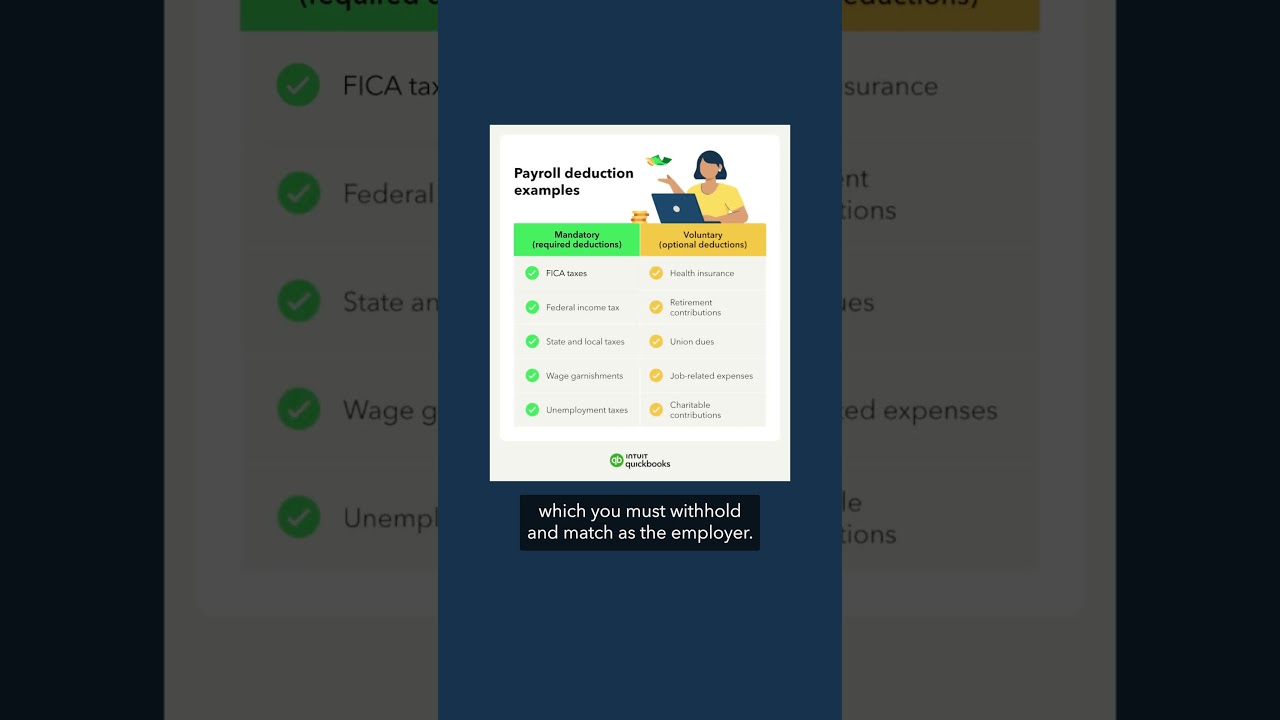
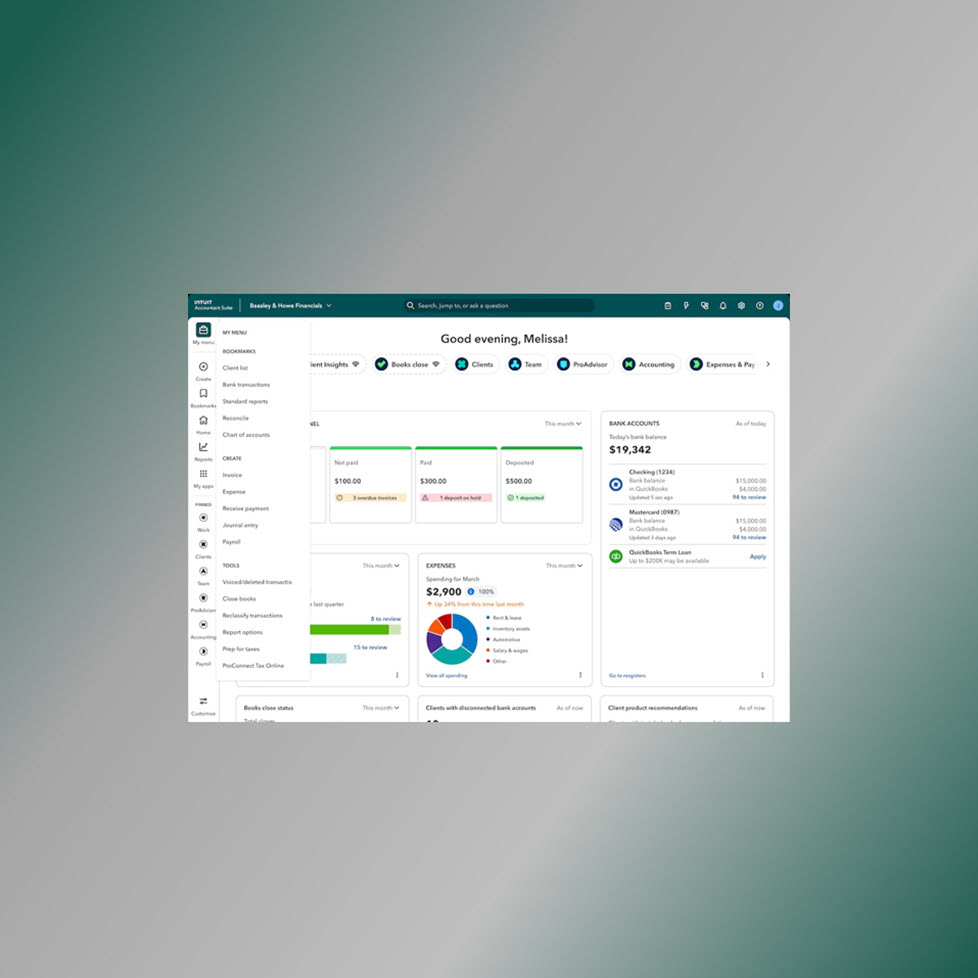
- QuickBooks Payroll: Automates tax calculations, filings, and payments in one system, minimizing errors and admin risk for DAO finance teams.
- TaxNode: DAO-specific tool for treasury management, auto-classifying governance tokens, multi-chain integration, and jurisdiction-specific tax reporting.
- Intuit AI Payroll Agent: AI-powered automation for accurate payroll tasks, error reduction, and regulatory compliance in DAO operations.
Think about EOR alternatives. Traditional employers of record bog down DAOs with rigid structures, but tools like these offer flexibility without the strings. Riseworks nails it: one workflow for onboarding, KYC, tax docs, and cross-border payouts. For product marketers or devs hopping time zones, this means reliable pay without the drama.
Decoding 2026's DAO Payroll Regulations Landscape
New IRS mandates demand per-wallet crypto tracking, but automated tax for DAOs turns dread into data. TaxNode and ChainTax DAO Edition classify governance tokens automatically, apply multi-jurisdiction rules, and integrate blockchains seamlessly. U. S. treasuries? BPM outlines formation pitfalls, but these tools sidestep them with real-time reporting. Globally, Bolto's guide underscores pay schedules and forms; automation ensures you're never late.
Opinion: Skip the EOR vs. DAO debate from INS Global. Hybrid stablecoin-fiat models win, especially with Toku's instant conversions. Your finance team gets clean records, no manual grind. QuickBooks' recognition proves it: integrated tax filing slashes admin risk. For global team tax tools, Symmetry's scalability lets platforms like Payroll Rails innovate without compliance chains.
Stablecoin Payroll's Edge in Compliance Wars
Riseworks lists top benefits, but let's strategize. Stablecoins cut volatility risk, hedging exposures I design daily. Automated forms mean no more chasing 1099s for contributors. Crypto tax strategies from bitbookkeepers. com evolve, but what works? Defensible planning via tools that log everything. FinTech Global pushes AI for day-one ops; DAOs ignoring this risk resilience cracks.
Alpine Mar breaks DAO taxes: income, gains, best practices. Automation nails it, from treasury management to participant reports. Markaicode spotlights DAO-specific platforms; they're game-changers for DAO payroll regulations. Intuit's agent? It anticipates issues, like jurisdiction shifts for nomads. Teams I advise sleep better knowing payouts hit banks or wallets compliantly, every time.
Implementation starts simple: integrate your DAO's treasury wallet with these platforms, verify contributor identities once, and let automation cascade from there. Toku's hybrid payouts mean USDC for speed, fiat for compliance, all documented. I've hedged DAO exposures where volatility spikes hit payroll; stablecoins plus tax engines like Symmetry's keep net payouts steady, no surprises.
Building a Bulletproof DAO Payroll Stack
Layer in global team tax tools for nomads and border-hoppers. Riseworks pushes unified workflows; pair that with ChainTax for blockchain-native reporting, and you've got defensible audits. QuickBooks' automated filings cut late penalties, while Intuit's AI flags anomalies before they bite. Pactvera's benchmark warns of identity failures; geocoding solves that at the rooftop level.
Comparison of Top 5 Automated Tax Compliance Tools for DAOs
| Tool | Jurisdictions Supported | Key Features | Pricing Model | DAO Suitability |
|---|---|---|---|---|
| Toku | 100+ countries | • Stablecoin payroll for instant payments • Automated tax & labor compliance • Crypto/fiat hybrid payouts • Compliance-ready reports | Not available | ⭐⭐⭐⭐⭐ (DAO-specific) |
| Symmetry | 7,000+ jurisdictions | • Comprehensive tax engine • Automated compliance updates • Roof-top level geocoding • Accurate tax calculations | Not available | ⭐⭐⭐⭐ (Payroll platforms for DAOs) |
| TaxNode | Multi-jurisdiction | • DAO treasury management • Participant tax reporting • Auto-classification of governance tokens • Multi-blockchain integration | Not available | ⭐⭐⭐⭐⭐ (DAO Edition) |
| ChainTax | Multi-jurisdiction | • DAO treasury management • Participant tax reporting • Auto-classification of governance tokens • Multi-blockchain integration | Not available | ⭐⭐⭐⭐⭐ (DAO Edition) |
| Intuit (QuickBooks Payroll & AI Agent) | Global (US-focused emphasis) | • Automated tax calculations, filings & payments • AI-powered payroll processing • Reduces manual errors | Not available | ⭐⭐⭐ (General payroll adaptable to DAOs) |
Real talk: DAOs I consult for ditched spreadsheets after one IRS notice. TaxNode auto-classifies token airdrops as income or rewards, applying rules from US capital gains tweaks to EU VAT shifts. BPM's US pitfalls? Automated. OneSafe's per-wallet basis tracking? Handled. Bitbookkeepers' strategies endure because tools log intents immutably.
Scale matters. Small DAOs test with Toku's 100-country coverage; enterprises bolt Symmetry onto custom rails. Payroll Rails, my focus, embeds this intelligence for web3 teams, converting exposures seamlessly. No EOR overhead, just pure efficiency.
Future-Proofing Against Evolving DAO Payroll Regulations
2026's landscape shifts fast: FinTech Global flags AI as the compliance scaler. Intuit's agent predicts jurisdiction hops for remote contributors, pre-filing forms. Alpine Mar's best practices? Embed them natively. Markaicode's DAO tools forecast multi-chain support; expect Ethereum L2s and Solana integrations standard by Q4.
Strategize like this: audit your stack quarterly, simulate IRS scenarios, and hybridize payouts. Contributors get choice; treasurers get peace. I've designed hedges tying payroll volatility to options floors; pair with automation, and risk evaporates.
Bottom line, DAO payroll regulations reward the prepared. Tools turning chaos into compliance let DAOs thrive, not just survive. Contributors paid on time, treasurers unburdened, growth unlocked. That's the decentralized edge in 2026.




No comments yet. Be the first to share your thoughts!