
In the evolving landscape of decentralized autonomous organizations, crypto fiat DAO payroll has emerged as a pragmatic solution for managing compensation across borders. DAOs, often operating with treasuries heavy in digital assets, face the dual challenge of honoring contributor preferences for stable fiat currencies while leveraging the efficiency of blockchain-based payouts. This integration, known as hybrid payouts DAOs, balances volatility risks with regulatory demands, allowing treasuries to deploy funds conservatively yet flexibly.
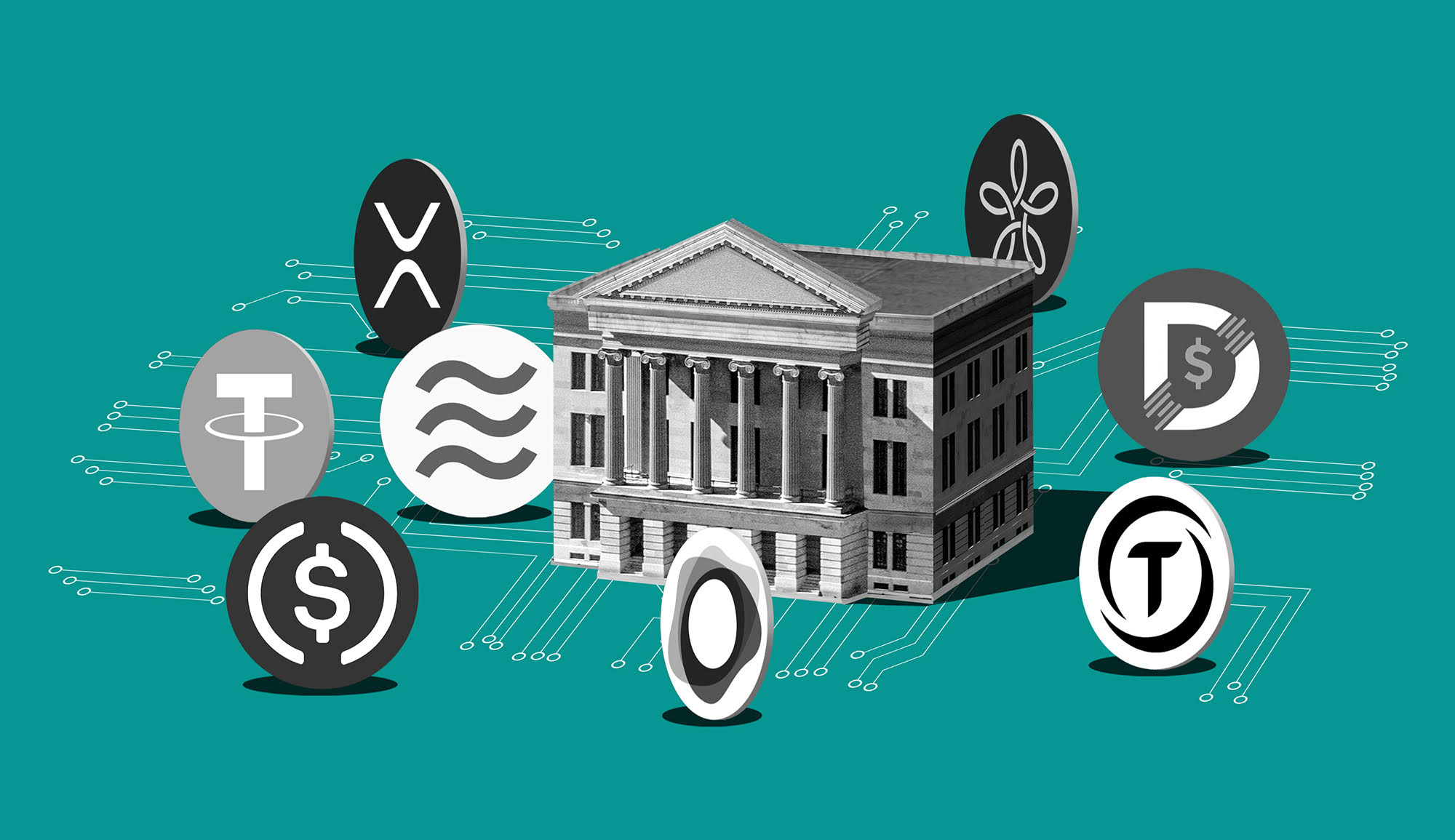
Traditional payroll rails, burdened by intermediaries and high fees, falter under the weight of global teams spanning multiple jurisdictions. Enter hybrid systems: platforms that convert crypto holdings into local fiat on-demand, automate tax withholdings, and ensure on-chain transparency. From my vantage as a CFA charterholder with years dissecting multi-jurisdictional compliance, this fusion isn't mere innovation; it's a necessity for sustainable DAO operations. Patience in treasury management dictates favoring stablecoins like USDC for payouts, minimizing exposure to crypto's inherent swings.
Navigating Treasury Constraints in DAO Payroll
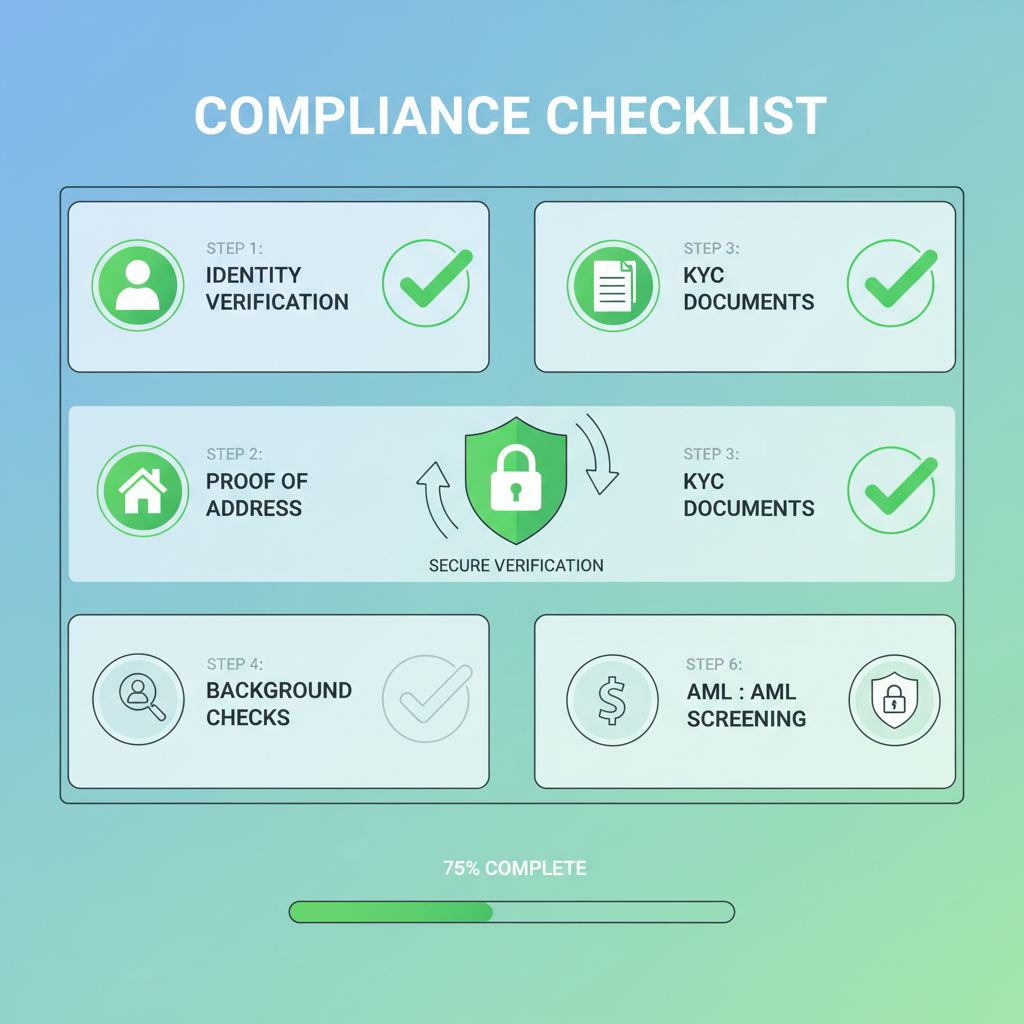
DAOs typically hold significant portions of their treasuries in cryptocurrencies, yet contributors rarely demand payment solely in volatile assets. A conservative approach involves funding payroll from crypto reserves while disbursing in fiat equivalents. Platforms like Rise exemplify this, supporting over 100 cryptocurrencies convertible to 90 local currencies. Their automation handles onboarding and compliance, critical for DAOs avoiding legal pitfalls in regions with stringent crypto regulations.
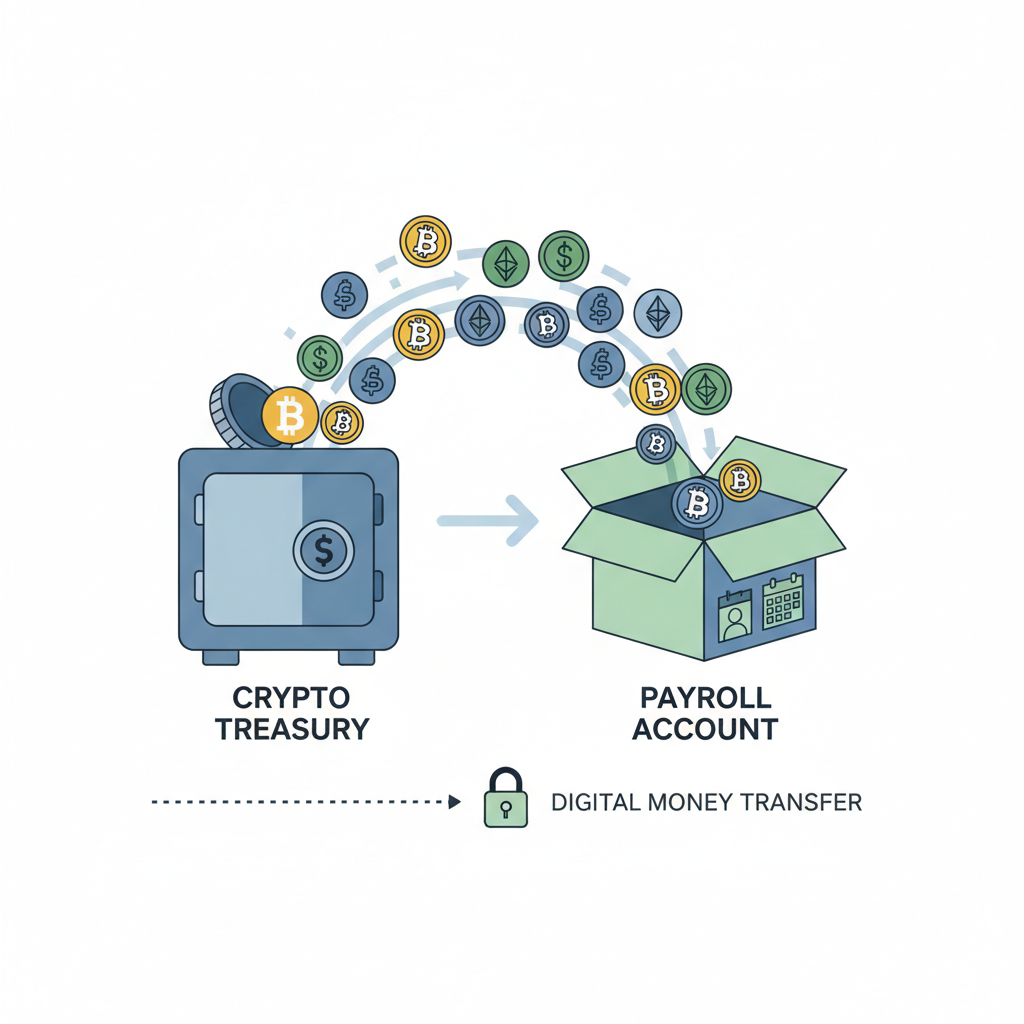
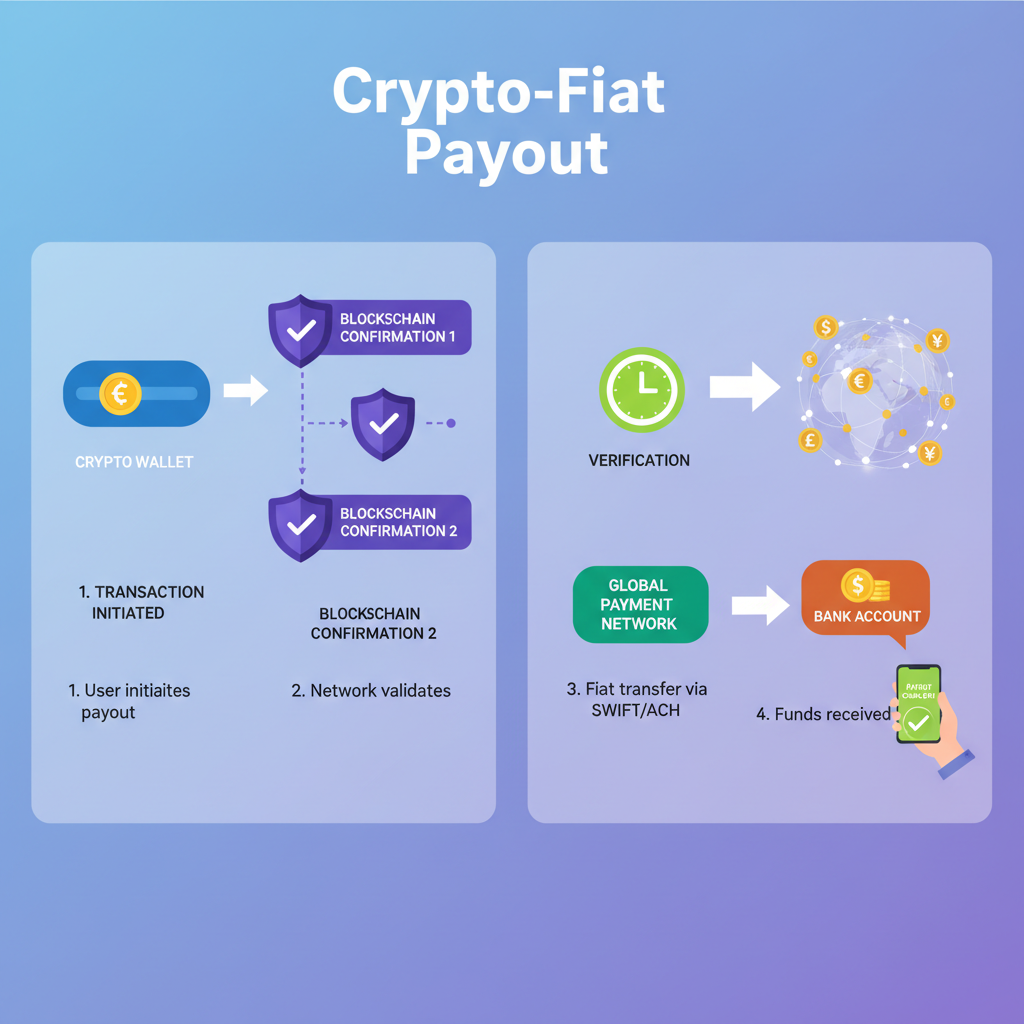
Consider the mechanics: a DAO treasury in ETH or BTC initiates payouts via smart contracts. The platform executes instant conversions, factoring in real-time rates and fees, then wires fiat to bank accounts or stablecoin wallets. This DAO crypto payroll integration reduces settlement times from weeks to hours, a boon for remote contributors in emerging markets where banking access lags.
Key Features Comparison of Rise, Toku, Gloroots, and Bitwage for Hybrid Fiat-Crypto DAO Payroll
| Platform | Currencies Supported | Compliance Automation | Integration Ease |
|---|---|---|---|
| Rise | 100+ cryptocurrencies, 90+ local currencies | Automated onboarding, compliance handling | Supports flexible hybrid configurations ✅ |
| Toku | Stablecoins (USDC, BTC, ETH) + fiat via integrations | Regulatory adherence, compliant on-chain settlements | Seamless with ADP & Workday ✅ |
| Gloroots | Cryptocurrencies & stablecoins | Manages taxes & compliance in one platform | All-in-one platform, easy setup ✅ |
| Bitwage | Bitcoin, Ethereum + fiat portions | Simplified employer/employee compliance | Integrates with 23 U.S. payroll providers ✅ |
Compliance Imperatives for Hybrid Payouts
Regulatory scrutiny intensifies as crypto adoption grows, particularly for DAOs classified variably across jurisdictions. Toku's integration with legacy systems like ADP and Workday stands out, layering stablecoin payouts atop existing infrastructure without disrupting fiat workflows. This conserves DAO resources, aligning with fundamental principles of diversification: maintain fiat stability for core payroll while allocating crypto for incentives.
Gloroots and Bitwage further this ecosystem. Gloroots consolidates payroll, taxes, and crypto disbursements, ideal for DAOs scaling contributor bases. Bitwage's ties to 23 U. S. providers enable partial crypto salaries, letting teams opt into BTC or ETH portions risk-managed through dollar-cost averaging. Deel's DAO expansions round out options, embedding crypto within global compliance frameworks.
Strategic Advantages of Web3 Payroll Crypto Rails
Beyond efficiency, web3 payroll crypto rails enhance contributor retention. Freelancers and core teams value choice: a developer in Thailand might prefer Thai Baht via stablecoin rails, while a U. S. contributor opts for direct crypto. Platforms like Request Finance and CoinsPaid facilitate mass payouts, rewarding DAO participants en masse without centralized bottlenecks.
Analytically, the cost savings are compelling. Cross-border wires average 6-7% fees; crypto-fiat hybrids slash this to under 1%, per industry benchmarks. Yet conservatism tempers enthusiasm: volatility hedges via stablecoins remain paramount. DAOs must audit smart contract risks and monitor jurisdictional shifts, such as evolving EU MiCA rules or U. S. SEC stances on digital assets as securities.
Fiat crypto conversion DAOs thus become a treasury imperative, preserving capital while accommodating diverse payout needs. Request Finance streamlines this through invoicing and payroll modules, supporting USDC for low-volatility settlements. CoinsPaid's mass payout capabilities suit grant distributions, ensuring equitable rewards without fractional ownership disputes.
Implementing Hybrid Payroll: A Conservative Roadmap
Transitioning to hybrid systems demands deliberate steps, rooted in risk assessment. Begin with treasury audits: quantify crypto allocations suitable for conversion, prioritizing stablecoins to buffer exchange rate fluctuations. Platforms like TransFi demonstrate viability through case studies, where DAOs optimized cross-border flows, cutting processing times by 80% while enhancing treasury yields via yield-bearing stables.
DAO Hybrid Payroll Setup: Rise or Toku Integration Guide
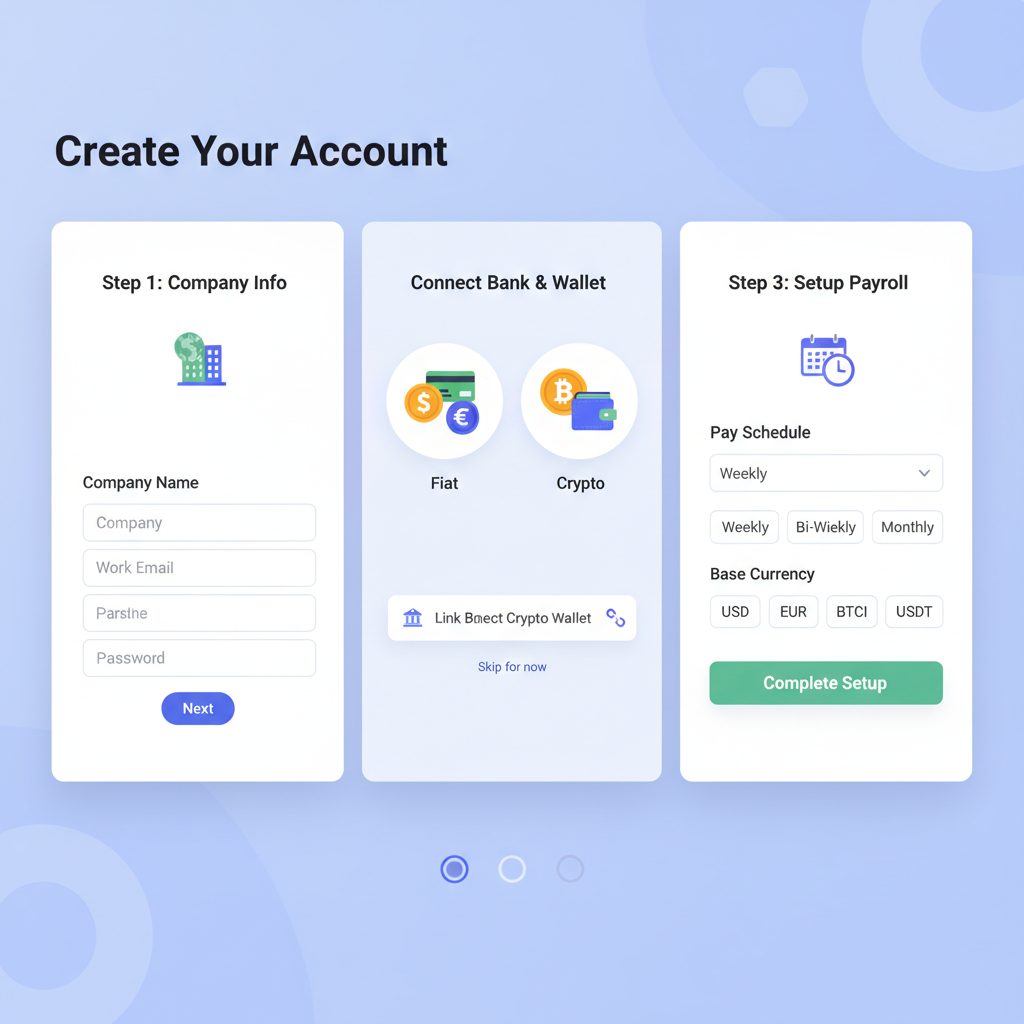
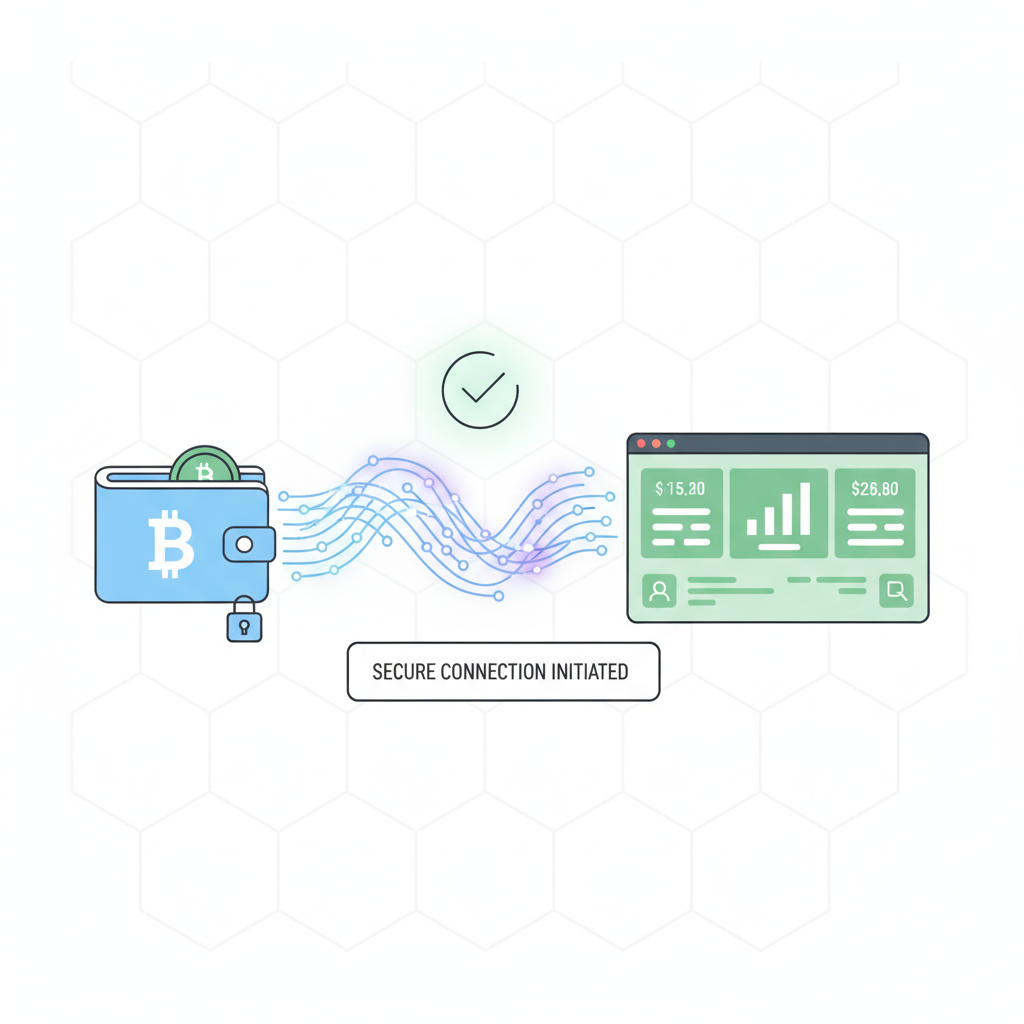

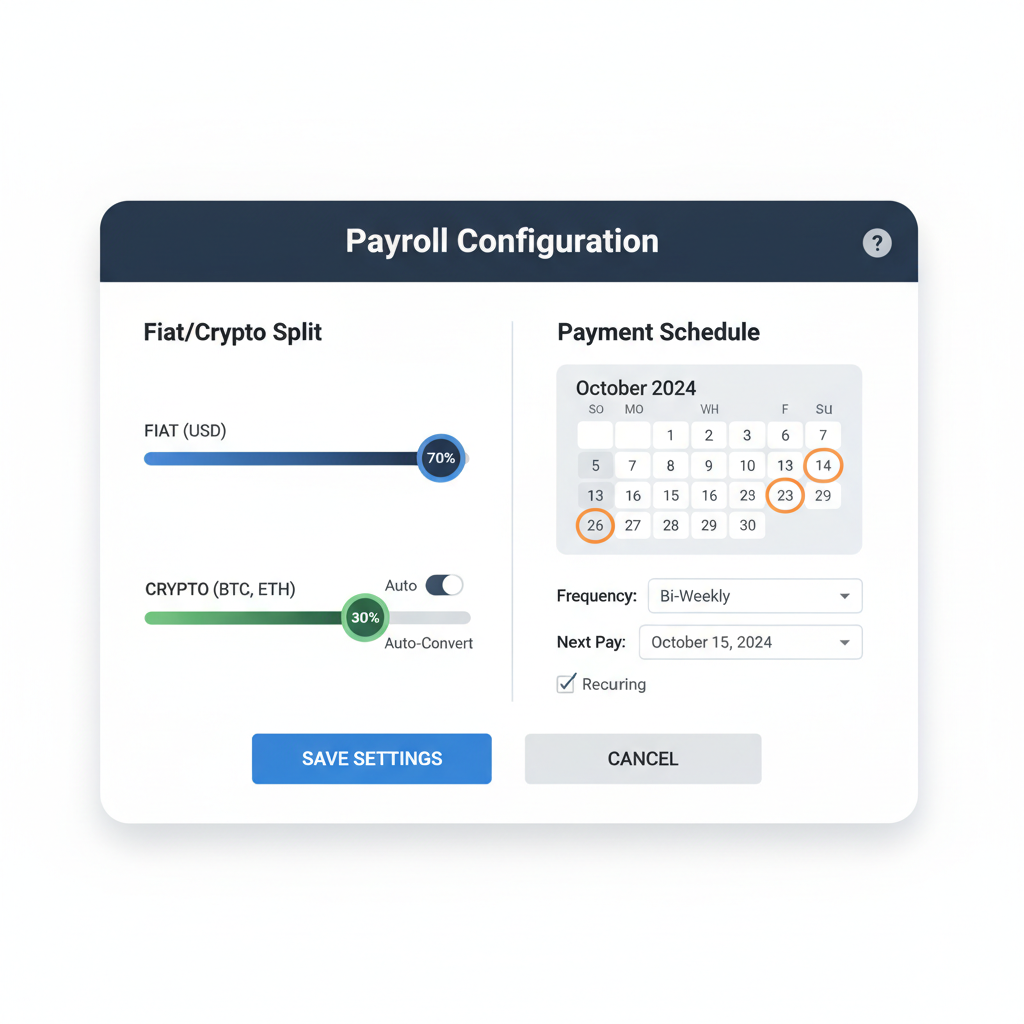
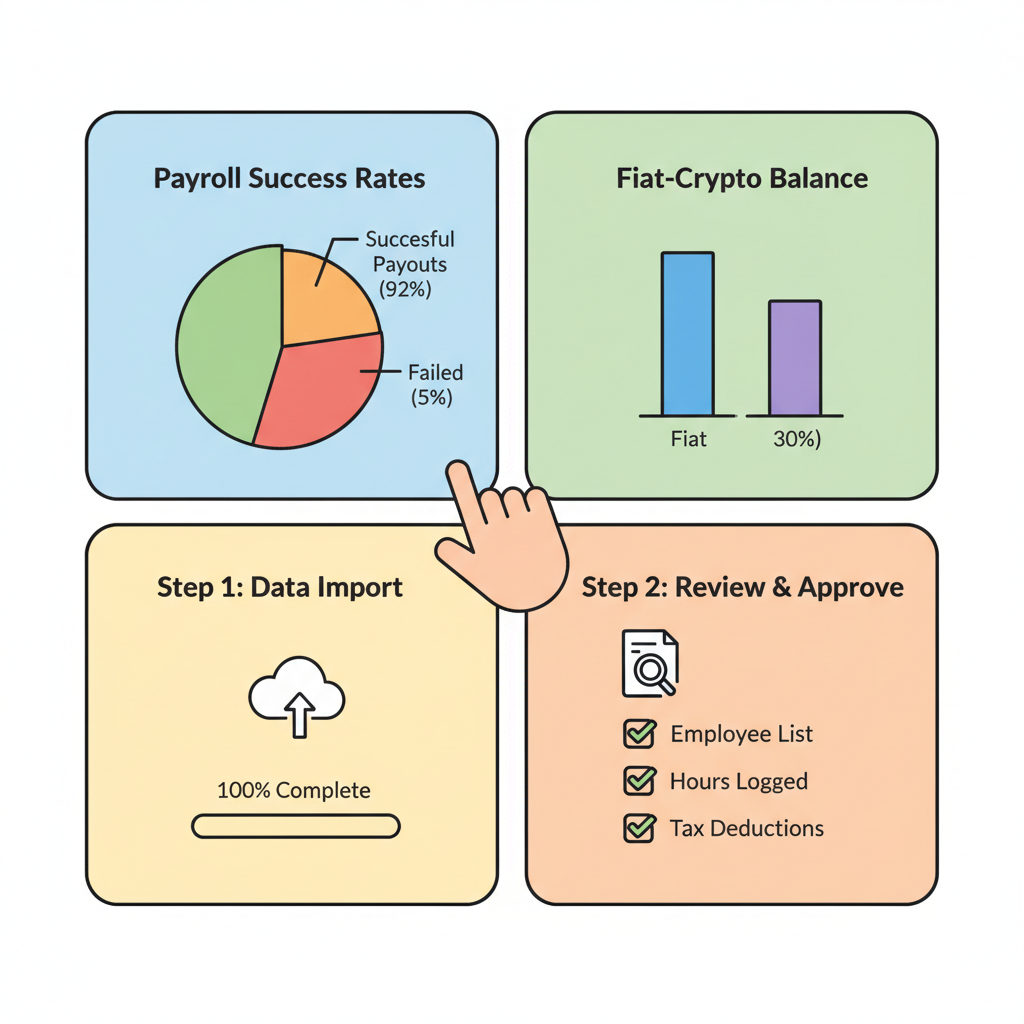
Next, configure contributor preferences via dashboards. Rise's interface allows splits, such as 70% fiat and 30% crypto, automating withholdings per jurisdiction. Test runs with nominal amounts validate workflows, mitigating smart contract vulnerabilities that could drain treasuries. From a fundamental analysis perspective, this phased rollout mirrors portfolio rebalancing: incremental adjustments preserve stability.
Onchain Foundation highlights crypto payroll's borderless edge, yet conservative DAOs layer in multi-signature approvals for payouts exceeding thresholds. Ripe. Money's stablecoin-to-fiat bridges exemplify precision, disbursing exact local equivalents like Philippine Pesos without hidden spreads.
Risks and Mitigation in DAO Crypto Payroll Integration
No integration lacks pitfalls. Volatility remains chief among them; a BTC dip mid-conversion erodes value. Mitigation favors USDC or EURC, pegged assets with proven resilience. Regulatory flux poses another: U. S. IRS treats crypto as property, mandating cost-basis tracking. Platforms like Gloroots embed 1099 generation, simplifying filings.
Common Risks in Hybrid DAO Payroll and Mitigation Strategies
| Risk Type | Impact Level | Platform Solution | Best Practice |
|---|---|---|---|
| Regulatory Non-Compliance | High | Toku integrates stablecoin payroll with ADP/Workday for seamless compliance and on-chain settlements | Conduct jurisdiction-specific compliance audits and use platforms with automated KYC/AML checks |
| Crypto Price Volatility | High | Rise enables payment splits between fiat and 100+ cryptocurrencies to hedge risks | Prioritize stablecoins like USDC for payouts and offer fiat conversion options at payout time |
| Security Breaches (Hacks/Wallet Risks) | High | Gloroots provides secure crypto payroll with managed wallets and compliance | Implement multi-signature wallets, regular security audits, and contributor wallet verification |
| Tax Reporting Errors | Medium | Bitwage integrates with 23 U.S. payroll providers for accurate crypto tax handling | Automate tax calculations, provide 1099 forms, and educate contributors on reporting obligations |
| Cross-Border Delays and Fees | Medium | Deel supports global DAO payroll with crypto options and local compliance | Leverage stablecoins for instant settlements and platforms with low-fee fiat rails |
| Contributor Onboarding Friction | Low | Rise automates onboarding for global teams in 90+ currencies | Offer self-service KYC portals and flexible payment preferences (fiat/crypto splits) |
Counterparty risks in off-ramps warrant scrutiny. Diversify providers, avoiding single-point failures. OneSafe's analysis underscores efficiency gains, yet urges KYC rigor to fend off AML scrutiny. Bitwage's U. S. integrations offer a safety net, blending crypto opt-ins with fiat defaults for compliance-phobic teams.
Frequently Asked Questions on Hybrid Payouts
Deel's crypto expansions signal maturation, yet DAOs must weigh liquidity pools. Shallow markets amplify slippage; monitor via on-chain analytics. Patience yields here: long-term, hybrid rails fortify treasuries against fiat inflation, positioning DAOs for enduring growth.
Ultimately, hybrid payouts DAOs embody disciplined innovation. By fusing blockchain speed with fiat reliability, they empower global teams without forsaking prudence. Treasury stewards prioritizing diversification will find these rails not just operational tools, but strategic assets in web3's decentralized frontier.




No comments yet. Be the first to share your thoughts!