
In the borderless realm of decentralized autonomous organizations, paying remote Web3 contributors demands more than good intentions; it requires robust DAO payroll solutions that handle multi-currency payouts and untangle global tax webs. As DAOs scale with talent from over 190 countries, traditional banking lags behind, leaving treasuries exposed to forex volatility and compliance pitfalls. Platforms like Rise are stepping in, supporting 90 and local currencies alongside stablecoins and fiat, allowing hybrid payments that match contributor preferences without forcing a one-size-fits-all model.
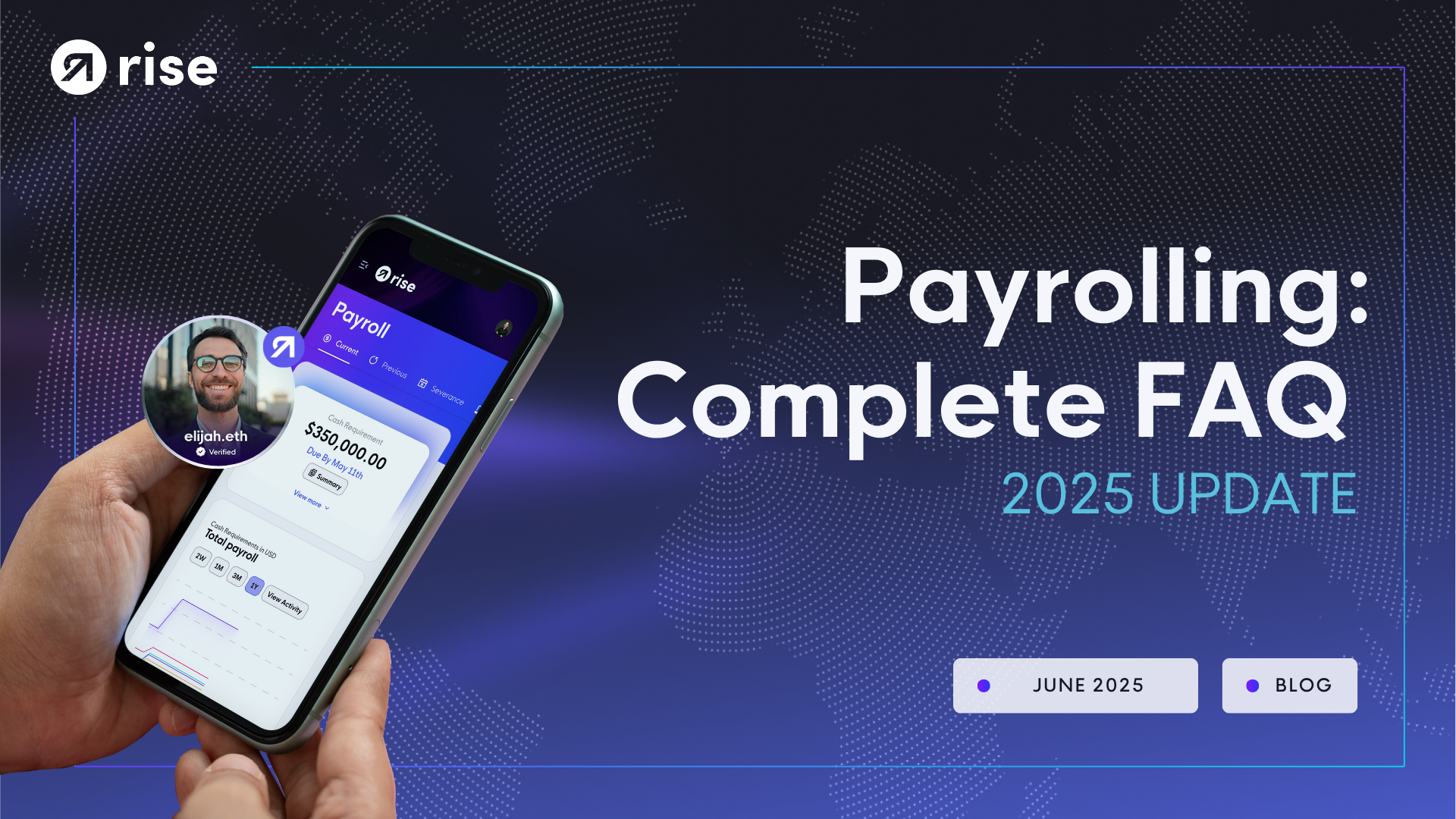
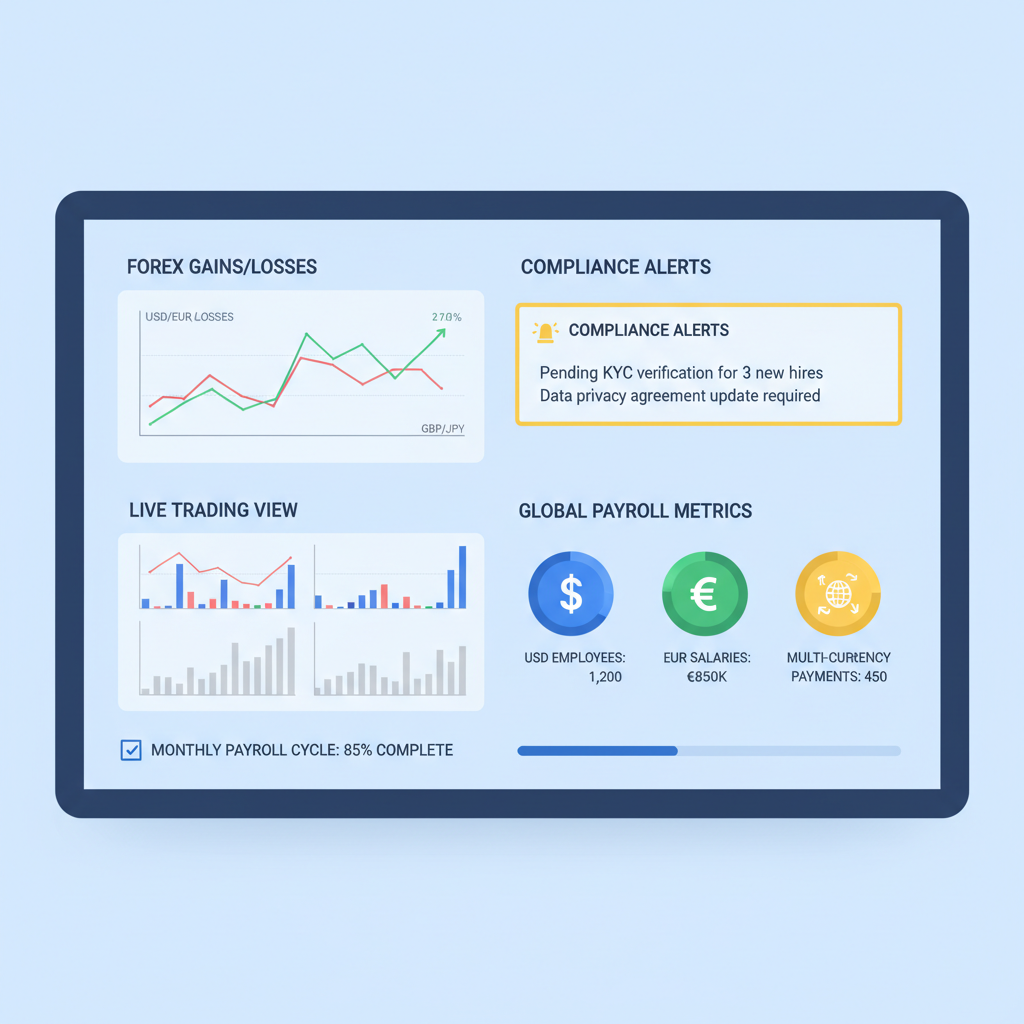
This shift isn't just convenient; it's strategic. With real-time conversions mitigating exchange risks, DAOs can maintain treasury stability even as geopolitical tensions nudge currency pairs. From my vantage with 12 years in forex, I've seen how ignoring these dynamics erodes margins, but tools blending live rates with automated hedging change the game for web3 remote payroll.
Why Multi-Currency Payouts Are Non-Negotiable for Global DAO Teams
Global DAO team payments thrive on flexibility. Contributors in Argentina might favor USDC for its dollar peg, while those in Europe opt for SEPA euros. Rise excels here, automating compliance across 190 and countries and enabling instant withdrawals in fiat, stablecoins, or crypto. TransFi takes it further with multi-chain automation, slashing processing times for recurring payouts and embedding KYC/AML to sidestep regulatory snags.
Key Benefits of Multi-Currency DAO Payouts
- Reduced Forex Fees: Platforms like Rise support 90+ local currencies, enabling direct payouts to minimize costly conversions for global contributors.
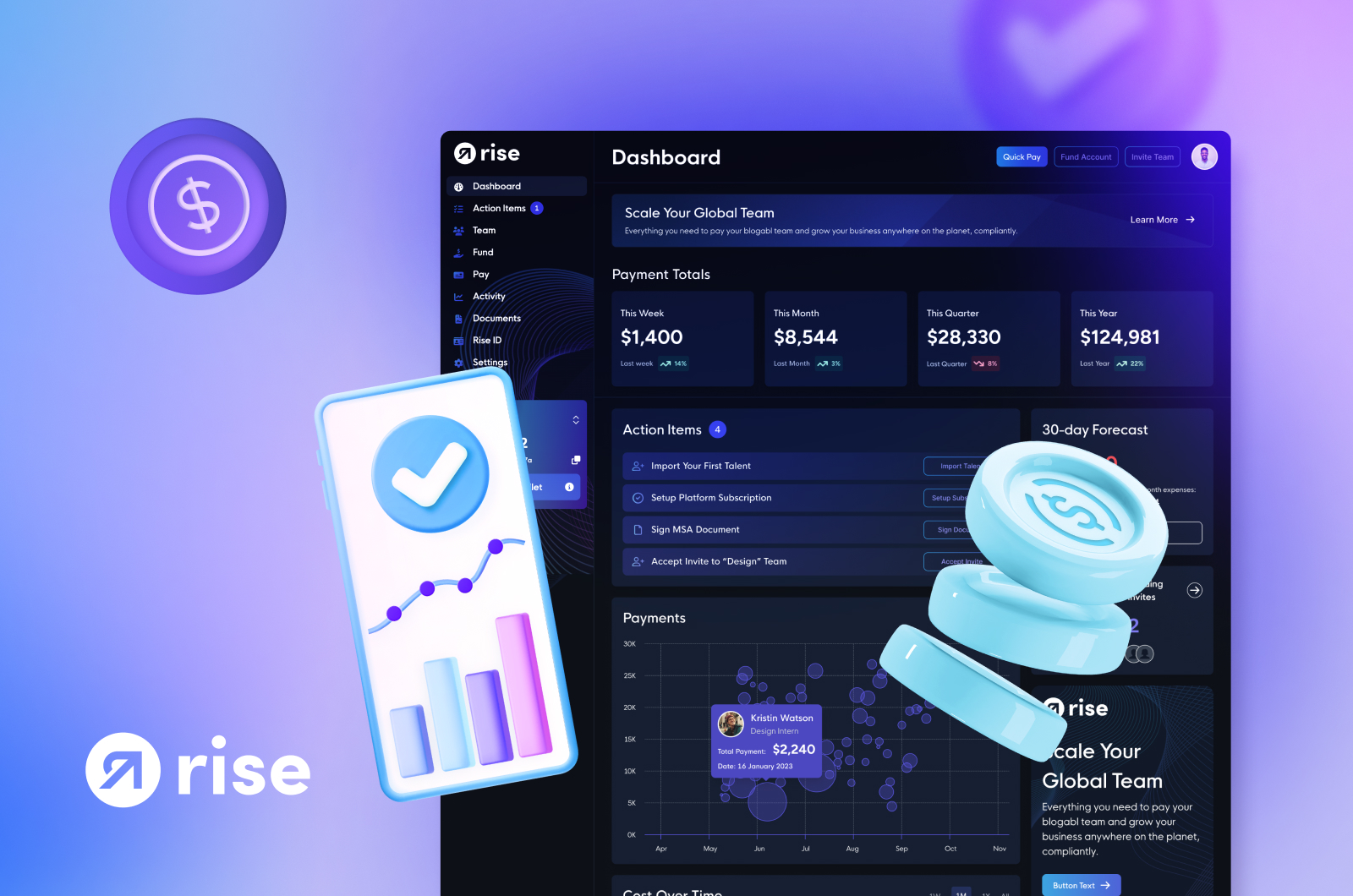
- Instant Settlements via Stablecoins: Use USDC or other stablecoins with TransFi for borderless, real-time payments without traditional banking delays.
- Contributor Choice in Fiat/Crypto: Rise allows hybrid payouts in fiat, stablecoins, or crypto, giving remote Web3 teams flexibility in preferred formats.

Consider Georgia's appeal for Web3 operations: service providers like Gegidze convert crypto to fiat seamlessly, deposit into local banks, and file taxes with the Revenue Service. This setup delivers legal payouts at competitive rates, proving locales matter as much as tech. Without such multi-currency DAO payouts, DAOs risk contributor churn; talent expects speed and stability, not wire delays or conversion gouges.
Stablecoins Powering the Future of Payroll for Web3 Contributors
Stablecoins aren't a trend; they're the efficient core of payroll for web3 contributors. Toku's guide underscores paying in USDC, BTC, or ETH legally, dodging headaches through compliant rails. Franklin, tailored for the stablecoin era, manages U. S. payroll alongside global contractors, offering transparency on-chain that fiat systems can't match.
These assets enable borderless, 24/7 settlements, crucial when contributors span time zones. Pair this with hybrid tools from Monetum, blending crypto with euros via SEPA, and DAOs attract tech-savvy talent signaling innovation. Yet, success hinges on integration: platforms must forecast volatility, a nuance where real-time rates plus geopolitical reads prevent overpayments during swings.
Mastering Automated Tax Compliance in a Fragmented World
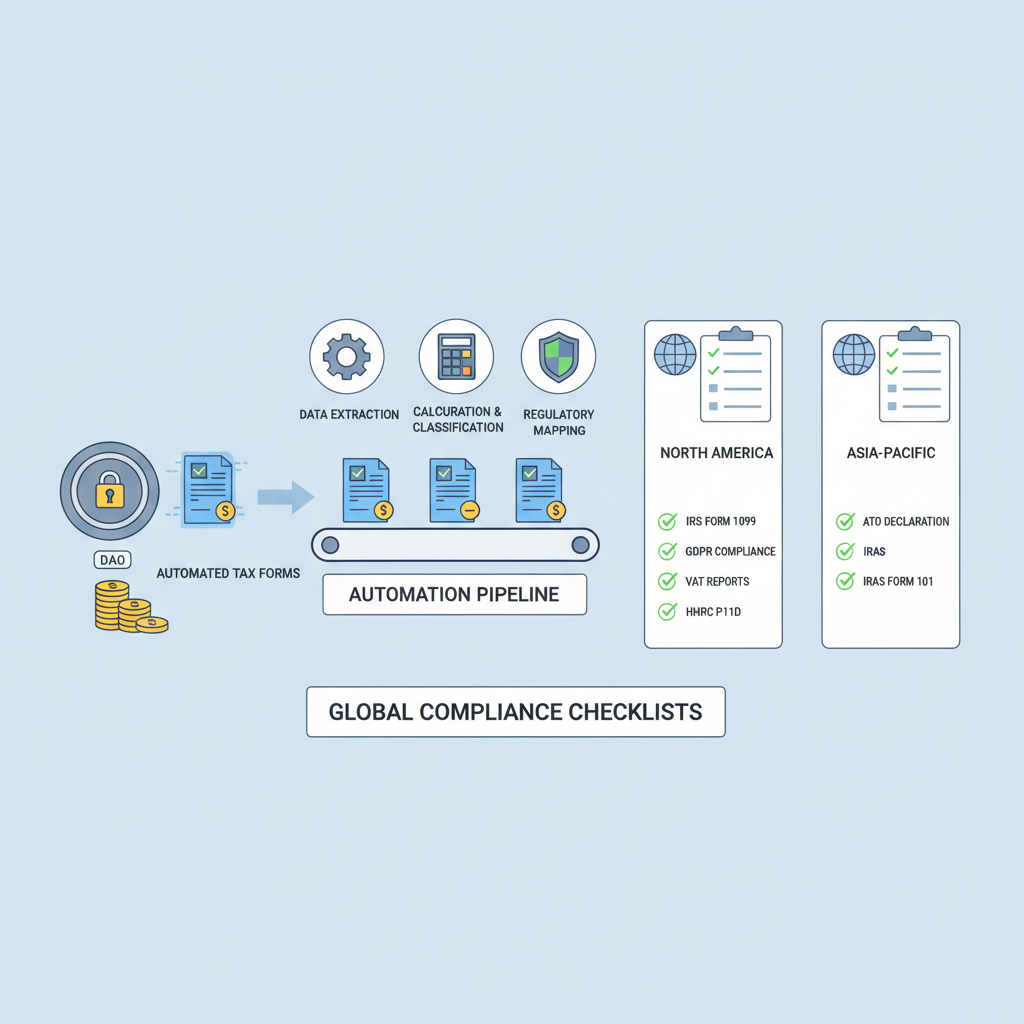
Automated tax compliance DAOs is the linchpin holding multi-currency dreams together. Each jurisdiction imposes unique labor laws, social security mandates, and worker classifications; missteps invite penalties or permanent establishment traps. Rise's EOR services let DAOs hire full-time without local entities, while OysterHR-like providers manage international filings.
Ogletree highlights crypto payroll risks but also opportunities: it draws remote teams if compliant. In practice, converting crypto to fiat pre-payout, as in Georgia, ensures salaries count as legal income. For DAOs, partnering with specialists isn't optional; it's how you scale without IRS audits or EU fines derailing momentum. My hybrid forex approach- layering rates with macro analysis- reveals how tax-efficient currencies can cut effective costs by 15-20% annually.
Request Finance offers practical steps for crypto employee payments, emphasizing best practices that align with these realities. As DAOs evolve, embedding such foresight into payroll rails turns compliance from burden to edge.
Platforms like Payroll Rails embody this evolution, revolutionizing DAO payroll solutions with seamless multi-currency support and instant conversions. Tailored for web3 communities, it automates tax filings across borders, letting treasuries focus on governance rather than spreadsheets. In my experience, blending forex precision with blockchain rails cuts payout variances that once plagued distributed teams.
Navigating EOR vs. DAO Payroll Structures
The EOR versus DAO dilemma sharpens as organizations grow. INS Global notes EORs handle entity-less hiring, ideal for full-time roles, while pure DAO models prioritize contributor autonomy. Rise bridges this with hybrid EOR services, onboarding in 190 and countries without local setups. For contractors, TransFi's stablecoin automation suffices, but employees demand more robust social security handling.
Comparison of Top DAO Payroll Platforms
| Platform | Payout Options | Currencies/Countries Supported | Key Features | Compliance |
|---|---|---|---|---|
| Rise | Fiat, stablecoins, crypto | 90+ currencies, 190+ countries | EOR services, hybrid payroll, automated onboarding | Global tax documentation, identity verification, KYC/AML |
| TransFi | Stablecoins (multi-chain) | Various countries (cross-border) | Automated recurring payments, treasury management | KYC/AML processes, regulatory compliance |
| Franklin | Stablecoins | US payroll, global contractors | Vendor invoices, modern payments platform | Stablecoin-focused compliance, US/global standards |
| Toku | USDC, BTC, ETH | Global teams | Crypto payroll for Web3 | Legal compliance, tax-efficient payouts |
Choosing hinges on team composition. Freelance-heavy DAOs lean TransFi for speed; those building core teams favor Rise's compliance depth. Georgia's model via Gegidze complements both, offering a tax haven where crypto converts cleanly to fiat, sidestepping permanent establishment woes.
Real-World Wins: Case Studies in Global DAO Team Payments
TransFi's integration slashed one DAO's payroll time by weeks, automating recurring stablecoin drops across chains. Contributors received funds instantly, treasuries gained visibility, and KYC embedded upfront nipped AML risks. Similarly, Rise enabled a web3 collective to pay hybrid, fiat for Europeans, USDC for LatAm, boosting retention amid volatile markets.
We need more DAOs - but different and better DAOs. The original drive to build Ethereum was heavily inspired by decentralized autonomous organizations: systems of code and rules that lived on decentralized networks that could manage resources and direct activity, more efficiently and more robustly than traditional governments and corporations could. Since then, the concept of DAOs has migrated to essentially referring to a treasury controlled by token holder voting - a design which "works", hence why it got copied so much, but a design which is inefficient, vulnerable to capture, and fails utterly at the goal of mitigating the weaknesses of human politics. As a result, many have become cynical about DAOs. But we need DAOs. * We need DAOs to create better oracles. Today, decentralized stablecoins, prediction markets, and other basic building blocks of defi are built on oracle designs that we are not satisfied with. If the oracle is token based, whales can manipulate the answer on a subjective issue and it becomes difficult to counteract them. Fundamentally, a token-based oracle cannot have a cost of attack higher than its market cap, which in turn means it cannot secure assets without extracting rent higher than the discount rate. And if the oracle uses human curation, then it's not very decentralized. The problem here is not greed. The problem is that we have bad oracle designs, we need better ones, and bootstrapping them is not just a technical problem but also a social problem. * We need DAOs for onchain dispute resolution, a necessary component of many types of more advanced smart contract use cases (eg. insurance). This is the same type of problem as price oracles, but even more subjective, and so even harder to get right. * We need DAOs to maintain lists. This includes: lists of applications known to be secure or not scams, lists of canonical interfaces, lists of token contract addresses, and much more. * We need DAOs to get projects off the ground quickly. If you have a group of people, who all want something done and are willing to contribute some funds (perhaps in exchange for benefits), then how do you manage this, especially if the task is too short-duration for legal entities to be worth it? * We need DAOs to do long-term project maintenance. If the original team of a project disappears, how can a community keep going, and how can new people coming in get the funding they need? One framework that I use to analyze this is "convex vs concave" from https://vitalik.eth.limo/general/2020/11/08/concave.html . If the DAO is solving a concave problem, then it is in an environment where, if faced with two possible courses of action, a compromise is better than a coin flip. Hence, you want systems that maximize robustness by averaging (or rather, medianing) in input from many sources, and protect against capture and financial attacks. If the DAO is solving a convex problem, then you want the ability to make decisive choices and follow through on them. In this case, leaders can be good, and the job of the decentralized process should be to keep the leaders in check. For all of this to work, we need to solve two problems: privacy, and decision fatigue. Without privacy, governance becomes a social game (see https://vitalik.eth.limo/general/2025/04/14/privacy.html ). And if people have to make decisions every week, for the first month you see excited participation, but over time willingness to participate, and even to stay informed, declines. I see modern technology as opening the door to a renaissance here. Specifically: * ZK (and in some cases MPC/FHE, though these should be used only when ZK along cannot solve the problem) for privacy * AI to solve decision fatigue * Consensus-finding communication tools (like pol.is, but going further) AI must be used carefully: we must *not* put full-size deepseek (or worse, GPT 5.2) in charge of a DAO and call it a day. Rather, AI must be put in thoughtfully, as something that scales and enhances human intention and judgement, rather than replacing it. This could be done at DAO level (eg. see how https://www.deepfunding.org/ works), or at individual level (user-controlled local LLMs that vote on their behalf). It is important to think about the "DAO stack" as also including the communication layer, hence the need for forums and platforms specially designed for the purpose. A multisig plus well-designed consensus-finding tools can easily beat idealized collusion-resistant quadratic funding plus crypto twitter. But in all cases, we need new designs. Projects that need new oracles and want to build their own should see that as 50% of their job, not 10%. Projects working on new governance designs should build with ZK and AI in mind, and they should treat the communication layer as 50% of their job, not 10%. This is how we can ensure the decentralization and robustness of the Ethereum base layer also applies to the world that gets built on top.
These aren't outliers. Franklin streamlines vendor invoices alongside payroll, a boon for DAOs juggling bounties and salaries. My forex lens spots the pattern: platforms forecasting currency swings via real-time data preserve value, turning payouts into retention tools rather than cost centers.
Yet pitfalls persist. Worker misclassification trips up 40% of remote setups, per UKG insights. DAOs must classify contributors accurately, independent versus employee, to dodge back taxes. Automated tools flag these, but human oversight, informed by local nuances, seals compliance.
Best Practices for Seamless Web3 Remote Payroll
Start with contributor surveys: gauge fiat versus crypto prefs to tailor multi-currency DAO payouts. Integrate KYC at onboarding, automate withholding via geo-IP, and hedge forex with stablecoin bridges. For deeper dives, check this step-by-step guide on USDC payouts.
5 Steps to Compliant Multi-Currency DAO Payroll
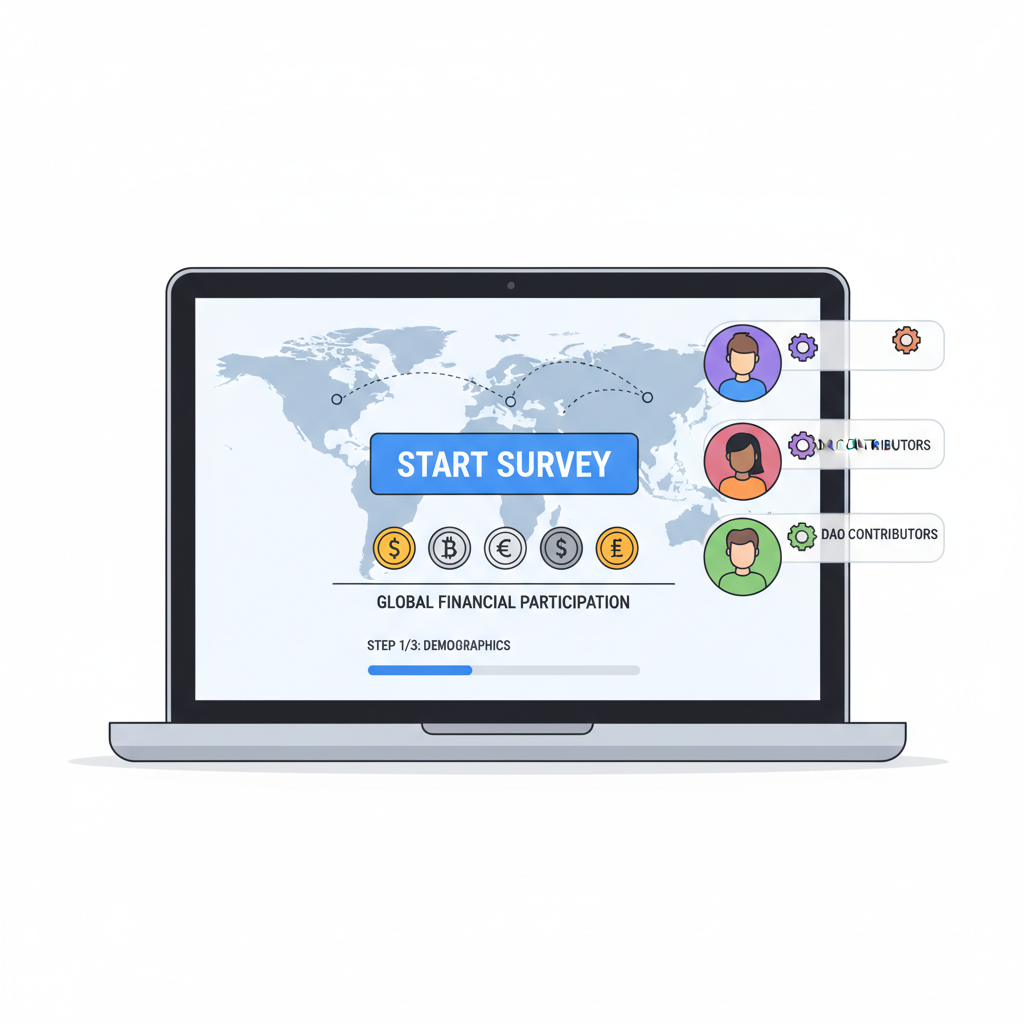
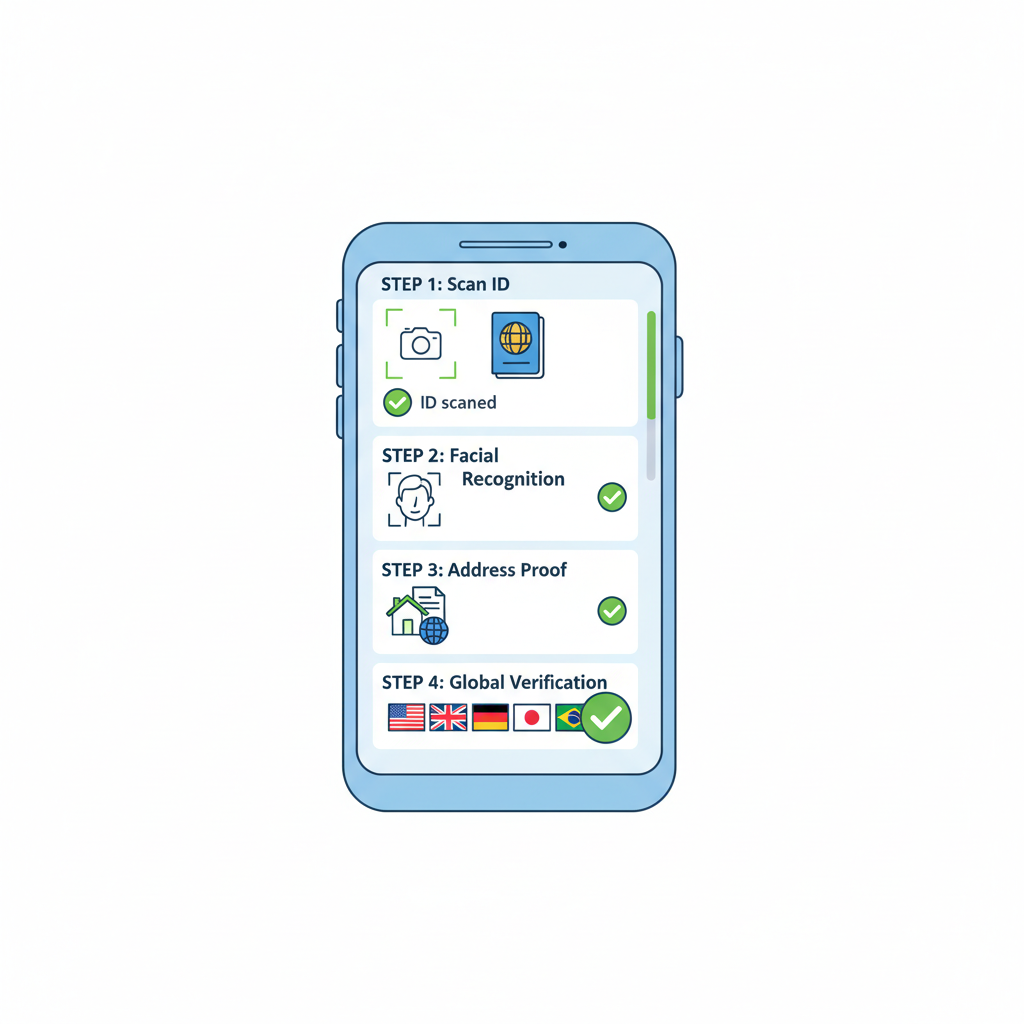
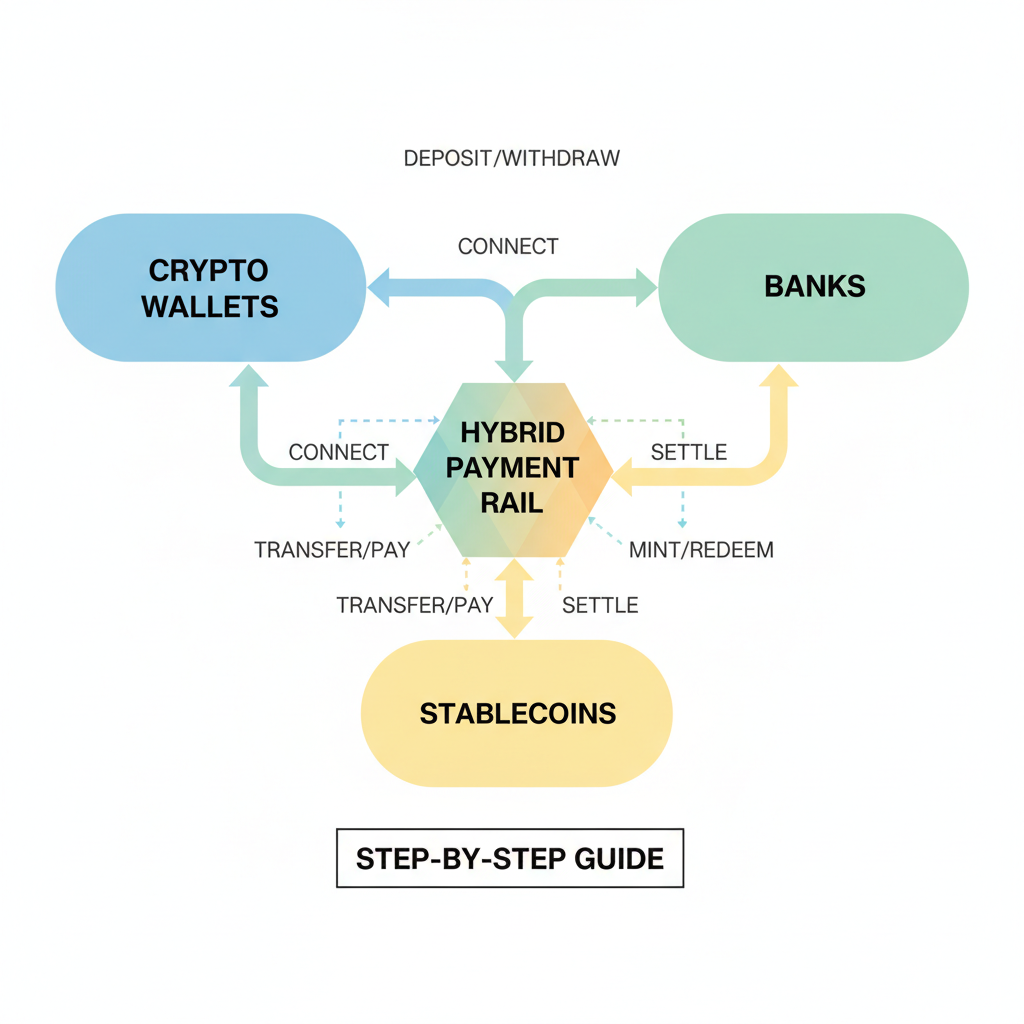
Layer geopolitical awareness, sanctions shift flows overnight. I've advised DAOs to diversify currencies, holding 20% in stablecoins as buffers. Quarterly audits ensure classifications hold, while on-chain transparency builds trust.
FAQ on sticking points:
Forward-thinking DAOs treat payroll as strategy. Platforms evolve with regs, from EU's MiCA to U. S. clarity on crypto wages. By prioritizing automated tax compliance DAOs, they not only pay accurately but empower contributors, fueling innovation in decentralized work.




No comments yet. Be the first to share your thoughts!