
In 2026, DAOs are no longer experimental playgrounds for crypto enthusiasts; they're powerhouse engines driving the decentralized economy, with global contributors demanding multi-currency payouts that hit their wallets instantly and compliantly. I've traded crypto aggressively for six years, optimized DAO token distributions across chains, and watched payroll headaches sink promising projects. Enter DAO payroll revolution: platforms blending stablecoins, fiat rails, and AI-driven tax engines to make global DAO payroll as smooth as a bull run.

Picture this: a contributor in Tokyo gets paid in JPY-equivalent USDC, a dev in Nairobi cashes out in local fiat, all triggered by a smart contract vote. No more wire fees eating 3-8% or days-long delays. Tools like Toku and TransFi are leading the charge, turning DAO treasuries into efficient payout machines.
Stablecoins Supercharge Cross-Border DAO Payouts
Toku's stablecoin payroll service stands out, enabling instant payments across 100 and countries with hybrid crypto-fiat options. DAOs connect their treasury wallets directly, automating workflows for tax and labor compliance. I've tested similar setups; the transparency is game-changing, every transaction auditable on-chain without the opacity of traditional banks.
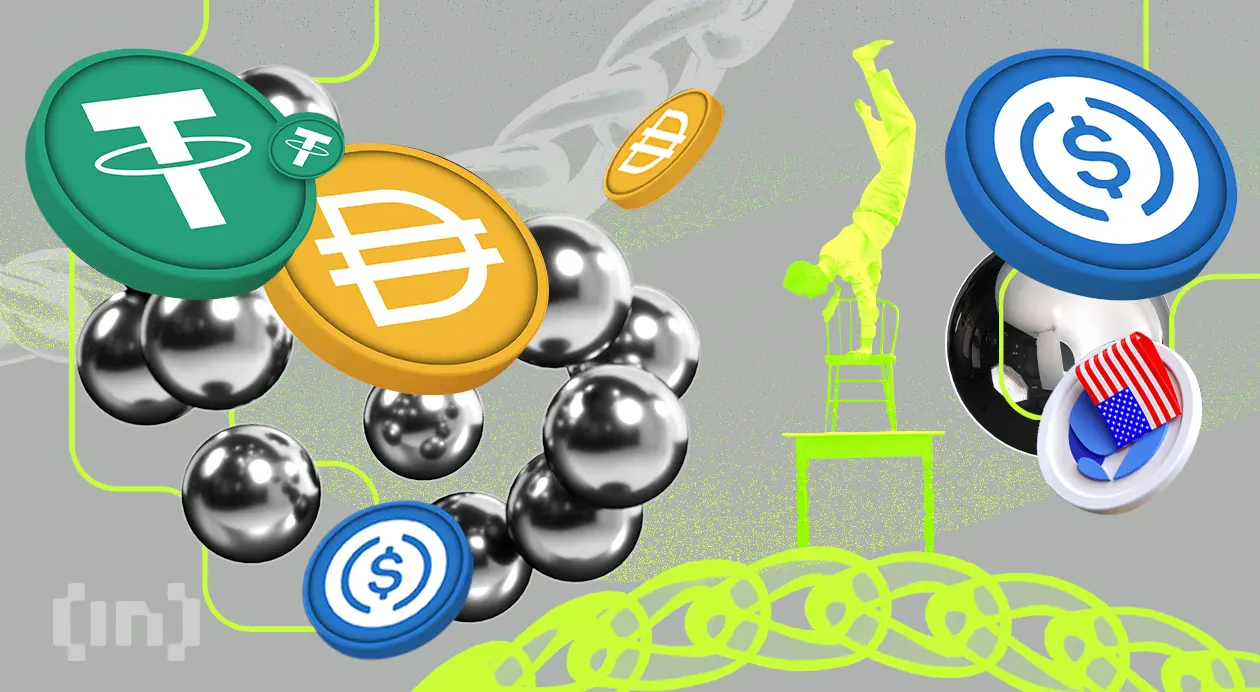
TransFi takes it further with on-ramp and payout APIs for USDC and USDT on multiple chains. One API call disburses to worldwide wallets, baked-in KYC/AML where regs demand it. For multi-currency DAO payments, this means contributors control their currency preference, slashing conversion losses and FX volatility risks.
Stablecoin Payroll Wins for DAOs
- Instant Global Settlements: Pay contributors in 100+ countries in seconds with Toku's stablecoin service or TransFi's USDC APIs—no borders, no delays.
- Low Fees Under 1%: Slash costs vs. traditional 3-8% FX fees; TransFi and Toku enable lightning-fast cross-border payouts at fractions of a percent.
- Hybrid Fiat-Crypto Flexibility: Mix USDC/USDT with fiat via Toku's ADP/Workday integration or Rise's multi-chain platform—choose per payout.

- On-Chain Audit Trails: Immutable records with DaoMine's compliance module or TaxNode's blockchain tax reporting—transparent, verifiable forever.
- Contributor Wallet Control: Direct to personal wallets for full ownership; ZKPay adds privacy via zero-knowledge proofs without leaks.
These aren't hypotheticals. DAOs scaling to hundreds of contributors are ditching EOR services that multiply compliance burdens across jurisdictions. Instead, they're building cross-border DAO payroll with lightning-fast, low-cost rails that outpace legacy systems.
Automated Tax Compliance: No More Regulatory Nightmares
Tax compliance was the silent killer for web3 payroll. PwC's 2026 Global Crypto Tax Report nails it: DAC8 rules demand detailed reporting aligned with OECD's CARF, hitting January 1. Deloitte echoes that employers must withhold payroll taxes on digital assets like fiat. Enter innovators like DaoMine's On-Chain Incentive Compliance Module, launched Q2 2025. It embeds KYC/AML, tax withholding, and audit vouchers on-chain for PoS staking and liquidity mining.
TaxNode complements this for treasury management, auto-classifying governance tokens, applying multi-jurisdiction rules across 25 and chains. Retroactive analysis? Covered. As someone who's navigated multi-chain distributions, I say these tools turn what used to be a accountant's nightmare into a set-it-and-forget-it DAO feature.
ZK Proofs Unlock Confidential DAO Contributor Payouts
Privacy matters in a transparent blockchain world. ZKPay leverages zero-knowledge proofs for confidential payrolls, proving payment validity without exposing amounts or identities. Select a ZK circuit, input data off-chain, generate proof, verify on-chain, release funds. Compliant with regional regs, no data leaks. This is bold web3: secure, private, yet fully auditable.
Hybrid models seal the deal. Toku integrates stablecoins into ADP and Workday, letting DAOs layer crypto atop existing infra. Finance teams set rules, log audits, choose payment rails per contributor. For DAO contributor payouts, it's precision engineering: pay in what they want, deduct fees smartly, comply globally.
Georgia's tax perks - 0% corporate, 1% IE, 0% VAT - lure web3 firms for crypto payroll hubs, but tools like these make location irrelevant. Web3 tax compliance is now automated, scalable, future-proof.
But don't just take my word for it. DAOs crushing it in 2026 are stacking these tools into automated DAO payroll 2026 stacks that rival enterprise software. Rise and Monetum push hybrid fiat-crypto rails with 90 and currencies, but they lack the on-chain purity that Toku and DaoMine deliver. Traditional EORs? Burdensome relics, piling on labor codes and statutory benefits while crypto multiplies the mess, as Gloroots warns.
Stacking the Right Tools for Scalable Global DAO Payroll
I've optimized multi-chain payrolls during volume spikes; the winners integrate seamlessly. Toku for instant USDC to 100 and countries, TaxNode for token tax classification across 25 chains, ZKPay for privacy-first payouts. Pair them with TransFi's APIs, and you've got a beast: contributor chooses USDC, JPY, or local fiat, taxes auto-withheld per DAC8, proofs logged immutably. No 3-8% fees, no delays - just pure efficiency.
Comparison of Top DAO Payroll Platforms (2026)
| Platform | Payout Support | Coverage | Compliance Features | Unique Aspects |
|---|---|---|---|---|
| Toku | Stablecoins (USDC+), crypto/fiat hybrid | 100+ countries | Automated tax/labor workflows, audit logs | Hybrid ADP/Workday integration, DAO treasury/smart contract support |
| TransFi | Multi-chain USDC/USDT APIs | Worldwide | KYC/AML tools | On-ramp/payout APIs, single-call dashboard |
| DaoMine | On-chain PoS staking/liquidity mining | Global (blockchain) | On-chain KYC/AML, tax withholding, immutable audits | Incentive Compliance Module (Q2 2025) |
| TaxNode | 25+ chains, treasury management | Multi-jurisdiction | Governance token classification, retro tax analysis | Exchange APIs, multi-chain tax reporting |
| ZKPay | ZK-proof confidential payments | Global (on-chain) | Tax withholding, regional regs | Privacy proofs, secure data protection |
Riseworks touts multi-chain funding, but lacks ZK confidentiality. Ogletree highlights crypto's speed edge over legacy wires; Nium visions work-tied wallet payments. My take? DAOs win by going hybrid-bold: stablecoins for speed, fiat for compliance holdouts, AI for regs. Contributors in Kenya or Japan get DAO contributor payouts in preferred currency, no FX gouge.
Challenges persist - crypto EOR guides scream multiplied burdens - but 2026 tools flip the script. PwC's DAC8 enforcement demands precision; Deloitte insists on fiat-like withholding. Solutions embed this natively, turning compliance from cost center to moat. Web3 accounting firms like Camuso CPA handle token sales tax, but payroll-specific engines like TaxNode scale better for ongoing contributor flows.
Real-World Wins: DAOs Paying Global Teams Flawlessly
Imagine a DAO treasury voting payouts via Snapshot, triggering Toku's workflows: USDC zips to Nairobi wallets, auto-converts to KES, taxes withheld per Kenyan rules, proofed on-chain. Or ZKPay shielding a high-profile dev's salary from doxxers. INS Global pits EOR vs DAO; I say hybrid crushes both. Georgia's perks draw iGaming DAOs, but global tools erase borders.
Scale hits 1,000 contributors? No sweat. Platforms handle volume spikes like I traded them - precise, aggressive. Contributors control rails, deducting fees wallet-direct as Nium predicts. This is global DAO payroll matured: contributor-centric, regulator-proof, treasury-efficient.
Forward-thinking DAOs audit treasuries weekly, simulate tax scenarios, A/B test payout rails. I've seen projects balloon post-payroll fix; stagnant ones crumble on disputes. In web3, payroll isn't back-office drudgery - it's your growth accelerator. Grab these rails, pay boldly, comply smarter, and watch your global army thrive.




No comments yet. Be the first to share your thoughts!