
Cross-Border Payroll Challenges for DAOs Paying Global Web3 Contributors in 2026

As DAOs mature into sophisticated entities managing global web3 contributors, cross-border payroll challenges intensify in 2026. These decentralized organizations distribute value through multi-currency DAO payments and stablecoins, yet navigate a maze of regulations, volatility risks, and operational friction. Traditional banking falls short for borderless teams, pushing DAOs toward crypto-native solutions while demanding rigorous DAO tax compliance 2026 strategies.


The Shift to Crypto Payroll for Web3 Contributor Payroll
Decentralized teams thrive on innovation, and paying in cryptocurrencies like USDC or ETH aligns with web3 ethos. Platforms such as Rise, Toku, and Monetum enable seamless fiat-to-crypto payouts across 190 and countries, embedding KYC and tax reporting. This attracts tech-savvy talent eager for instant, low-fee global transfers. Yet, as a long-term investor observing macro trends, I caution that enthusiasm must temper with prudence. Stablecoins mitigate volatility better than BTC, but fair market value calculations at payout remain critical to avoid disputes.
Consider the operational edge: DAOs using mass payouts via CoinsPaid reward contributors, distribute grants, and handle moderators efficiently. Franklin’s stablecoin-era platform streamlines U. S. payroll alongside global contractors, automating schedules and conversions. Still, without robust rails, these tools expose DAOs to compliance gaps in labor laws and taxation.
Key Crypto Payroll Benefits for DAOs
-

Instant Cross-Border Transfers: Enable rapid global payments without banking delays, as seen with platforms like TransFi and Monetum.
-

Reduced Fees: Lower costs than traditional systems by avoiding high wire fees and intermediaries.
-
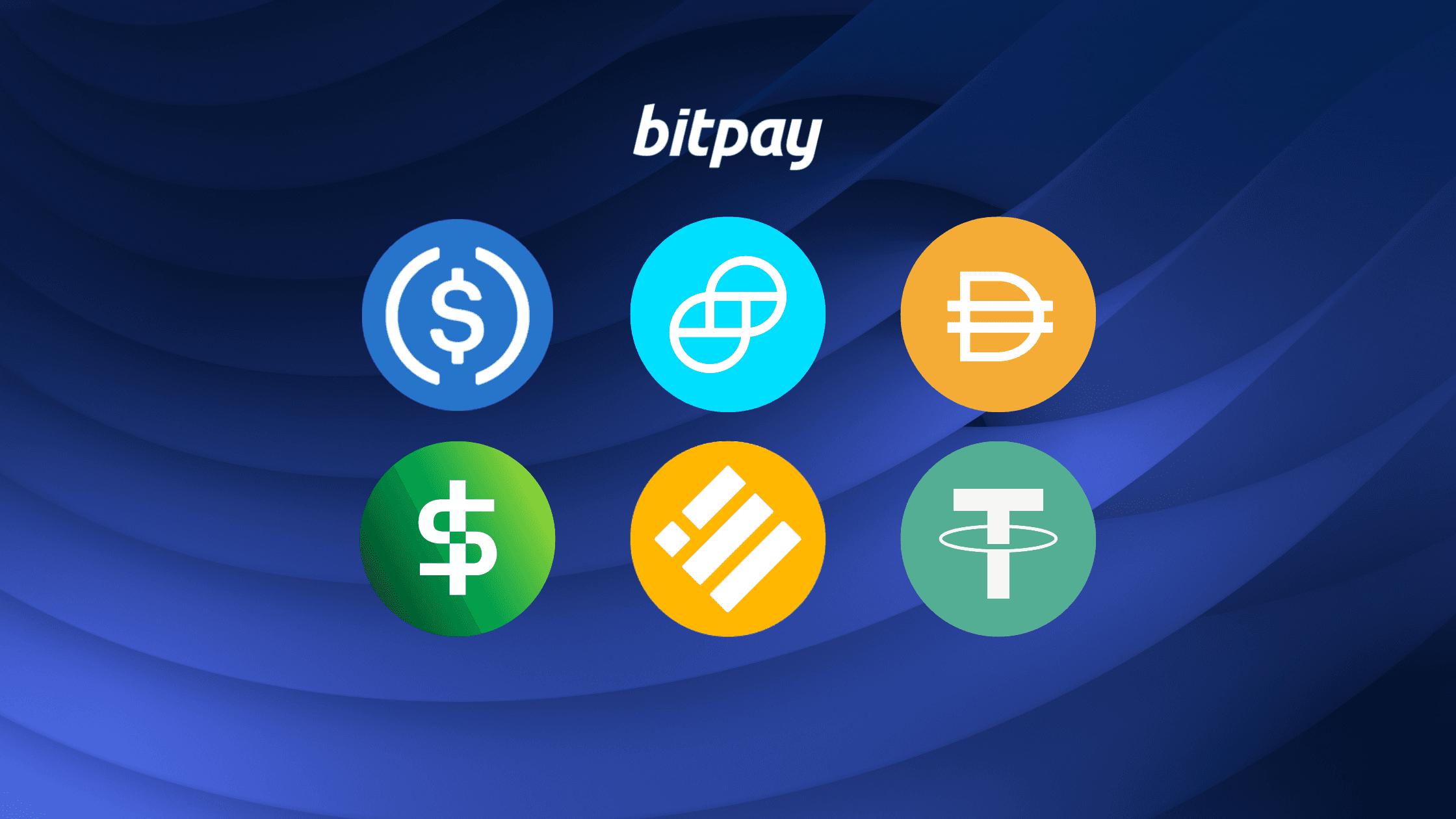
Stablecoin Stability: Mitigate volatility using USDC or similar, ensuring consistent contributor value.
-
Automated Compliance Reporting: Platforms like Riseworks and Toku handle tax reporting in 190+ countries.
-
Attraction of Web3 Talent: Signals innovation, drawing tech-savvy global remote teams (Ogletree).
Regulatory Compliance: Taxation and Labor Law Pitfalls
In the U. S. , IRS rules treat crypto wages as property, requiring W-2 reporting with tax withholdings based on payment-time value. Globally, jurisdictions diverge sharply. Georgia offers favorable tax regimes for web3 payouts, mandating final settlement in GEL, while China bans crypto salaries outright, risking penalties. DAOs must classify contributors correctly – employee versus contractor – to dodge Department of Labor violations.
DAO payroll global teams demands jurisdiction-specific strategies. EOR services like Deel manage contracts and withholdings, but DAOs often prefer lightweight structures. MIDAO’s DAO LLC frameworks provide legal wrappers, yet tax-efficient holding in stablecoins requires ongoing vigilance. Platforms with built-in compliance, such as those handling multi-currency conversions and records, prove indispensable for scalability.
my dms are full of wen, what, how much about @inflynce
my answer: no no no
everyone’s used to hear empty promises, bullshit valuations and $ xxx raised announcements. but i’ve seen how overpromising backfires, what we need is solid products: ship fast, test fast, iterate faster
here’s a quick faq for you all:
did you raise?
– no and honestly, vc money feels like poisoned money rn. they’re slow af, takes 6 months to ask chatgpt if your idea makes sense 😀 vcs failed. we’re in attention capital era. that’s why i’m building inflynce.
team?
– me + co-founder & cto jie + “the intern” (she’s anon, famous on twitter but not on farcaster, she asked to stay anon, i fully respect). if post’s funny, it’s her. if it’s boring, it’s me
who pays you?
– me. i am co-founder of a venture builder studio called lume labs (announcing soon) which we ship amazing products and events. also i consult various projects to pay bills + fund inflynce. neither me nor jie takes a salary, we believe in @base.base.eth ecosystem, farcaster and what we’re building. i know bootstrapping very well. in the past, i worked 6 months for free to get into web3. it’s not easy, it’s not for everyone.
roadmap?
– shipped quests (adding more soon)
– hub improvements
– mindshare algo v1.3
– project mindshare v1
– more planned notifications
current revenue?
– me 😀 genesis NFT sales + weekly tips from users + developer rewards + daily buy ip tasks ($0.10/day from our lovely contributors) + 10% protocol fee from hub payments and yes, we distribute more than we earn for now
we’re building rails 🟠
Operational Hurdles in Cross-Border Payroll DAOs
Volatility persists even with stablecoins during peg events, eroding payout value. Contributors in unbanked regions struggle converting crypto to local fiat, amplifying inequality. High gas fees and manual transfers plague on-chain payouts until layer-2 solutions mature.
TransFi case studies show DAOs streamlining via stablecoin disbursements, cutting costs over traditional wires. Yet, ensuring minimum wage equivalents in local currencies adds complexity. Multi-currency payroll solutions from Native Teams align with labor requirements, but DAOs need integrated rails for invoicing, payments, and audits. As bonds and commodities teach us in value investing, resilience stems from diversified, compliant systems that withstand cycles.
Neglecting these frictions risks contributor churn and legal exposure. Tailored platforms revolutionize web3 contributor payroll by automating conversions and compliance, fostering sustainable growth.
Explore overseas crypto payroll compliance strategies.
Platforms like Payroll Rails address these pain points head-on, offering seamless multi-currency DAO payments with instant conversions and automated tax compliance tailored for DAOs. This isn’t just about speed; it’s about building resilient systems that mirror the value investing principles I advocate – enduring through economic cycles without unnecessary exposure.
Navigating Jurisdictional Nuances for DAO Payroll Global Teams
Global dispersion amplifies risks, but targeted strategies turn obstacles into advantages. In favorable hubs like Georgia, DAOs settle payouts in local fiat equivalents after stablecoin transfers, minimizing tax burdens while staying compliant. Restrictive areas demand EOR proxies or contractor models to sidestep outright bans. I’ve seen DAOs thrive by segmenting teams: core U. S. payroll via stablecoin platforms like Franklin for W-2 accuracy, international contributors through hybrid tools from Rise or Toku that handle KYC in 190 countries.
Yet, privacy emerges as a stealth challenge. Public blockchains expose wallet addresses and transaction amounts, inviting scrutiny or doxxing risks for high-profile contributors. Confidential payroll solutions preserve anonymity without sacrificing audit trails, ensuring salaries and wallets remain shielded during cross-border payroll DAOs.
Discover confidential payroll for DAOs.
Comparison of Top Crypto Payroll Platforms for DAOs
| Platform | Features | Countries | Compliance Tools |
|---|---|---|---|
| Payroll Rails | Multi-currency support 🌍💰, DAO tax compliance 🔒✅ | Global (multi-currency) | Automated DAO tax reporting 📊🔒 |
| Rise | Crypto/fiat payments, KYC, workforce onboarding 🚀 | 190+ countries 🌍 | Built-in compliance, tax reporting, KYC ✅📋 |
| Toku | Payments in USDC, BTC, ETH 💎⛓️ | Global teams 🌐 | Legal compliance, efficient processing ⚖️✅ |
| Franklin | Stablecoin payroll, U.S./global contractors 💵🌍 | U.S. & Global | Compliant records for stablecoin era 📈🔒 |
Practical Steps: Best Practices for Web3 Contributor Payroll
From my two decades tracking commodities and bonds, the lesson is clear: anticipate volatility and diversify compliance. DAOs should prioritize platforms with real-time fair market value snapshots, automated withholding calculators, and jurisdiction-specific templates. Mass payout tools from CoinsPaid excel for grants, but integrate them with invoicing rails for full records.
Layer in technological safeguards: use layer-2 for low-fee disbursements, stablecoins pegged 1: 1 to fiat, and smart contract escrows for disputes. Regular audits and contributor dashboards build trust, reducing churn in distributed teams.
These steps compound over time, much like stablecoin holdings in a DAO treasury – steady accumulation amid market noise.
Future-Proofing with Specialized Rails
Looking ahead to 2026 and beyond, DAO tax compliance 2026 evolves with AI-driven tax agents and blockchain oracles for instant valuations. Platforms like Payroll Rails pioneer this, embedding multi-currency support directly into DAO governance tools. No more manual spreadsheets or wire delays; instead, on-demand payouts in any currency, with compliance baked in.
Web3 communities benefit most when payroll scales effortlessly. Ogletree notes crypto options draw elite talent, but only if risks are managed. Native Teams’ multi-currency emphasis underscores alignment with local laws, a non-negotiable for growth.
Distributed teams flourish under such infrastructure. By choosing rails that automate the mundane – conversions, filings, audits – DAOs redirect energy to innovation. This shift not only mitigates headaches but positions organizations for the decentralized economy’s next phase, where value flows as freely as ideas across borders.