
In 2026, DAOs are the beating heart of web3 governance, powering decisions that shape billion-dollar treasuries. But paying global governance contributors? That's where the real chaos hits. Picture this: a contributor in Tokyo votes on a proposal at 2 AM, earns tokens for their insight, and expects instant payout in their local currency. Instead, they battle delayed wires, tax nightmares, and compliance black holes. DAO payroll solutions must conquer these hurdles to keep contributors motivated and treasuries intact.
Traditional payroll rails crumble under the weight of decentralized teams spread across 100 and countries. Banks charge steep fees for cross-border transfers, while legacy systems can't handle volatile crypto or stablecoins like USDC. Enter the multi-currency DAO payments revolution, fueled by platforms automating conversions and tax withholding at lightning speed.
The Exploding EOR vs DAO Payroll Clash
DAOs lack legal personality, forcing many to lean on Employer of Record (EOR) services for compliance. But EORs? They're clunky dinosaurs in a stablecoin world. INS Global nails it: EORs handle contracts and taxes, yet DAOs crave operational freedom. Crypto EORs from Gloroots bridge this gap, acting as legal employers while DAOs retain control over governance compensation.
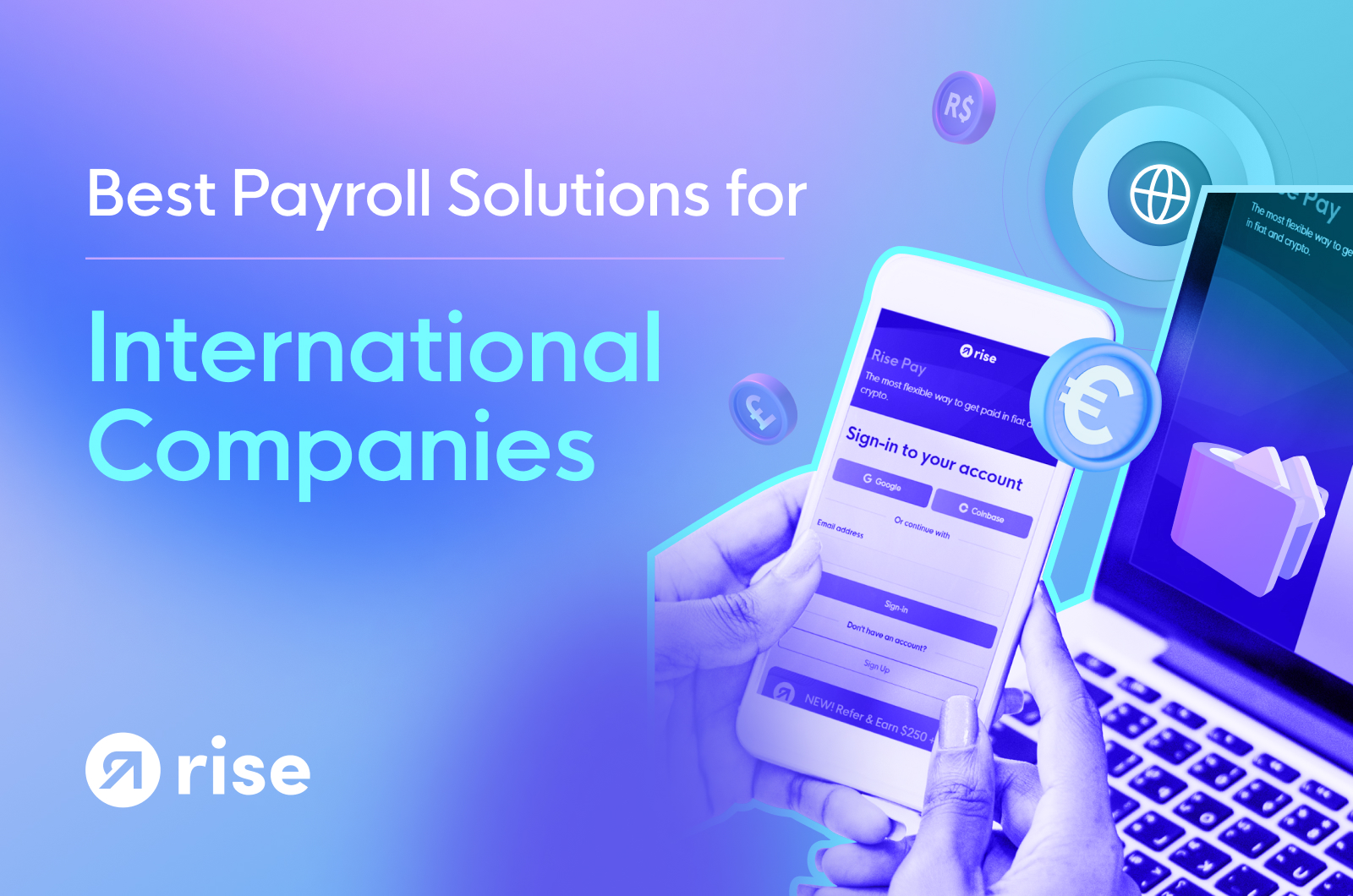
Riseworks highlights how top auto payroll systems now support multiple payout rails - not just banks, but stablecoins and local wallets. This shift slashes settlement times to under 2 minutes, per recent TransFi case studies, dropping fees from 6% to under $5 per transaction. Bold DAOs aren't waiting; they're building web3 payroll compliance 2026 into their core.
EOR vs. DAO Payroll: 5 Key Differences
- Legal Entity Provision: EOR acts as the legal employer (e.g., Gloroots Crypto EOR), handling contracts, taxes & compliance. DAO Native lacks legal personality, needing wrappers for global hires.
- Cost Efficiency: EOR incurs higher traditional fees (6%+). DAO Native uses stablecoins like USDC via TransFi, slashing to under $5 per transaction.
- Speed of Payouts: EOR relies on slow bank rails. DAO Native settles in under 2 minutes with platforms like Toku for USDC/BTC/ETH.

- Crypto Integration: EOR limited to fiat. DAO Native seamless with USDC, BTC, ETH & ZK proofs for private payments (Confidential DAOs).
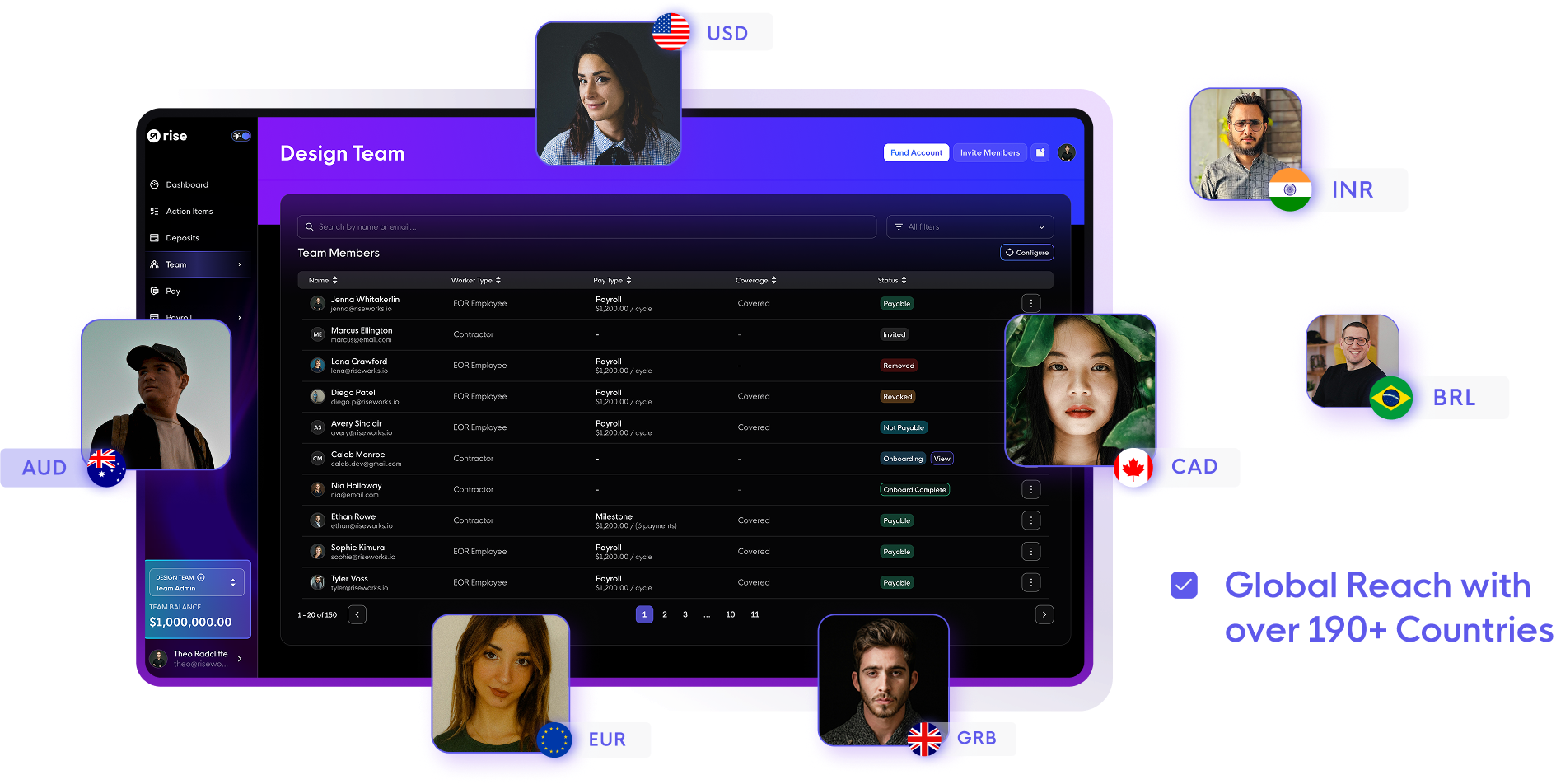
- Contributor Flexibility: EOR structured for employees/contractors. DAO Native enables global freelancers with multi-currency auto-payroll (Riseworks).
Multi-Currency Nightmares Meet Stablecoin Saviors
Paying DAO contributors globally means juggling 150 and currencies, each with unique tax rules. Enterprise Workforce Solutions warns: map your team's locations first, then layer in compliance. But why stop at mapping? Toku's crypto payroll guide proves USDC, BTC, and ETH payouts work legally for global teams, dodging bank delays.
Updated 2026 trends scream automation. Iris Global points to real-time reporting and pay transparency reshaping payroll. Ogletree's crypto payroll analysis adds compliance considerations: treat crypto as property, withhold taxes accordingly. Platforms like Payroll Rails excel here, converting stablecoins instantly while auto-filing forms across jurisdictions.
Web3 rewards the bold and precise - especially when treasuries flow frictionlessly to governance heroes worldwide.
ZK Proofs and Privacy: The Compliance Game-Changer
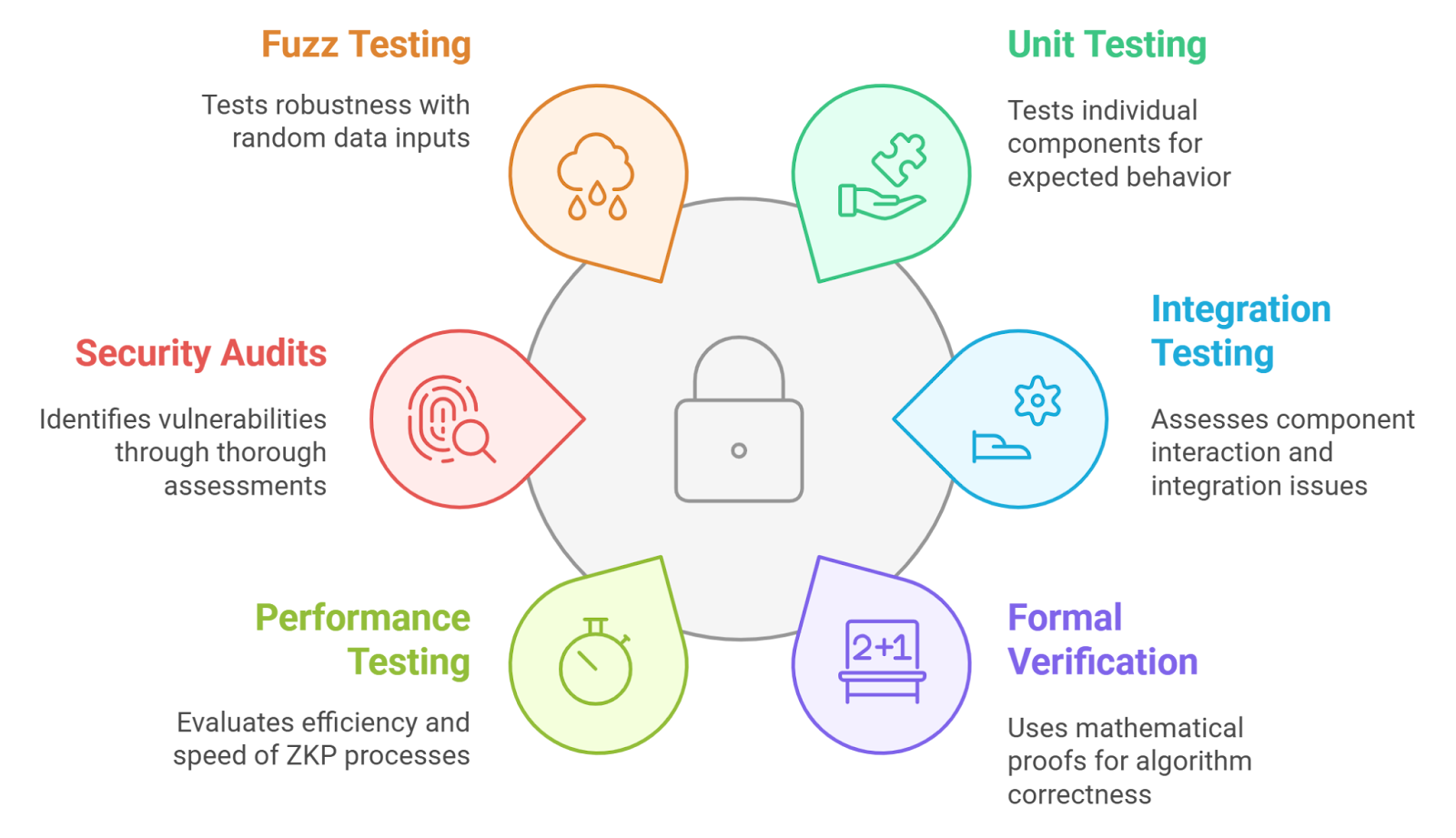
Confidential DAOs are leveraging zero-knowledge proofs for payroll privacy. No more exposing wallets or salaries on public ledgers. ConfidentialDaos. com details how ZK proofs secure payments, letting DAOs process cross-border DAO payouts confidentially. Pair this with TransFi's automation, and you've got treasury management that scales.
EasyStaff optimizes freelancer payroll with multi-currency tools and integrated compliance. Multiplier evolves payroll into a strategic hub, offering workforce insights. Bolto's guide covers social security totalization agreements, preventing double taxation. Yet, for DAOs, automated tax for DAOs via smart contracts is the precision strike.
I've traded crypto aggressively for six years, optimizing DAO token distributions. Trust me: manual payroll kills momentum. Stablecoin systems cut bottlenecks, ensuring contributors in Nairobi or Berlin get paid precisely, on-chain.
Scale that vision with platforms like Payroll Rails, where DAO payroll solutions aren't just tools - they're the rails propelling web3 into hyperdrive. Instant USDC conversions to local fiat mean a Brazilian contributor cashes out BRL without friction, while automated tax engines crunch withholding rates from 50 jurisdictions in seconds. No more spreadsheets haunting DAO treasuries.
Battle-Tested Trends Crushing Payroll Pain in 2026
Global payroll trends for 2026 demand transparency and real-time compliance, as Iris Global forecasts. But DAOs push further: crypto payrolls via Toku deliver USDC, BTC, ETH safely to dispersed teams, sidestepping legacy headaches. Ogletree warns of treating crypto as property for taxes, yet smart platforms embed this logic on-chain. Riseworks elevates auto payroll with multi-rail support - banks, wallets, stablecoins - fueling payouts that settle in minutes, not weeks.
Multiplier reframes payroll as a strategic nerve center, spitting out analytics on contributor retention tied to payout speed. Bolto's guide spotlights totalization agreements dodging double social security hits - critical for paying DAO contributors globally. I've seen DAOs hemorrhage talent over delayed grants; now, with TransFi streamlining cross-border flows, fees plummet below $5 per transaction, settlements under 2 minutes. That's the precision edge web3 demands.
Crypto EOR Hybrids: Freedom Without the Fog
Gloreots' Crypto EOR guide cuts through the haze: DAOs sidestep legal voids by outsourcing employer duties, keeping governance pure. Pair this with ZK proofs from Confidential DAOs, and privacy locks in. Check out this deep dive on confidential payroll - no wallet leaks, no salary spotlights on chain explorers. Payroll Rails amps it up, layering multi-currency compliance atop these primitives for seamless DAO governance compensation.
EasyStaff nails freelancer ops with automation and reporting, but DAOs need more: on-chain verifiability. Picture proposals auto-triggering bounties, vested over epochs, paid in native tokens or stables. That's not hype; it's live in 2026 treasuries optimizing for volume spikes and holder loyalty.
Top 2026 DAO Payroll Features
- Multi-Currency Conversion: Platforms like TransFi enable DAOs to automate USDC-based cross-border payments, slashing fees to under $5 per transaction.

- ZK Privacy: Zero-knowledge proofs secure confidential payments without exposing data, as implemented by Confidential DAOs.
- Auto-Tax Filing: Systems like Riseworks automate global compliance and tax withholding for multi-currency payouts.
- Real-Time Treasury Dashboards: TransFi provides instant insights into DAO treasuries, reducing settlement to under 2 minutes.

- EOR Integrations: Gloroots Crypto EOR handles contracts, taxes, and payroll as legal employer for DAOs.

INS Global dissects the EOR-DAO rift: traditional setups bog down with paperwork, while crypto natives sprint ahead. Enterprise Workforce mandates mapping teams first - solid advice, but layer in AI-driven compliance for the win. As a six-year crypto trader, I've optimized multi-chain distributions under volatility storms; sloppy payroll erodes trust faster than a flash crash.
Forward-thinking DAOs wield these tools to forge unbreakable contributor bonds. Cross-border DAO payouts evolve from Achilles' heel to superpower, with stablecoins slashing costs and ZK shielding ops. Platforms like Payroll Rails don't just comply - they accelerate, turning global governance into a well-oiled machine. Dive in, optimize ruthlessly, and watch your treasury propel the next web3 wave. Web3 rewards the bold and precise; equip your rails accordingly.



No comments yet. Be the first to share your thoughts!