
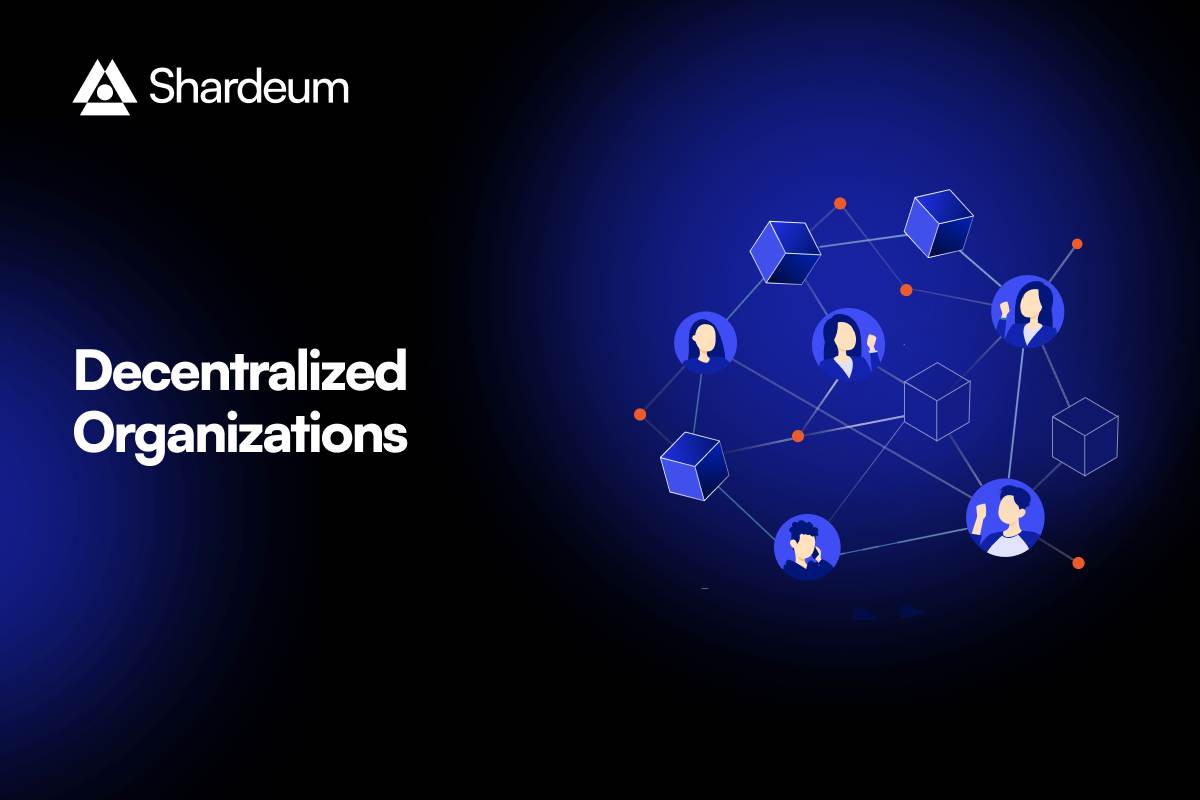
Decentralized Autonomous Organizations (DAOs) power the web3 economy, drawing contributors from every corner of the globe. Yet, as these borderless teams scale, managing multi-currency payouts turns into a logistical nightmare. Fluctuating forex rates, disparate tax regimes, and the absence of traditional employment structures force DAO treasurers to juggle treasury wallets, compliance checklists, and real-time conversions. In 2026, with web3 contributor payments hitting new volumes, the pressure mounts: how do you pay a developer in Tokyo, a marketer in Nairobi, and a strategist in Berlin precisely and legally, all from a single multisig?
Borderless Teams Demand Flexible Payroll Rails
Global team payroll in web3 isn't just about speed; it's about precision amid volatility. Contributors expect payouts in their preferred currency or stablecoin, whether USDC for stability or local fiat for everyday use. Traditional banks falter here, with high fees and slow rails clashing against DAO ethos. Platforms now bridge this gap, automating cross-border payroll for DAOs by integrating treasury management with instant conversions.
Consider the scale: ethnographic studies of 38 DAO workers reveal inconsistent payment schedules and opaque tax handling as top gripes. Without robust DAO payroll solutions, contributors face forex losses or DIY compliance, eroding trust in the collective.
Key DAO Payroll Challenges
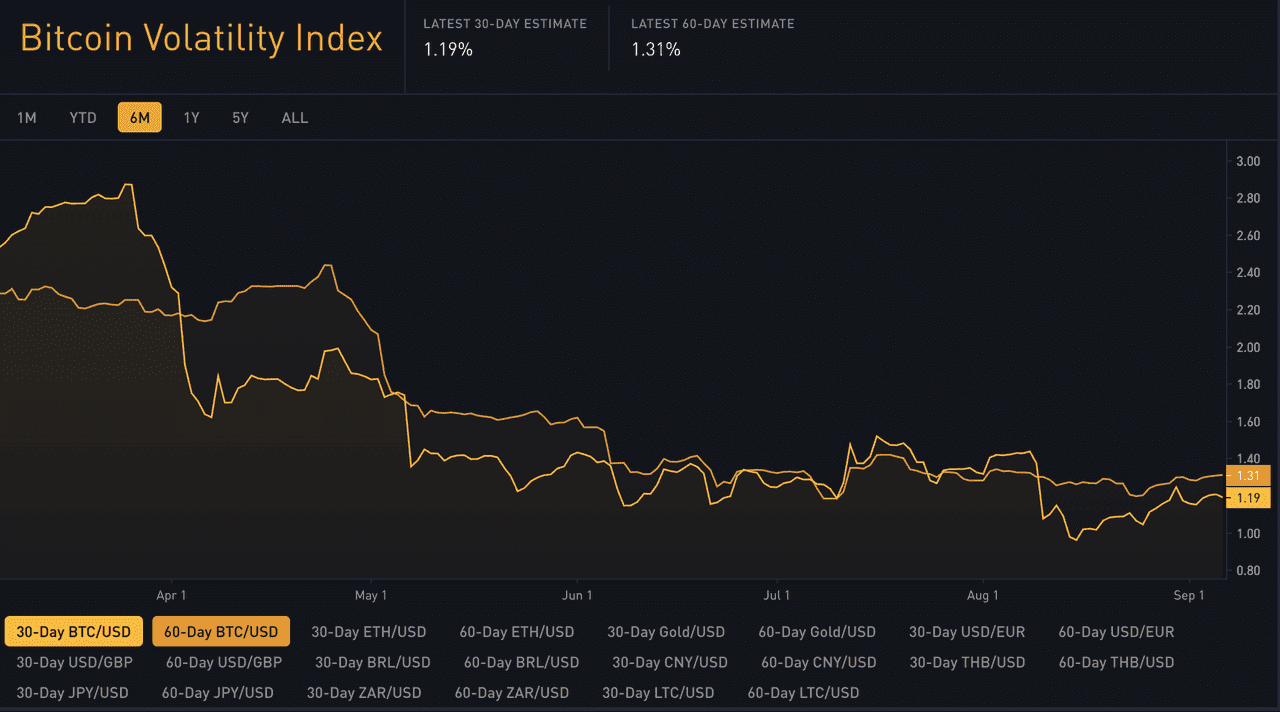
- Forex Volatility: Fluctuations in crypto-fiat exchange rates erode payout values for global contributors.
- Tax Compliance: Varying global tax laws and IRS rules complicate reporting for crypto payouts.

- Payment Delays: On-chain confirmations and banking processes cause lags in multi-currency transfers.
- Lack of Legal Personality: DAOs cannot act as legal employers, requiring EOR for compliance.
- Regulatory Risks: Jurisdiction-specific crypto regs create uncertainty in payouts.

- Operational Complexity: Multi-currency conversions and KYC/AML add layers of friction.
Technical forecasting tools, like those I use for rate predictions, show EUR/USD swings impacting payouts by 2-5% weekly. DAOs need rails that lock rates at proposal time, execute on-chain, and report for audits seamlessly.
Crypto EORs vs Native DAO Payroll: The 2026 Tradeoffs
Enter the EOR versus DAO dilemma. Employer of Record (EOR) services act as legal employers, shouldering contracts, payroll, and taxes since DAOs lack personhood. Crypto EORs like those from Gloroots or Rise layer compliance over treasury payouts, letting DAOs focus on governance. Native approaches pay direct from wallets, but compliance remains a local obligation - platforms streamline mechanics, not policy.
In practice, hybrid models win. Rise's tooling adds reporting layers to wallet payouts, supporting USDC, USDT, or fiat. Yet, risks loom: crypto payroll efficiencies tempt, but tax traps and operational snags, per Ogletree, demand vigilance. IRS scrutiny on stablecoins sharpens in 2026, pushing payroll teams toward transparent, real-time reporting.
Opinion: Pure DAO payroll suits small, aligned crews; scaling demands EOR crutches. Georgia emerges as a haven, with low-tax entities processing crypto payouts legally, issuing records contributors crave.
Stablecoin and Hybrid Payouts Reshape the Landscape
Stablecoin payroll gains traction, sidestepping forex woes. Toku pays in USDC across 100 and countries, automating tax workflows for hybrid crypto-fiat exits. Workers pick per cycle - stablecoins for hodlers, fiat for spenders. Sablier's on-chain streams from Safe multisigs enable real-time vesting, no CFO required.
Deel's MoonPay tie-up rolls out stablecoin paychecks to UK/EU wallets this March, eyeing US expansion. These tools handle multi-currency DAO payouts natively, converting treasury ETH or tokens to local currencies instantly.
Pros and Cons of Crypto EORs for DAO Compliance in 2026
| Aspect | Pros | Cons |
|---|---|---|
| Legal Compliance | ✅ Acts as legal employer, handling contracts, taxes, and compliance for DAOs without legal personality (e.g., Gloroots, Toku) | ❌ Evolving regulations like IRS stablecoin rules pose ongoing risks (Thomson Reuters); local compliance obligations remain (Crypto Adventure) |
| Payroll Flexibility | ✅ Enables hybrid payouts in stablecoins (USDC/USDT), local fiat, or crypto across 100+ countries; worker choice per cycle (Rise, Toku, Deel-MoonPay) | ❌ Potential service fees for conversions and payouts; phased rollouts (e.g., Deel UK/EU in March 2026) |
| Operational Efficiency | ✅ Automates payroll streams, onboarding, reporting, and real-time payments from multisig wallets (Sablier, Rise) | ❌ Introduces dependency on centralized EOR platforms, reducing full DAO decentralization |
| Global Operations | ✅ Supports borderless teams with compliant payments and official records (e.g., Georgia entities for low-tax crypto payouts) | ❌ Counterparty risk with EOR providers; tax/regulatory risks for distributed teams (Ogletree) |
| Cost and Transparency | ✅ Streamlines multi-currency conversions, invoicing, and real-time reporting for 2026 trends (irisglobal.com) | ❌ Higher costs vs. direct treasury payouts; compliance layers add overhead (Riseworks, INS Global) |
For treasurers, the math is clear: manual conversions bleed 1-3% in fees and slippage. Automated rails forecast rates via APIs, execute at optimal windows, and log for KYC. Global trends toward pay transparency amplify this - 2026 mandates real-time payroll data, which web3 infra now delivers.
Rise stands out among DAO payroll solutions, blending treasury wallet payouts with compliance layers. Contributors select USDC, USDT, or local fiat each cycle, dodging conversion pitfalls. Toku mirrors this, targeting 100 and countries with automated tax withholding baked in. Sablier pushes boundaries further: on-chain streams vest payments linearly from multisigs, ideal for milestone-based web3 contributor payments.
Technical Tools for Forex-Resilient Payouts
From my nine years forecasting rates for borderless teams, one truth holds: volatility kills unprepared DAOs. APIs from Chainlink oracles feed real-time feeds into payroll rails, locking EUR/JPY or USD/NGN at governance vote time. Execute via smart contracts when treasury aligns, minimizing slippage to under 0.5%. Georgia's low-tax setup adds appeal - form a local entity, route crypto through compliant processors, and issue W-2 equivalents without IRS headaches.
Hybrid models dominate because pure crypto falters on spendability. Workers in high-inflation zones crave fiat; hodlers want stablecoins. Platforms forecast via technical indicators - RSI divergences signal entry windows, while Bollinger Bands flag compression before breakouts. I run these daily: a 2% EUR swing last week cost one DAO $15K on a $750K payroll run.
Comparison of 2026 DAO Payroll Platforms
| Platform | Features | Compliance | Currencies | Fees |
|---|---|---|---|---|
| Rise | Crypto/fiat hybrid payouts, global onboarding, 100+ countries | Automated compliance & reporting, tax handling | Local fiat, USDC/USDT, other crypto | Not specified |
| Toku | Stablecoin payroll, instant global payments, tax automation | Tax/labor compliance workflows, 100+ countries | USDC (focus), BTC, ETH, fiat | Not specified |
| Sablier | On-chain payroll streams from Safe multisig wallets | On-chain transparency; limited fiat compliance | On-chain crypto (ETH, ERC20 tokens) | Gas fees |
| Deel & MoonPay | Stablecoin salary payouts via partnership | Global HR/payroll compliance (UK/EU focus) | Stablecoins, fiat (UK/EU, expanding) | Not specified |
| Georgia Entities | Low-tax legal wrappers for crypto payroll | Clear rules, low rates, official employment records | Crypto, fiat for global teams | Low tax rates (varies) |
These rails don't just pay; they audit. Immutable logs on Polygon or Optimism satisfy regulators demanding transparency. Ogletree's warnings ring true - operational risks like wallet hacks or misreported income persist - but multisig integrations and insured custodians mitigate them.
Contributor-Centric Cross-Border Payroll DAOs
Workers' inquiries expose the human side: 38 DAO contributors cited delayed payouts and tax confusion as morale killers. Robust global team payroll web3 flips this. Onboard via KYC-optional portals, propose in Snapshot, approve via multisig, pay instantly. No more Excel sheets tracking conversions or VAT nuances across 50 jurisdictions.
Sablier's Safe integration exemplifies elegance - one wallet governs treasury, payroll, and ops. Stream $5K/month to a Nairobi dev in USDC, converting to KES on-demand via integrated ramps. Deel's March rollout extends this to salaries, not just gigs, blurring contractor-employee lines.
Overlooked: vesting cliffs protect DAOs from early exits, while contributors gain predictable income. Pair with prediction tools - my models project stablecoin dominance by Q4 2026, as IRS rules clarify reporting. Platforms auto-generate 1099s from on-chain data, slashing accountant fees 70%.
Scale hits differently. A 50-member DAO bleeds on manual rails; at 500, it's chaos. Automated tax compliance DAOs thrive here, with AI flagging residency changes or FATCA triggers. Georgia shines for EU-adjacent ops - 1% tax on crypto income, full employment docs, no substance rules.

Pushback exists: purists decry centralization in EORs. Fair, but native tools mature fast. Rise's reporting layers evolve weekly, per their updates. Toku's workflows handle Portuguese NHR regimes or Estonian e-residency quirks seamlessly.
Bottom line for treasurers: benchmark your stack. If fees exceed 1%, swap. Forecast with technicals - MACD crossovers predict USD weakness, cueing JPY payouts. These aren't hacks; they're engineering for the decentralized grind. Web3 payroll rails, tuned right, turn global friction into velocity, keeping contributors locked in as DAOs conquer 2026.




No comments yet. Be the first to share your thoughts!