
Cross-Border Payroll Challenges for Remote DAO Members Solved

Decentralized autonomous organizations (DAOs) empower global contributors to collaborate without borders, yet compensating remote DAO members triggers a cascade of technical hurdles in cross-border payroll. Volatile forex rates erode payout value, disparate tax regimes demand precise withholding calculations, and legacy banking rails introduce delays that frustrate web3-native teams. Platforms like Payroll Rails tackle these issues head-on with instant multi-currency conversions and automated compliance engines, ensuring DAO international payouts land accurately every time.

Unpacking Forex Volatility in Remote DAO Member Payments
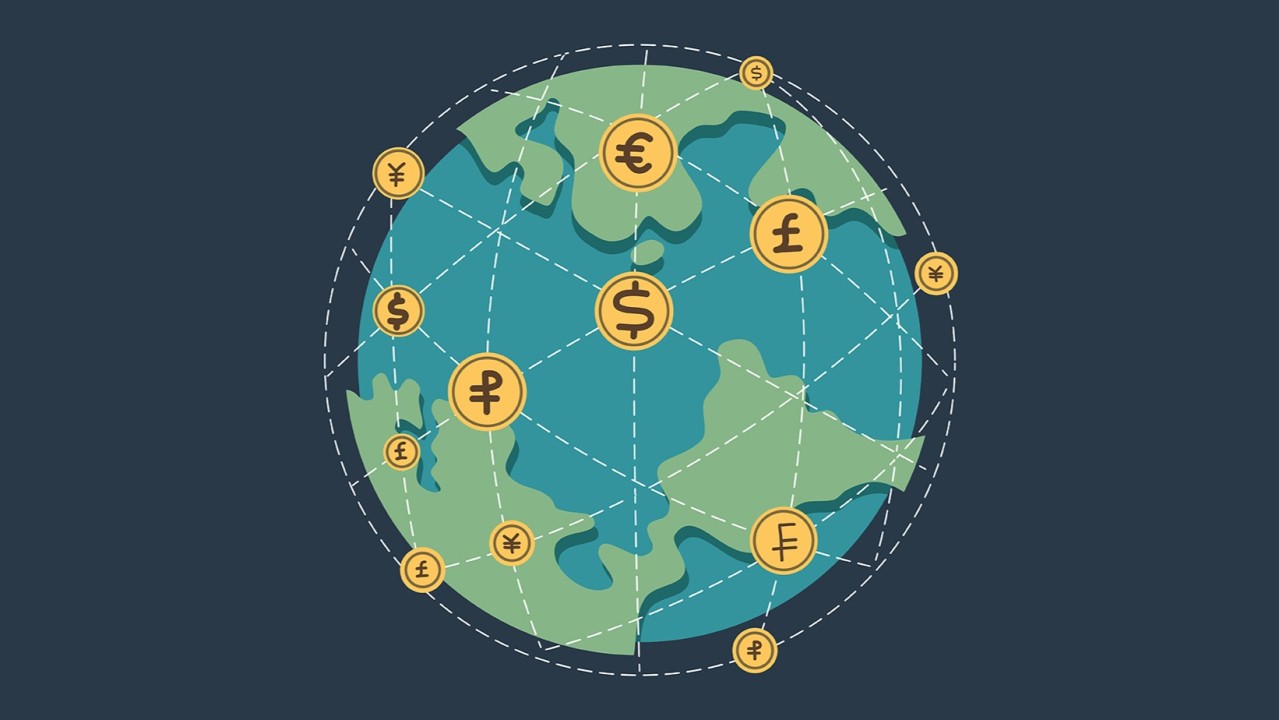
Forex fluctuations hit DAO treasuries hard. A contributor in Argentina expects stable USDC value, but traditional wires expose payouts to real-time rate swings between USD and ARS. In 2026, with platforms supporting 90 and currencies like Rise and Monetum, the focus shifts to real-time hedging tools. Payroll Rails integrates live forex APIs for predictive conversions, locking rates at payout initiation to shield against intraday drops. This technical layer means a $5,000 monthly stipend maintains parity regardless of market noise.
Consider a DAO with members in 20 jurisdictions: manual Excel tracking fails under exchange rate variance. Automated systems parse contributor locations via IP geofencing or self-reported data, applying jurisdiction-specific multipliers. Without this, overpayments or shortfalls trigger disputes, eroding trust in decentralized governance.
Key Forex Challenges for DAO Payroll
-
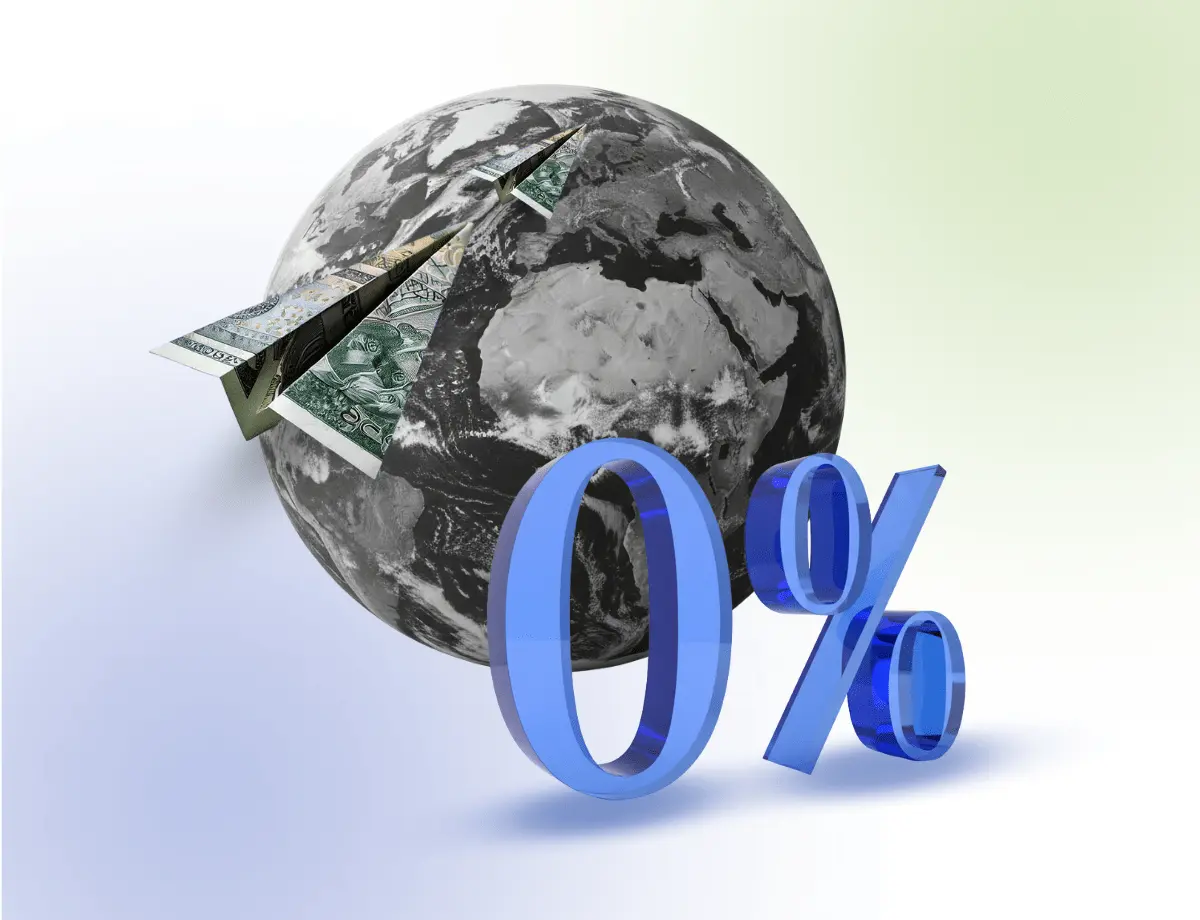
High conversion fees consuming 3-7% of payouts in traditional forex processes.
-
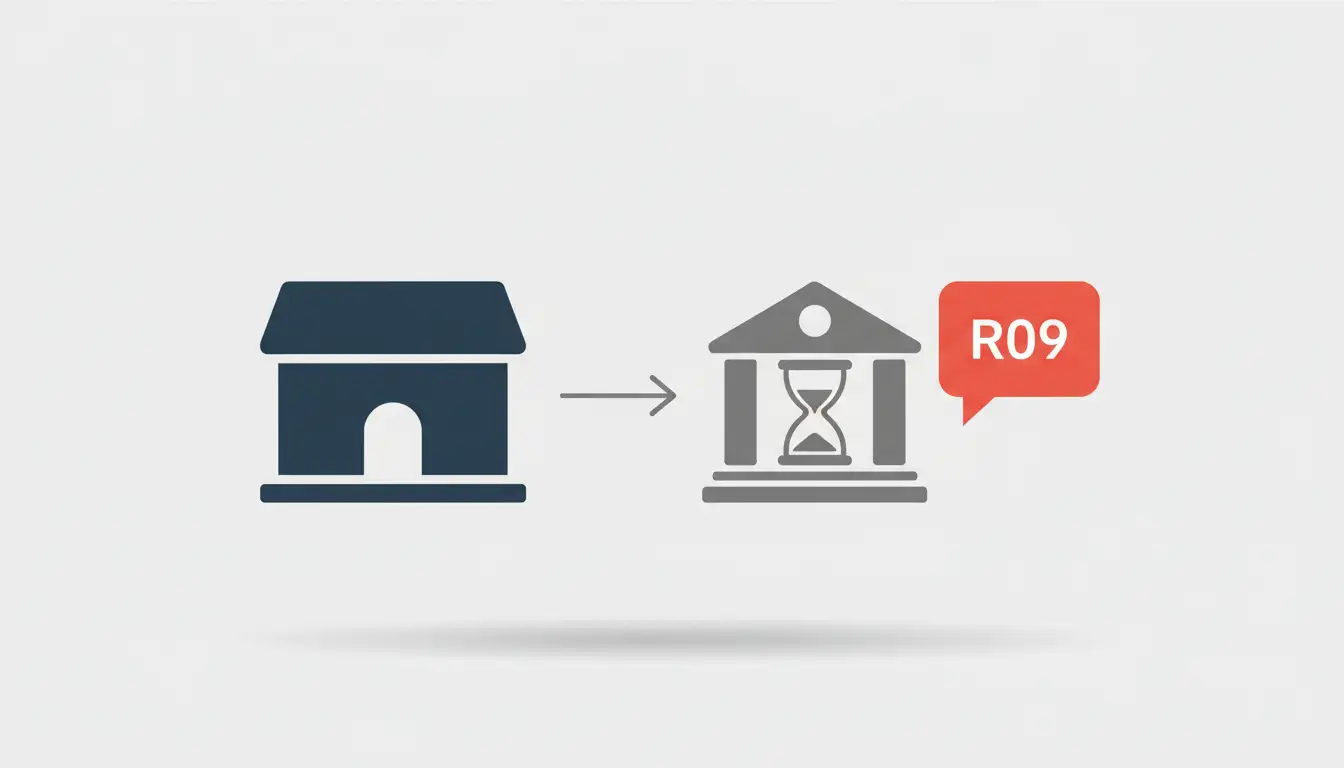
Delayed settlements that amplify exposure to currency volatility risks.
-

Lack of transparency in intermediary banks obscuring transaction paths.
-
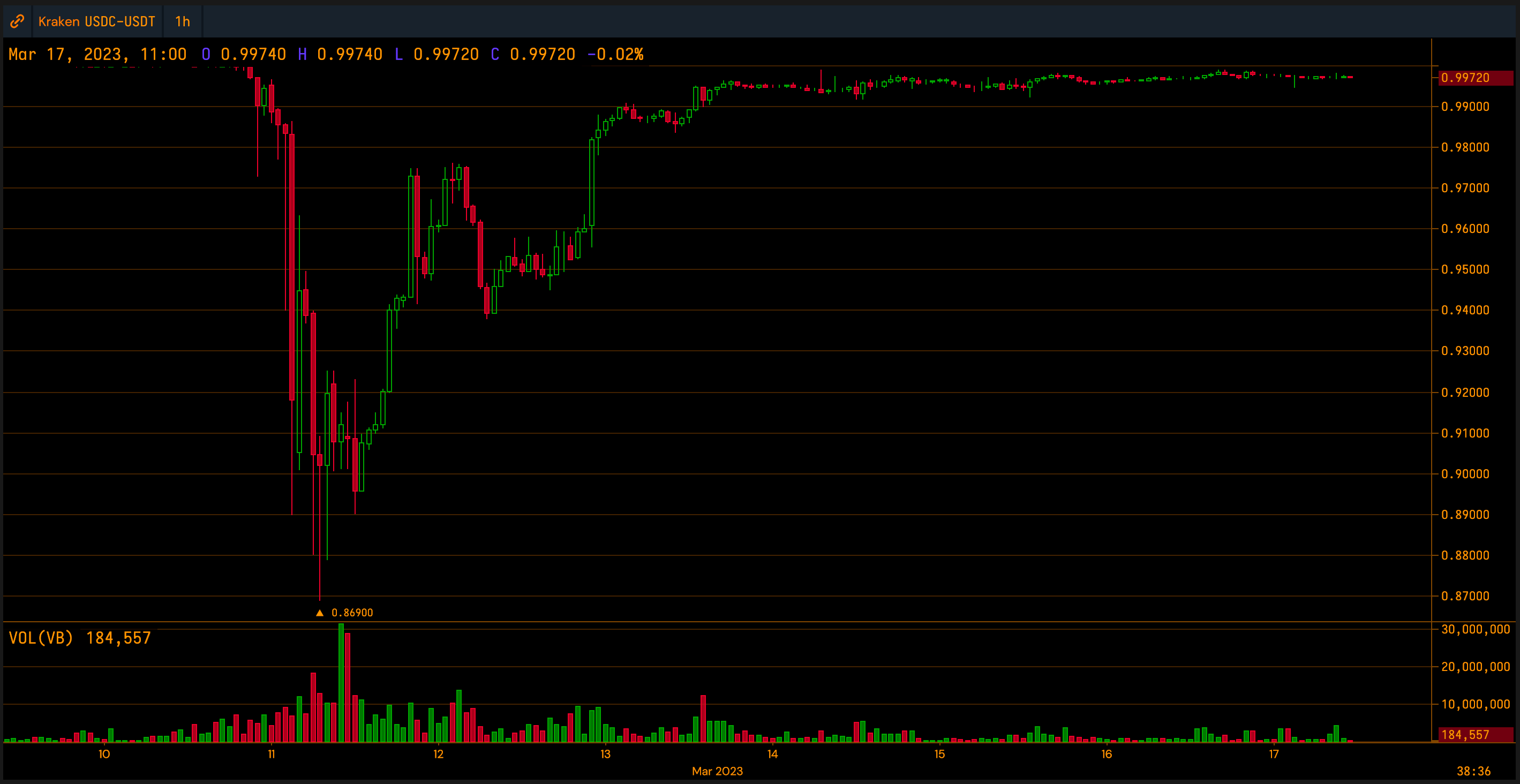
Mismatched stablecoin pegs during depegs causing value discrepancies.
-
Regulatory caps on inbound transfers limiting payout sizes.
Navigating Tax Withholding Across Global Team Payroll Solutions
Tax compliance forms the backbone of web3 cross-border compliance. U. S. -based DAOs face IRS scrutiny on token distributions treated as property, while EU contributors demand VAT handling under evolving MiCA rules. Sources like BPM highlight U. S. tax pitfalls for DAOs, from formation to operations, underscoring the need for automated 1099 generation and local withholding.
Contractor misclassification plagues remote teams. Platforms such as Toku and UKG emphasize distinguishing employees from independents to avoid penalties. Payroll Rails deploys AI classifiers analyzing contribution patterns, contracts, and hours logged on-chain, auto-generating compliant forms for 190 and countries. This preempts audits, as seen in KonexusHub’s warnings on withholding variances.

Stablecoins as the Backbone of Compliant DAO Payroll Rails
Stablecoins like USDC and USDT redefine global team payroll solutions by enabling instant, borderless transfers sans banking friction. The updated 2026 context reveals DAOs adopting these for transparency and audit trails on public ledgers. Toku automates crypto payroll in USDC, BTC, and ETH, sidestepping traditional headaches outlined in OneSafe’s analysis.
TransFi complements this with multi-chain support, bridging Ethereum to Solana for low-fee executions. Payroll Rails layers forex intelligence atop stablecoin rails, forecasting rates amid regulatory shifts. For a DAO treasury in ETH, conversion to fiat-pegged stables occurs pre-payout, with tax engines deducting jurisdiction-specific rates. This hybrid model, echoed in Monetum’s tools, delivers payouts in 24 hours versus weeks, cutting costs by 80%.
Technical implementation involves smart contract triggers: on proposal approval, funds escrow in a multi-sig wallet, convert via DEX aggregators, and disburse post-KYC verification. Compliance logs every step for BPM-style tax reporting, turning regulatory burdens into verifiable on-chain proofs.
Smart contracts enforce payout schedules tied to milestone completions, verified via oracle feeds or on-chain attestations. This setup minimizes disputes, as every remote DAO member payments transaction carries immutable proof of delivery and value received.
Platform Showdown: Top Tools for Cross-Border DAO Payroll
Rise leads with coverage in 190 and countries and 90 and currencies, automating identity checks and tax forms, but lacks deep web3 integration. Toku shines in token payouts, handling USDC, BTC, and ETH compliantly per their 2025 guide, yet fiat conversions add friction. Monetum’s hybrid crypto-euro rails speed SEPA transfers, while TransFi’s multi-chain bridges cut fees across Ethereum and Solana. Payroll Rails pulls ahead by fusing forex forecasting with stablecoin execution, supporting DAO treasuries directly from multisig approvals.
Comparison of DAO Payroll Platforms for Cross-Border Payments
| Platform | Countries Supported | Currencies | Key Features | Cost Savings Estimate |
|---|---|---|---|---|
| Rise | 190+ | 90+ local currencies | Compliance automation ✅, Identity & tax docs, Forex tools 🔄 | 25-40% on processing & compliance |
| Toku | Global (100+ Web3) | Crypto (USDC, BTC, ETH), Fiat | Compliance automation ✅, Crypto support ✅, Token payroll | Up to 60% via stablecoins & no banks |
| Monetum | Global Web3 | Stablecoins, Euros (SEPA) | Hybrid payroll ✅, Compliance automation ✅, Crypto support ✅ | 50% cheaper & faster transfers |
| Payroll Rails | 170+ | Multi-currency, Crypto integration | Compliance automation ✅, Crypto support ✅, Forex tools 🔄 | 30-50% on cross-border payments |
These tools address core pain points, but integration depth varies. DAOs juggling on-chain votes and off-chain obligations need platforms that sync both worlds seamlessly, avoiding the silos that plague legacy EOR services.
Real-World Wins: DAOs Scaling Global Payouts
Take a mid-sized DAO with 50 contributors across LATAM, Europe, and Asia. Pre-Payroll Rails, they battled 5% forex losses and manual tax filings, delaying cycles by 30 days. Post-implementation, instant USDC conversions locked rates, AI tax engines filed localized forms, and payouts hit wallets in under 48 hours. Contributors reported 95% satisfaction, with treasury efficiency up 40% thanks to predictive rate tools.
Another case: a web3 collective hit EU MiCA hurdles. Traditional banks froze transfers over unclear VAT sourcing. Switching to stablecoin rails with embedded compliance bypassed this, auto-applying 21% Dutch withholding while logging for IRS 1099s. Such outcomes prove global team payroll solutions must prioritize technical foresight over blunt automation.
Regulatory agility defines winners. As BPM notes on DAO tax traps, proactive platforms forecast shifts like U. S. token classification changes, adjusting withholding in real-time. Ignoring this invites IRS liens or EU fines exceeding 4% of global revenue.
Best Practices for Bulletproof Web3 Cross-Border Compliance
Start with contributor onboarding: mandate KYC via on-chain passports, geolocate via wallet metadata, and classify via contribution velocity. Embed forex hedges using options protocols like Lyra, capping exposure at 1% per payout. For taxes, run quarterly simulations across jurisdictions, prioritizing high-risk zones like Brazil’s 27.5% IRRF or India’s 20% TDS on crypto.
Leverage oracles for rate feeds, Chainlink preferred for sub-second accuracy. Audit trails? Snapshot every escrow event to IPFS, queryable via The Graph. Scale by token-gating access: only vested members trigger payouts, aligning incentives with governance.
These steps transform payroll from liability to asset. DAOs that nail this foster loyalty, drawing top talent undeterred by borders.
Payroll Rails stands out in this crowded field, blending nine years of forex expertise with web3 rails. Its engines forecast amid volatility, convert instantly, and comply globally, making DAO international payouts as straightforward as a Snapshot vote. Remote teams thrive when payments match their borderless ambition, free from legacy drags. Forward-thinking DAOs adopt these now, positioning for the decentralized economy’s next phase.