
Private DAO Payroll Solutions: Shielding Contributor Salaries from Public Blockchains in 2026

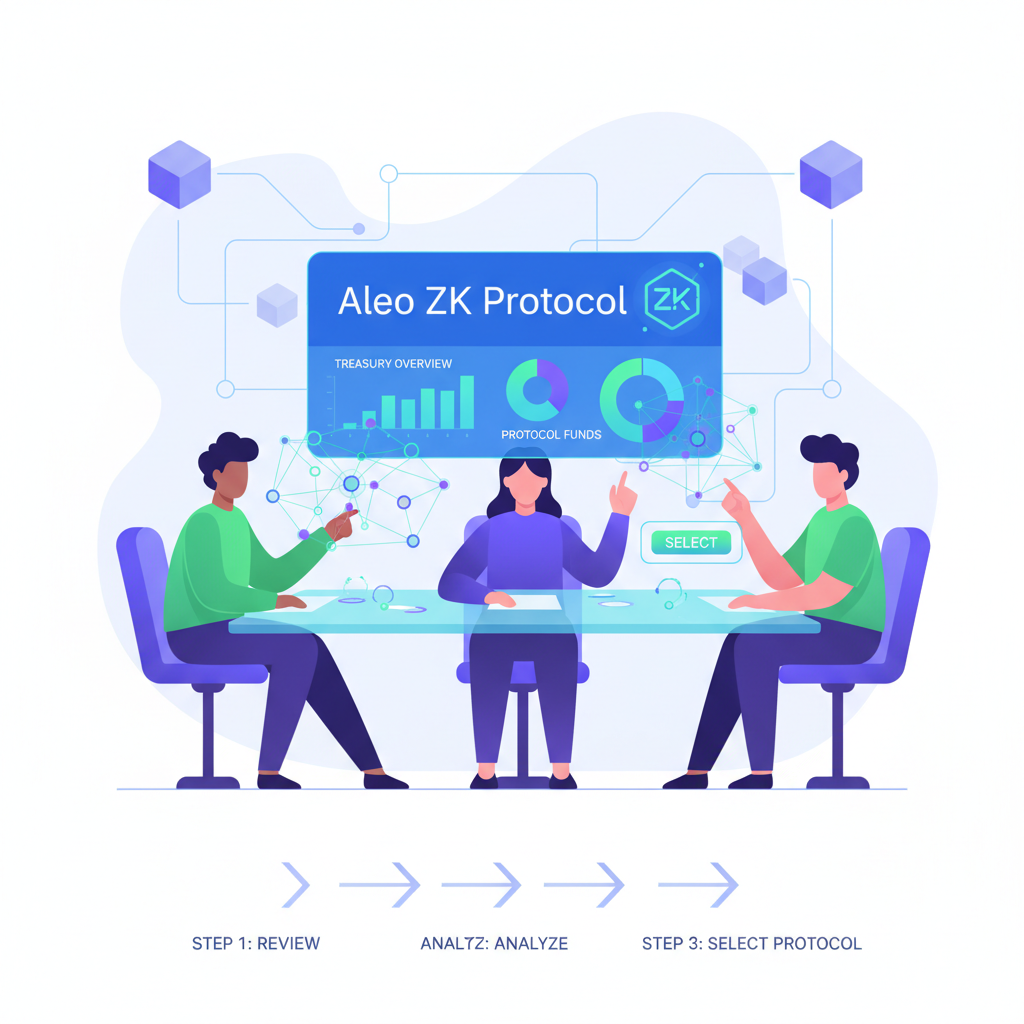
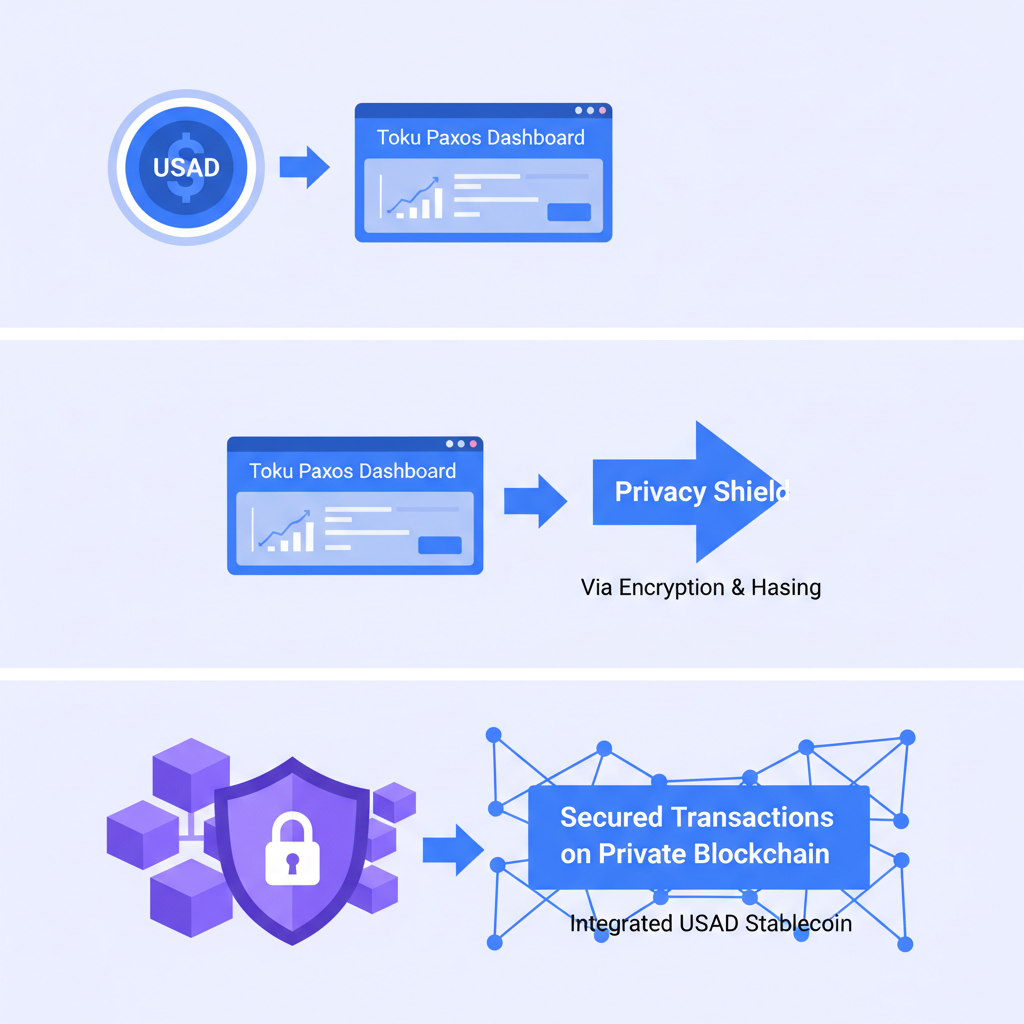
In 2026, decentralized autonomous organizations face a stark reality: their growth hinges on attracting top global talent, yet public blockchains expose every DAO contributor payout to the world. Salaries, bonuses, and grants appear as transparent on-chain transactions, inviting scrutiny from competitors, hackers, and regulators alike. This vulnerability stifles enterprise adoption and erodes contributor trust. Enter private DAO payroll solutions, which promise onchain payroll shielding without sacrificing verifiability. A prime example is the recent Aleo, Toku, and Paxos Labs collaboration, launching a private stablecoin payroll system powered by zero-knowledge proofs. Enterprises can now pay teams in USAD, a stablecoin backed 1: 1 by regulated USDG, keeping details confidential while ensuring compliance.

This shift addresses a core tension in web3 payroll: balancing treasury transparency with individual private DAO salaries. DAOs like Lido have pioneered commitment layers, anchoring hashed proofs on-chain to verify payouts without revealing amounts or recipients. As confidential payroll tools mature, they decouple organizational accountability from personal exposure, fostering scalable growth.
The Exposure Trap: Why Public Payrolls Undermine DAOs
Public blockchains excel at immutability, but this strength becomes a liability for DAO payroll privacy. Imagine a contributor’s wallet lighting up with a $50,000 monthly stipend, visible to anyone scanning Etherscan. Competitors poach talent by undercutting offers; adversaries target high earners with phishing; even tax authorities demand disclosures prematurely. In 2026, with DAOs managing billions in treasuries, such visibility amplifies risks. Tornado Cash’s downfall highlighted regulatory backlash against unchecked privacy, yet its zk-proof model proved essential for concealing sender-receiver links.
Shielded pools, as discussed in Ethereum Magicians forums, offer a countermeasure. They bundle transactions into privacy layers, verifying validity via zero-knowledge without exposing details. Railgun and Umbra extend this to EVM chains, enabling DeFi interactions alongside shielded transfers. Balanced against gas costs and proof generation, these tools strike a pragmatic chord: privacy as a moat, not a rug pull.
Zero-Knowledge Tech: Forging Compliant Privacy Rails
Zero-knowledge proofs (ZKPs) form the backbone of modern blockchain payroll privacy 2026. zk-SNARKs, pioneered by Zcash, let users prove transaction correctness without data leakage. NOCtura on Solana verifies transfers sans sender, receiver, or amount details, targeting compliance-ready privacy. Aztec and RAILGUN bring this to Ethereum, supporting shielded DeFi and payroll alike.
Selective disclosure refines the approach, as Ethereum Research notes. DAOs reveal proofs to auditors while shielding salaries, blending privacy with accountability. Lido’s Proof Crater commits to treasuries publicly but privatizes grants, a hybrid model suiting distributed teams. Opinion: While gas fees constrain EVM shielded pools, Solana’s efficiency and Aleo’s zk focus position them as frontrunners for DAO-scale payroll.
Key ZK Tools for DAO Payroll
-
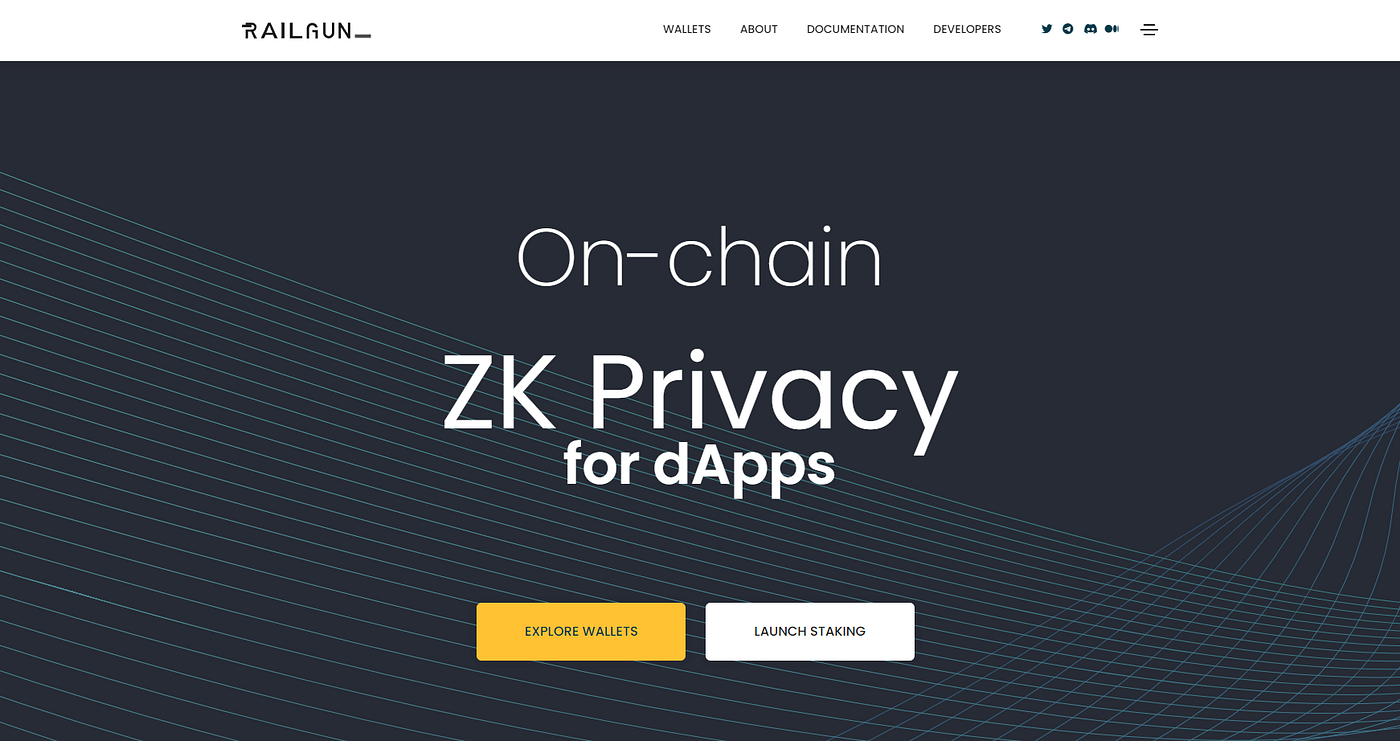
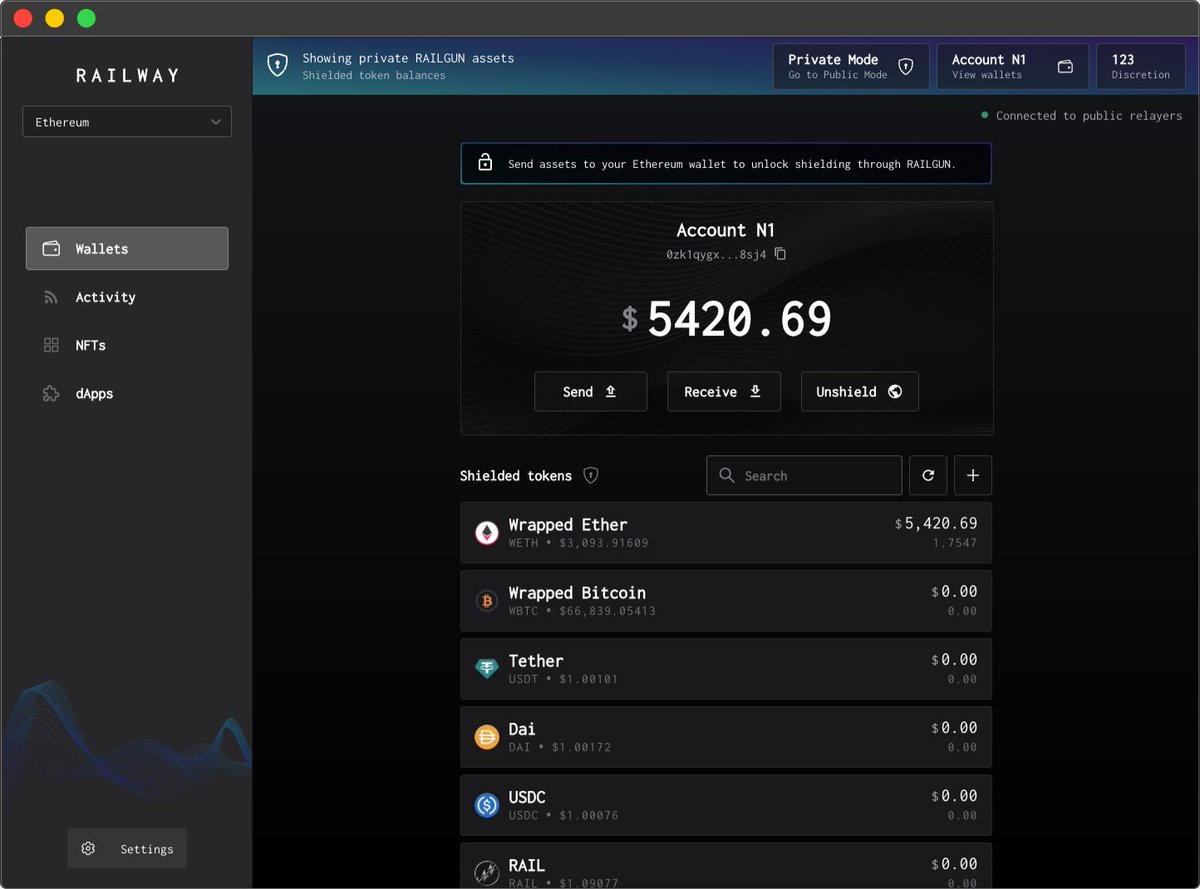
Railgun Shielded Txs: On-chain ZK privacy for EVM chains, enabling shielded transactions and DeFi without exposing details.
-
Umbra Compliance Pools: ZK-proof shielded pools with compliance framework for private transfers while meeting regulatory needs.
-

Aleo Private Stables: ZK-powered private stablecoin payroll with Toku and Paxos Labs, using USAD backed 1:1 by USDG for confidential payments.
-
Lido Commitments: ZK-commitment layer (Proof Crater) decouples treasury transparency from individual payroll privacy in grants.
-
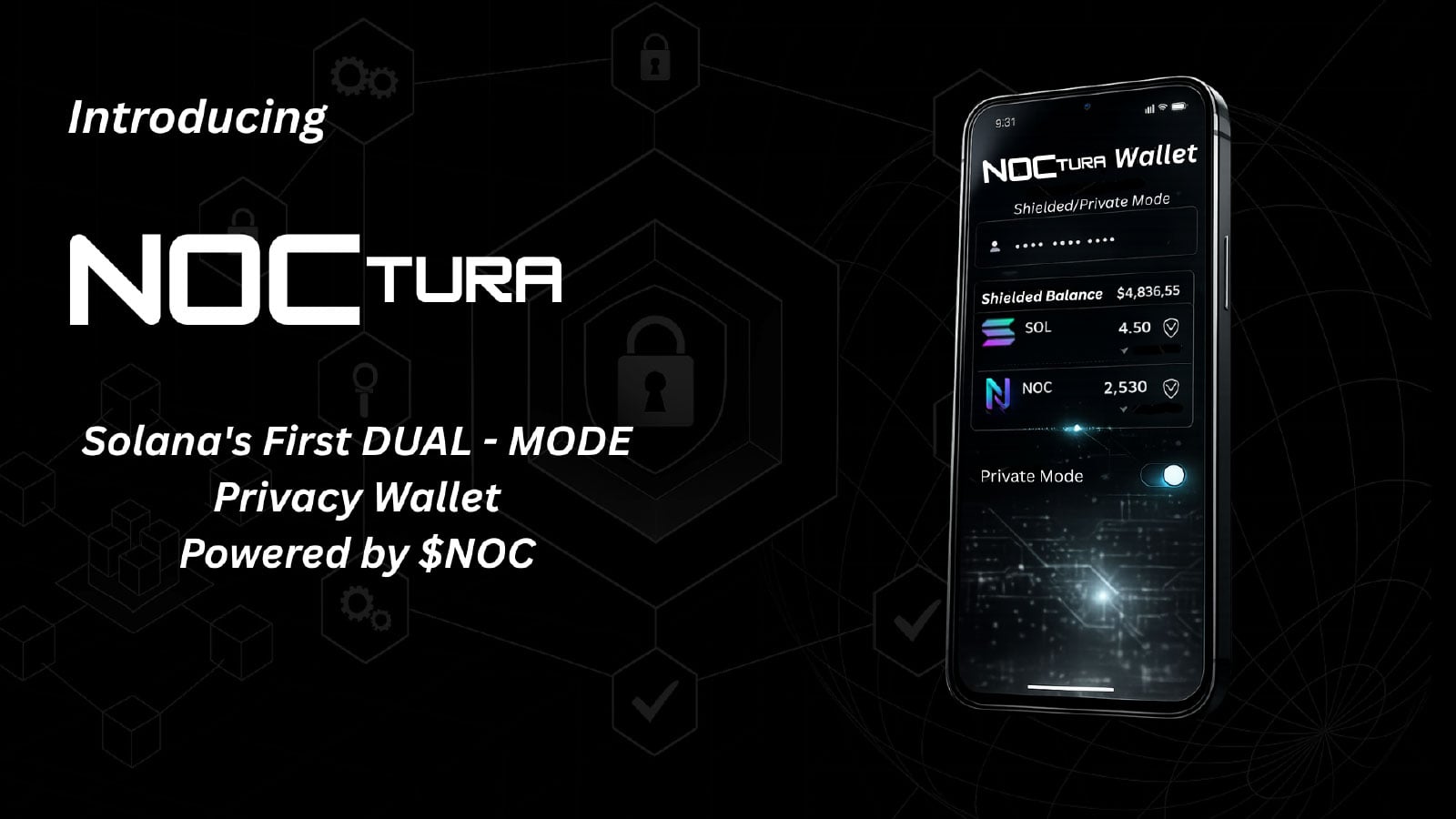
NOCtura Solana Privacy: Compliance-ready ZK proofs on Solana verifying transfers without revealing sender, receiver, or amounts.
Enterprise Rollouts: From Concept to Contributor Payouts
The Aleo-Toku-Paxos triad marks a watershed. Rolling out to Toku clients in Q1 2026, their system uses USAD for confidential payroll, backed by Paxos-regulated assets. Enterprises bypass public ledger pitfalls, paying global contractors seamlessly. This isn’t hype; it’s a response to real barriers, like treasury balances screaming corporate strategies to rivals.
Privacy Pools V2 and Kohaku integrations further evolve shielded withdrawals, dissociating funds via proofs. Umbra’s framework suits businesses, proving compliance without full exposure. For DAOs, secure contributor payments via these rails mean retaining talent amid web3’s talent wars. Yet balance tempers enthusiasm: ZK adoption demands rigorous audits to evade Tornado-like sanctions, ensuring privacy serves decentralization, not evasion.
Nuanced integration varies by chain. Solana’s speed favors high-volume payrolls; Ethereum’s liquidity anchors DeFi hybrids. As tools proliferate, DAOs must weigh setup complexity against exposure costs, prioritizing solutions with proven compliance hooks.
Building these rails starts with assessing a DAO’s treasury and contributor base. For global teams, multi-currency support pairs naturally with privacy layers, automating conversions while shielding DAO contributor payouts. Tools like Payroll Rails integrate seamlessly, handling tax compliance alongside ZK commitments for end-to-end efficiency.
Step-by-Step: Deploying Private Payroll in Your DAO
Shield DAO Payroll: 5-Step ZK Privacy Guide for 2026
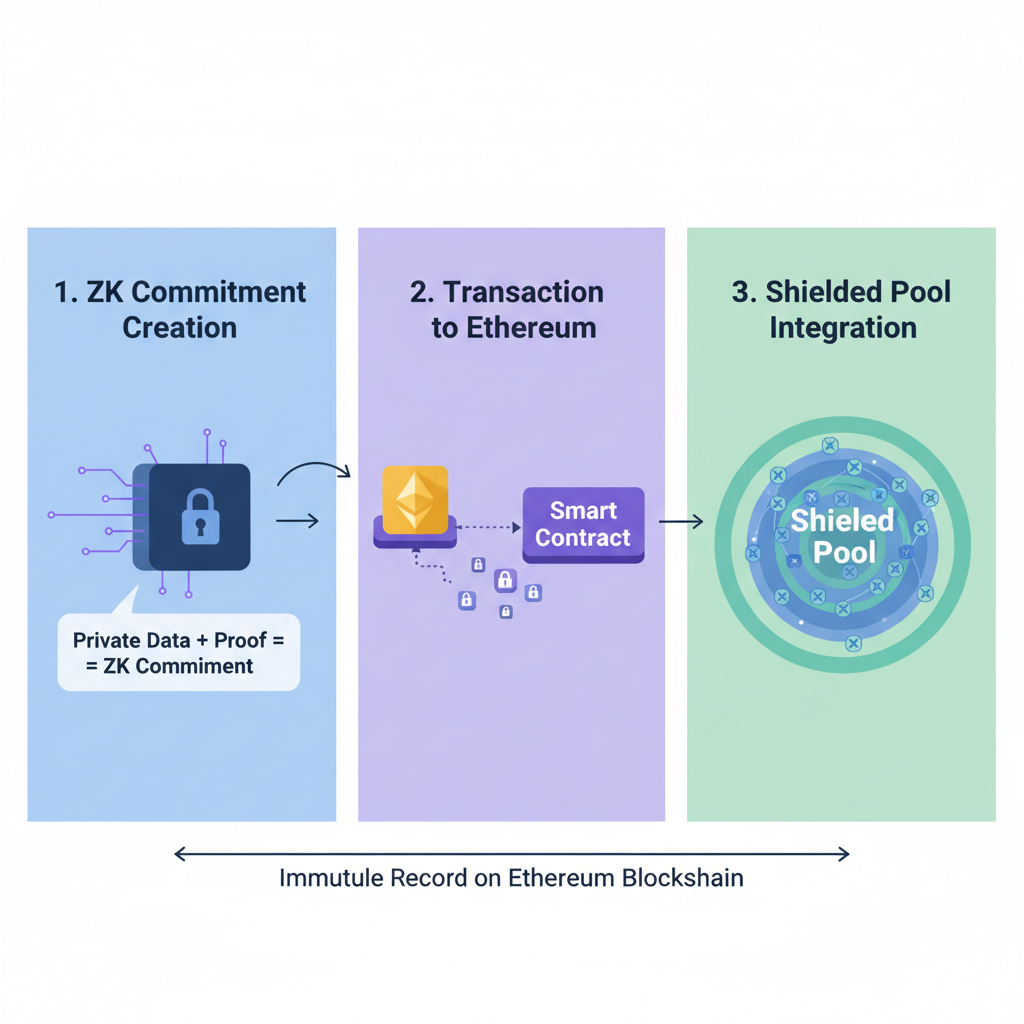
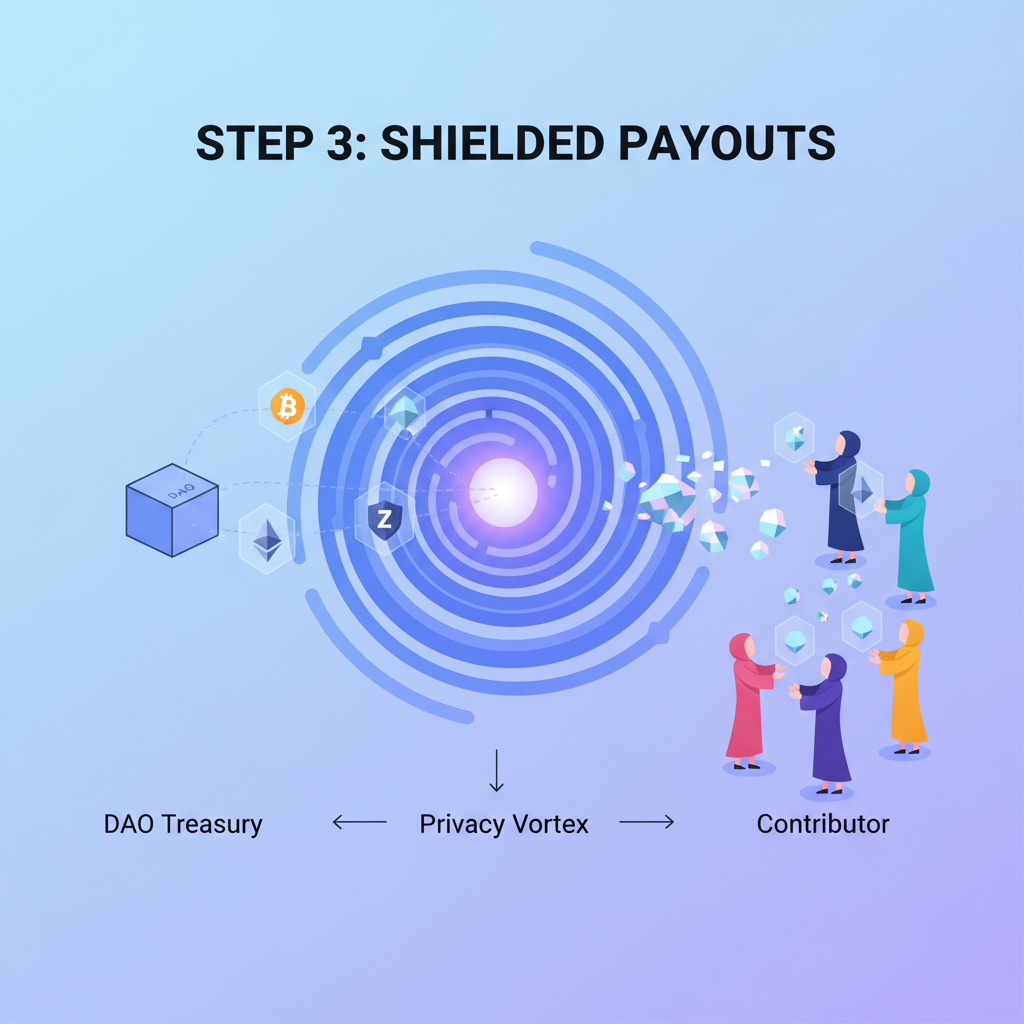
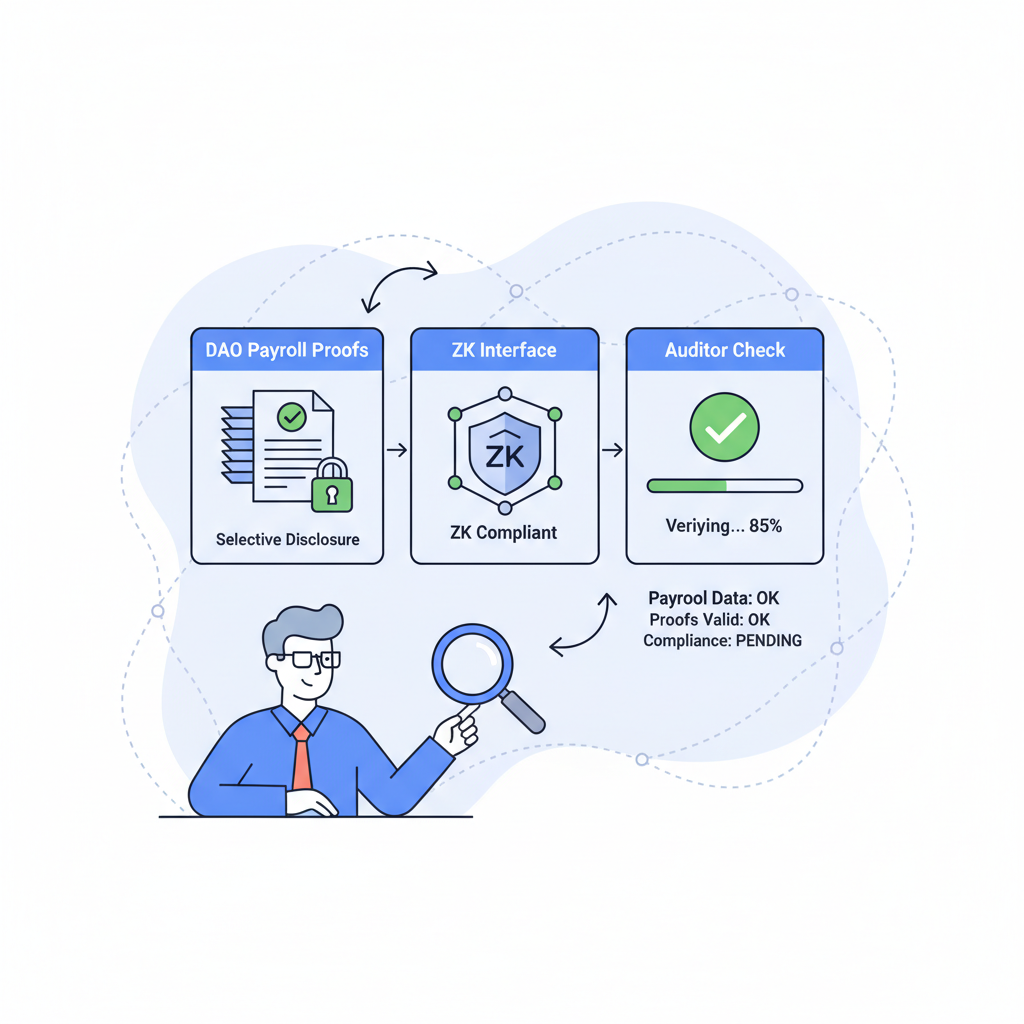
Once deployed, contributors receive funds in preferred currencies without wallet exposure. Solana-based setups shine for frequent, low-value payouts common in contributor bounties, while Ethereum hybrids suit larger grants. My experience managing DAO portfolios underscores this: privacy isn’t optional; it’s the hybrid allocation that sustains long-term viability.
Consider Lido’s model, where Proof Crater commits aggregate spends publicly but privatizes distributions. Extending this, Umbra’s shielded pools enable DeFi yields on payroll funds without linking back to salaries. NOCtura complements on Solana, verifying compliance proofs for regulators. Balanced rollout mitigates risks: pilot with a subset of contributors, audit proofs quarterly, and monitor gas optimizations as EVM scales.

Persistent Hurdles: Gas, Audits, and Regulatory Tightropes
Shielded transactions aren’t flawless. EVM proof verification chews gas, as Ethereum Magicians note, pushing DAOs toward layer-2s or Solana migrations. ZK generation demands computational heft, though hardware advances narrow the gap. Tornado Cash’s sanctions remind us: privacy must embed compliance from inception, via selective disclosure or KYC-optional rails.
Privacy Pools V2 addresses this, preserving dissociation proofs in Kohaku. For DAOs, the moat lies in audited systems like Railgun, where shielded DeFi interactions fund operations privately. Yet opinion tempers optimism: over-reliance risks centralization if proof providers bottleneck. Diversify across protocols, much like portfolio allocations, ensuring no single failure cascades.
Enterprise caution prevails too. While Aleo’s USAD rollout tantalizes, full adoption hinges on Paxos-grade backing and Toku’s client vetting. Global teams navigate varying tax regimes; automated withholding via privacy-preserving proofs emerges as the next frontier, blending my Payroll Rails expertise with ZK innovation.
The 2026 Horizon: Privacy as Decentralized Standard
As 2026 unfolds, blockchain payroll privacy 2026 solidifies as table stakes. Aleo-Toku-Paxos pilots expand mid-year, pressuring public-ledger holdouts. Zcash’s zk-SNARK legacy evolves in Aztec and beyond, optional privacy becoming default for mature DAOs. Contributors demand it; talent wars intensify with exposed salaries as easy intel.
Insight from 16 years in stocks and crypto: treat privacy as allocation strategy. Hybrid setups – public treasuries, private flows – mirror diversified portfolios, resilient to volatility. Payroll Rails embodies this, streamlining multi-currency, tax-smart payouts for DAOs worldwide. Forward-thinking organizations adopt now, shielding salaries to fuel decentralized success. Contributors thrive, treasuries endure, and web3 payroll evolves beyond transparency’s double edge.