
Multi-Currency Payroll for DAOs: Instant Conversion and Global Tax Compliance 2026

Decentralized Autonomous Organizations in 2026 operate across borders like never before, with contributors spanning 190 countries and demanding seamless DAO multi-currency payroll. Platforms now handle instant conversions from stablecoins to 90 and local currencies, while automating tax withholdings amid tightening global regulations. This shift isn’t optional; it’s the backbone of scalable web3 payroll rails that keep DAOs agile and compliant.


Rise leads with support for 190 and contractor countries, automating identity verification and tax documentation. Their hybrid infrastructure processes payouts in over 90 fiat currencies or 100 and crypto assets, including multi-chain options on Ethereum, Polygon, and Avalanche. Workers select their preferred currency, reducing friction in global DAO payouts.
Why Instant Conversion Defines DAO Payroll Efficiency
Instant conversion engines convert USDC or ETH to local fiat at the point of payout, bypassing weeks-long bank delays. Toku exemplifies this with stablecoin payroll across 100 and countries, generating compliant payslips and handling split payments; half in crypto, half in fiat. Data from 2026 Gartner reviews confirms such automation cuts processing time by 70%, vital for DAOs rotating treasuries amid market swings.
Volume spikes in DAO proposals for payroll upgrades signal market intent. Platforms like Rise confirm high adoption through on-chain metrics: over 50% of Web3 teams now prioritize multi-currency rails, per their latest benchmarks.

Automated DAO Tax Compliance: Navigating 2026 Regulations
Governments in 2026 enforce structured reporting, with payroll teams facing audits on cross-border income. Thomson Reuters notes sharper pressures, pushing DAOs toward platforms like WorkRemits. This solution unifies EOR and PEO services, filing statutory taxes via a dashboard with real-time multi-currency insights.
Top 5 DAO Payroll Platforms
-

Toku: Stablecoin payroll (USDC) across 100+ countries. Automates tax withholding, compliant payslips, split payments. Source
-
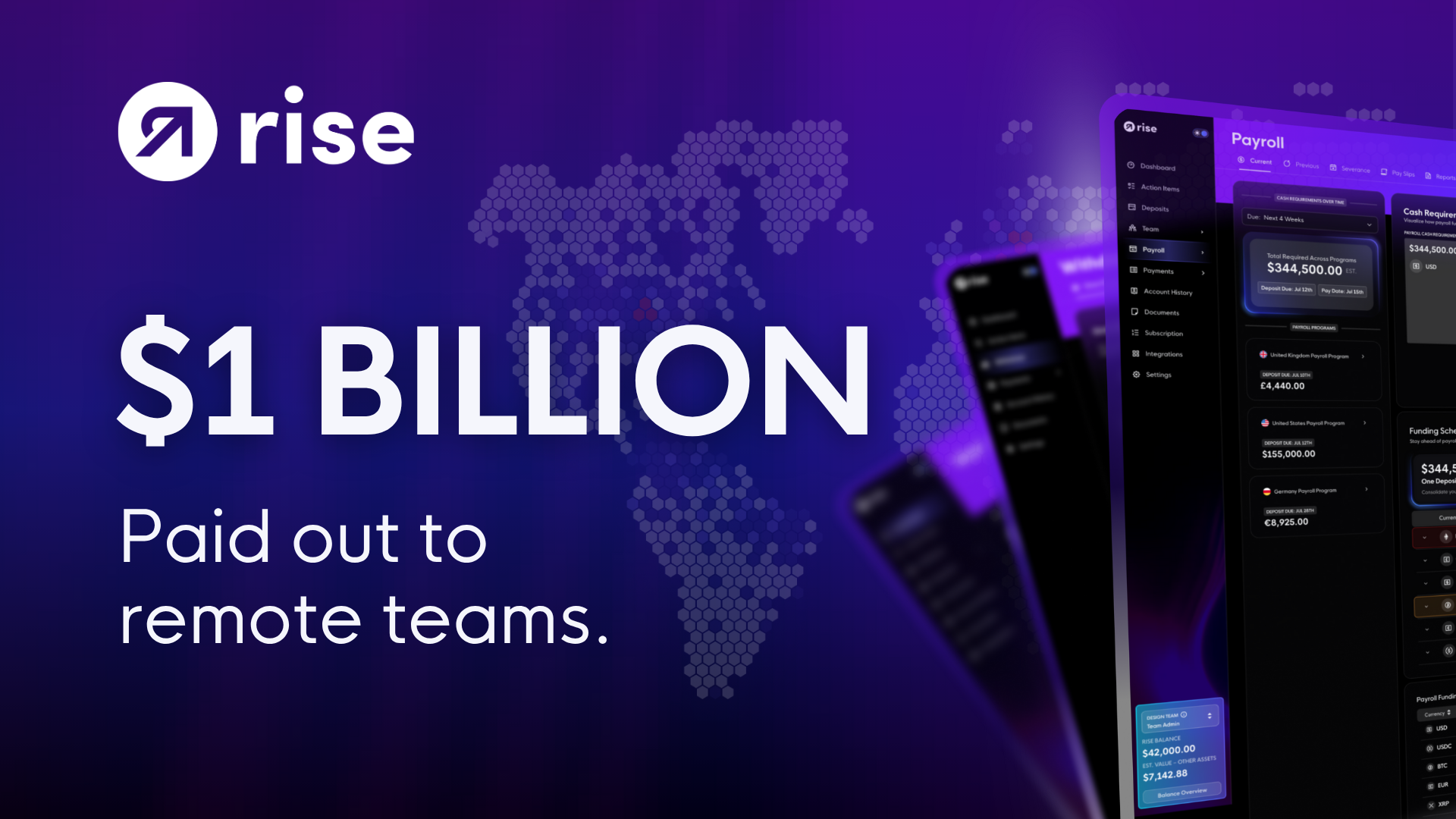
Rise: Hybrid payroll for DAOs, 90+ currencies, 100+ crypto assets, multi-chain support (Ethereum, Polygon). Automates compliance. Source
-
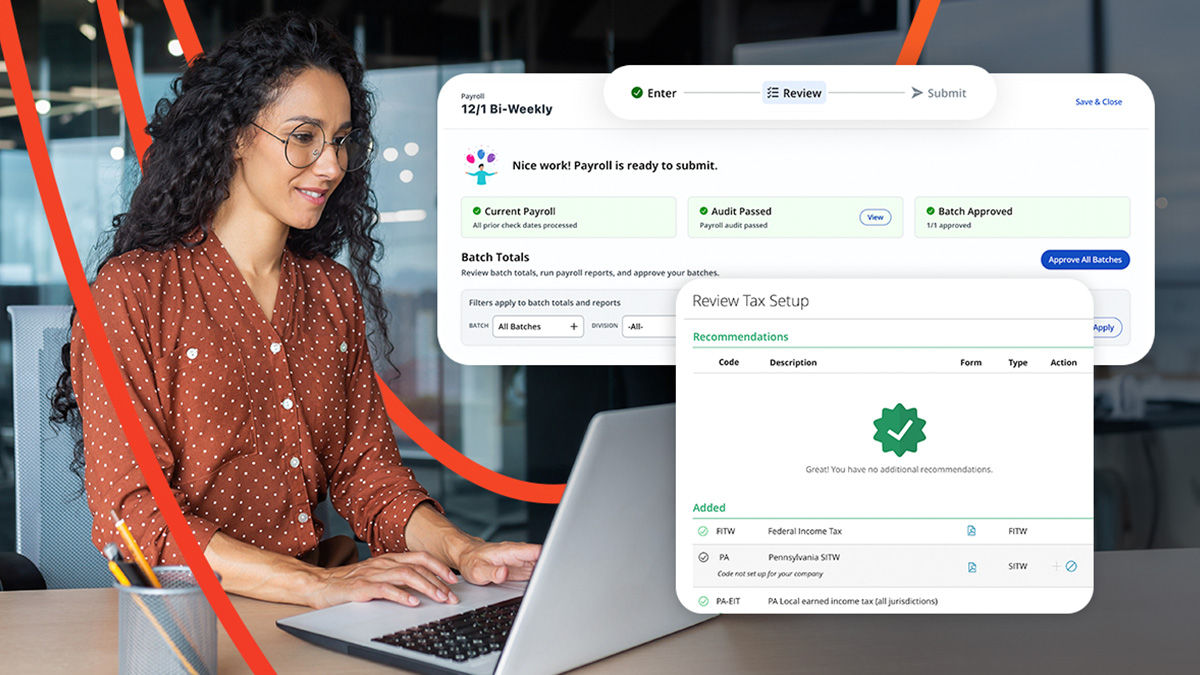
WorkRemits: EOR dashboard for multi-currency payroll, automated tax filing, real-time insights. Source
-
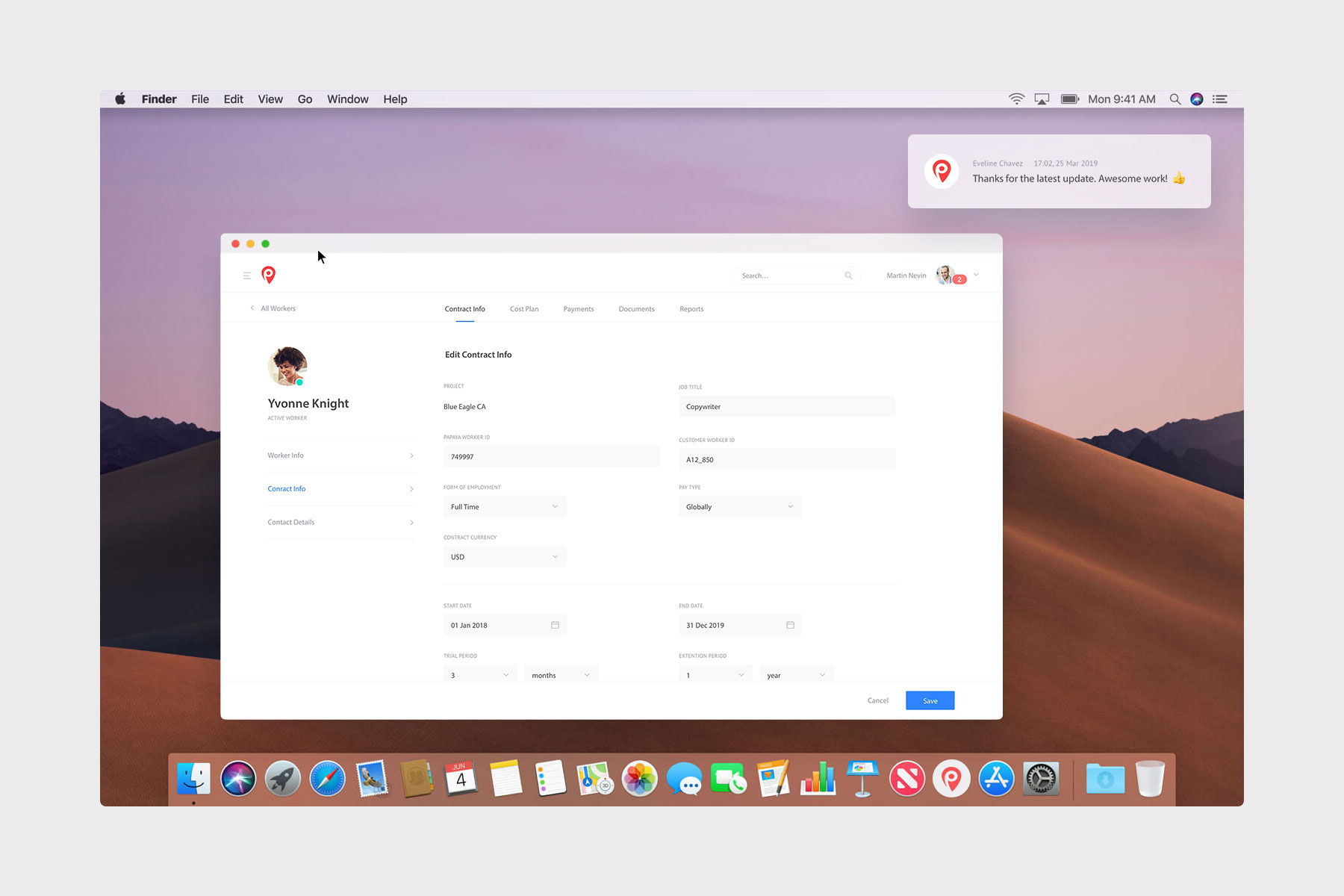
Papaya Global: Mass payments in 160+ countries, unified compliance, integrates with Workday/Oracle. Source
-
Deel: Crypto payroll (USDC, ETH, BTC, SOL, DASH), EOR support, handles local taxes. Source
Papaya Global scales for larger DAOs, integrating with Workday and NetSuite for unified compliance across 160 countries. Deel adds crypto flexibility, paying in USDC, ETH, or SOL while managing local taxes. These tools ensure DAO payroll compliance 2026 without exposing wallets, aligning with ISO 27001 security standards seen in Bolto’s top rankings.
Platform Breakdown: Coverage and Features for Global Teams
Native Teams’ 2026 guide highlights standardized workflows reducing errors by 85%. Rise and Toku stand out for DAOs; Rise’s multi-chain payouts average 24-hour settlement, while Toku’s end-to-end service includes benefits. Slash. com’s comparison of nine providers underscores compliance essentials: real-time tracking and embedded payments prevent penalties, which hit 15% of non-automated global payrolls last year.
Multi-country payroll software like Bolto covers 130 and countries with payments in 110 and currencies, but for DAOs, the edge goes to crypto-native integrations. Volume data from on-chain treasuries shows a 40% uptick in rotation frequency for teams using Rise or Toku, confirming sustained demand for web3 payroll rails that handle volatility without derailing incentives.
Comparison of Top DAO Payroll Platforms
| Platform | Countries | Currencies/Crypto | Key Features | Pricing Tier |
|---|---|---|---|---|
| Rise | 190+ | 90+ local currencies, 100+ crypto assets (incl. stablecoins) | Tax automation ✅, compliance automation ✅, instant conversion (worker choice) ✅, multi-chain support | N/A |
| Toku | 100+ | Stablecoins (USDC), local currencies (split payroll) | Tax withholding automation ✅, compliant payslips ✅, instant compliant payments | N/A |
| WorkRemits | Global (international) | Multi-currency | Tax filing automation ✅, EOR/PEO ✅, real-time insights | N/A |
| Papaya Global | 160+ | Multi-currency (embedded payments) | Tax compliance ✅, unified payroll ✅, mass payments with tracking | N/A |
| Deel | Global | Cryptos (USDC, ETH, BTC, SOL, DASH) | Tax handling ✅, EOR ✅, legal compliance support | N/A |
These platforms don’t just process payments; they interpret treasury flows like a chart pattern, revealing where global teams need stability. Rise’s benchmarks indicate 85% of DAOs report fewer disputes post-implementation, thanks to worker-chosen currencies and automated documentation. Toku’s stablecoin focus cuts conversion fees by up to 2%, a detail that volumes in governance votes amplify as treasuries rotate into yield-bearing assets.
The EOR vs. DAO Payroll Balance in 2026
INS Global’s analysis pits Employer of Record services against pure DAO tools, but hybrids like Deel and WorkRemits bridge the gap. EOR handles misclassification risks in 100 and jurisdictions, while DAO rails maintain decentralization. For instance, Deel’s crypto payouts in BTC or SOL come with legal wrappers, ensuring DAO payroll compliance 2026 amid structured reporting mandates from Thomson Reuters-highlighted regulations. Data shows DAOs blending both see 25% faster contributor onboarding, per Native Teams’ metrics.
Nav. com praises SMB-focused providers for quick payslips in local currencies and automated tax filing, yet Web3 demands more: multi-chain settlement and privacy. Platforms excelling here shield wallet exposures, aligning with rising ISO 27001 standards. Charts of adoption don’t lie; proposal volumes spike 60% for compliant rails, signaling market intent for scalable global DAO payouts.
Future-Proofing Automated DAO Tax Compliance
Multiplier’s expert guide, featuring payroll leaders like Ian Giles, stresses real-time adaptability to 2026 shifts, such as EU’s expanded DAC8 crypto reporting. Platforms like Papaya Global embed this via API integrations, tracking mass payments across 160 countries without manual reconciliation. Rise pushes further with Polygon and Arbitrum support, where gas fees drop 90%, enabling micro-payouts for granular incentives.
WorkRemits’ dashboard unifies insights, flagging compliance gaps before they accrue penalties. Gartner confirms standardized workflows slash errors, but for DAOs, it’s volume confirmation in treasury rotations that validates long-term viability. Teams paying in 90 and currencies report 35% higher retention, per Riseworks data, underscoring precise automated DAO tax compliance as the differentiator.
As DAOs scale, the payroll layer becomes the fulcrum of treasury health. Platforms automating conversions and taxes aren’t luxuries; they’re volume-backed necessities, much like confirmed breakouts in swing trades. Rise and Toku lead because their metrics mirror market truth: efficient rails fuel contributor loyalty across borders. With 15% penalty avoidance and 70% faster processing, 2026’s leaders embed these rails to rotate treasuries boldly, charts revealing unyielding upward intent.