
DAO Payroll Guide for Paying Remote Web3 Contributors in Multiple Currencies 2026

In 2026, DAOs face a pivotal moment in scaling their operations amid a booming Web3 ecosystem. Remote contributors span continents, demanding seamless web3 contributor payments multi currency that sidestep traditional banking friction. Yet volatility in crypto markets and patchwork global regulations turn DAO payroll remote contributors into a high-stakes puzzle. Stablecoins emerge as the anchor, offering pegged value for reliable payouts, but success hinges on smart governance and compliant infrastructure. Platforms blending crypto rails with fiat rails now dominate, enabling DAOs to pay in USDC one day and local currencies the next without compliance pitfalls.


Overcoming Volatility and Regulatory Hurdles in DAO Global Team Payroll
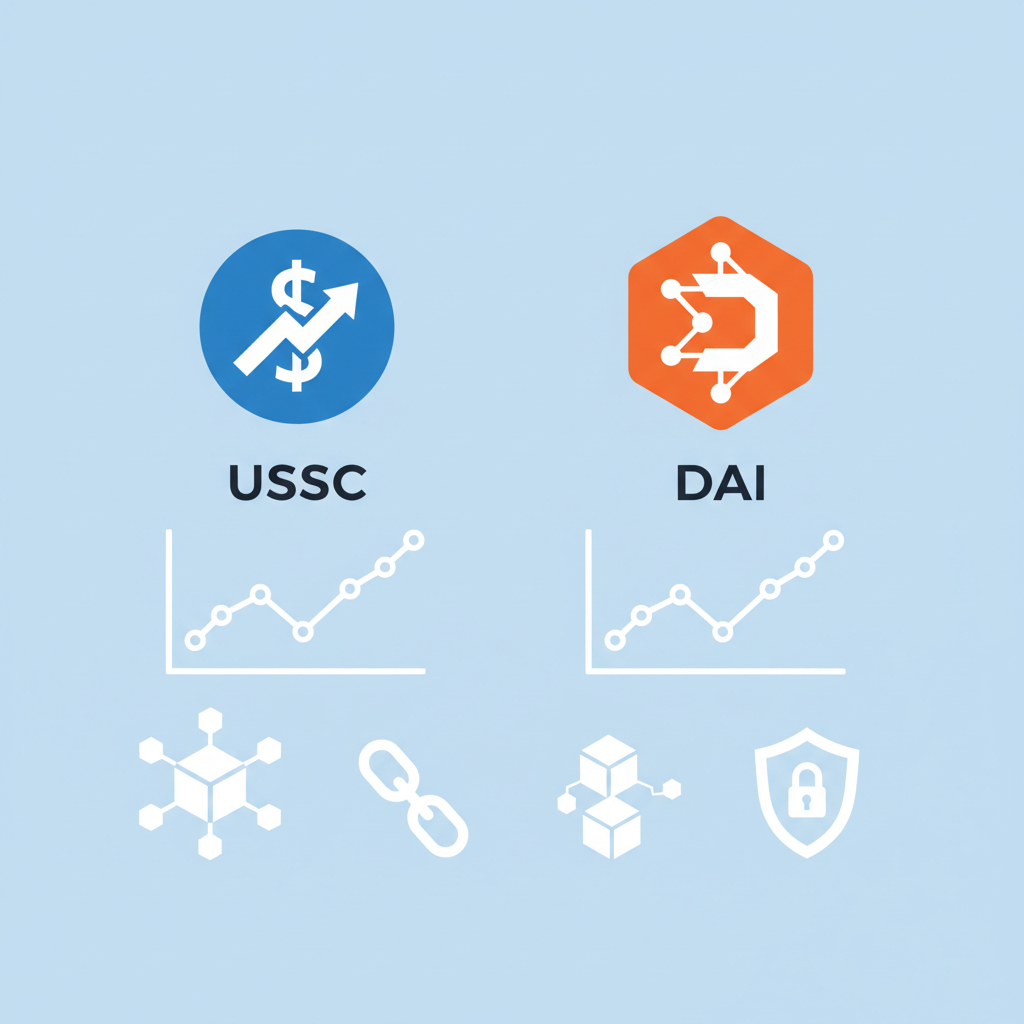
Forex swings hit DAOs hard when paying global teams. A contributor in Argentina expects stable value, not a 5% dip overnight. My 12 years tracking currency pairs reveal that unhedged crypto payouts amplify risks, especially post-MiCA in Europe. DAOs must prioritize stablecoins like USDC or DAI, backed by robust reserves, over volatile assets. Tax compliance web3 payouts add another layer; jurisdictions like Georgia offer crypto-friendly structures, converting payments to fiat with official records via partners like Gegidze.
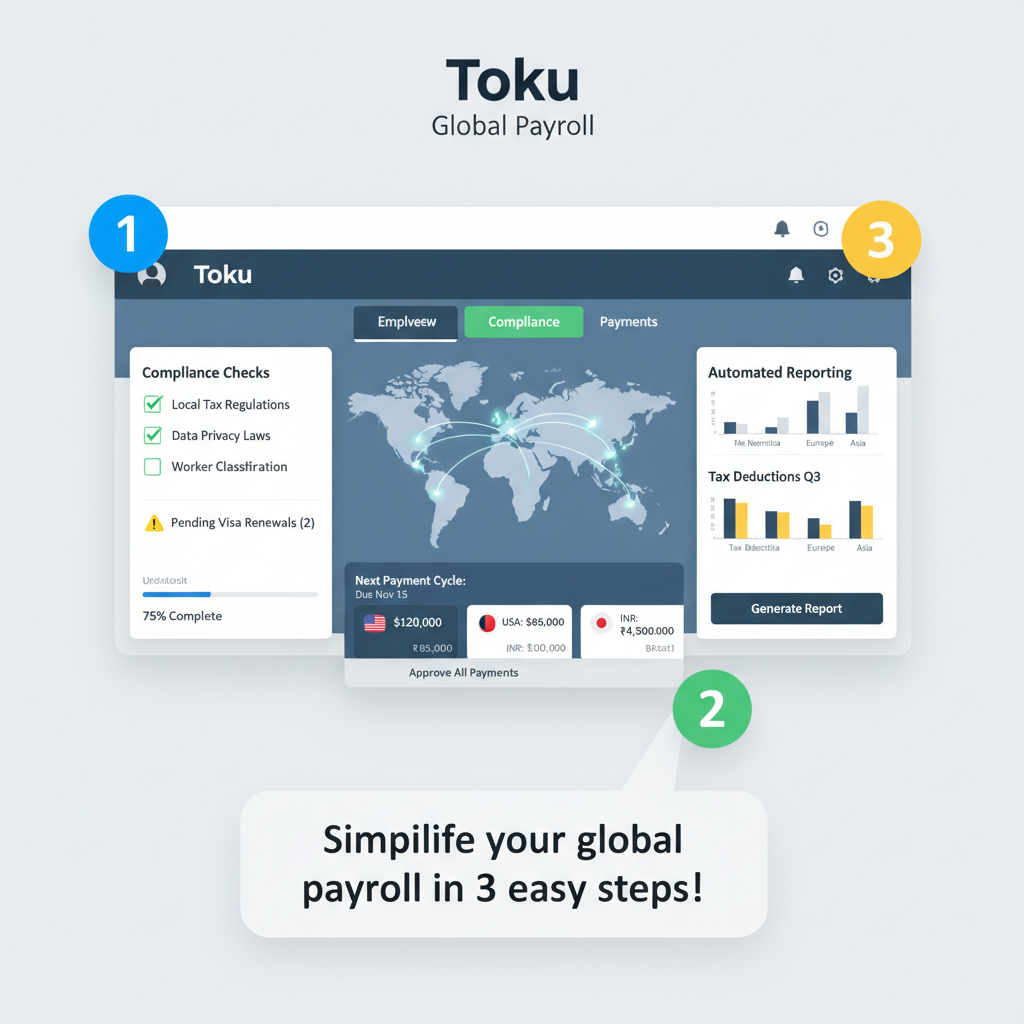
Hybrid models shine here. Providers such as Rise support 90 and currencies alongside crypto, letting DAOs toggle between local fiat and stablecoins. Toku streamlines USDC, BTC, or ETH disbursements legally across borders, automating withholdings. Neglect this, and you invite audits or talent exodus. Opinion: Pure crypto purism falters in 2026; blend it with fiat gateways for resilience.
Selecting Infrastructure for Payroll Rails DAOs 2026
Choosing payroll rails demands scrutiny of liquidity, chain support, and compliance automation. TransFi excels in multi-chain stablecoin flows, slashing cross-border fees. Franklin caters to U. S. -centric DAOs, marrying crypto ops with IRS-ready reporting. Monetum’s SEPA-stablecoin hybrid suits European teams, ensuring fast euro conversions.
For DAOs, integration trumps gimmicks. Native Teams simplifies multi-currency mechanics, vital as contributor bases swell. Yet pitfalls lurk: weak KYC invites money-laundering flags, per Ogletree warnings. Prioritize platforms with built-in contributor profiles and wallet verification. In Georgia, local entities convert crypto to fiat tax-efficiently, preserving Web3 flexibility without full EOR overhead, as INS Global notes.
Core Steps to Launch Compliant Multi-Currency Payroll
Building DAO global team payroll starts with governance. Define policies on stablecoins, frequencies, and approvals via on-chain votes for transparency. Then, onboard contributors with KYC-compliant wallets. Platforms like Toku handle the heavy lifting, offering fiat ramps and MiCA alignment.
Step-by-Step Guide to Establishing Compliant DAO Payroll
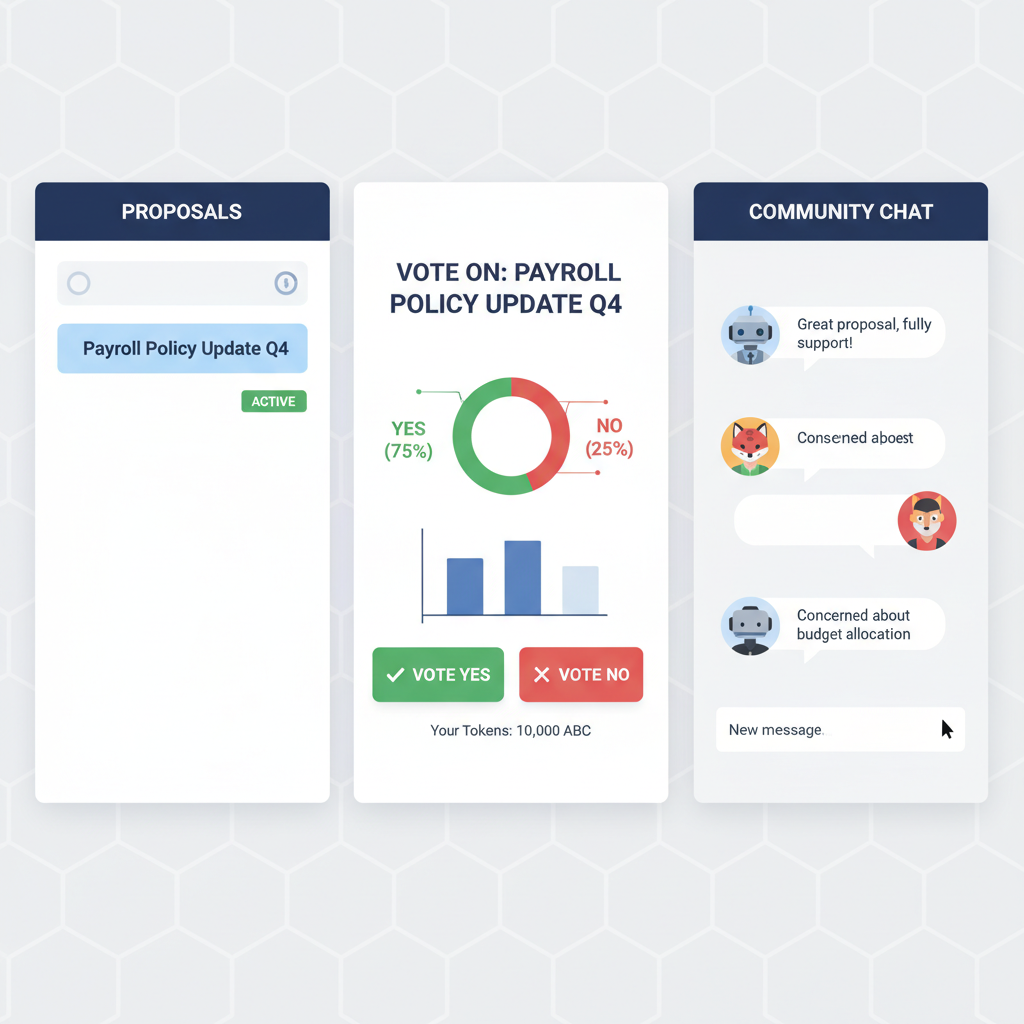
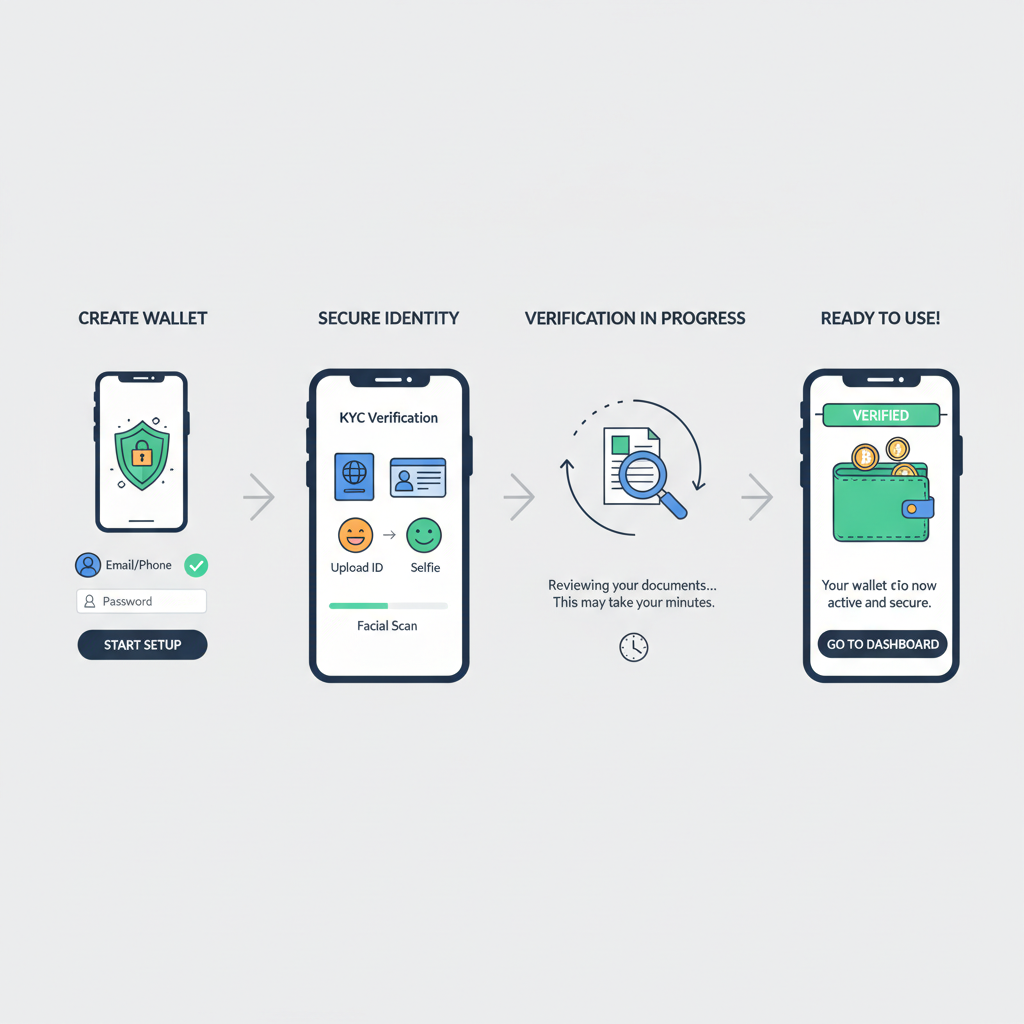
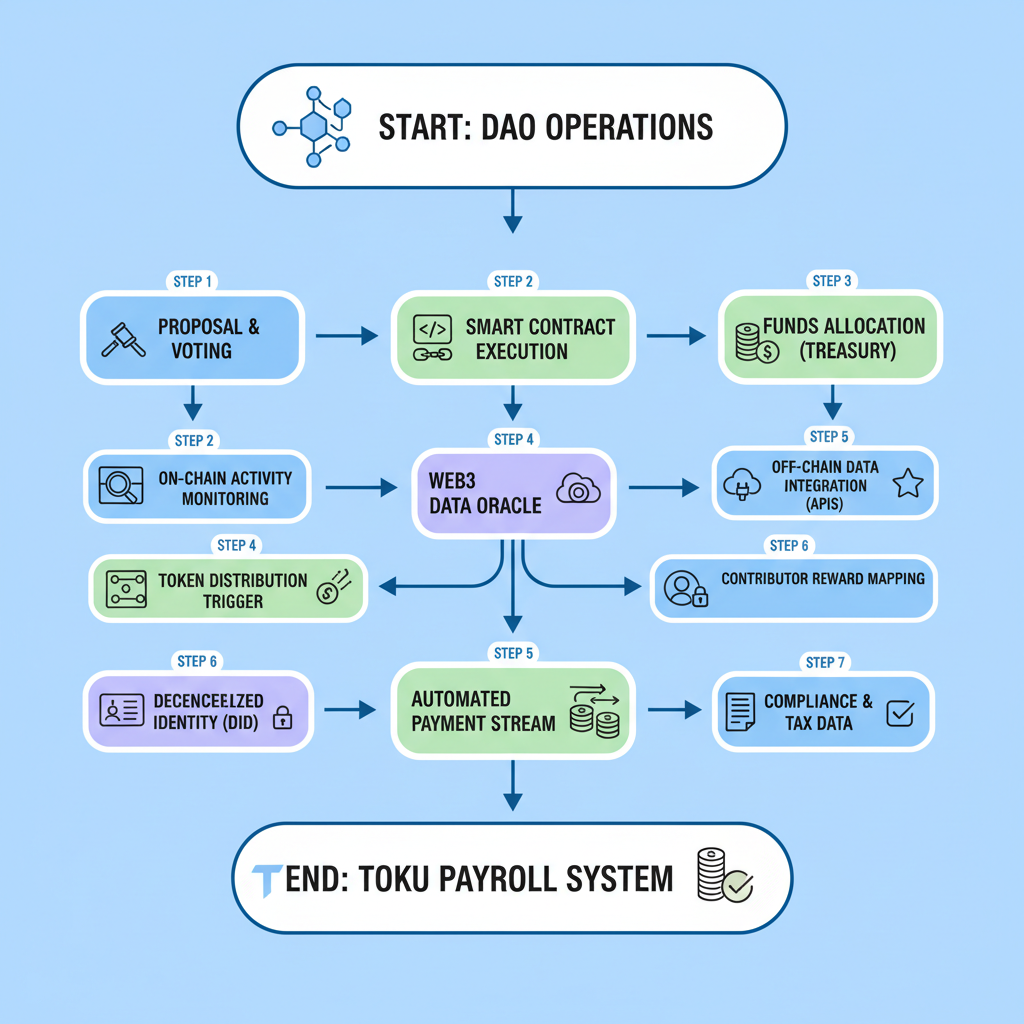
Testing phases catch glitches; simulate payouts across chains. Once live, dashboards track every transaction, feeding treasury reports. This systematic approach minimizes disputes, a common DAO pain point. Real-world edge: Pair real-time rates with geopolitical scans, as I advocate, to preempt FX shocks in payouts.
Contributors appreciate choice; let them opt for USDC direct or local currency via automated conversion. This flexibility retains talent in competitive Web3 hiring pools. As regulations evolve, adaptive rails like those from Rise or Native Teams future-proof operations.
Scale matters too. Small DAOs might manage with Snapshot votes and manual multisigs, but as contributor counts climb past 50, automation becomes non-negotiable. Tools integrating with Gnosis Safe or Aragon enforce governance without central chokepoints, ensuring payroll rails DAOs 2026 scale seamlessly.
Platform Showdown: Picking the Right Payroll Partner
With options proliferating, DAOs need a clear-eyed comparison. Rise stands out for its 90 and currency coverage and crypto-fiat hybrids, ideal for diverse teams. Toku prioritizes stablecoin efficiency, handling USDC payouts compliantly across borders while dodging MiCA headaches. Monetum bridges SEPA with stablecoins for Eurozone speed, and TransFi’s multi-chain prowess cuts fees on lesser-known networks.
Comparison of Top DAO Payroll Platforms
| Platform | Supported Currencies/Assets | Compliance | Key Features | Ideal For |
|---|---|---|---|---|
| Rise | 90+ currencies (hybrid fiat + crypto) | Global compliance | Local currency payments, worker-controlled payouts, seamless crypto integration | Global remote Web3 teams needing local fiat options |
| Toku | USDC, BTC, ETH + fiat options | MiCA compliant, tax/labor automation | Instant stablecoin payments, crypto/fiat payouts, regulatory alignment | EU DAOs with crypto payroll needs |
| Monetum | SEPA (EUR), stablecoins | Full EU compliance | Hybrid crypto/euro payments, secure/fast SEPA + stablecoins | European Web3 teams preferring hybrid solutions |
| Franklin | Fiat + crypto integration | US compliance | Global contractor payments, seamless crypto operations | US-regulated DAOs or teams with compliance focus |
| TransFi | Stablecoins (multi-chain) | Regulatory compliance | Low fees, cross-border automation, multi-chain support | Multi-chain DAOs optimizing for efficiency and low costs |
Franklin nails U. S. reporting for tax-sensitive DAOs, per Avalanche insights. Native Teams eases pure multi-currency flows sans crypto. My take: Match your stack to geography and chain preference. A Europe-heavy DAO skips U. S. -only tools; prioritize liquidity in your contributors’ preferred assets to avoid conversion losses that erode trust.
Tax Compliance Web3 Payouts: Navigating the Maze
Tax compliance web3 payouts trip up even savvy DAOs. Stablecoins count as property in many jurisdictions, triggering capital gains on receipt. Georgia’s regime flips this script, taxing crypto at source with fiat conversions via Gegidze, yielding clean records. U. S. contributors face IRS Form 1099 mandates; platforms like Franklin automate W-9 collections.
Globally, MiCA demands traceable transactions, pushing KYC from nice-to-have to must-have. Opinion: Embed compliance in payroll DNA from day one. Manual spreadsheets invite errors; automated withholding via smart contracts, audited for accuracy, shields treasuries. Contributors in high-tax spots like France value instant fiat ramps over holding volatile tokens.

Monitor geopolitical shifts too. A U. S. election or EU directive can upend peg stability overnight. My FRM lens spots these early: Hedge with diversified stablecoin baskets, blending USDC’s Circle backing with DAI’s overcollateralization.
Monitoring and Future-Proofing Your System
Launch isn’t the endgame. Dashboards from Toku or Rise reveal payout latencies, fee spikes, and compliance gaps in real time. Generate on-chain reports for treasury DAOs, syncing with Dune Analytics for deeper forensics. Quarterly audits catch drift; contributor feedback loops refine options.
Looking ahead, 2026 heralds tokenized treasuries and AI-driven FX hedging baked into rails. DAOs adopting now lock in efficiencies others scramble for. TransFi’s chain-agnostic flows hint at a borderless norm, where payroll mirrors contributor location seamlessly. Prioritize platforms evolving with Web3’s pulse, blending my hybrid forex-geopolitics playbook for unflappable operations.
Remote Web3 talent flocks to DAOs offering frictionless, compliant pay. Master these rails, and your organization thrives amid decentralization’s promise.