
Cross-Border Payroll Challenges for DAOs: Multi-Currency Payouts and Tax Compliance in 2026

Decentralized Autonomous Organizations thrive on their borderless ethos, yet cross-border payroll remains a stubborn thorn in their side. In 2026, as DAOs scale with global contributors spanning dozens of jurisdictions, managing multi-currency DAO payouts alongside tax compliance for DAOs demands more than smart contracts-it requires sharp forex navigation and regulatory foresight. From volatile crypto swings to local wage mandates, these teams grapple with inefficiencies that erode trust and treasury.

Top 5 DAO Payroll Challenges
-
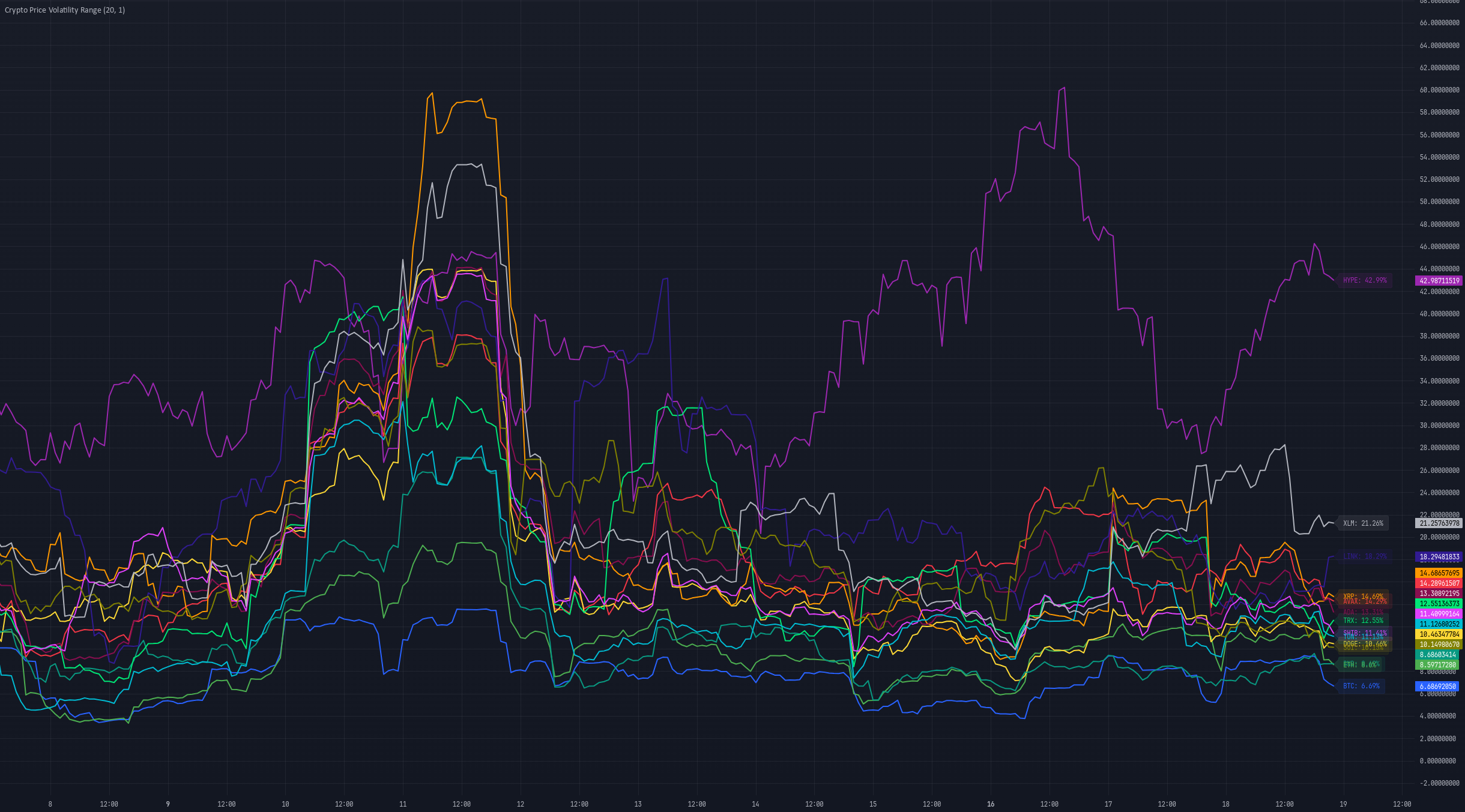
1. Currency Volatility: Fluctuations in crypto and fiat rates erode multi-currency payout values, as DAOs manage global payments amid unstable exchanges. (TransFi)
-
2. Local Payment Laws: Countries require wages in local currency, conflicting with borderless crypto payouts and complicating compliance. (UN DESA)
-

3. Crypto Tax Reporting: Decentralized, anonymous DAO transactions hinder income tracing and enforcement under varying global tax rules. (Thomson Reuters)
-
4. Contributor Education: Global workers need training on local tax obligations for stablecoin and crypto payments treated as foreign currency. (Krypto Street)
-

5. Compliance Software Gaps: Few tools handle DAO-specific cross-border crypto payroll, tax filings, and real-time regulatory updates. (Downgraf)
I’ve seen it firsthand over 12 years in forex: DAOs treat currency pairs like afterthoughts, but they’re the lifeblood of DAO cross-border payroll. Stablecoins promise stability, yet real-time conversion to fiat for taxes or living expenses exposes contributors to slippage. Platforms like those handling instant conversions are game-changers, bridging web3 ideals with earthly needs.
The borderless nature of DAOs complicates tracing crypto transactions, making enforcement tough for tax authorities.
This opacity fuels enforcement gaps, but 2026 brings real-time data-sharing protocols from global authorities, per Thomson Reuters insights. Shadow payroll and social security mismatches are surging, turning what was once a decentralized dream into a compliance gauntlet.
Multi-Currency Payouts: Beyond Stablecoin Hype
Many DAOs default to USDC or USDT for payouts, assuming uniformity. Reality? Contributors in Brazil demand BRL, Indians INR, and Europeans EUR to sidestep bank fees and FX losses. Countries like those highlighted in Ogletree’s analysis mandate local currency wages, forcing DAOs into convoluted rails.
In my hybrid approach, blending real-time rates with geopolitical scans reveals hidden risks. A contributor paid in stablecoins might face 5-10% devaluation against local tender overnight due to policy shifts. Multi-currency systems, as noted by HR2B, pay directly in preferred fiat, slashing volatility exposure. Yet adoption lags; most DAOs still wrestle manual conversions, delaying DAO contributor payments 2026 by weeks.

TransFi case studies show how stablecoin-to-local rails cut costs 70% and times to hours. For global team payroll web3, this isn’t optional-it’s survival. Ignore it, and contributor churn spikes as wallets empty slower than promised.
Tax Compliance: The Regulatory Minefield Tightening
Tax authorities aren’t sleeping on web3. Crypto payroll, per Pebl and Gloroots, amplifies burdens: labor codes, tax treaties, statutory benefits pile on. DAOs paying in tokens trigger vesting complexities and immediate tax hits, as Nium warns, demanding lawyer armies to shield from unwanted levies.
Jurisdictions treat stablecoins as foreign currency, per Kryptostreet, mandating contributor education on reporting. UN DESA reports underscore DAO anonymity clashing with income sourcing rules. Come 2026, Convera’s top challenges-navigating compliance and data privacy-will intensify with EOR-like scrutiny on crypto entities.
In just a few years, stablecoins have gone from a niche crypto experiment to one of the most important innovations in global finance. With over $250 billion in circulation, more than $1 trillion in monthly transaction volume and adoption by giants like PayPal, Stripe and JPMorgan, they are rapidly becoming a mainstream payment option. Stablecoins now process more monthly volume than Visa and PayPal combined, with $33 trillion compared to Visa’s $13 trillion. Their use cases also span corporate treasury management, cross-border payroll, e-commerce, tokenized money markets and beyond.
Strengthening frameworks means robust governance: accurate reporting via specialized software, as Downgraf advises. Thomson Reuters flags rising shadow-payroll risks from data protocols. DAOs ignoring this face penalties dwarfing operational savings. My take? Proactive multi-jurisdiction modeling, factoring treaties and rates, turns peril into precision.
Toku nails it: crypto orgs are borderless, people aren’t. Legal tax webs demand tailored solutions, not one-size-fits-all tokens. As Riseworks FAQs suggest, automate with apps handling conversions and filings to tame the beast.
Tax implications of crypto payments reveal why DAOs must pivot fast.
Emerging Strategies Reshaping DAO Payroll
Forward-thinking DAOs lean on specialized platforms for seamless rails, per Monetum and Slash’s 2026 provider roundup. These integrate compliance, cutting lawyer hours and vesting headaches.
These tools don’t just process payments; they embed tax compliance for DAOs into the workflow, automating filings across jurisdictions and flagging shadow payroll risks before they escalate. From my vantage in forex, where geopolitical ripples can swing rates 3% in a day, platforms forecasting these shifts alongside compliance checks are indispensable for DAO contributor payments 2026.
Key Strategies DAOs Are Adopting NowFrom Platforms to Protocols
DAOs aren’t waiting for regulators to catch up. Specialized payroll platforms like TransFi lead the charge, channeling stablecoins into local currencies swiftly and cheaply. This tackles currency volatility head-on, ensuring contributors receive value without erosion from conversion delays. Multi-currency systems further refine this, paying out in BRL for Brazilians or EUR for Europeans, aligning with mandates that fiat wages stay local.
Compliance ramps up through vigilant governance: tracking international regs, enforcing data protocols, and delivering precise reports. Contributor education closes the loop; many overlook stablecoin reporting as foreign income, inviting audits. Software tailored for crypto cross-borders handles the rest, modeling tax treaties and statutory dues to preempt fines.
I’ve advised teams where skipping these left treasuries exposed to 20% penalties. Proactive modeling, blending live forex feeds with treaty analysis, flips the script. Toku’s point resonates: borderless ops meet rooted people, so hybrid rails marrying web3 speed with fiat reliability win out.
The Payroll Rails Revolution
Enter solutions like Payroll Rails, crafted for DAOs and web3 squads. Instant multi-currency conversion sidesteps volatility, while automated tax engines navigate 2026’s data-sharing scrutiny. No more manual spreadsheets or lawyer marathons; payouts land precise and compliant, from Tokyo to Tallinn. Slash’s provider comparisons spotlight such innovators, prioritizing real-time compliance over gimmicks.
For global team payroll web3, this scales effortlessly. Contributors focus on governance, not FX headaches. My FRM lens confirms: ignoring currency pairs invites bleed, but integrated rails preserve treasury integrity amid flux.
Monetum’s web3 rethink underscores speed without sacrifice. Pair it with Con Vera’s compliance hurdles, and the path clears: automate, educate, integrate. DAOs wielding these strategies not only survive but thrive, turning payroll from friction to fuel.
Overseas crypto payments demand precision, as detailed in resources on ensuring payroll compliance when paying overseas employees in crypto. Privacy-focused options further shield wallets and salaries, vital for DAO ethos.
Global teams evolve; so must their payroll. With real-time rails and foresight, DAOs secure loyalty across borders, poised for decentralized dominance.