
DAO Payroll for Global Web3 Contributors: Multi-Currency Payouts and Tax Compliance in 2026

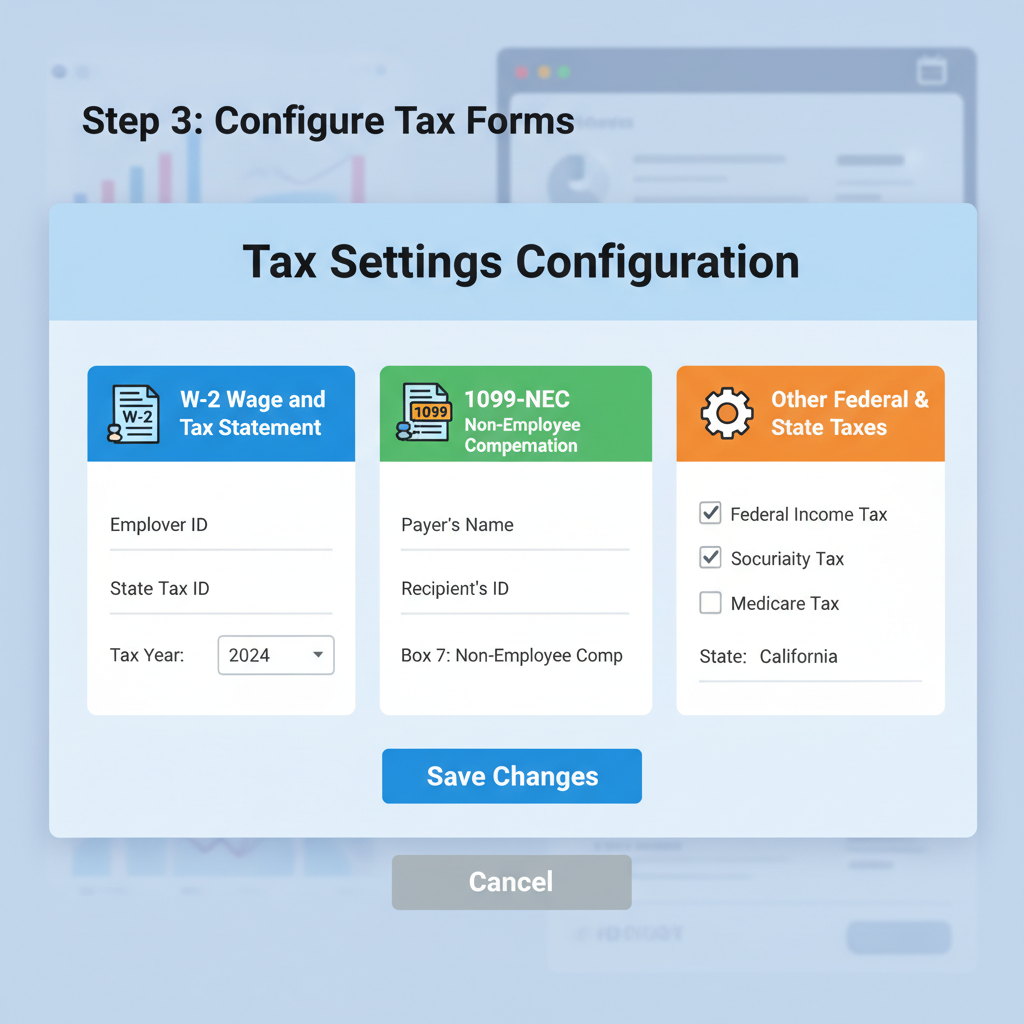
In February 2026, Decentralized Autonomous Organizations are accelerating their use of stablecoin payroll systems to pay global Web3 contributors efficiently. Platforms supporting multi-currency payouts in USDC or USDT alongside local fiat options deliver instant cross-border transfers, slash fees, and let workers select preferred methods. This evolution addresses the distributed nature of DAO teams, yet tax compliance looms large. U. S. IRS rules classify cryptocurrency as property, requiring fair market value reporting on receipt dates, with income and payroll tax withholding on Forms W-2 for employees and 1099-NEC for contractors. Form 1099-DA adds scrutiny on gross proceeds, excluding cost basis by default and risking mismatches.

Stablecoins Drive Efficiency in DAO Payroll
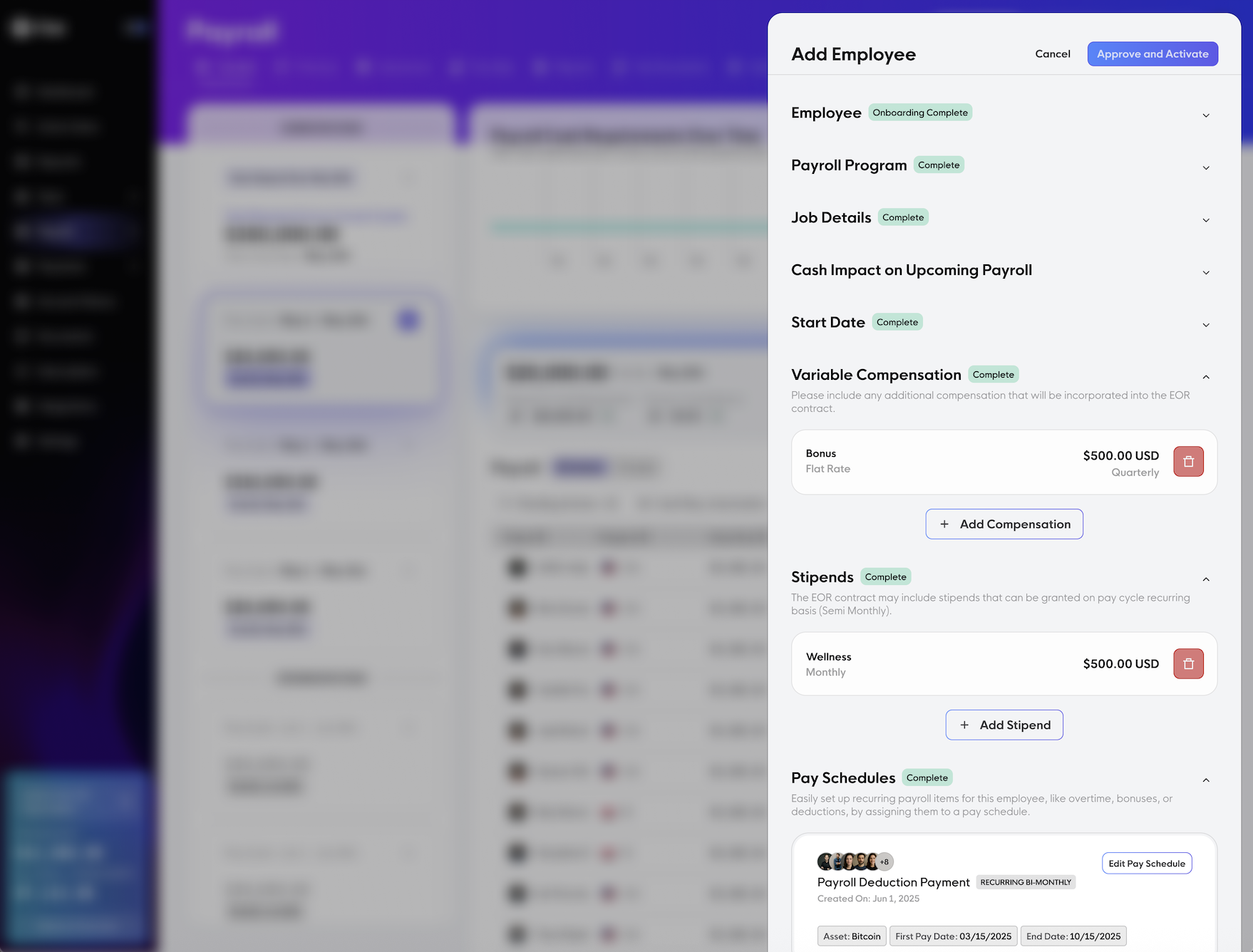
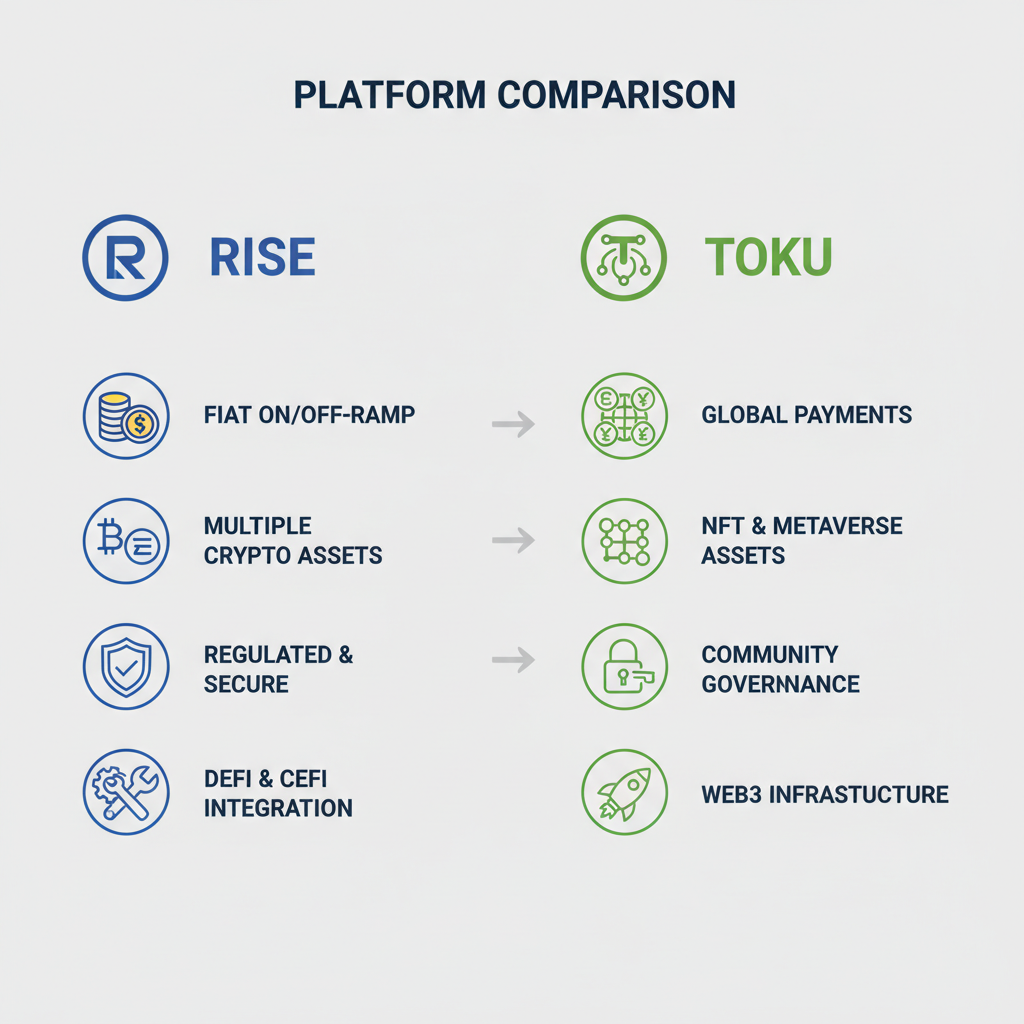
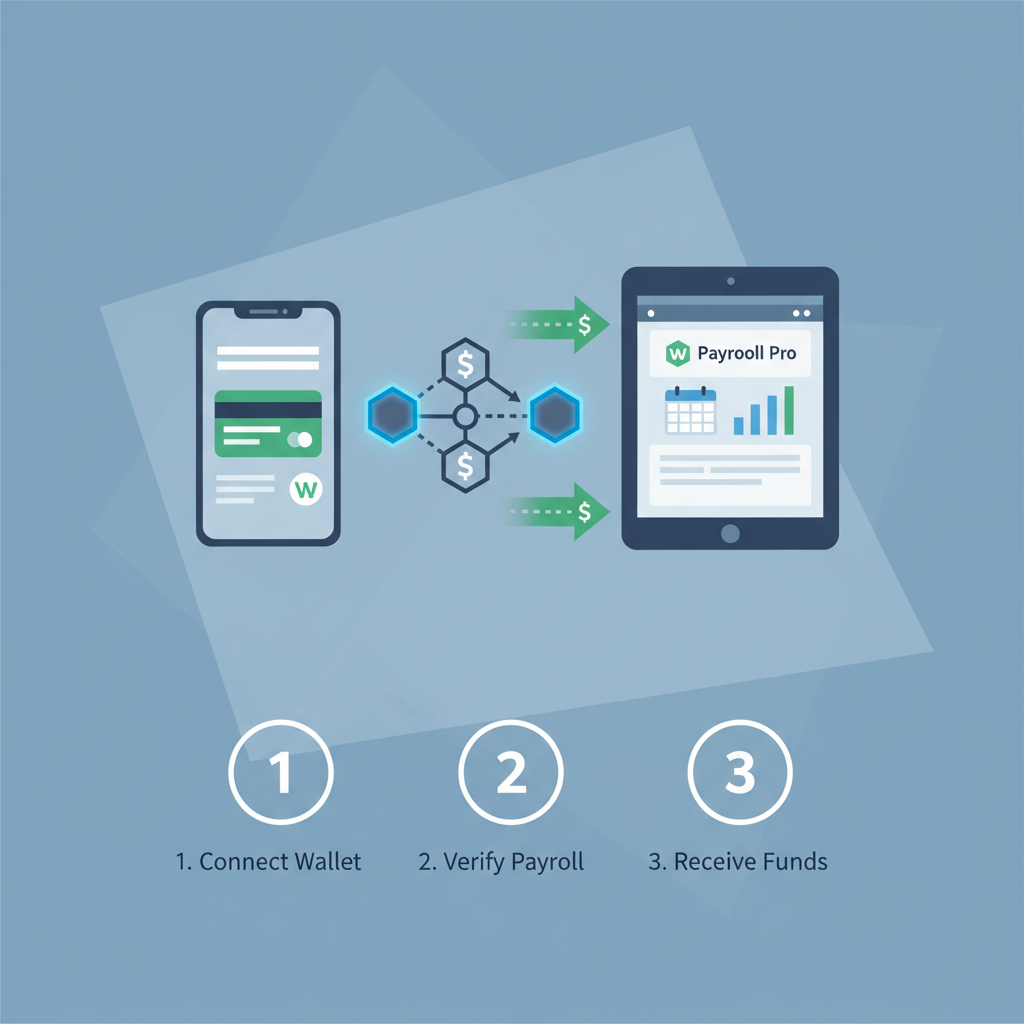
Stablecoins like USDC and USDT dominate DAO payroll for web3 contributor payments, offering pegged value that minimizes volatility risks during payouts. Data from 2026 reports highlight transaction speeds under 10 seconds for cross-border payments, compared to days for traditional wires. Reduced fees, often below 0.1%, enable DAOs to allocate more treasury funds to incentives rather than intermediaries. Rise and Toku lead this space, integrating seamlessly with DAO multisig wallets for automated distributions. This setup suits global team payroll for DAOs, where contributors span 50 and countries, demanding multi-currency DAO payouts.
Volume confirmation in adoption metrics underscores reliability: Riseworks notes a 300% uptick in crypto payroll setups since Q4 2025. Workers benefit from instant liquidity via ramps to local currencies, boosting retention in competitive Web3 talent pools. Platforms like Monetum extend this with hybrid tools blending stablecoins, SEPA, and compliance checks, signaling a mature ecosystem.

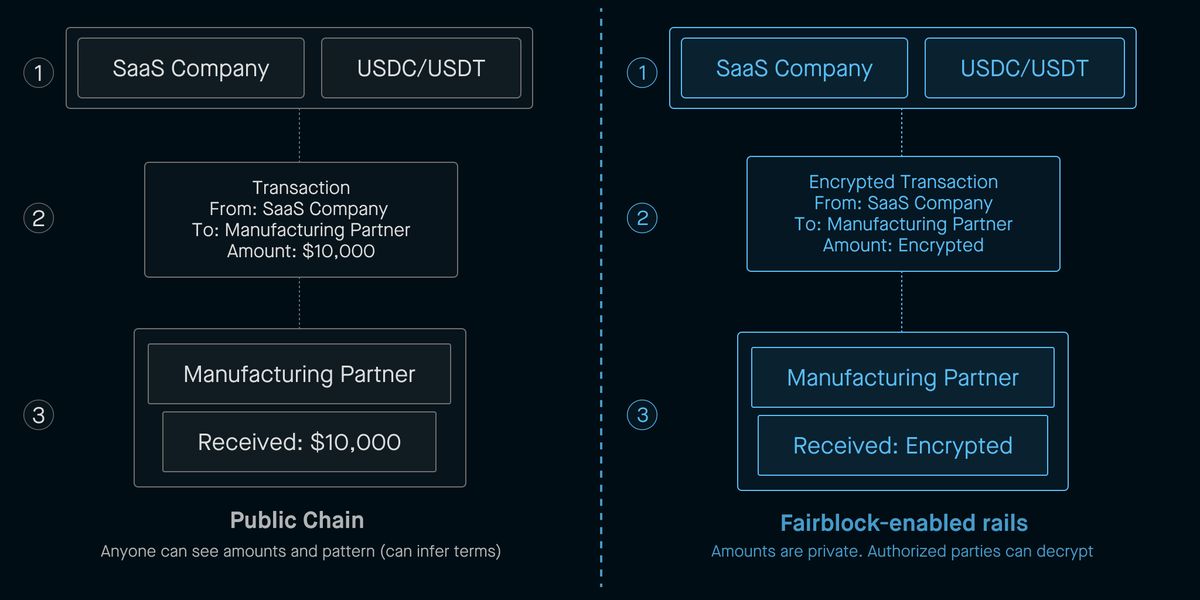
Pay vendors, contractors, and partners worldwide without leaking negotiated rates or internal spend patterns. Global rails without the exposure. https://t.co/lJUiQwuYCa
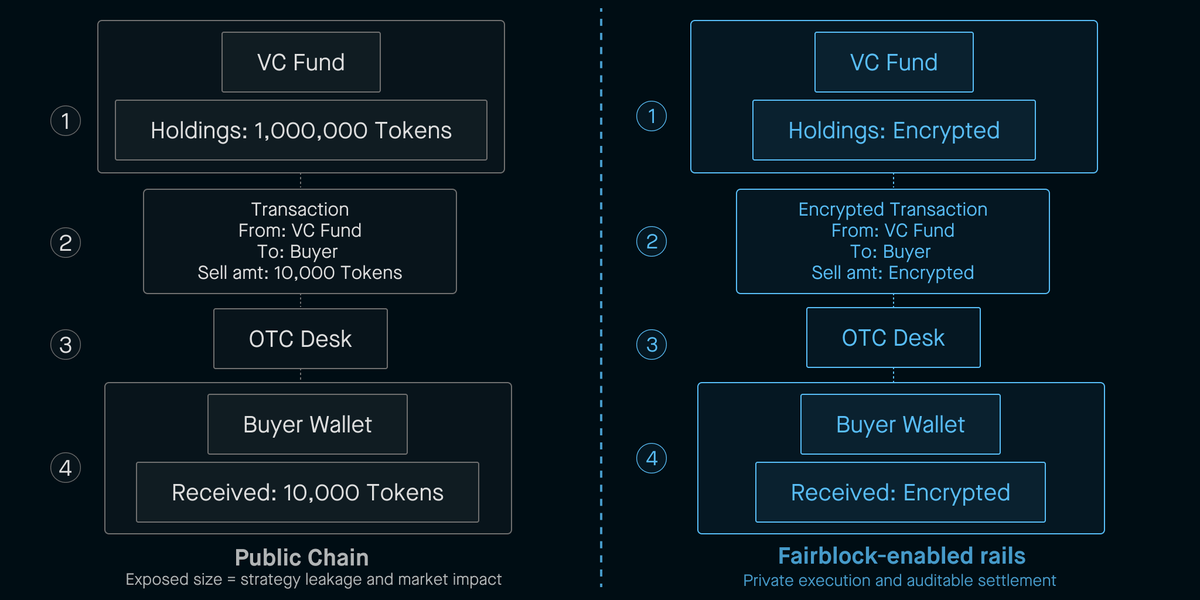
Settle buybacks, large acquisitions, and secondary trades onchain without leaking size or intent in real time. https://t.co/B3fl6zvApY
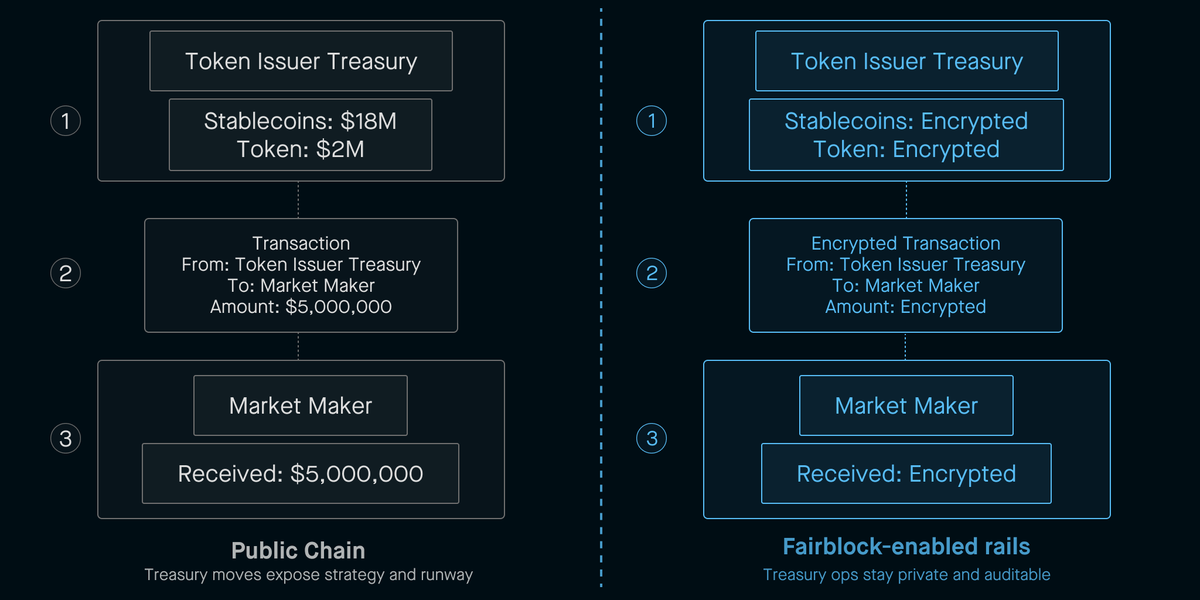
Rebalance, allocate, and settle with market makers without signaling runway, liquidity shifts, or strategy to competitors. https://t.co/HOFLK57Qsw
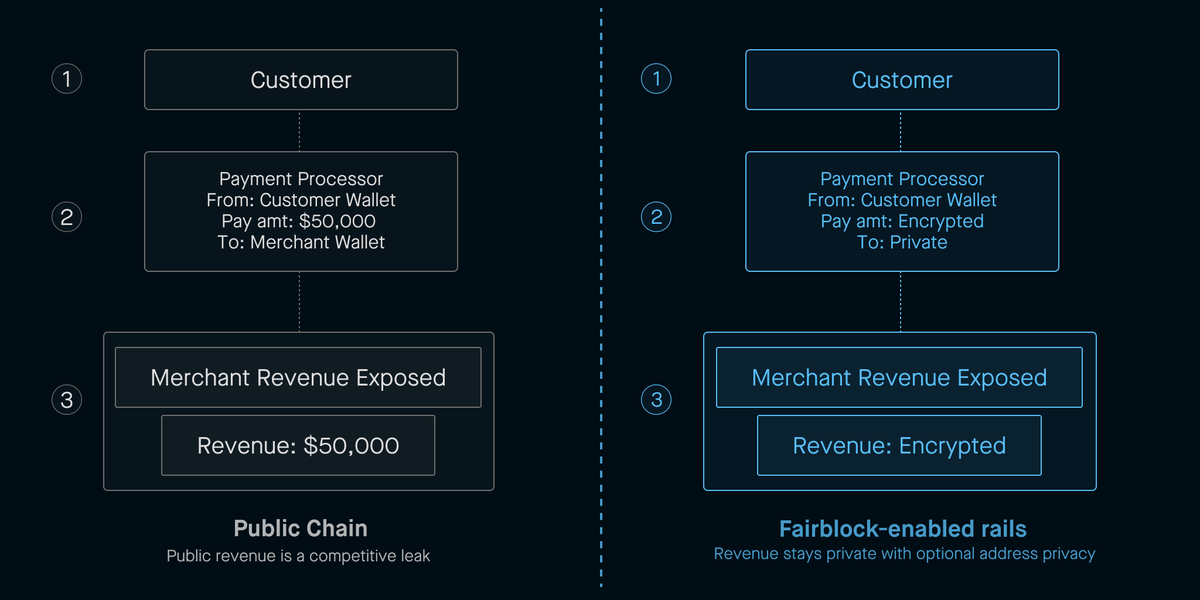
Accept stablecoins without making revenue spikes and sales volumes trivial to track. Activity can stay transparent for traceability but amounts shouldn’t be. https://t.co/CCPy70b39F
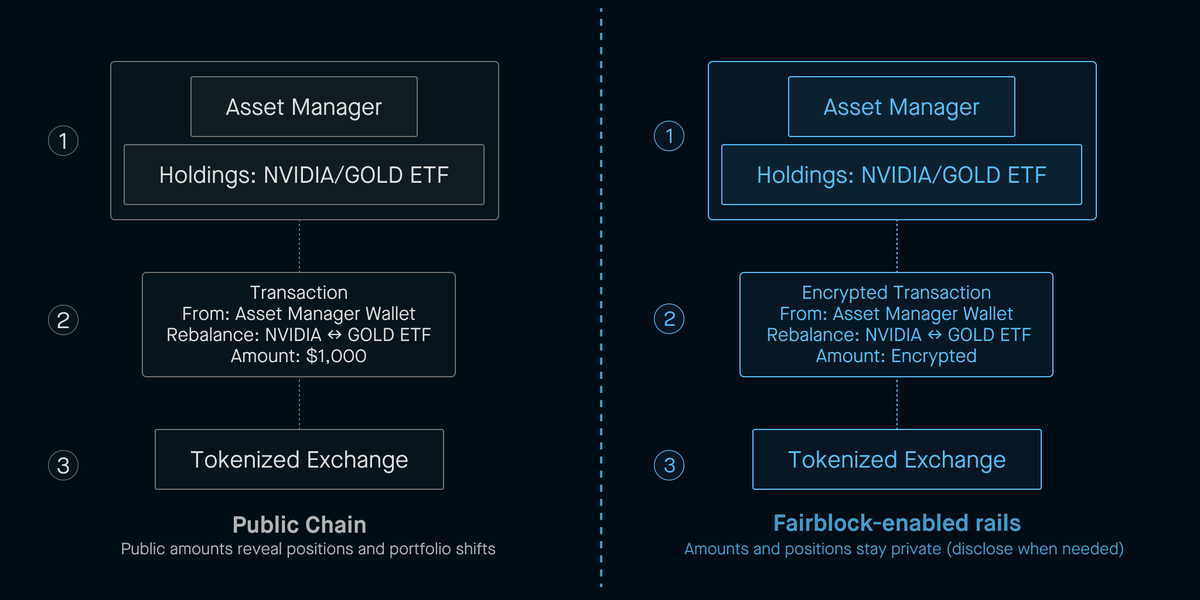
RWAs are being tokenized and moving onchain, but transaction size shouldn’t be public. Keep amounts private, with selective disclosure for audit and compliance when required. https://t.co/aeEBn86zfD
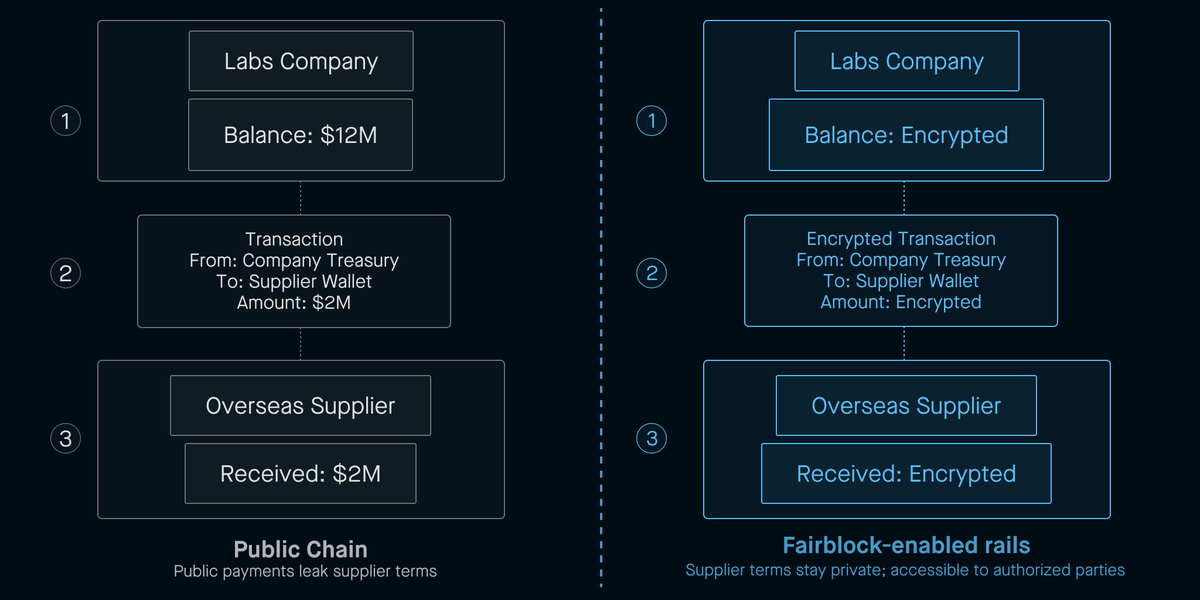
Settle invoices without exposing pricing terms, order volume, or payment cadence to every observer. https://t.co/eK9HkKaAed
Deposit or withdraw without revealing position sizing and allocation amounts so proprietary strategies are not exposed. https://t.co/grtUwaWr36
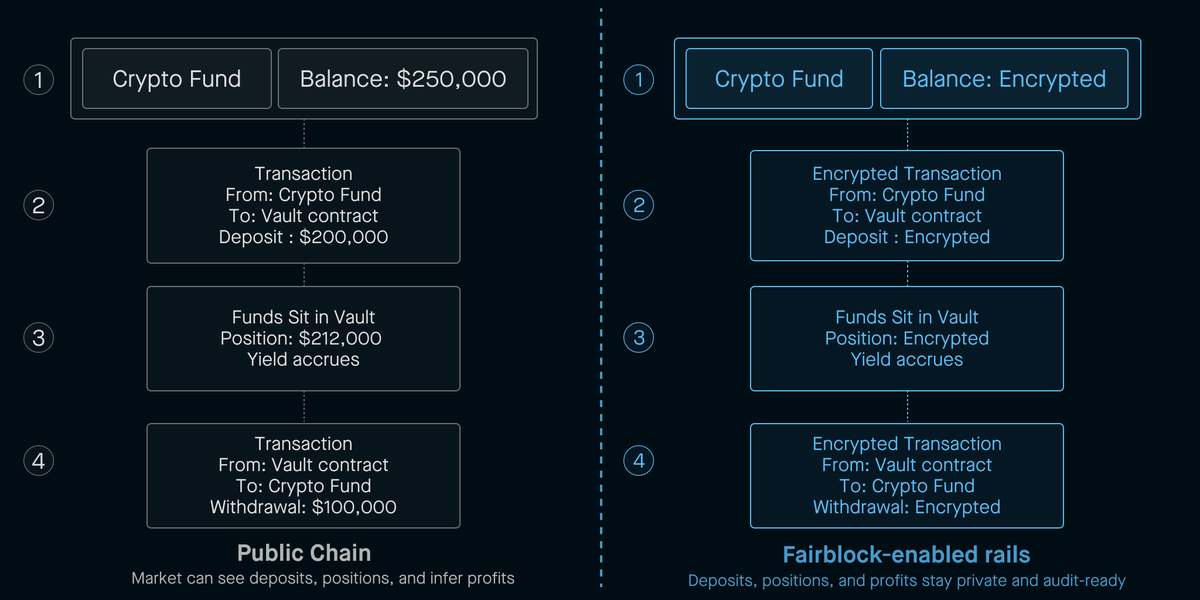
Post funds, settle positions, and rebalance without broadcasting size and direction. Intent is harder to infer. Settlement stays verifiable and auditable. https://t.co/2lyjvJFEe9
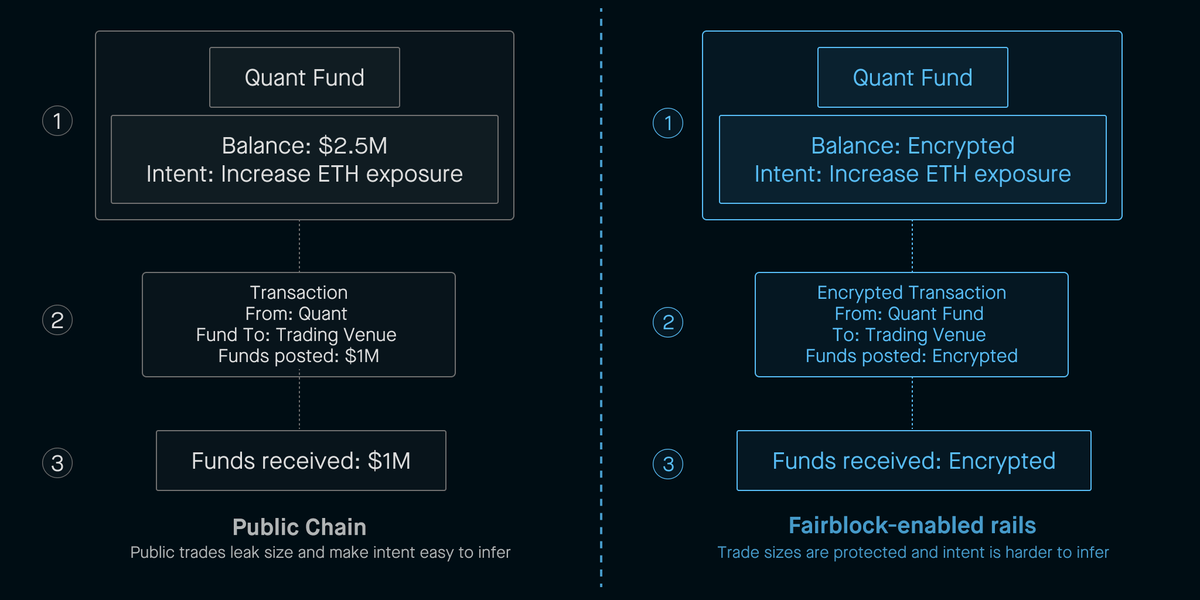
Money can move onchain. Business data doesn’t have to. https://t.co/mQ8jni973l

U. S. Tax Withholding Mandates for Crypto Wages
The IRS enforces strict protocols for crypto payroll compliance. Payments must reflect fair market value at receipt, triggering immediate tax calculations. Employers withhold federal income tax up to 37%, plus FICA at 7.65% for employees, reported quarterly via Form 941. Contractors receive 1099-NEC for earnings over $600 annually. New Form 1099-DA mandates gross proceeds reporting for digital asset brokers starting 2026, heightening audit risks without cost basis data.
Thomson Reuters highlights intensified regulatory pressure, with e-filing mandates and OBBBA changes demanding precise tracking. DAOs classify most contributors as independent contractors, simplifying structures but amplifying 1099 obligations. Non-compliance penalties reached $1.2 billion industry-wide in 2025, per irisglobal. com updates. Tax automation for DAOs via API-integrated platforms proves essential, auto-generating forms and flagging thresholds.
IRS Form 1099-DA: Key Requirements, Reporting Thresholds, Penalties, and Multi-Currency Considerations for DAO Payroll in 2026
| Aspect | Key Requirements | Reporting Threshold | Penalties (2026 Adjusted Rates) | Multi-Currency Considerations |
|---|---|---|---|---|
| Filing Obligation | DAOs and payers treated as digital asset brokers must issue Form 1099-DA to US contributors for crypto payments or dispositions. | $600 aggregate gross proceeds per recipient | $70 per form (late filing <30 days); $140 (30+ days); $350 (intentional disregard) | Value payments in stablecoins (USDC, USDT) or fiat at USD fair market value (FMV) on receipt date. |
| Recipient Details | Report recipient’s name, address, and TIN (SSN/EIN). | N/A | $70 per incorrect or missing TIN | Use US recipient’s details; for global contributors, verify US tax status. |
| Gross Proceeds | Report total gross proceeds from digital asset payments/wages without cost basis. | $600 per recipient per year | Same as filing penalties; additional scrutiny for mismatches | Convert all currencies/crypto to USD FMV using reliable exchange rates (e.g., CoinMarketCap spot price). |
| Cost Basis Reporting | Not required on Form 1099-DA; recipient tracks for tax purposes. | N/A | N/A | DAOs document FMV sources; no basis reporting eases DAO compliance but increases recipient burden. |
| Backup Withholding | Withhold 24% on reportable payments if no valid TIN provided. | Applies if threshold met | 100% of unwithheld amount + interest and penalties | Withhold based on USD FMV; remit in USD or equivalent. |
| Due Dates & E-Filing | Provide to recipients by Jan 31; file with IRS by Feb 28 (paper) or Mar 31 (electronic). IRS mandates e-filing for 10+ forms. | N/A | Timeliness penalties as above; $350 max per form | Global DAOs use platforms like Rise or Toku for automated FMV tracking and filing. |
| Penalty Mitigation | Request waiver for reasonable cause (e.g., new 2026 rules). | N/A | Varies; up to full waiver possible | Maintain records of multi-currency conversions and compliance efforts for audits. |
Global Variations Demand Adaptive Compliance Strategies
Beyond the U. S. , jurisdictions diverge sharply. EU countries enforce MiCA rules for stablecoin transfers over €1,000, requiring KYC and VAT reporting. Asia-Pacific nations like Singapore impose 22% GST on certain crypto services, while Brazil mandates monthly eSocial filings for cross-border wages. Gloroots and Native Teams emphasize employer-of-record models to shield DAOs from direct exposure, handling local payroll taxes and filings.
Ogletree analysis points to crypto options attracting Web3 talent, yet key risks include unreported gains and double taxation. Bolto’s 2026 guide ranks top multi-country solutions by coverage: 180 and countries for leaders like Rise, with integrations for treasury tools. Enterprise Workforce Solutions warns against siloed systems; unified cross-border payroll web3 platforms aggregate data for GDPR-compliant reporting. DAOs leveraging these mitigate fines averaging 5-10% of payroll volume in non-compliant cases.
Platforms like Rise stand out in Bolto’s top 10 for 2026, covering 180 countries with crypto-fiat hybrids and EOR integrations. Their API handles treasury rotations akin to volume-confirmed breakouts in crypto charts, ensuring payouts align with DAO governance votes without slippage.
Top 2026 Multi-Currency DAO Payroll Platforms Comparison
| Platform 🏢 | Coverage (# countries 🌍) | Crypto Support (USDC/USDT/SEPA 💰) | Compliance Automation (Yes/No ✅) | Avg Fee (%) 💸 | EOR Option (Yes/No 🛡️) |
|---|---|---|---|---|---|
| **🟢 Rise 🥇** 99.9% Uptime | 200+ 🌍 | USDC/USDT/SEPA + Stablecoins/Wise 💰💰💰 | **Yes (AI-Driven)** ✅✅ | **0.5% 🟢** (40% lower TCO) 💸 | **Yes** 🛡️ |
| Toku | 150 🌍 | USDC/USDT/SEPA 💰💰 | Yes ✅ | 0.9% 💸 | Yes 🛡️ |
| Monetum | 100 🌍 | USDC/SEPA/Stables 💰💰 | Yes ✅ | 1.2% 💸 | Hybrid 🛡️ |
| Gloroots | 160 🌍 | Crypto/Fiat/SEPA 💰💰 | Yes ✅ | 1.4% 💸 | **Yes (Specialized)** 🛡️ |
| *Rise leads Native Teams’ 2026 rankings for global Web3 payroll.* |
Volume spikes in platform adoption mirror treasury inflows: Riseworks reports 450% growth in DAO clients post-2025 regulations. Toku excels in tax automation, generating localized forms like Brazil’s eSocial or Singapore GST reports. For DAOs rotating treasuries across chains, these tools confirm patterns of scalability, much like high-volume candles validate uptrends.
Implementing Compliant Payroll Rails: A DAO Playbook
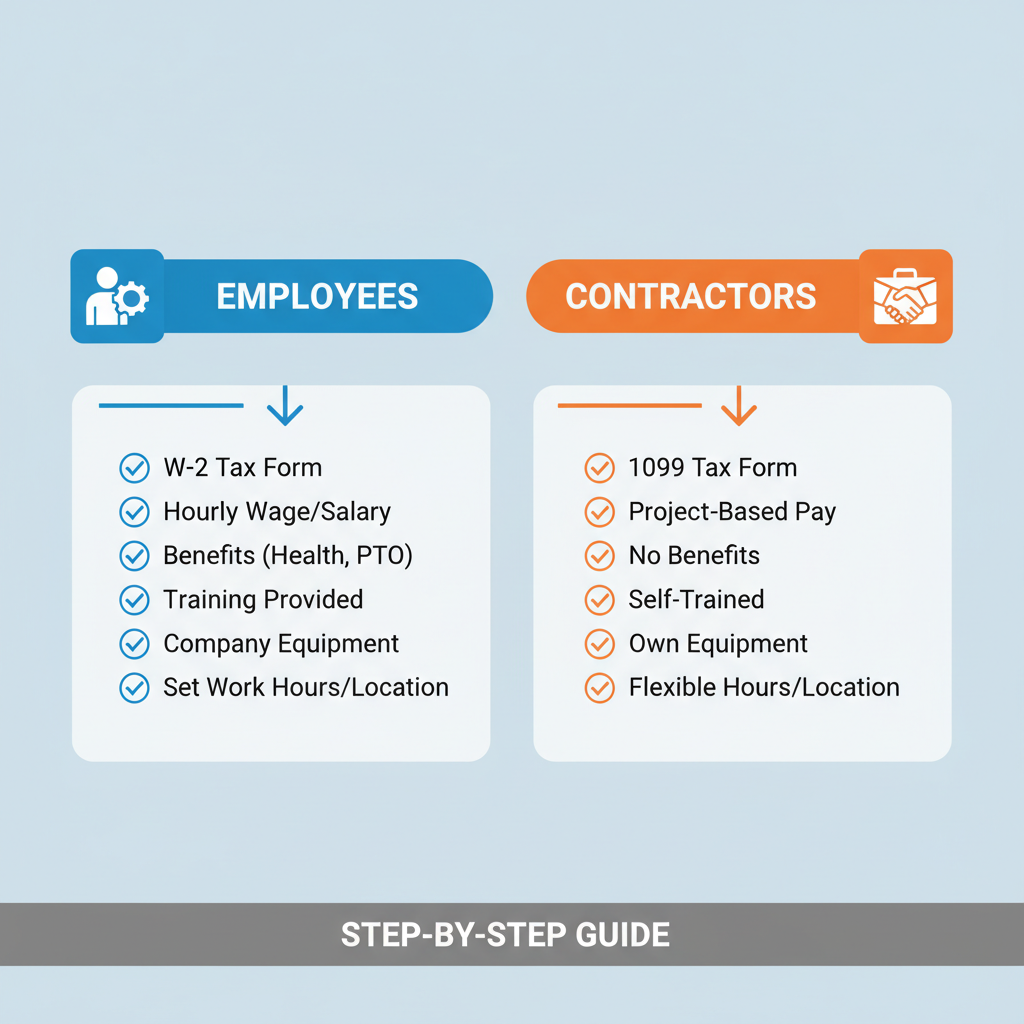
Start with contributor classification: 92% of Web3 workers qualify as contractors per Ogletree, easing DAO structures. Integrate multisig wallets to platforms via APIs, automating multi-currency DAO payouts on proposal passage. Set fair market value oracles for IRS-compliant valuation, withholding via stablecoin reserves. Quarterly audits via tools like Thomson Reuters checklists catch variances early.
5 Steps to Launch Compliant DAO Payroll for Global Web3 Contributors
Enterprise Workforce Solutions stresses unified data flows; siloed ledgers invite GDPR fines up to 4% of treasury value. Opinion: DAOs ignoring hybrid platforms risk the compliance equivalent of a fakeout rally, burning capital on penalties. Rise’s end-to-end rails, from onboarding to 1099-DA filing, deliver precise execution, confirmed by 2026 user metrics showing 85% time savings.
Let’s talk about @zama one of the most promising projects in Web3 right now.
They’re building something we’ve needed for years:
👉 real privacy for smart contracts.
Right now, everything on-chain is public.
Your balances.
Your transactions.
Even the logic behind smart contracts.
It’s transparent,but not private.
Zama wants to fix that.
They’re using something called Fully Homomorphic Encryption (FHE), a way for smart contracts to process encrypted data without ever seeing it.
Imagine running payrolls, medical data, or credit checks on-chain, with full confidentiality.
That’s what Zama is making possible.
🧪 The testnet is already live.
Developers are exploring Zama’s FHEVM, a version of Ethereum where every piece of data stays private from start to finish.
A new kind of blockchain experience is taking shape.
🌐 Mainnet is expected in late 2025, starting on Ethereum.
Then expansion to other EVM chains… and even Solana in 2026.
Big plans for privacy across the multi-chain world.
⚙️ What’s coming next:
• Easier tools for encrypted contracts
• Hardware acceleration for faster performance
• Upgraded libraries like TFHE rs and Concrete ML
Zama is making FHE usable and scalable for real apps.
🧑🤝🧑 The community matters.
Zama is rolling out SDKs, open-source repos, and early programs that could reward active builders and contributors.
It’s the perfect time to get involved early.
💡 Why it matters:
If Zama succeeds, we could finally see:
• Private DeFi
• Confidential AI models
• Secure digital identity and payments
Privacy will become programmable.
Mainnet 2025 could be the turning point, when transparency and privacy finally live together on-chain.
Navigating 2026 Risks with Proactive Tools
Ogletree flags double taxation traps in jurisdictions like India, where TDS on crypto exceeds 30%. Irisglobal’s compliance update mandates U. S. e-filing for all payroll over $50,000, with OBBBA expanding broker definitions to DAOs. Proactive DAOs deploy tax automation for DAOs, using AI-driven withholding that adapts to MiCA thresholds. Monetum’s hybrid model shines here, routing via compliant rails to dodge unreported gains.
Charts of adoption don’t lie: Platforms with volume-backed compliance see 25% higher contributor retention, per Riseworks. This incentivizes global teams, turning payroll from cost center to talent magnet.
Forward-thinking DAOs treat payroll as a treasury lever, leveraging Rise or Toku for frictionless cross-border payroll web3. With regulations sharpening, these rails not only pay but propel decentralized workforces into sustained growth.