
DAO Contributor Payroll: Automating Multi-Currency Payouts for Global Web3 Teams

In the fast-evolving landscape of decentralized autonomous organizations, DAO contributor payroll has emerged as a critical function demanding both efficiency and precision. Global web3 teams, often scattered across time zones and jurisdictions, rely on seamless multi-currency DAO payouts to keep contributors motivated and operations humming. Yet, traditional payroll systems falter here, bogged down by volatile crypto rates, fragmented banking rails, and a maze of tax regulations. Enter automation: blockchain-powered tools that convert treasuries into instant, compliant payouts in USDC, ETH, or local fiat, all while logging every transaction immutably on-chain.


Consider a DAO treasury held in ETH. Manual distributions mean bridging to stablecoins, wiring via legacy banks, or airdropping tokens with inevitable slippage from gas fees and forex spreads. Automation flips this script. Platforms integrate directly with multisig wallets like Safe, triggering web3 team payroll automation via smart contracts. Contributors receive steady streams, vested tokens, or milestone grants without ops teams lifting a finger. This isn’t just convenience; it’s a competitive edge in retaining top talent amid web3’s talent wars.
Overcoming Forex Volatility in Global DAO Payments
Forex fluctuations hit DAOs hardest. A contributor in Georgia expects GEL equivalent of their USDC stipend, but spot rates shift mid-month, eroding value. Tools like TransFi’s APIs embed real-time conversion oracles, pegging payouts to treasury snapshots at payroll run-time. No more overpaying on unfavorable rates or underdelivering due to delays. For tax compliance, these systems generate auditable trails: every payout timestamped, geo-tagged, and withholding-calculated per jurisdiction.
Rise exemplifies this hybrid approach. Their automated KYC onboarding feeds into payroll engines that split payments: 70% stablecoin for immediacy, 30% local currency via SEPA or ACH. This mitigates global DAO payments tax compliance risks, as seen in flows like contractor invoices or stablecoin net pay, which sidestep immediate taxable events compared to raw token drops.
Top DAO Payroll Platforms
-
Rise: Hybrid fiat/crypto payroll for global Web3 teams with automated KYC and tax compliance.
-
Sablier: Streaming payments integrating with Safe multisig for automated on-chain DAO payroll.
-

TransFi: Stablecoin APIs for automated, auditable multi-country contributor payments.
-

Gegidze: Georgia-focused payouts for DAOs, enabling quick worldwide payments with crypto flexibility.
-

Toku: Guide and tools for USDC/BTC/ETH payroll, ensuring legal compliance for global teams.
Smart Contracts as the Backbone of Payroll Streams
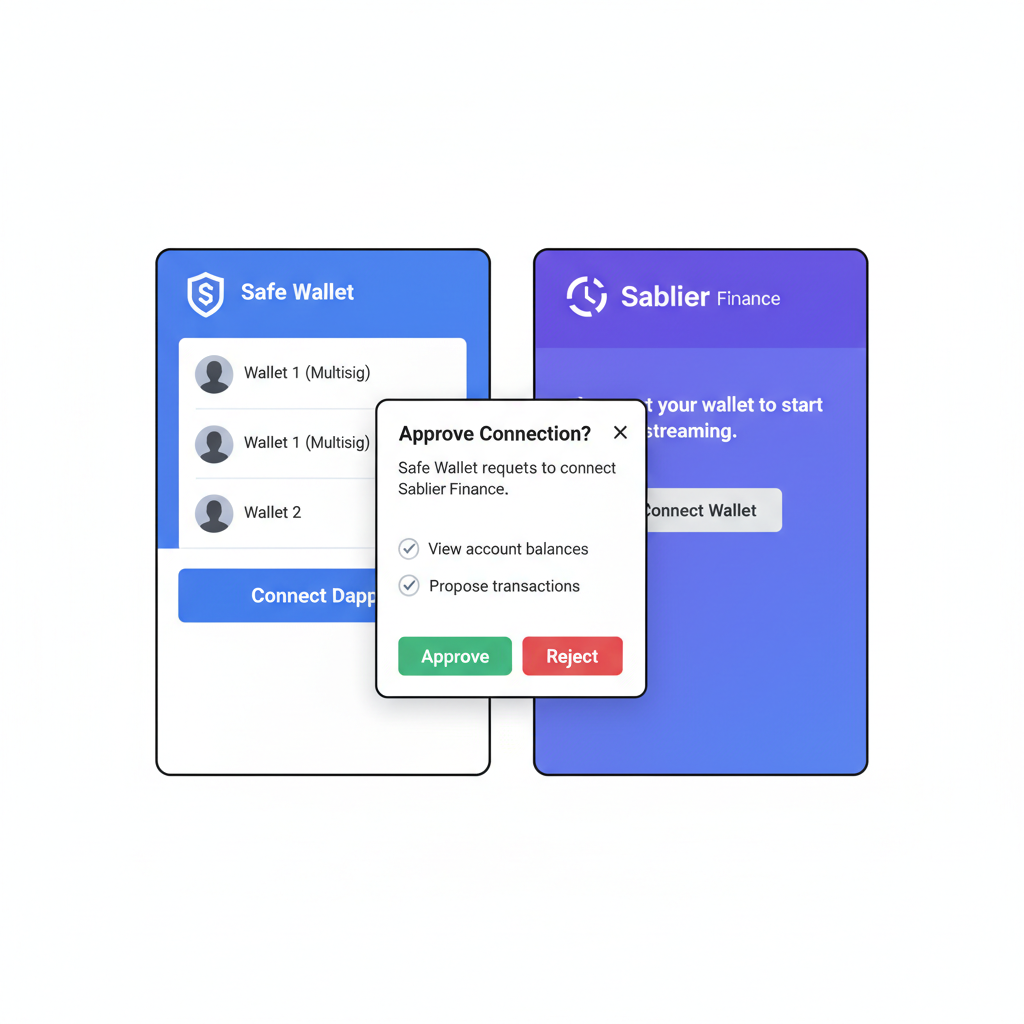
Sablier stands out for its streaming protocol. DAOs connect their Safe wallet, define contributor vesting schedules, and deploy a contract that drips funds continuously. Want monthly payouts? Set it to cliff at the 30th, converting via integrated DEX aggregators for minimal slippage. This eliminates batch errors; if a contributor leaves mid-stream, the contract cancels instantly, refunding treasury.
Monetum adds euro ramps with stablecoin bridges, ideal for EU-heavy teams. Their hybrid tools handle SEPA credits alongside on-chain USDC, reporting both to compliance dashboards. Meanwhile, Paynest’s playbook outlines 2026 ops: milestone grants tied to GitHub merges, token vesting over 12 months, all automated to dodge tax drama. These aren’t gimmicks; they’re engineered for scale, processing thousands of payouts without proportional headcount.
Tax-Safe Flows for Contributor Rewards in DAOs
Tax pitfalls loom large. Direct token grants often trigger immediate income recognition, slamming contributors with surprise liabilities. Smarter flows prevail: EOR payroll via Rise outsources withholding; contractor invoices defer recognition; stablecoin net pay post-withholding keeps it clean. Hash Block’s top five? EOR, invoices, stablecoins, vesting, milestones. Each reduces audit exposure while preserving crypto flexibility.
Franklin nails U. S. compliance, syncing crypto ops with 1099 filings. For international, Gegidze streamlines Georgia payouts, blending legal fiat rails with crypto speed. Toku’s 2025 guide stresses USDC for stability, ETH for upside, BTC for hedges, all wrapped in KYC layers. DAOs adopting these see 40% faster cycles, per industry benchmarks, freeing treasuries for growth over admin.
Integrating these solutions starts with treasury alignment. DAOs using Safe multisigs pair effortlessly with Sablier for on-chain streams, converting treasury assets into continuous USDC flows. TransFi’s APIs layer on top, enabling cross-border stablecoin disbursements with built-in audit logs. This setup handles contributor rewards DAO structures like vesting cliffs or milestone triggers, all programmable via simple contract parameters.
Step-by-Step Automation for Web3 Payroll
Automate DAO Payroll: 5-Step Sablier & TransFi Guide
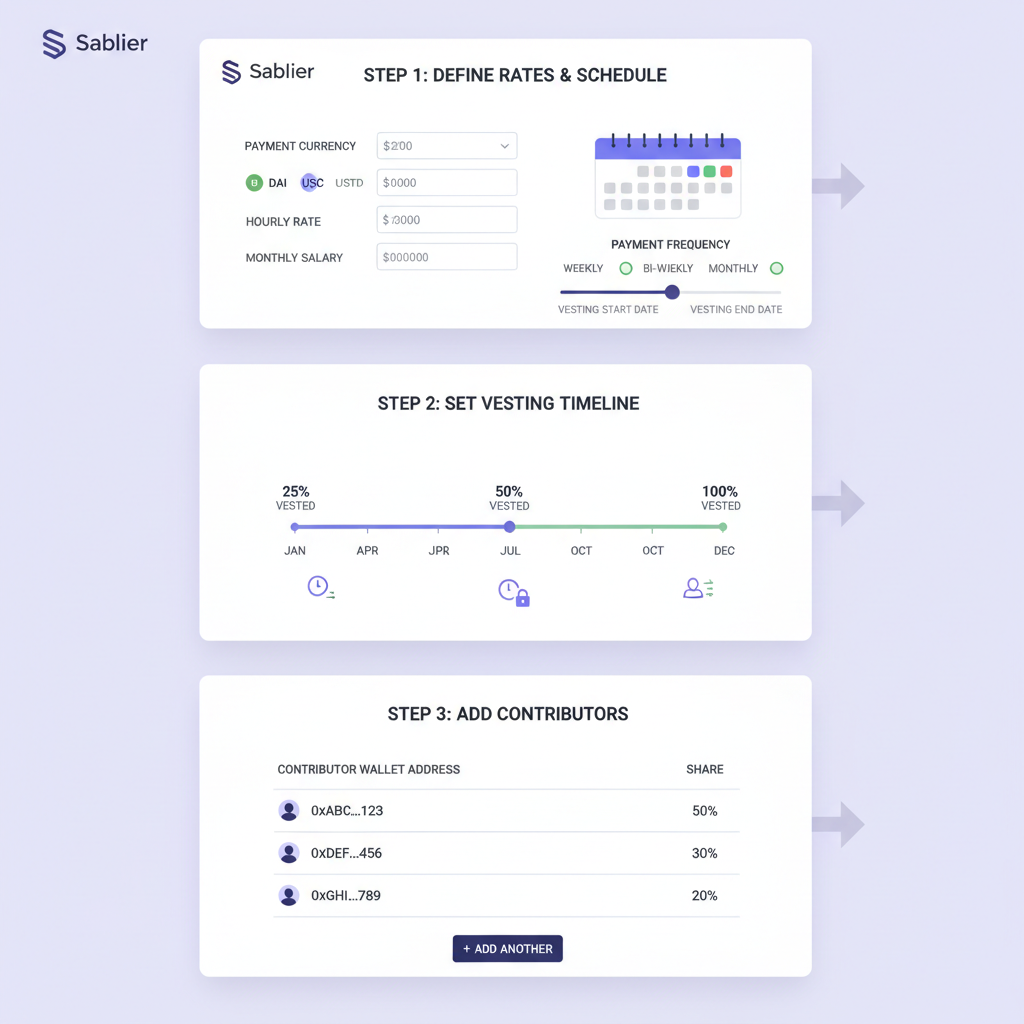
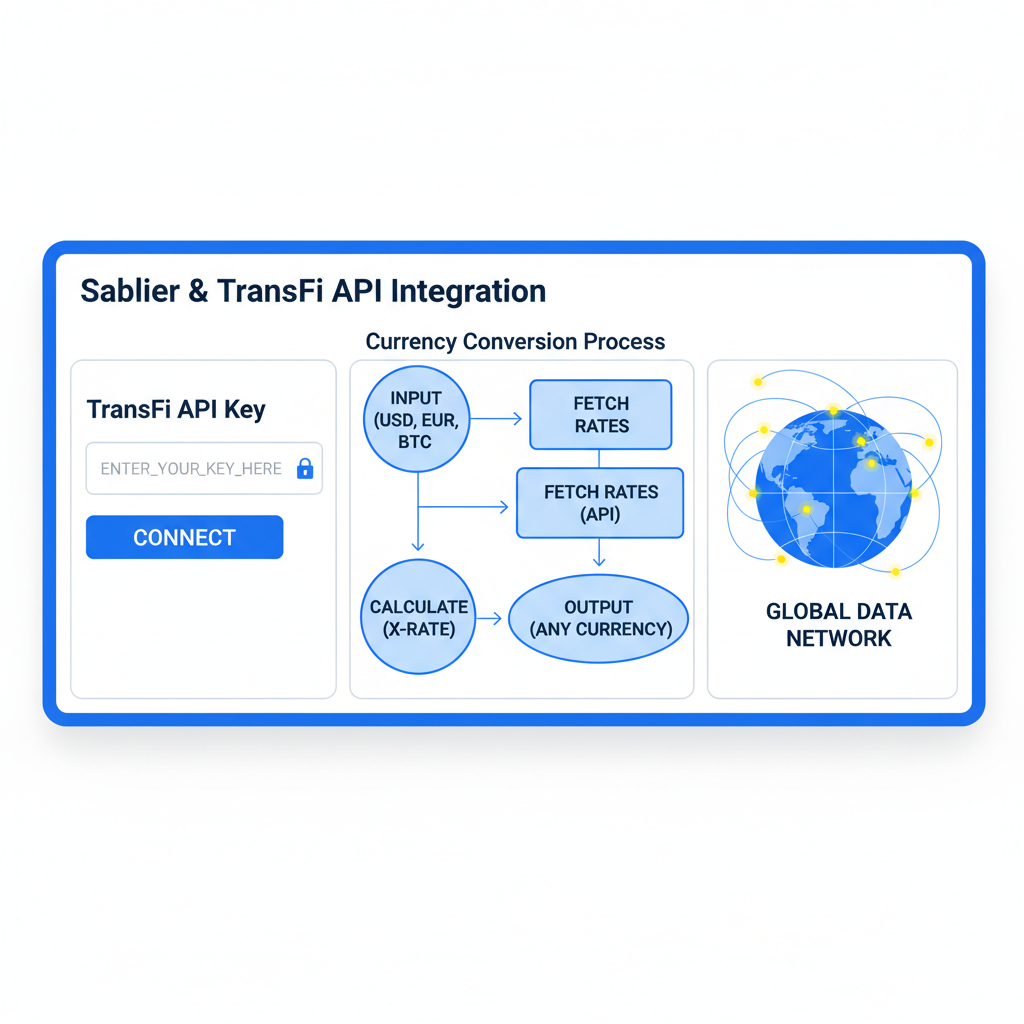
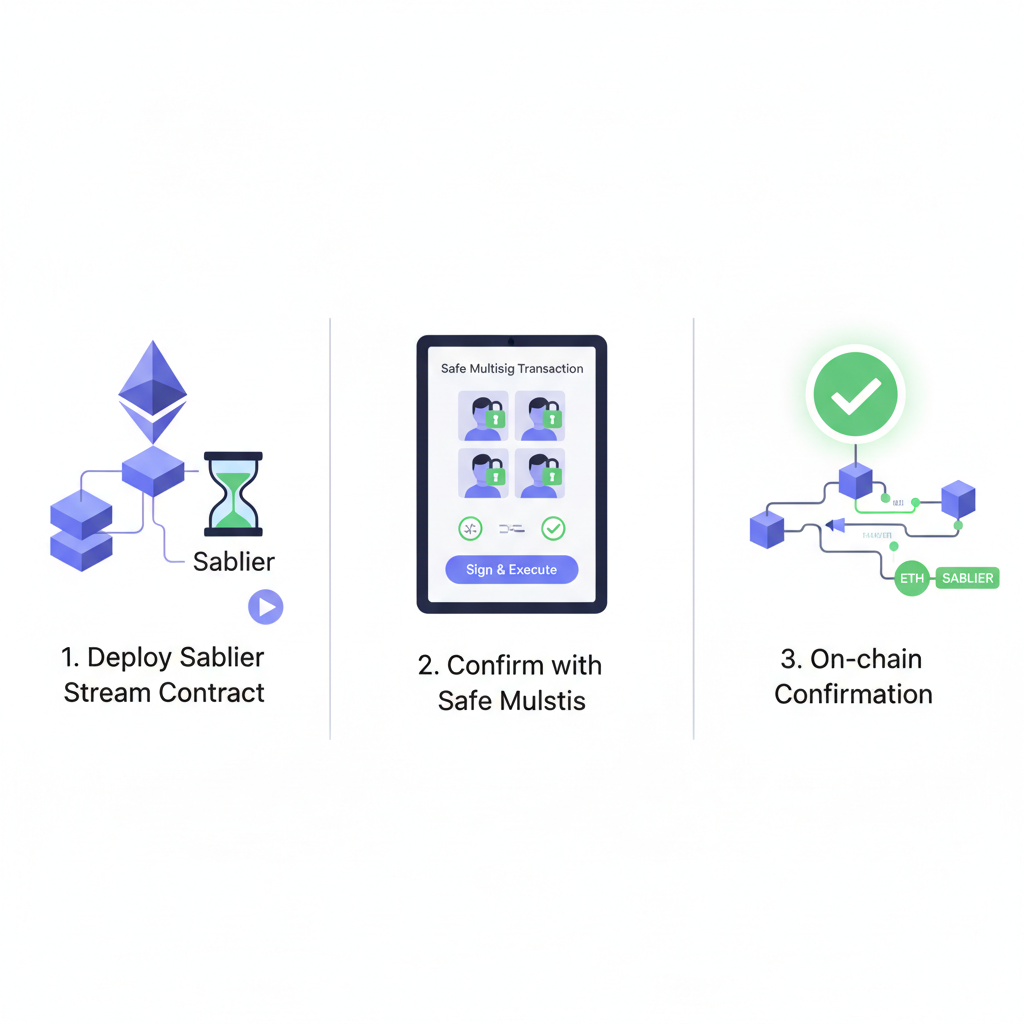
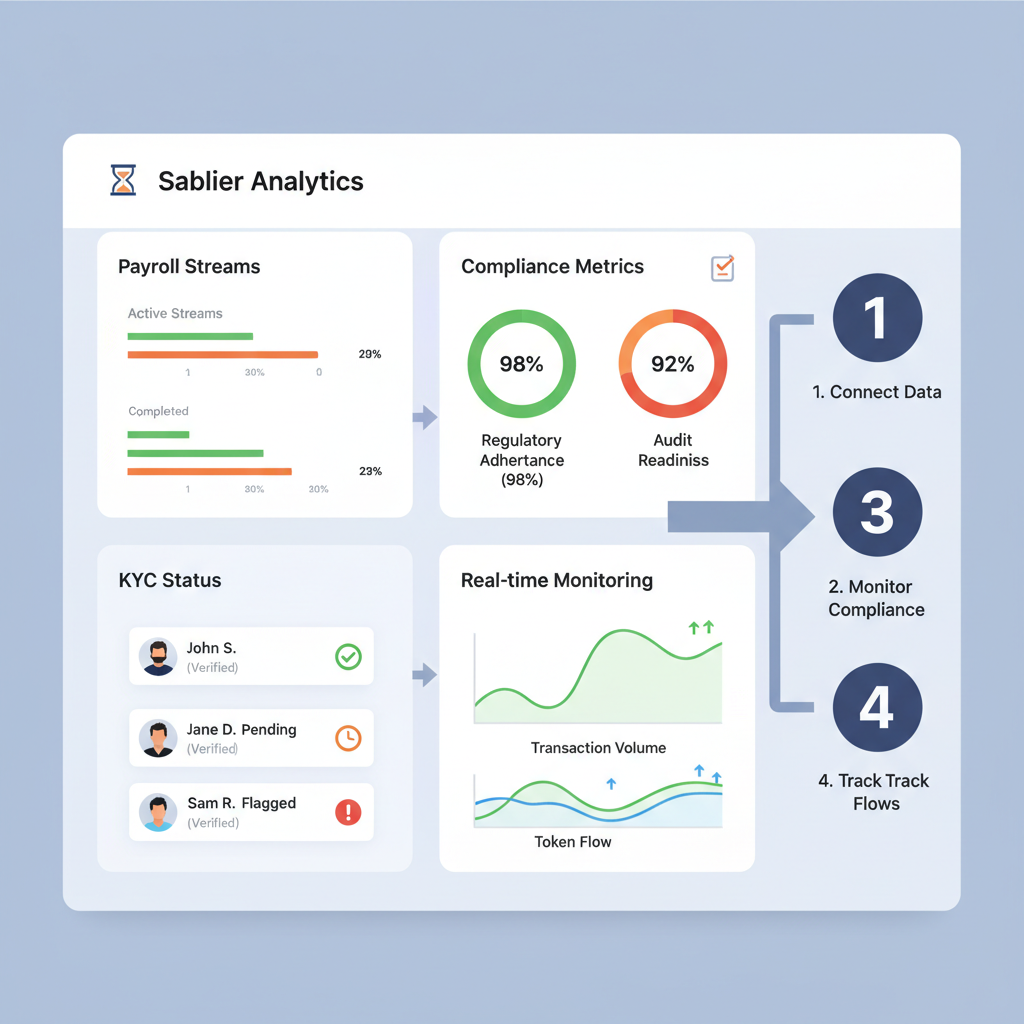
Once deployed, these streams enforce precision. A developer in Argentina receives exact USDC equivalent of their ETH-denominated salary, adjusted live against treasury value. No overages from gas spikes or forex drift. Rise complements this with fiat splits, routing portions through compliant EOR channels for teams needing local payroll stubs. The result? Operations scale without added headcount, as one ops lead manages payouts for hundreds.
Compliance remains non-negotiable. Platforms embed KYC at onboarding, generating jurisdiction-specific reports. For U. S. contributors, Franklin auto-files 1099s alongside crypto traces. EU teams leverage Monetum’s SEPA-stablecoin hybrids, dodging MiCA pitfalls. Georgia-based ops via Gegidze tap local rails, converting crypto to GEL instantly while logging for tax authorities. Toku’s framework prioritizes USDC for its peg stability, ETH for growth alignment, BTC as a volatility hedge, all within legal wrappers.
Platform Comparison: Features That Matter
Comparison of DAO Payroll Platforms 🎯
| Platform | Multi-Currency Support 💱 | Automation Level 🤖 | Tax Compliance Tools 📊 | Key Strength ⭐ |
|---|---|---|---|---|
| Rise | Hybrid fiat/crypto 💵🪙 | High 🚀 | KYC and 1099 📋 | EOR payroll 🌍 |
| Sablier | Stablecoins/ETH 💰 | Streaming contracts 📡 | On-chain audits 🔍 | Vesting streams ⏳ |
| TransFi | Global stablecoins 🌐💎 | API integrations 🔌 | Geo-tagged logs 📍 | Cross-border speed ⚡ |
| Gegidze | GEL/crypto 🇬🇪🪙 | Medium ⚖️ | Local filings 📄 | Georgia expertise 🏔️ |
| Toku | USDC/BTC/ETH 💎₿🪙 | Guide-based 📖 | Withholding calc 🧮 | 2025 compliance ✅ |
Choosing hinges on team makeup. Pure crypto DAOs lean Sablier for zero-friction streams; hybrid ops pick Rise for fiat bridges. Paynest’s 2026 playbook pushes milestone grants linked to on-chain proofs, like IPFS-verified deliverables, minimizing tax events. Hash Block’s flows prove resilient: contractor invoices batch deductions, stablecoin nets post-withhold, vesting defers gains. DAOs running these report 40% cycle gains, per benchmarks, redirecting focus to protocol upgrades over spreadsheet wars.
Franklin’s Avalanche integration shines for U. S. -centric teams, syncing contractor payments with full W-2 compliance. Globally, these tools converge on a truth: automation isn’t optional. As DAOs treasury billions, manual errors compound into regulatory nightmares. Instead, oracle-fed conversions and smart contract logic deliver multi-currency DAO payouts that adapt to rate swings, jurisdiction shifts, and contributor churn.
Forward-thinking DAOs embed this now. Link treasury to streaming protocols, API-wrap conversions, and dashboard compliance. Contributors stay paid, motivated, borders irrelevant. Ops leads sleep soundly, treasuries compound efficiently. In web3’s decentralized grind, that’s the real payout: sustainable scale without the friction.