Why streaming beats batch payments
Traditional payroll operates on a batch model: you calculate hours, approve a lump sum, and transfer tokens at the end of the month. This approach ties up capital and creates friction. When a contributor leaves early in the pay cycle, the DAO still owes them for time not worked, or worse, the contributor has already spent funds they haven't fully earned.
Onchain payroll automation via streaming solves this by treating salary as a continuous flow rather than a discrete event. Instead of a monthly transfer, tokens stream in real-time per second. This means you only pay for the exact time a contributor is active. If a developer logs off on Friday, the stream stops instantly. There is no reconciliation, no overpayment, and no waiting for bank settlements.
Beyond liquidity, streaming builds trust through transparency. Contributors can see their earnings accumulating in real-time, removing the ambiguity of "when will I get paid?". This aligns incentives and reduces administrative overhead. Platforms like Sablier enable this by allowing any organization to set up real-time token payroll in minutes, whether paying one contributor or thousands Sablier Blog. This shift from batch to stream is the foundation of efficient DAO payroll automation.
Choose your payroll protocol
The protocol you select dictates how funds move from the treasury to contributors. For DAO payroll automation, the choice usually comes down to streaming money in real time versus locking funds into scheduled releases. Your decision should hinge on two factors: the payment structure you need and the level of multisig security required.
Streaming vs. Lockups
Streaming protocols like Sablier allow you to pay contributors by the second. Money flows continuously from the treasury to the wallet, stopping instantly if a contributor leaves or if the treasury runs low. This is ideal for hourly contractors or flexible roles where time and payment are directly linked.
Lockup protocols, such as those offered by Aragon, release funds at fixed intervals (weekly, monthly). This mimics traditional payroll and provides predictability for both the DAO and the recipient. It is better suited for full-time roles with fixed salaries where you want to avoid the complexity of managing second-by-second streams.
Integration and Security
Regardless of the payment model, the protocol must integrate with your existing governance tools. Look for native multisig support. This ensures that no single person can trigger a payroll run; the transaction requires approval from multiple signers, reducing the risk of treasury drain.
| Protocol Type | Payment Flow | Multisig Support | Best For |
|---|---|---|---|
| Streaming (e.g., Sablier) | Real-time, continuous | Yes | Hourly contractors, flexible roles |
| Lockup (e.g., Aragon) | Scheduled, fixed intervals | Yes | Full-time staff, fixed salaries |
.jpg)
Source: Transfi Case Study
Making the Choice
Start by mapping your contributor roles. If you have a mix of hourly freelancers and full-time staff, you may need a hybrid approach or a protocol that supports both streaming and lockups. Check the official documentation for your chosen tool to verify gas fee structures and supported networks. Test the setup with a small amount before committing the full payroll budget.
Connect the payroll contract to your multisig
Linking your payroll smart contract to a multisig wallet like Safe (formerly Gnosis Safe) creates the critical security layer for DAO payroll automation. Without this connection, your payroll script would have unilateral authority to move funds, exposing your treasury to single-point failures or compromised keys. By routing payouts through a multisig, you ensure that every disbursement requires collective sign-off, aligning technical execution with your DAO’s governance structure.
1. Deploy the payroll smart contract
Begin by deploying your payroll logic on-chain. This contract handles the rate calculations and stream distributions but does not yet hold the treasury funds. It acts as the engine that calculates what is owed, waiting for permission to execute the actual transfer. Ensure the contract is verified on a block explorer so your multisig signers can audit the code before linking.
2. Add the contract as an executor to Safe
Navigate to your Safe dashboard and add the newly deployed payroll contract as an executor. In Safe’s architecture, executors are accounts permitted to trigger transactions from the multisig. By assigning the payroll contract this role, you grant it the ability to submit payout proposals, but you retain the power to approve or reject them. This step effectively bridges your automated logic with your human oversight.
3. Set approval thresholds and signers
Configure the multisig’s spending limits and required signatures. For routine payroll, you might set a threshold that allows the payroll contract to execute automatically up to a certain limit, or require two-of-three signers for any payout exceeding your monthly budget. This balance ensures that legitimate payroll runs smoothly while large or irregular transactions trigger a full governance review.
4. Test with a small transaction
Before linking your main treasury, execute a test payout. Send a minimal amount (e.g., $10 worth of ETH or USDC) through the payroll contract to verify that the multisig receives the proposal and that the signatures are processed correctly. This dry run confirms that the connection between your payroll automation and your treasury is secure and functional.
5. Link the main treasury
Once the test is successful, update your payroll contract’s treasury address to point to your primary Safe address. Your DAO payroll automation is now live. The system will calculate wages, submit them to the multisig, and await your team’s approval, providing a transparent, secure, and efficient payroll workflow.
Configure multi-currency staking rewards
DAO payroll automation extends beyond fixed salaries to include variable compensation like staking rewards. These rewards often accrue in native governance tokens or stablecoins, requiring a flexible payout structure. You must configure your smart contracts to handle these distinct asset types without manual intervention.
Set up native token distributions
Native tokens (like ETH or SOL) are often used for governance or protocol incentives. To automate these payouts, you need to ensure your treasury wallet has sufficient liquidity and that the recipient addresses are verified. Use a multi-sig wallet to approve the distribution contract, ensuring no single person can drain funds.
Configure stablecoin payouts
Many DAO members prefer stablecoins (USDC, DAI) for their payroll to avoid volatility. Configure a separate payout stream for stablecoins. This requires integrating with a stablecoin contract or a payment processor that supports batch transfers. Ensure your automation script checks the balance of the stablecoin reserve before attempting any distribution.
Handle mixed compensation
Some roles receive a mix of native tokens and stablecoins. Your automation logic must parse the compensation package for each member. If a member is owed 50% in ETH and 50% in USDC, the script should split the transaction or trigger two separate calls to the respective contracts. This ensures accurate and compliant payroll execution.
Test with small amounts
Before running the full payroll, execute a test transaction with minimal amounts. Verify that the native token transfer and stablecoin transfer land in the correct wallets. Check the gas fees and confirm the transaction receipts on the blockchain explorer. This step prevents costly errors when distributing larger sums.
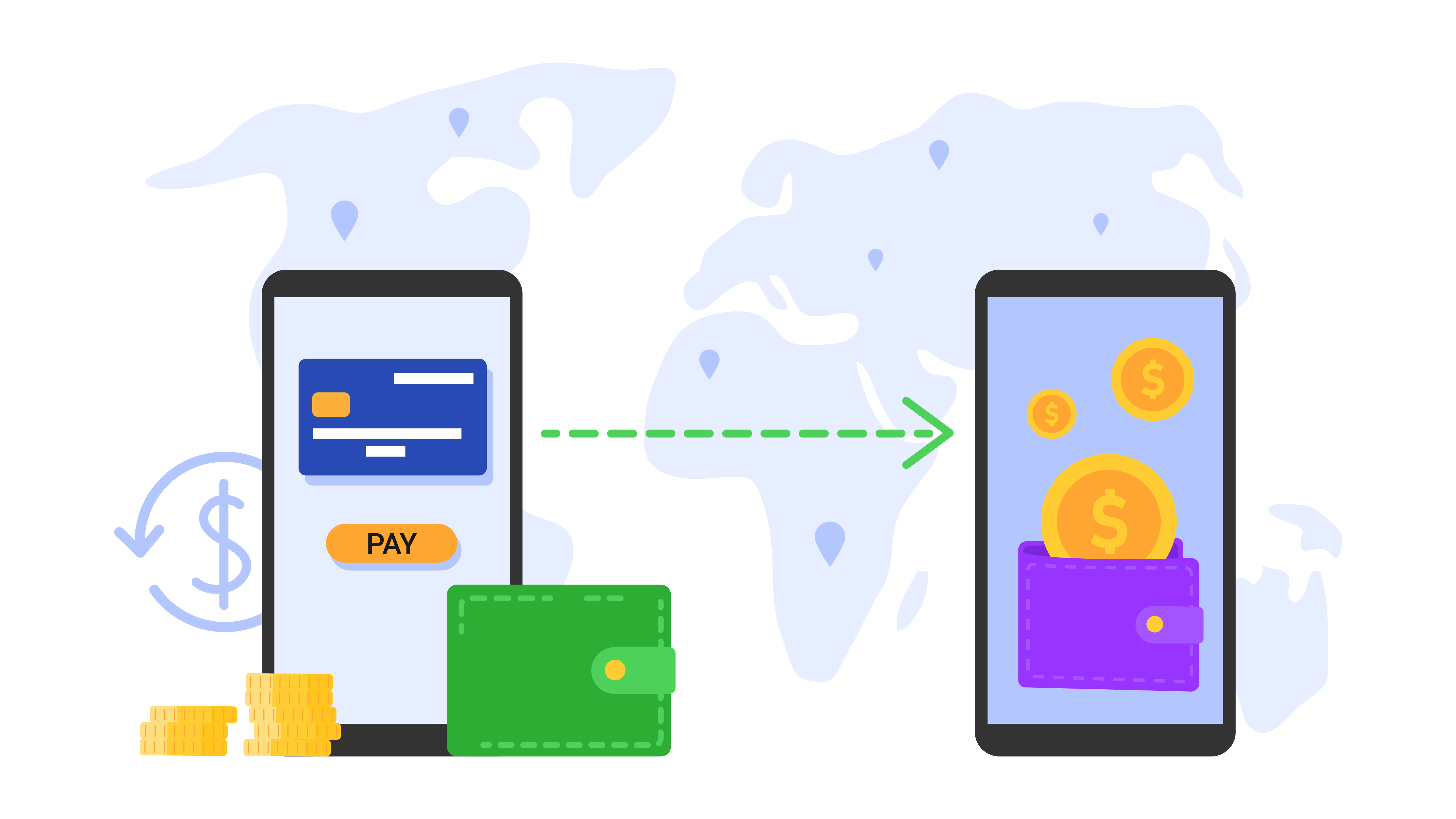
Check that the treasury contract has approved the payroll distributor to spend the necessary amounts of native tokens and stablecoins. Without these allowances, the automated transactions will fail.
Validate that the wallet addresses for all DAO members are correct and up-to-date. Use a checklist to cross-reference on-chain identities with your internal records to prevent sending funds to the wrong destination.
Execute a test payout to a single, controlled wallet. Verify that both the native token and stablecoin portions arrive correctly and that the gas fees are within your expected range.
Audit transactions and track compliance
Once your DAO payroll automation is running, the work isn't done. You must verify that onchain payments match your governance proposals and maintain a clear audit trail for tax and legal purposes. Without this step, automated payouts can become a liability rather than an asset.
Verify payment accuracy
Start by cross-referencing the onchain transaction hashes with your internal records. Check that the recipient wallet addresses match the verified identities in your DAO registry. Ensure the amounts align exactly with the approved compensation tiers. Any discrepancy, no matter how small, should be flagged immediately to prevent unauthorized access or duplicate payments.
Maintain an onchain audit trail
Blockchain transparency is your best defense, but only if the data is structured correctly. Keep detailed logs of every payroll run, including the smart contract interactions, gas fees, and timestamped confirmations. This creates an immutable record that simplifies audits and proves compliance with local regulations. Tools like Paycom note that automation reduces errors by completing routine pieces of the process, but human verification remains essential for high-stakes financial operations.
Prepare for tax reporting
DAO members often receive payments in crypto, which triggers tax events in many jurisdictions. Ensure your payroll system exports data in a format compatible with tax software. This includes tracking the fair market value of tokens at the time of payment. Regularly updating these records prevents end-of-year scrambling and ensures you meet all reporting obligations.
Common payroll mistakes to avoid
Even with robust DAO payroll automation, small configuration errors can halt payments or drain treasury funds. The most frequent pitfalls involve insufficient gas reserves, incorrect stream start times, and missing multisig approvals. Addressing these issues before going live prevents operational friction and maintains contributor trust.
Insufficient Gas Reserves
Automated payments require native tokens (like ETH or MATIC) to cover transaction fees. If the multisig wallet lacks sufficient gas, every payout attempt fails, leaving contributors unpaid. Always maintain a buffer of 5-10% above the estimated total payout value to account for network congestion.
Incorrect Stream Start Times
Setting the wrong start date causes streams to begin too early or too late. A premature start burns funds before onboarding is complete, while a delayed start violates employment agreements. Double-check the Unix timestamp and timezone settings against the contributor’s contract start date.
Missing Multisig Approvals
Skipping multisig verification for high-value payouts exposes the DAO to unauthorized transfers. Ensure your automation script requires a threshold number of signatures before executing transactions. This step is critical for security, as noted in official guides on automating crypto payroll without a CFO Sablier Blog.
No comments yet. Be the first to share your thoughts!