
Multi-Currency Payroll for DAO Contributors: Handling Global Payouts and Tax Compliance in 2026
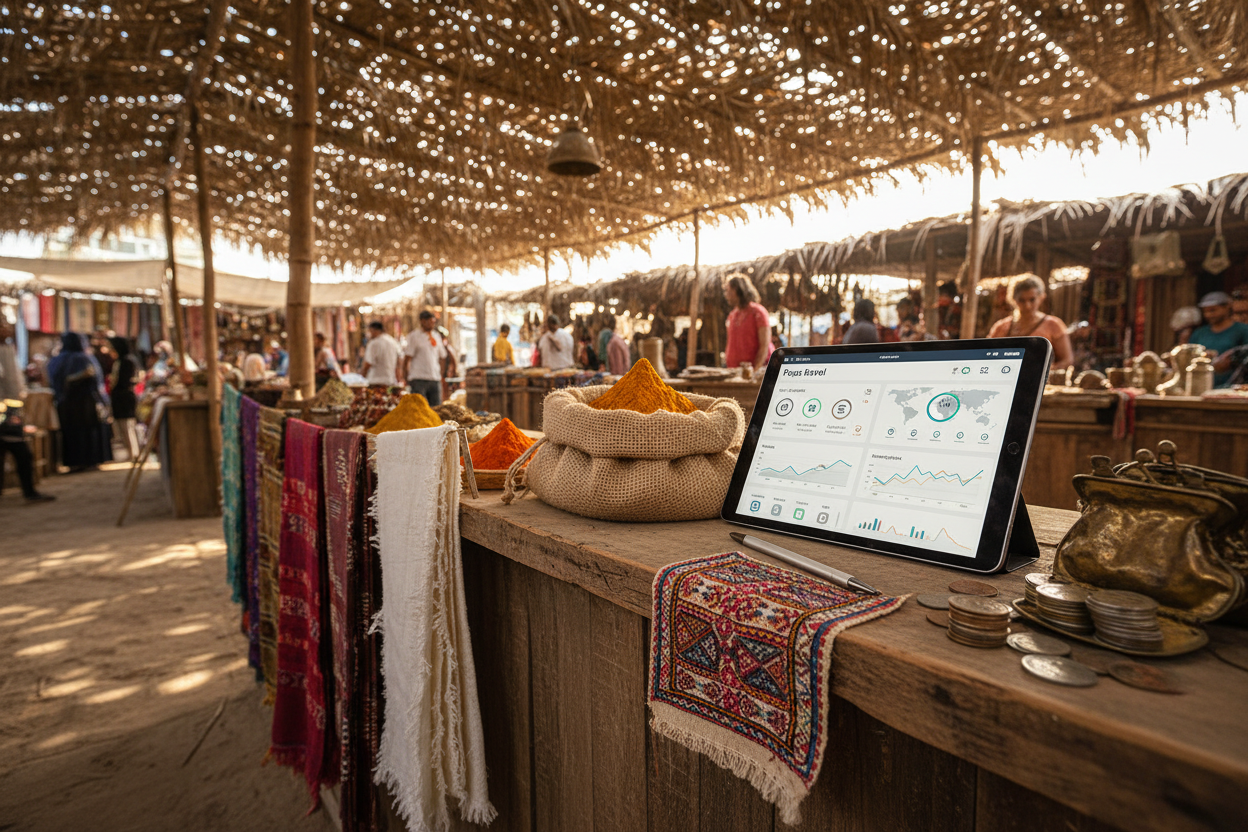
In 2026, DAOs face a payroll landscape transformed by borderless talent pools and volatile crypto markets. Multi-currency DAO payouts promise efficiency, yet they tangle with diverse tax regimes and contributor expectations. Platforms now bridge this gap, funding treasuries in USD, USDC, or USDT while delivering fiat or stablecoins to wallets worldwide. Rise, for instance, has handled over $1 billion in volume, proving hybrid systems work at scale across 190 countries.

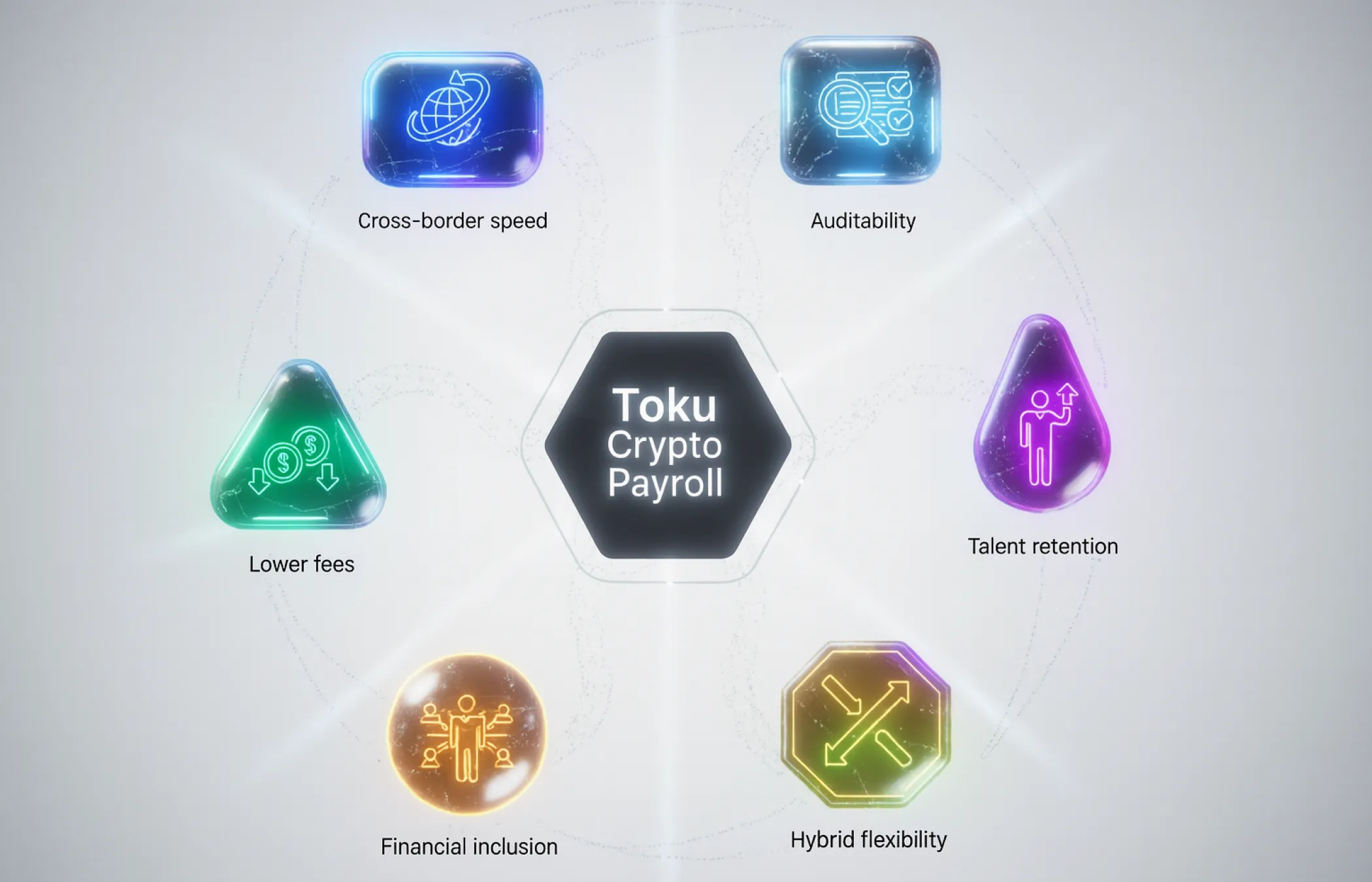
This shift isn’t mere convenience; it’s survival. DAOs ignoring web3 tax compliance for DAOs risk audits, frozen funds, or contributor exodus. Contributors demand proof of income for loans or visas, while DAOs grapple with misclassification pitfalls, like treating steady workers as mere contractors.
Payroll Hurdles That DAOs Can’t Ignore Anymore
Web3 payroll challenges stem from its decentralized DNA. Traditional firms batch salaries monthly; DAOs stream payments on-chain, exposing them to real-time forex swings and jurisdiction clashes. Sources like Riseworks highlight crypto volatility as hurdle one: a USDC payout might erode 10% before conversion. Then come taxes – withholding rates vary wildly, from Georgia’s favorable setups to high-friction EU mandates.

Contractor status is another minefield. Consistent hours blur lines between freelancer and employee, inviting reclassification claims. DAOSPV notes founders stumble here when scaling profits or IP licensing. Add EOR dilemmas: outsourcing compliance multiplies costs, yet going solo invites labor code violations across 100 and countries.
Key DAO Payroll Challenges
-
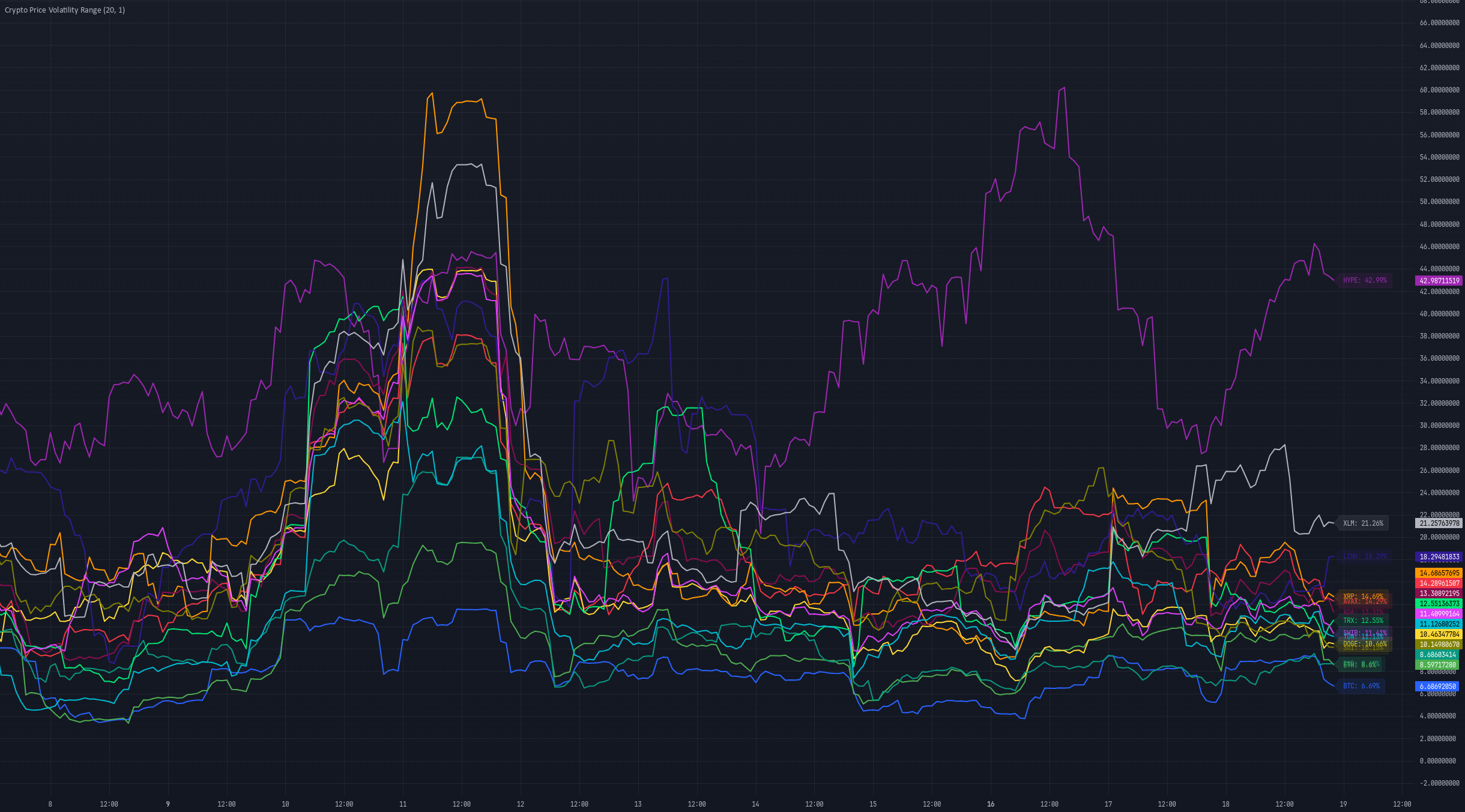
Crypto Volatility: Fluctuations in assets like BTC and ETH create unpredictable payout values, raising operational risks for distributed teams (Toku).
-
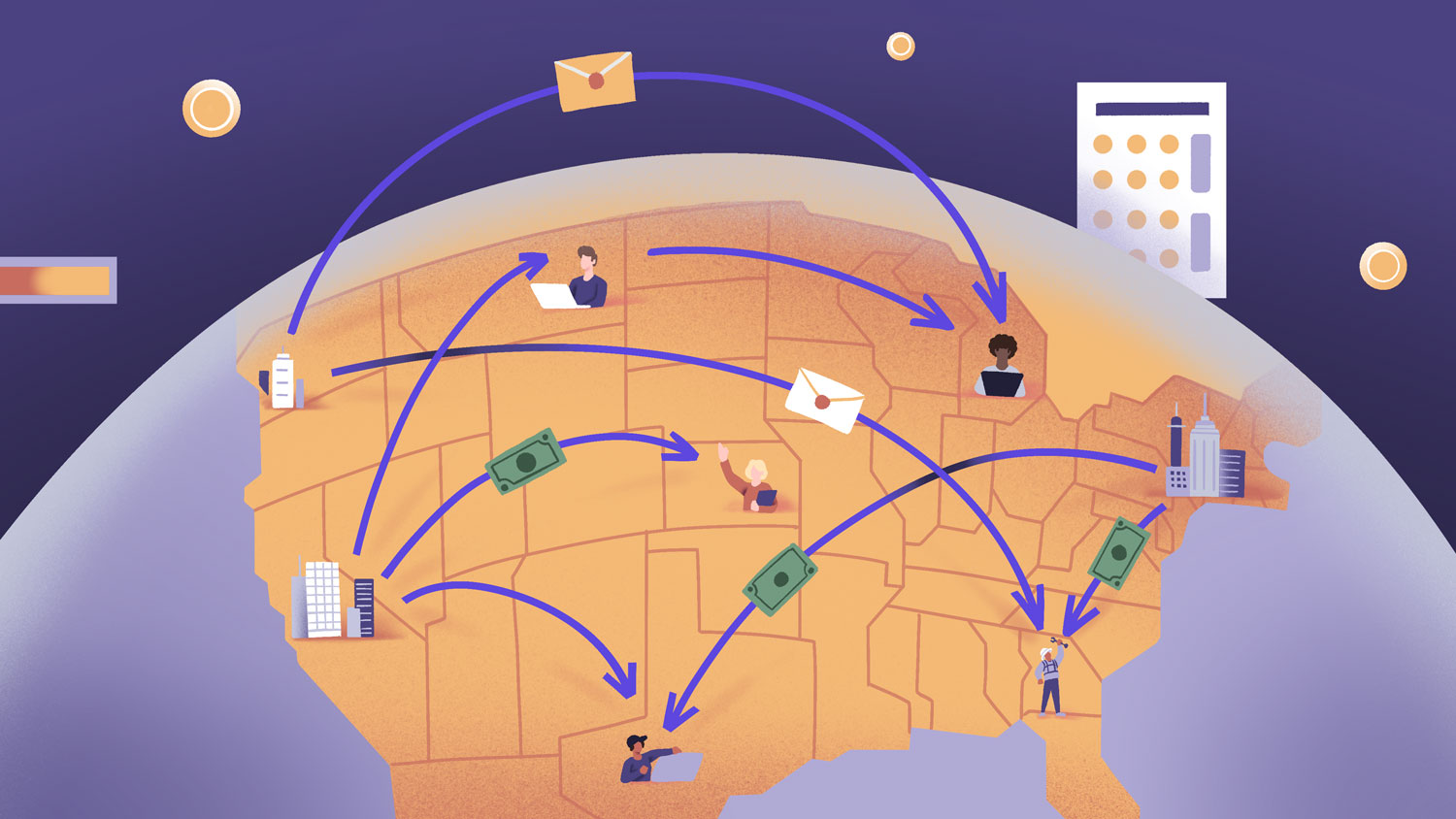
Tax Withholding Variances: Countries impose differing withholding taxes on crypto payouts, complicating global compliance for DAOs (DAOSPV).
-

Contributor Classification Errors: Misclassifying DAO contributors as contractors despite consistent work risks legal issues across jurisdictions (Matthew P. on LinkedIn).
-
Proof-of-Income Gaps: Crypto payments often lack verifiable salary proof, exposing contributors and DAOs to compliance problems (Gegidze).
-

Cross-Border Regulatory Shifts: Evolving rules in 190+ countries multiply tax, labor, and crypto compliance burdens for global payroll (Riseworks).
Georgia emerges as a beacon. Local partners convert crypto to GEL or USD, auto-file taxes, shielding DAOs from scrutiny while granting contributors verifiable slips. Yet, without robust DAO payroll rails, these fixes feel patchwork.
Hybrid Platforms Reshaping Global DAO Contributor Payments
Enter 2026’s heavyweights: Rise, Toku, Sablier. Rise’s infrastructure lets DAOs fund in fiat or stables, withdraw anywhere – stablecoins dominate their $1B and volume. EOR coverage hits 60 countries soon, automating remittances sans headaches.
Toku streamlines with API hooks into existing systems. Pay in USDC, BTC, ETH across 100 nations; they handle labor laws, tax treaties, even treasury conversions. No rip-and-replace needed – just compliant wallet streams.
Sablier takes on-chain purity further. Integrate with Safe multisigs for automated streams on EVM chains. No CFO required; real-time payouts stay secure under DAO governance. These tools flip the script: DAO international payroll 2026 evolves from chaotic airdrops to precise rails.
Tax Strategies That Actually Scale for Distributed Teams
Compliance isn’t optional; it’s the moat. Crypto payroll amplifies burdens – track vesting to dodge unwanted taxes, per Nium insights. Gloroots warns: crypto doesn’t simplify; it spans labor codes and treaties.
Smart DAOs layer strategies. Use non-profits for tax perks, as MIDAO explores. Partner EORs for statutory covers, but hybrid models like Toku’s blend best. In Georgia, Gegidze setups ensure payouts are legal tenders, not just tokens.
Ogletree flags risks: operational snags like wallet KYC or regulatory flips. My take? Prioritize platforms with baked-in forex hedging – 12 years in the trenches show currency pairs dictate payout parity. Without it, a Tokyo contributor’s USDC arrives diluted versus a Berlin fiat pull.
Real-time rates fused with geopolitical foresight – that’s the hybrid edge I’ve honed over 12 years. Platforms ignoring this leave DAOs exposed to EUR/JPY spikes or USD/MXN drags, eroding trust in global DAO contributor payments.
Platform Showdown: Which Rails Fit Your DAO?
Not all tools are equal. Rise excels in volume scale, processing $1 billion with stablecoin dominance and EOR expansion to 60 countries. Toku prioritizes seamless APIs for legacy integration, covering 100 and nations with full compliance stacks. Sablier appeals to purists, streaming on-chain via Safe without intermediaries. Each shines differently: Rise for breadth, Toku for embeds, Sablier for sovereignty.
Comparison of Rise, Toku, and Sablier for Multi-Currency DAO Payroll
| Platform | Countries Covered | Payment Types (Fiat/Stablecoin/Crypto) | EOR Support | Compliance Features | Volume Processed |
|---|---|---|---|---|---|
| Rise | 190+ | Fiat, Stablecoins (USDC/USDT), Crypto | 60+ countries (by end 2026) | Hybrid USD/USDC/USDT funding with fiat/stablecoin/crypto withdrawals; tax compliance | Over $1 billion (stablecoins majority) |
| Toku | 100+ | Stablecoins (e.g., USDC), Crypto (BTC/ETH), Fiat conversions via wallets | Not specified | Tax, labor law, crypto regulatory compliance; API integration for global obligations | Not specified |
| Sablier | Global (EVM chains) | Crypto (on-chain payroll streams) | No | Multisig security via Safe integration; automated real-time distribution | Not specified |
Layer in Georgia’s niche: Gegidze converts to local fiat, files taxes automatically. Ideal for EU-adjacent ops, but pair it with globals for full coverage. My advice? Audit your treasury first – if USDC flows heavy, Toku’s conversions prevent bleed.
Implementation demands nuance. Start with contributor audits: classify via hours logged, not assumptions. LinkedIn’s Matthew P. nails it – default contractors bite back. Then, vest tokens smartly to sidestep immediate tax hits, echoing Nium’s vesting wisdom. INS Global’s EOR vs. DAO debate? Hybrids win, blending autonomy with safeguards.
Roadmap to Bulletproof DAO International Payroll 2026
Scale without fractures. First, centralize via multisig streams – Sablier proves this locks governance tight. Second, embed forex buffers: instant conversions at interbank rates preserve value across pairs like GBP/USD or crypto-fiat bridges. Third, automate proofs – digital slips for visas, loans, building loyalty.
Glouroots is spot-on: crypto multiplies rules, from statutory benefits to treaties. Counter with geo-specific wrappers, like Georgia for low-friction East, or Rise’s 190-country net. Ogletree’s risks? Mitigate via KYC-optional wallets and regulatory alerts baked into platforms.
Opinion: DAOs thriving in 2026 treat payroll as strategy, not ops. Forex isn’t backdrop; it’s the pulse. A contributor in São Paulo paid in diluted stables defects to fiat-first rivals. Harness multi-currency DAO payouts right, and you retain talent amid web3’s churn.
Forward thinkers integrate now. With EORs hitting critical mass and on-chain rails maturing, 2026 marks payroll’s decentralization pivot. DAOs funding in stables, paying in preferences, complying effortlessly – that’s the borderless norm. Platforms evolve, but the core holds: precise rails fuel sustainable growth, turning global friction into competitive thrust.