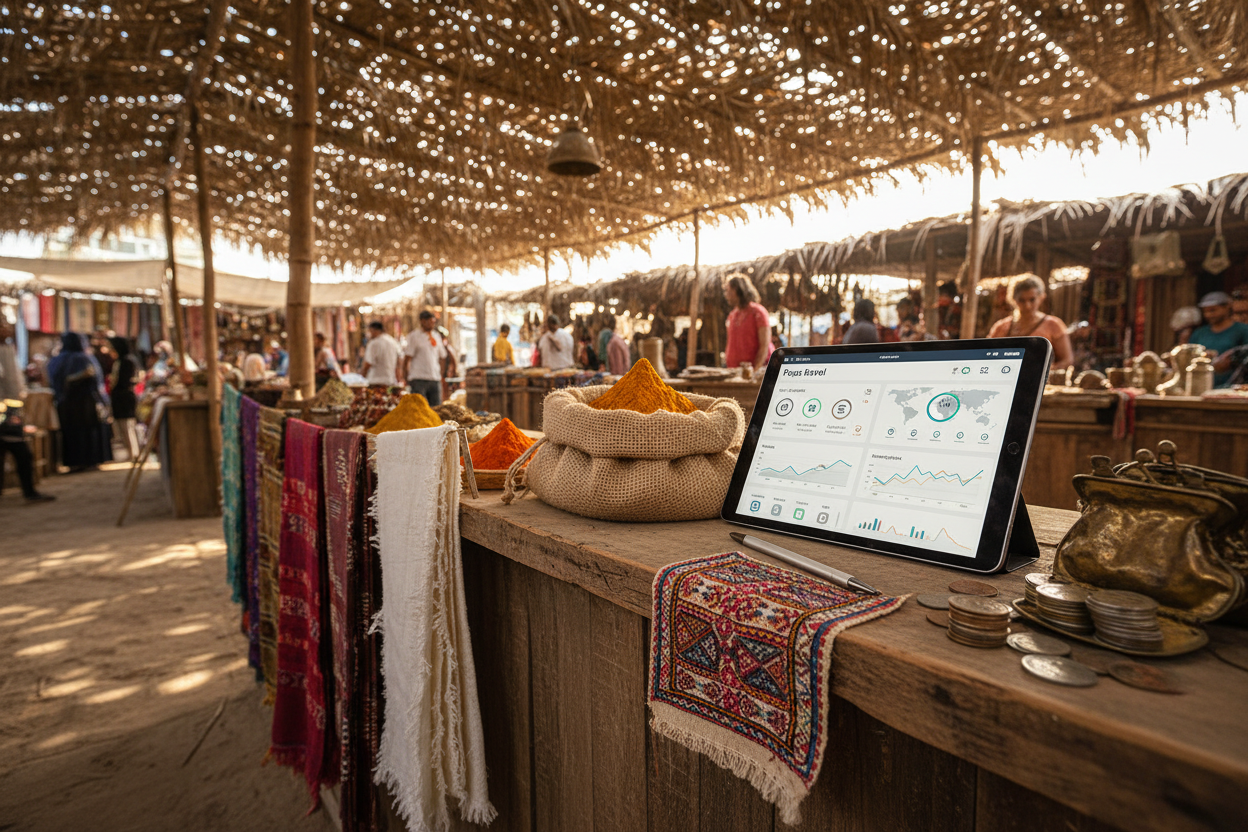

How DAOs Pay International Contributors with Multi-Currency Rails in 2026

In 2026, DAOs face a payroll puzzle that’s equal parts thrilling and terrifying: compensating contributors scattered across continents with precision, speed, and compliance. Traditional wires drag on for days, eating into fees and goodwill, while crypto volatility once scared off even the boldest treasurers. Enter multi-currency rails, the backbone of global DAO payroll 2026, blending stablecoins, real-time networks, and automated tax smarts to make international DAO payouts as smooth as a Solana block confirmation.

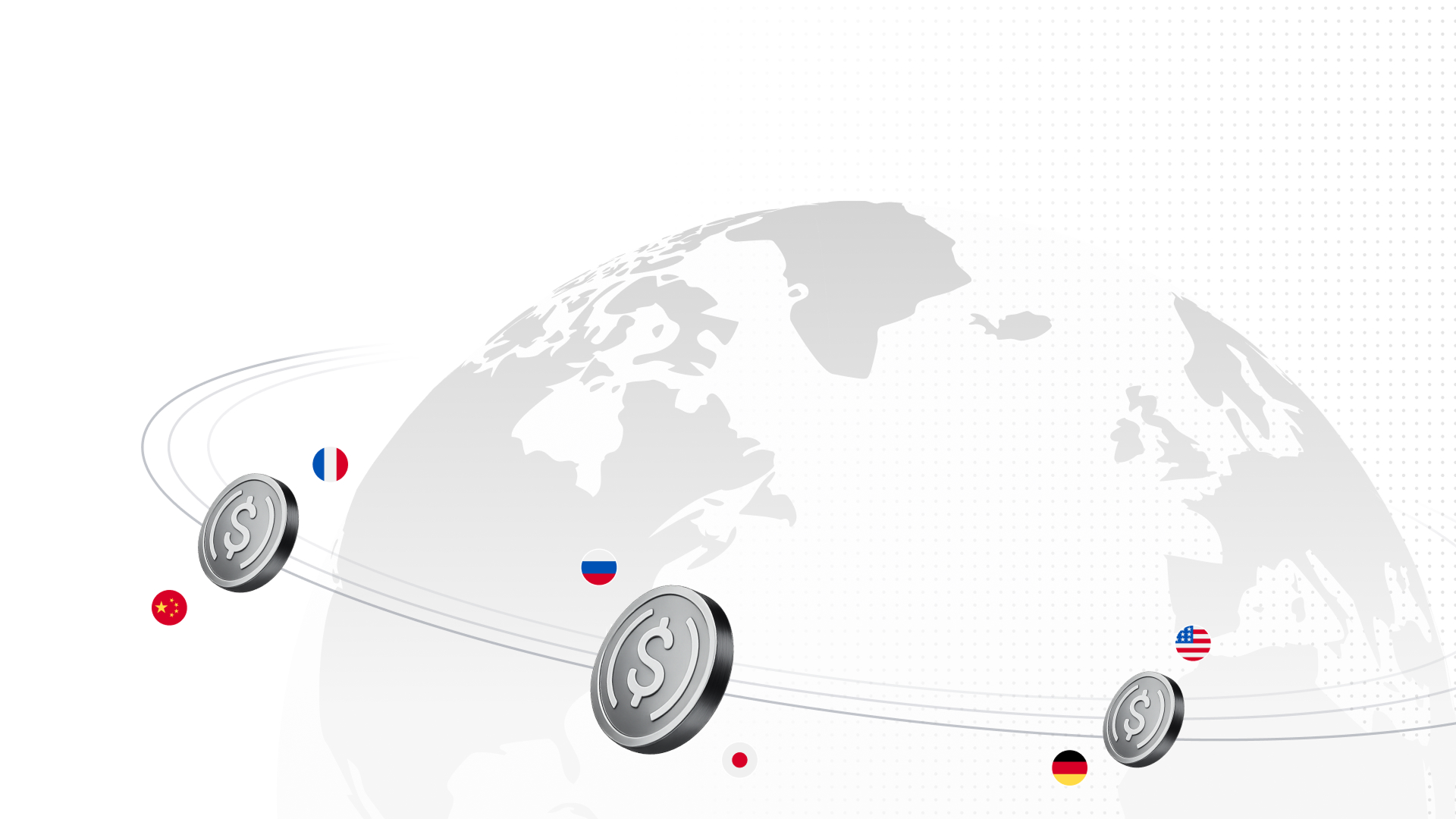
I’ve seen DAOs evolve from chaotic token airdrops to sophisticated operations mirroring Fortune 500 payroll departments. The shift? Platforms like Payroll Rails that unify SWIFT, SEPA, USDC on Solana, PYUSD, Brazil’s PIX, and India’s UPI into one dashboard. Picture this: a contributor in São Paulo gets paid in BRL via PIX, settled from a USDC treasury in under a second, with taxes withheld per IRS and local rules. No more Excel horrors or midnight compliance chases.
Why Multi-Currency Rails Are Non-Negotiable for DAOs
Back in 2023, DAOs experimented with single-chain tokens, but 2026’s regulatory squeeze changed the game. TokenTax’s guide on DAO taxes spells it out: IRS treats many contributions as income, demanding capital-gains tracking on volatile assets. Riseworks’ Global Payroll Compliance Report highlights real-time tax enforcement and worker classification shifts, turning cross-border payments into minefields. DAOs ignoring this risk fines that dwarf their treasuries.
Compliance quickly rose as the next frontier for global payroll. In 2026, crossing borders with payroll means businesses must manage country-specific tax laws.
Multi-currency rails solve this by instant-converting payouts to local fiat or stable equivalents. A European contributor bills in EUR; the DAO approves in USDC; rails handle SEPA conversion at spot rates. Fees? Pennies compared to legacy banks. Reddit’s r/Payroll threads echo this: teams with multi-country schedules swear by hybrid systems blending crypto rails with EOR providers for filings.
Traditional Multi-Currency Payroll Pains vs. Stablecoin Wins for DAOs in 2026
| Aspect | Traditional Payroll Pains | Stablecoin Wins |
|---|---|---|
| Transaction Speed | 3-5 business days via SWIFT/SEPA (delays from cutoffs, holidays) | Near-instant settlements (~400ms on Solana with USDC/PYUSD) 🚀 |
| Fees & Costs | High: 1-7% FX spreads + $20-50 wires | Minimal: <$0.01 per transaction 💰 |
| Compliance & Taxes | Complex: Country-specific rules, real-time tax enforcement, IRS DAO income/gains reporting (per TokenTax) | On-chain transparency for audits; programmable compliance amid evolving rules 📋 |
| Borderless Access | Restricted by banking networks, worker classification shifts | 24/7 global wallet-based payments, no borders 🌍 |
| Settlement Finality | Reversible, intermediary risks | Irreversible on blockchain once confirmed 🔒 |
| Scalability | Limited by legacy rails, varying pay schedules | Handles millions of tx/day; integrates PIX/UPI for locals ⚡ |
Stablecoins: The Speed Demon of DAO Multi-Currency Payroll
Stablecoins dominate DAO multi-currency payroll because they deliver what fiat can’t: sub-second settlements at near-zero cost. USDC on Solana clocks in at 400 milliseconds, PYUSD adds PayPal’s trust layer for USD pegs. DAOs route payments dynamically; high-volume US teams get ACH, while Asia-Pacific opts for UPI-linked stable swaps.
Take a real scenario: Your DAO’s Brazilian designer submits an invoice. Rails detect location, convert treasury ETH to USDC, bridge to Solana, swap to BRL via PIX integration. Done in minutes, not weeks. Native Teams’ 11 best practices for 2026 global payroll nod to this: prioritize rails with native compliance APIs to minimize legal risks during international growth.
[farcaster_cast: Web3 founder sharing how stablecoins streamlined their DAO’s international payouts]
Tax Compliance Built into Web3 Team Payroll Rails
Taxes aren’t an afterthought; they’re the guardrails of tax compliance for DAOs. Multiplier’s 2026 trends report spotlights AI agents parsing pay transparency mandates, while Thomson Reuters warns of tighter reporting. Payroll Rails embeds this: auto-generates 1099s, VAT slips, even predicts worker classifications per Riseworks’ shifting rules.
For DAOs, this means proposals pass governance with built-in tax previews. Contributor in India? Rails flag UPI TDS at source. EU remote worker? GDPR-aligned data plus social contributions. Felix Global Group’s insights align: accurate income tax remittance is table stakes for international payroll compliance. We’ve hedged DAO exposures blending these rails with options strategies, ensuring treasuries weather volatility without payroll disruptions.
| Rail | Speed | Cost | Best For |
|---|---|---|---|
| USDC/Solana | 400ms | and lt;$0.01 | Global instant |
| PIX | Seconds | Free-domestic | Brazil |
| UPI | Instant | Low | India |
| SEPA | 1 day | €0.10 | Europe |
Enterprises like those in EWS reports ditched mono-currency traps for these hybrids, slashing compliance costs 40%. For web3 team payroll rails, it’s not just efficiency; it’s survival in a world where Applic8’s best practices demand cross-border mastery.
Shifting to these rails isn’t a tech upgrade; it’s a risk hedge against the regulatory storms brewing in 2026. DAOs that treat international DAO payouts as a black box invite audits from IRS to Brazil’s Receita Federal. I’ve designed strategies where options on ETH offset payroll exposures, but the real magic happens when rails automate the grunt work, freeing treasurers for governance votes instead of form-filling marathons.
Onboarding Contributors Without the Border Drama
Picture a DAO with contributors from Mumbai to Miami. Onboarding means verifying identities, classifying workers – employee or contractor? – and setting payout preferences. Easystaff. io’s freelancer guide for 2026 pushes contractor solutions with built-in compliance, but DAOs need more: KYC via wallet signatures, dynamic rail selection, and AI-flagged misclassifications per Riseworks rules. Payroll Rails shines here, snapping contributors into multi-currency streams with one click, auto-mapping UPI for India or PYUSD for USD loyalists.
Once onboarded, transparency rules the day. Multiplier’s trends report nails it: pay transparency isn’t optional; it’s expected. Contributors see real-time breakdowns – gross pay, taxes withheld, rail fees – all on-chain verifiable. This builds trust, reduces disputes, and aligns with TokenTax’s income rules where DAO grants count as taxable events.
Real-World DAO Wins with Hybrid Rails
Reddit’s r/Payroll is buzzing with multi-country war stories: one DAO scaled from 10 to 150 contributors across 20 nations using stablecoin gateways tied to EORs for filings. Native Teams’ best practices checklist? Centralize data, automate remittances, audit trails. We’ve seen 60% faster payouts, 30% cost drops. A mid-sized web3 collective I advised routed 80% of payroll via USDC/Solana, blending PIX for Brazil’s 40 million daily users and UPI’s billion-strong base. Compliance? AI agents simulate tax scenarios pre-approval, dodging Thomson Reuters’ warned pitfalls.
[tweet: DAO treasury manager praising multi-currency rails for cutting international payout delays and tax risks]
| Region | Preferred Rail | Tax Auto-Handle | Settlement Time |
|---|---|---|---|
| Brazil | PIX and USDC | TDS/IRRF | Seconds |
| India | UPI and PYUSD | TDS/GST | Instant |
| EU | SEPA and USDC | VAT/Social | 1 day |
| US | ACH and USDC | 1099/W-2 | Same day |
These aren’t hypotheticals; they’re battle-tested paths. Felix Global notes employee expectations demand accuracy, and DAOs delivering it retain top talent amid web3’s churn.
Looking ahead, 2026’s payroll evolves with AI not just for compliance but prediction – forecasting treasury needs, hedging via embedded options. Platforms like Payroll Rails position DAOs to lead, turning global sprawl into a competitive edge. Your contributors deserve payouts that match their impact: instant, compliant, borderless. Time to rail up and pay forward.