Why standard payroll tools fail DAOs
Traditional payroll systems were engineered for centralized corporate hierarchies, not the fluid, multi-jurisdictional nature of decentralized autonomous organizations. When applied to DAO payroll 2026 operations, these legacy platforms create structural friction that undermines the very benefits of decentralization. The core failure lies in their inability to reconcile multi-chain treasury structures with standardized accounting practices.
Most conventional payroll providers operate on single-chain or centralized banking rails. They cannot natively interpret smart contract outputs or distribute payments across disparate networks like Ethereum, Solana, or Layer-2 solutions without manual intervention. This forces DAOs to maintain parallel systems: one for on-chain treasury management and another for off-chain payroll processing. The result is fragmented visibility into treasury health and increased operational overhead.
Contributor classification adds another layer of complexity. DAOs often engage global contributors who may be contractors, full-time employees, or token-based participants. Standard payroll tools struggle to categorize these roles dynamically, leading to misclassification risks. Misclassifying a worker can trigger significant tax liabilities and compliance issues under local labor laws. A
Automated compliance is largely absent from traditional platforms. DAOs require real-time tax withholding, reporting, and distribution based on smart contract logic. Legacy systems rely on static schedules and manual updates, which are incompatible with the asynchronous, borderless nature of Web3 work. Without automated compliance, DAOs face audit risks and regulatory scrutiny that centralized corporations do not encounter in the same way.
How stablecoin payroll actually works
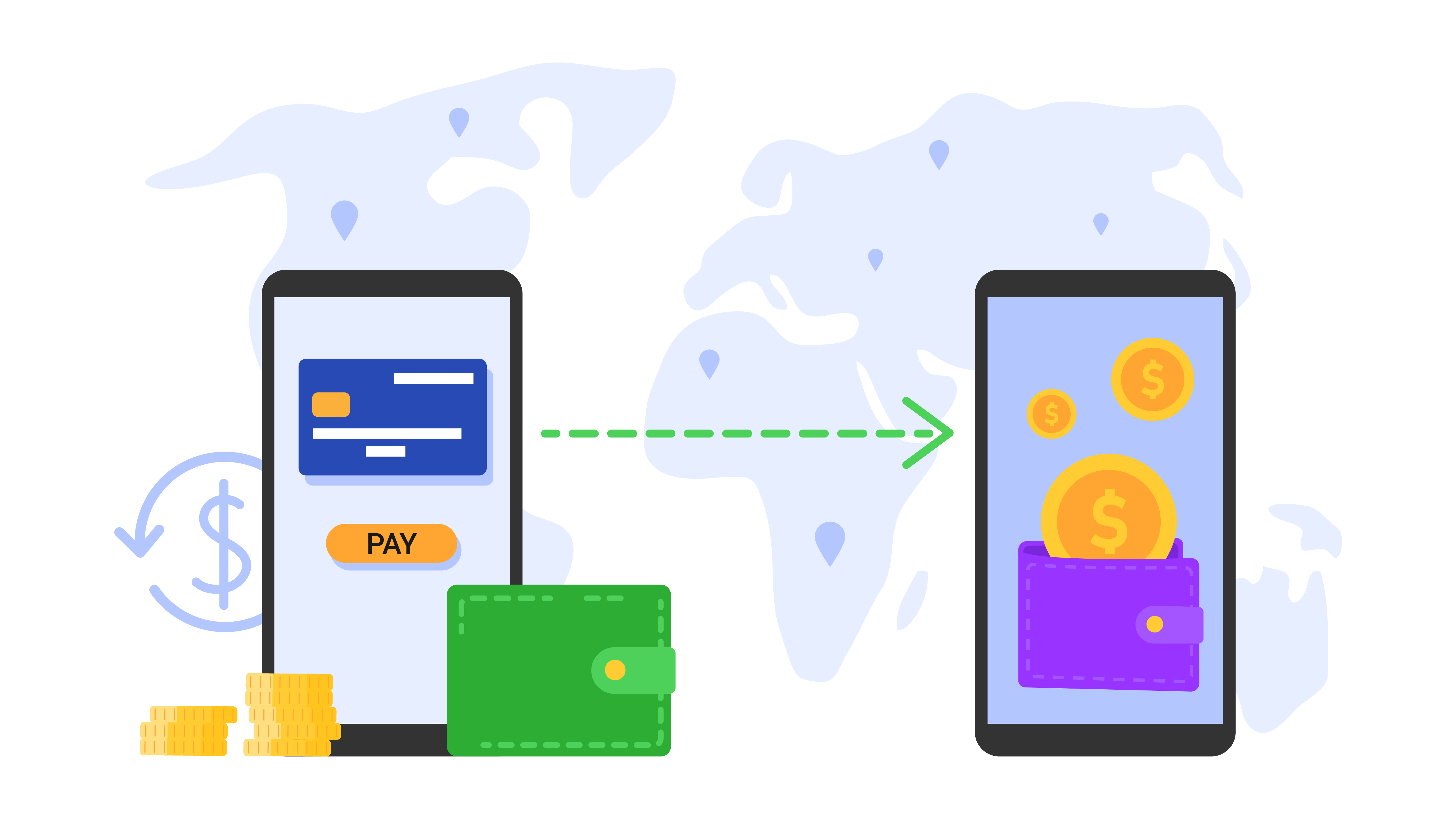
Traditional payroll relies on legacy banking rails like ACH and wire transfers, which introduce friction through multi-day settlement times, high intermediary fees, and rigid processing windows. DAO payroll 2026 replaces these bottlenecks with on-chain smart contracts that execute payments atomically. This shift transforms compensation from a retrospective administrative task into a real-time, programmable flow of value.
The core mechanism for most DAOs is continuous payment streaming. Instead of waiting for a bi-weekly cycle, smart contracts release stablecoins second-by-second based on time elapsed. This model, often facilitated by protocols like Superfluid, ensures contributors are paid exactly for the work performed up to the current moment. It eliminates the risk of underpayment or delayed disbursement, providing immediate liquidity for team members who may need to cover living expenses without waiting for bank clearing periods.
For roles requiring long-term commitment, vesting schedules are encoded directly into the contract. Rather than manually tracking cliff dates and monthly unlocks via spreadsheets, the smart contract enforces the release of tokens according to predefined rules. This automation removes the need for trust in a central treasurer and provides an immutable audit trail of every vesting event, ensuring compliance with the organization’s governance tokens without manual intervention.
Batch processing handles the operational reality of paying multiple contributors simultaneously. A single transaction can trigger payouts to hundreds of wallet addresses, reducing gas costs per recipient compared to individual transfers. This efficiency is critical for large DAOs, where processing payments for hundreds of contributors via traditional wire transfers would be prohibitively expensive and logistically unmanageable. The result is a system where payroll is not just a cost center, but a transparent, automated utility.
The reliance on stablecoins like USDC or DAI anchors this system in price stability, a prerequisite for payroll. Unlike volatile assets such as Bitcoin, stablecoins maintain a peg to the US dollar, ensuring that a contributor’s salary retains its purchasing power from the moment it is streamed to the moment it is received. This stability allows DAOs to set predictable budgets and contributors to rely on their income for financial planning, bridging the gap between Web3 innovation and real-world economic necessity.
Streamflow: Best Overall for Solana Teams
Streamflow ranks as the leading DAO payroll platform for Solana teams in 2026. It combines streaming payouts, batch payroll processing, and vesting features into a single interface. This integration allows organizations to manage complex compensation structures without switching between multiple tools.
The platform’s core strength lies in its ability to handle continuous payments. Instead of waiting for end-of-month cycles, contributors receive funds in real time as they work. This streaming model aligns cash flow with actual labor output, reducing the administrative burden of traditional payroll cycles.
For teams managing equity or long-term incentives, Streamflow offers built-in vesting schedules. These features ensure that tokens are distributed according to agreed-upon timelines, providing transparency and security for both the DAO and its members. The combination of immediate liquidity and structured vesting makes it a robust choice for high-stakes financial operations.
Zebec and Request Finance alternatives
Streamflow is not the only option for DAO payroll in 2026, though it remains the leading choice for Solana teams due to its integrated streaming and batch capabilities. Other platforms like Zebec and Request Finance offer distinct workflows that may suit specific organizational needs, particularly regarding chain diversity or traditional invoicing structures.
Zebec is primarily known for its account abstraction and payment streaming capabilities. It allows for continuous, real-time salary distribution, which can improve cash flow management for freelancers and contractors. However, its strength lies in the streaming mechanism rather than comprehensive payroll compliance or batch processing for large teams. It is best suited for DAOs that prioritize instant liquidity and developer-centric account abstractions over complex HR workflows.
Request Finance focuses on the invoicing and workflow side of payments. It excels in automating the approval process for expenses and invoices before payment is executed. This makes it a strong candidate for DAOs that operate with traditional finance-like structures, requiring multiple sign-offs and audit trails for every payout. While it supports streaming, its core value is in the governance and approval layers surrounding the transaction.
The following table compares these platforms against Streamflow on key operational metrics to help you decide which architecture fits your DAO's payroll needs.
| Platform | Supported Chains | Payment Type | Compliance & Workflow |
|---|---|---|---|
| Streamflow | Solana | Streaming, Batch, Vesting | Built-in KYC, Tax Reporting, Audit Trail |
| Zebec | Multi-chain (EVM, Solana, etc.) | Streaming (SaaS SDK) | Account Abstraction, Limited Native Compliance |
| Request Finance | Multi-chain (EVM, Solana, etc.) | Invoicing, Batch, Streaming | Approval Workflows, Invoice Automation |
Treasury integration and multisig safety
DAO payroll in 2026 operates at the intersection of operational efficiency and existential risk. The core tension lies in balancing speed with security: automated smart contract payments require seamless treasury integration, yet the same automation amplifies the impact of any single point of failure. For high-stakes financial decisions, the payroll platform must not act as an isolated tool but as a controlled extension of the DAO’s governance structure.
The standard for treasury safety is multisig wallet integration, with Safe (formerly Gnosis Safe) serving as the de facto infrastructure layer. Leading payroll platforms connect directly to Safe multisig wallets, ensuring that no single entity can trigger a payout. Instead, the payroll system generates a transaction proposal that must be signed by a predefined threshold of signers. This creates a critical checkpoint where the smart contract executes only after human consensus is reached, effectively neutralizing the risk of compromised private keys or rogue administrators.
This integration transforms payroll from a simple payment channel into a governance event. The platform handles the calculation and distribution logic, but the treasury retains final authority. When evaluating DAO payroll 2026 solutions, prioritize platforms that offer granular permission controls within the multisig framework. This ensures that payroll transactions are clearly distinguishable from other treasury operations, providing an audit trail that satisfies both internal governance protocols and external compliance requirements.
Compliance risks for global contributors
Automating DAO payroll in 2026 introduces significant legal friction that smart contracts cannot resolve. When a DAO issues stablecoin payments to contributors across borders, it triggers complex tax withholding obligations and contractor classification disputes. The decentralized nature of the organization does not exempt it from the labor and tax laws of the jurisdictions where its contributors reside.
Tax Withholding Ambiguity
Many jurisdictions require employers to withhold income tax and social security contributions from payroll. Smart contracts executing automated payments lack the logic to calculate or remit these deductions in real-time. If a DAO fails to withhold taxes, it may face penalties in the contributor’s home country, regardless of where the DAO is legally registered. This creates a liability gap that manual compliance processes usually fill.
Contractor vs. Employee Classification
Classifying contributors as independent contractors versus employees is a high-stakes determination. If a DAO exercises too much control over a contributor’s work—such as setting specific hours or requiring exclusive service—local labor laws may reclassify them as employees. This reclassification triggers back taxes, benefits, and severance liabilities that automated payments cannot anticipate or cover.
Jurisdictional Fragmentation
There is no unified global framework for DAO payroll. A payment deemed compliant in one country may be considered taxable income or even securities distribution in another. DAOs must navigate this fragmented landscape by consulting local tax counsel before automating payments to regulated jurisdictions. Relying solely on code for compliance is insufficient when legal interpretation varies by border.
Checklist for launching DAO payroll
Before automating payments, DAO treasurers must secure the legal and technical foundations. Treating DAO payroll 2026 as a standard operational rollout ignores the regulatory risks inherent in decentralized finance. The following steps ensure compliance and security before any smart contract goes live.
Classify contributors correctly under local labor laws. Misclassification can trigger severe tax penalties. Distinguish between independent contractors and employees to determine withholding requirements and reporting obligations.

Choose a stablecoin with sufficient liquidity and low volatility. USDC or USDT are standard choices, but verify that your contributors can easily convert them to fiat. Ensure the chosen asset is supported by your payroll platform and multisig wallet.

Connect your payroll smart contract to a multisignature wallet like Safe. Require multiple signers to approve each payroll batch. This prevents single points of failure and ensures that large payouts are vetted by the governance council.
Run a pilot payment to a small group of contributors. Verify that gas fees are covered and that recipients receive the funds correctly. This dry run identifies technical glitches before committing the full treasury budget.
Once testing is successful, activate the automated schedule. Establish a clear communication channel with contributors to handle disputes or failed transactions. Monitor the first few cycles closely to ensure the smart contract executes without errors.
Common questions about DAO payroll
DAO payroll structures often mirror traditional fiscal calendars, but the underlying mechanics differ. Understanding how pay periods align with tax reporting and blockchain settlement times is essential for compliance.
No comments yet. Be the first to share your thoughts!