The 2026 regulatory landscape for decentralized teams
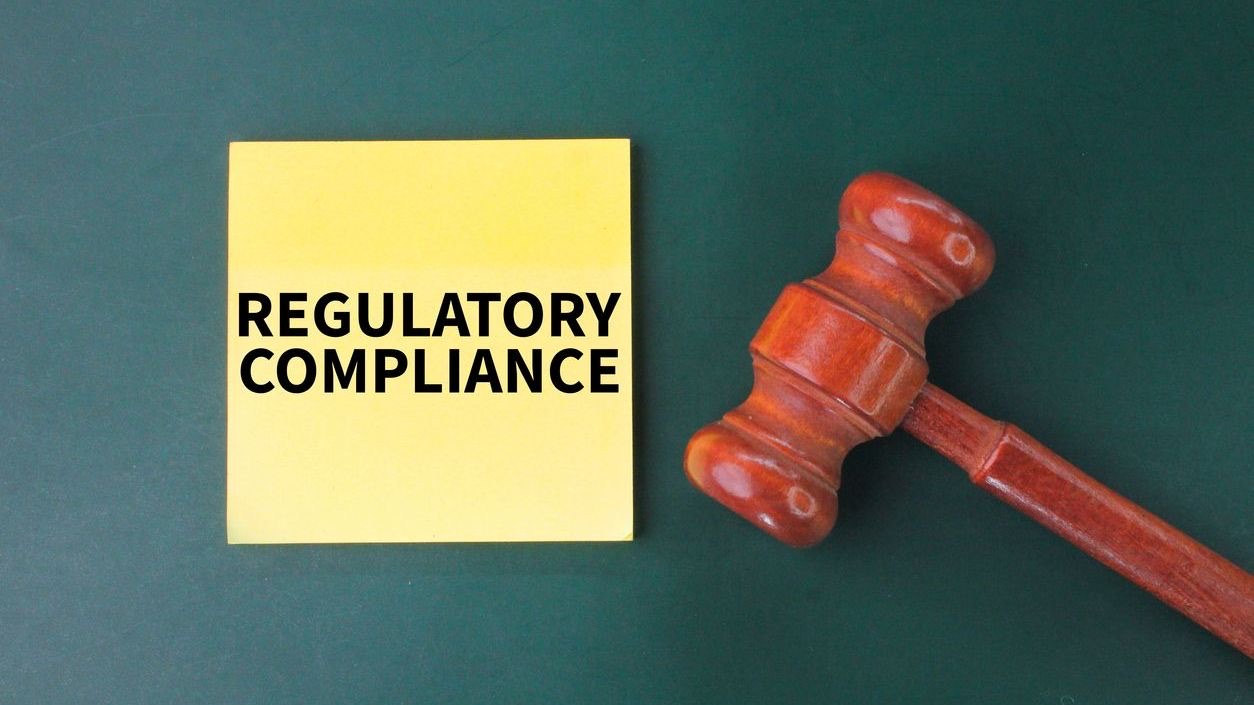
The era of treating crypto payroll as an informal side project is ending. As of 2026, global tax authorities have moved from observation to active enforcement, targeting the opacity that has long shielded decentralized autonomous organizations (DAOs) and remote-first tech companies. The regulatory environment has shifted from ambiguous guidelines to strict, codified mandates, making manual tracking not just inefficient, but legally perilous.
The scale of change is measurable. Over 30 countries updated payroll, employment tax, or mandatory benefits rules between 2025 and 2026. These changes include minimum wage increases, revised social security contributions, and new reporting requirements that apply specifically to digital asset compensation. For DAOs operating across borders, this fragmentation means that a single payroll run may now trigger compliance obligations in multiple jurisdictions simultaneously.
In the United States, the Internal Revenue Service has tightened its stance on decentralized entities. The 2026 payroll compliance checklist emphasizes stricter e-filing rules and expanded pay transparency laws. Additionally, the Social Security Administration has set the taxable maximum wage base for 2026 at $184,500, with the OASDI tax rate fixed at 6.2% for both employees and employers. For high-earning token holders or developers in major hubs, hitting this cap early in the year requires precise tracking to avoid over-withholding or under-reporting.
The volatility of digital assets adds a layer of complexity that traditional payroll systems struggle to handle. When compensation is paid in tokens, the value can fluctuate significantly between the time it is earned and the time it is converted to fiat for tax purposes. This creates a dual challenge: accurately valuing the asset for withholding purposes and managing the liquidity needed to meet immediate tax liabilities. Without automated, real-time compliance tools, DAOs risk missing filing deadlines or miscalculating tax obligations, leading to penalties that can drain treasury funds.
The regulatory landscape is no longer a backdrop; it is the primary constraint on operational freedom. DAOs that fail to adapt their payroll infrastructure to these 2026 standards face not just financial penalties, but potential loss of legal standing. The focus has shifted from whether to comply to how to comply efficiently across a fragmented global system.
Key U.S. tax changes affecting DAO contributors
The 2026 tax year introduces specific regulatory shifts that directly impact how DAOs classify and compensate contributors. As the boundary between decentralized governance and traditional employment blurs, understanding the updated W-2 and W-4 requirements is essential for mitigating legal risk. The IRS continues to scrutinize the distinction between independent contractors and employees, particularly when DAO members receive regular, structured payouts.
For members classified as employees, the most significant change is the increase in the Social Security Administration (SSA) taxable maximum. For 2026, the OASDI limit rises to $184,500. This threshold determines the maximum amount of wages subject to the 6.2% Social Security tax. Contributions exceeding this cap are no longer subject to this specific tax, though Medicare tax remains uncapped. DAOs managing large treasuries must adjust their payroll algorithms to stop withholding Social Security taxes once a member’s cumulative earnings hit this ceiling.
Simultaneously, updates to Forms W-2 and W-4 are tightening reporting accuracy. The IRS has introduced new reporting codes to better categorize tip income and dependent care benefits, which may affect how certain DAO perks or stipends are reported. While these changes primarily target traditional employers, DAOs that treat contributors as W-2 employees must adopt these new coding standards for year-end filings. Failure to align with these updated reporting structures can trigger audits or penalties for inaccurate information returns.
These adjustments underscore a broader trend: the U.S. tax code is becoming less tolerant of ambiguous compensation structures. DAOs operating in the U.S. must ensure their payroll systems can handle these specific statutory changes, particularly the SSA limit adjustments and new W-2 reporting codes, to remain compliant.
Privacy and transparency laws reshape payroll rails
New global privacy regulations and pay transparency mandates are forcing DAOs to rethink how they handle payroll data. The Office of the Botschafts Business Association (OBBBA) framework, alongside tightening state-level privacy laws, places payroll and HR data under intense regulatory scrutiny. For decentralized organizations, this means that the anonymity often associated with blockchain transactions must now coexist with strict requirements for data collection, storage, and sharing.
The core challenge for DAO payroll rails is balancing operational efficiency with legal compliance. Organizations must now implement robust data handling protocols that satisfy both federal rules and evolving international standards. This includes ensuring that employee identifiers, wage information, and tax withholdings are protected against unauthorized access while remaining accessible for mandatory reporting. Failure to adapt these data practices can result in significant penalties and loss of operational legitimacy.
Pay transparency laws in multiple jurisdictions further complicate this landscape. Employers are increasingly required to disclose compensation ranges and ensure equitable pay practices. For DAOs, which often operate across borders, this creates a complex web of obligations. Payroll systems must be designed to accommodate these varying disclosure requirements without compromising the privacy of individual contributors. The result is a need for more sophisticated, compliant payroll infrastructure that manages the intersection of digital asset distribution and traditional labor law.
Comparing automated DAO payroll solutions
DAO payroll is not a single product but a set of distinct rails, each handling compliance, automation, and global coverage differently. Choosing the right rail depends on whether your priority is local regulatory adherence, automated tax withholding, or cross-border flexibility. The landscape shifts rapidly as over 30 countries updated payroll, employment tax, or mandatory benefits rules between 2025 and 2026 [src-serp-5].
The following comparison highlights how leading automated payroll platforms handle the core requirements for DAOs operating globally.
| Feature | Local Compliance | Automation Level | Global Coverage | Best For |
|---|---|---|---|---|
| Deel | High (30+ countries updated rules) | High (auto-tax, benefits) | 150+ countries | Cross-border contractor & employee management |
| Remote | High (EOR focused) | Medium-High | 100+ countries | Fully compliant entity setup |
| Oyster | Medium-High | Medium | 130+ countries | Simplified global hiring |
| Panda | High (APAC focus) | High | 40+ countries | Asia-Pacific payroll |
| Cryptocurrency-specific (e.g., Bitwage) | Low (US/UK focused) | Medium | Limited | Crypto-native teams in regulated markets |
The table above demonstrates that while most major platforms offer robust global coverage, their approach to local compliance varies significantly. Platforms like Deel and Remote provide deeper local compliance features, which is critical given the rapid changes in tax laws and benefits requirements worldwide. For DAOs with teams primarily in the Asia-Pacific region, specialized platforms like Panda offer more tailored solutions. Meanwhile, crypto-native platforms like Bitwage cater to specific payment preferences but often lack the comprehensive global compliance features needed for complex, multi-jurisdictional teams.
When selecting a solution, consider the specific regulatory environments where your team members reside. A platform that excels in one region may not be suitable for another. Always verify the platform's current compliance status for each country where you have employees or contractors, as these rules are subject to frequent change.
Build an audit-ready payroll workflow
Compliance is not a year-end event; it is a continuous operational discipline. For DAOs managing global contributors, the primary keyword cluster surrounding DAO payroll compliance requires a workflow that separates governance from execution. You must establish a rigid audit trail that distinguishes between routine tax deposits, quarterly filings, and annual reporting requirements.
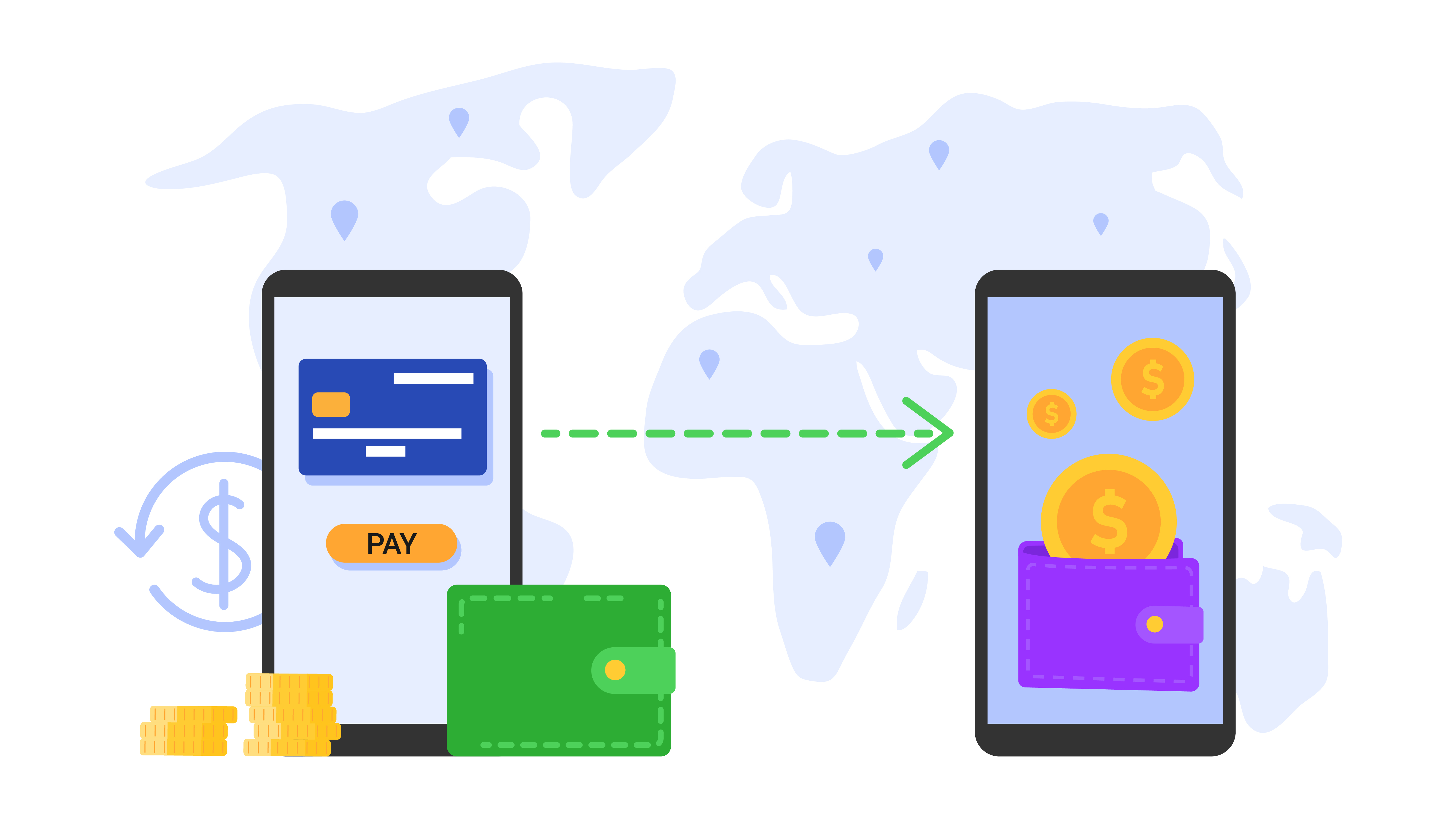
Set up automated monthly tax deposits to avoid the severe penalties associated with late payments. This step requires reconciling all contributor payouts against local withholding thresholds before the deposit deadline passes.
Quarterly filings serve as the primary checkpoint for regulatory adherence. Ensure that all independent contractors and employees are correctly classified before submitting these reports, as misclassification is the most common trigger for audits.

Annual reporting requires a final reconciliation of all earnings against the 2026 contribution and benefit base of $184,500. Generate accurate W-2s or equivalent 1099 forms for all US-based contributors, ensuring that OASDI tax calculations reflect the statutory 6.2 percent rate.
This workflow transforms payroll from a reactive administrative burden into a proactive compliance asset. By embedding these steps into your DAO’s operating rhythm, you reduce legal exposure and maintain the trust required for long-term operational stability.
No comments yet. Be the first to share your thoughts!