Why onchain payroll beats traditional rails
Traditional banking infrastructure is fundamentally mismatched for the borderless nature of decentralized organizations. Legacy rails like SWIFT were designed for institutional intermediaries, not for a distributed network of contributors spread across time zones and jurisdictions. The result is a friction-heavy process where transparency is buried under layers of reconciliation, and speed is sacrificed for compliance checks that often fail to account for the fluidity of onchain work.
The primary advantage of smart contract-based payroll is the elimination of intermediary latency. When a DAO pays a contributor in a stablecoin, the transaction settles on the blockchain rather than waiting for correspondent banks to clear. This shift transforms payroll from a monthly administrative burden into a real-time operational capability. Contributors receive funds immediately upon completion of work or according to predefined streaming schedules, removing the cash flow gaps that often plague remote teams.
A Stat component highlights the dramatic difference in settlement times. Traditional cross-border payments typically take one to three business days to clear, during which funds are inaccessible and subject to bank holding periods. In contrast, stablecoin transfers settle in under ten minutes, regardless of the recipient's location. This speed is not merely a convenience; it is a structural feature that allows DAOs to operate with the agility of a software company rather than the sluggishness of a traditional corporation.
Beyond speed, onchain payroll offers immutable transparency. Every payment is recorded on a public ledger, creating an audit trail that is instantly verifiable by any member of the DAO. This reduces the administrative overhead required for financial reporting and builds trust within the community by making fund allocation visible to all stakeholders. As DAOs scale, this visibility becomes essential for maintaining governance integrity and ensuring that treasury management aligns with community directives.
Streaming vs. lockup: choosing the right flow
DAO payroll automation relies on two primary distribution models: continuous streaming and periodic lockup. The distinction dictates cash flow efficiency, tax reporting complexity, and gas costs. Streaming distributes tokens in real-time as work is performed, while lockup schedules fixed disbursements at set intervals.
Streaming protocols like Sablier allow organizations to set up real-time token payroll without a CFO. Contributors receive funds proportional to seconds worked. This model eliminates the "pay day" bottleneck and ensures that if a contributor leaves, payments stop instantly. It is ideal for high-turnover or project-based roles where daily output varies.
Lockup payments function like traditional bi-weekly or monthly salaries. Tokens are locked in a smart contract and released on specific dates. This approach simplifies accounting by creating predictable, fixed-cost events. It suits stable, long-term roles where income consistency is prioritized over granular tracking.
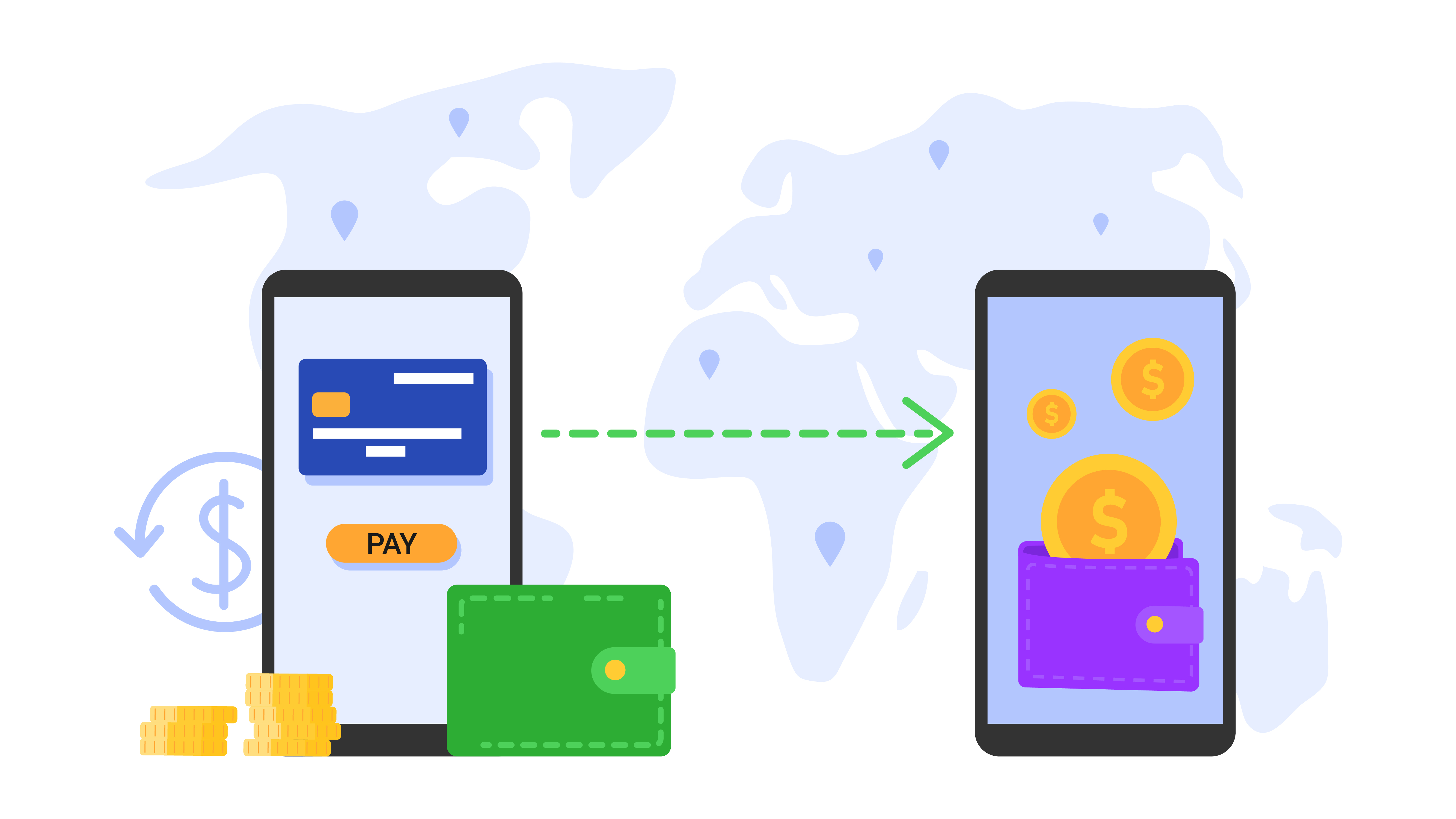
Comparison of payroll mechanisms
The table below contrasts the operational impact of each method on flexibility, tax reporting, and gas efficiency.
| Feature | Streaming | Lockup |
|---|---|---|
| Flexibility | High: pay stops instantly on termination | Low: fixed schedule requires manual intervention |
| Tax Reporting | Complex: daily FMV tracking required | Simple: fixed event dates |
| Gas Efficiency | High: no on-chain transactions until withdrawal | Low: gas paid per disbursement event |
Market context
Understanding the value of distributed assets is critical for accurate payroll accounting. Use live market data to determine the fiat equivalent of streamed tokens at the moment of receipt.
Leading smart contract payroll platforms in 2026
The landscape of DAO payroll automation has matured significantly. In 2026, selecting the right smart contract payroll platform requires matching your organization’s treasury structure with the specific capabilities of the protocol. The following evaluation covers the four primary solutions currently managing decentralized compensation.
Sablier: Real-time streaming payments
Sablier remains the industry standard for streaming payments. Instead of issuing lump-sum payouts at the end of a pay period, Sablier allows organizations to pay contributors in real-time. This model reduces the risk of overpayment and provides immediate liquidity for workers. The protocol supports native token payroll across multiple chains, integrating directly with wallets and dashboards for instant tracking [src-serp-1].
Aragon: Comprehensive DAO management
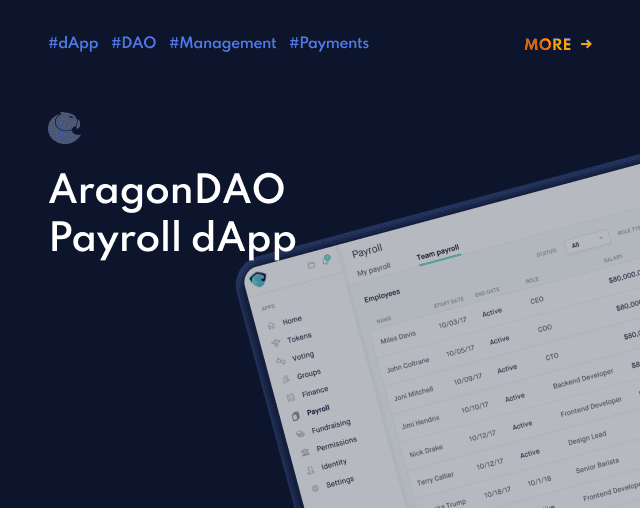
Aragon offers a more holistic approach by embedding payroll within its broader DAO operating system. The AragonDAO Payroll dApp streamlines employee management, automates recurring payments, and tracks organizational statistics in one interface [src-serp-2]. This integration is particularly useful for DAOs that want to manage governance, treasury, and payroll under a single unified contract suite.
Utopia: Recurring payment automation
Utopia focuses on simplifying the mechanics of recurring payments. It allows DAO managers to set up automated salary streams and expense reimbursements with minimal configuration. The system is designed to handle the administrative overhead of recurring transactions, ensuring that payments are executed consistently without manual intervention [src-serp-4].
FactoryDAO: Secure vesting and transparency
FactoryDAO distinguishes itself by leveraging Merkle trees for secure token vesting and transparent payroll solutions. This approach is ideal for DAOs that need to manage complex vesting schedules for early contributors or team members. By using cryptographic proofs, FactoryDAO ensures that payroll distributions are verifiable and tamper-proof, addressing the high-stakes security requirements of decentralized finance [src-serp-5].
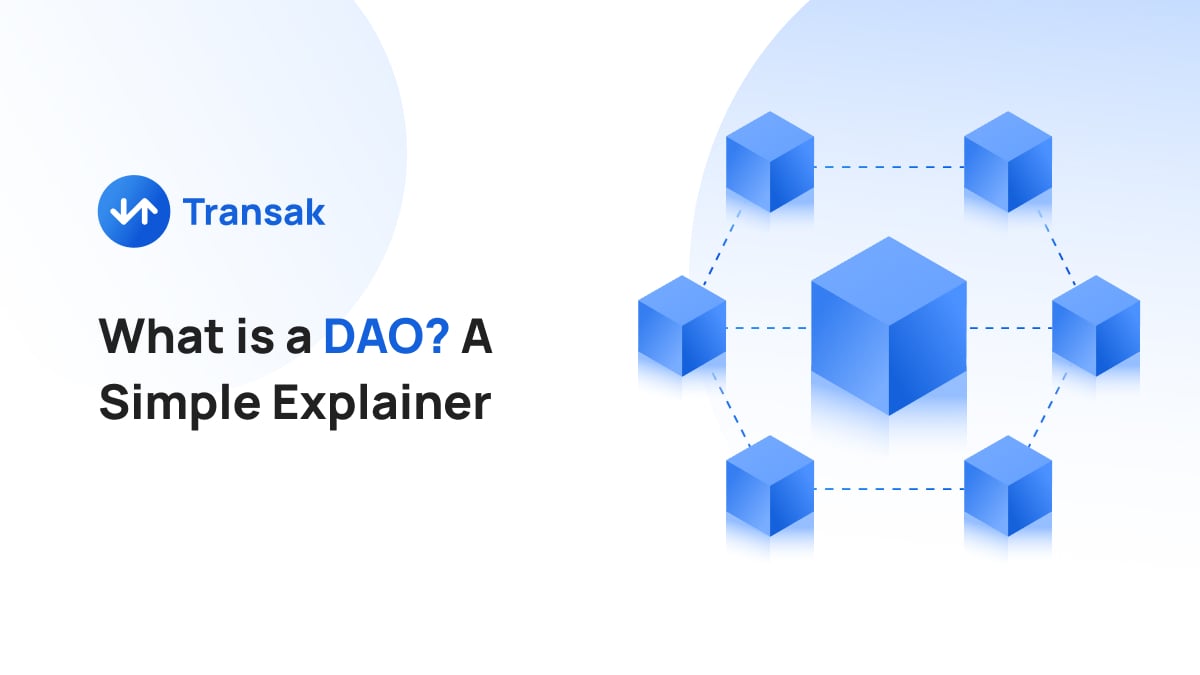
Platform comparison
The table below summarizes the core capabilities of each platform to help you evaluate which fits your DAO’s operational needs.
| Platform | Primary Feature | Best For |
|---|---|---|
| Sablier | Real-time streaming | Immediate liquidity and flexibility |
| Aragon | Integrated DAO OS | Unified management and governance |
| Utopia | Recurring automation | Simplified salary streams |
| FactoryDAO | Merkle vesting | Secure, verifiable payouts |
Compliance and tax implications for global teams
Deploying smart contracts for payroll introduces a significant regulatory friction point. While automation strips out administrative overhead, it does not automatically resolve local employment law requirements. A smart contract executes code; it does not interpret jurisdictional tax codes. DAOs operating across borders must navigate a patchwork of regulations where digital asset classification varies wildly between regions.
The primary risk lies in the misclassification of contributors. In many jurisdictions, automated payments trigger independent contractor or employee withholding obligations. Ignoring these local nuances can result in severe penalties for the DAO treasury. The execution of a transaction on-chain is immutable, but the tax liability it generates is subject to local enforcement. Consequently, automated payroll systems must be paired with manual compliance checks or specialized legal frameworks that adapt to each contributor’s location.
Record-keeping is the most critical operational defense against regulatory scrutiny. Blockchain data provides a transparent ledger, but tax authorities often require formatted documentation that matches domestic accounting standards. DAOs must bridge the gap between on-chain hashes and off-chain tax forms. This involves tracking fair market values at the time of receipt, calculating capital gains on subsequent token movements, and maintaining clear audit trails for every payout.
As the regulatory landscape shifts, the cost of non-compliance outweighs the efficiency gains of pure automation. Successful DAOs treat compliance not as a post-deployment afterthought, but as a core architectural constraint. By integrating tax logic into the governance layer and maintaining rigorous documentation, organizations can mitigate the high-stakes risks associated with global digital payroll.
Setting up your first automated payroll flow
DAO Payroll Automation works best as a sequence, not a scramble through settings. Do the minimum first: confirm compatibility, connect the core hardware, update only when needed, and test the result before adding optional features. That order keeps the task understandable and makes failures easier to isolate. After each step, pause long enough for the interface to finish syncing. Many setup problems are timing problems disguised as configuration problems. If the same step fails twice, record the exact error, restart the smallest affected piece, and retry before moving deeper.
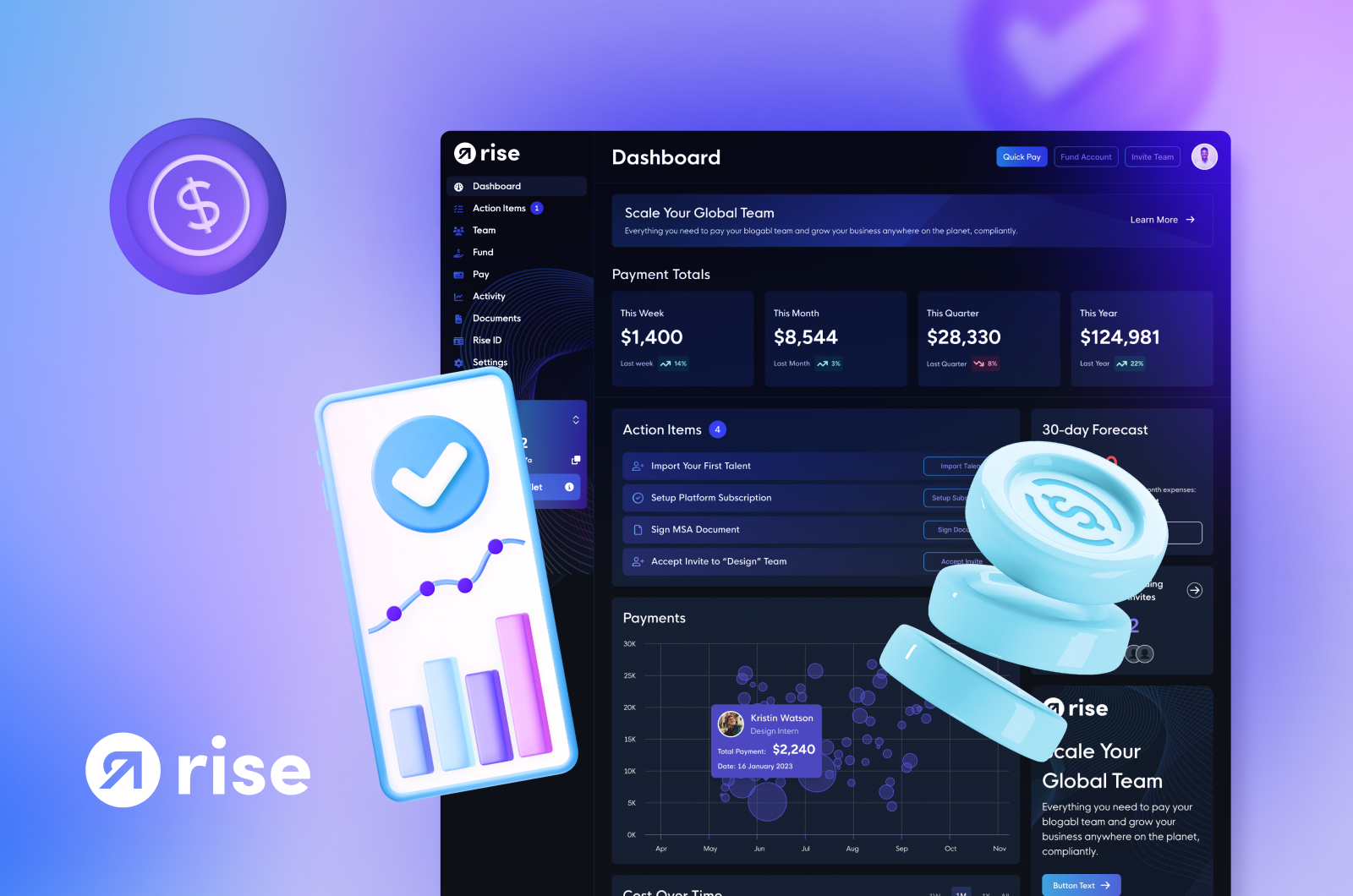
Frequently asked questions about DAO payroll
What does DAO stand for?
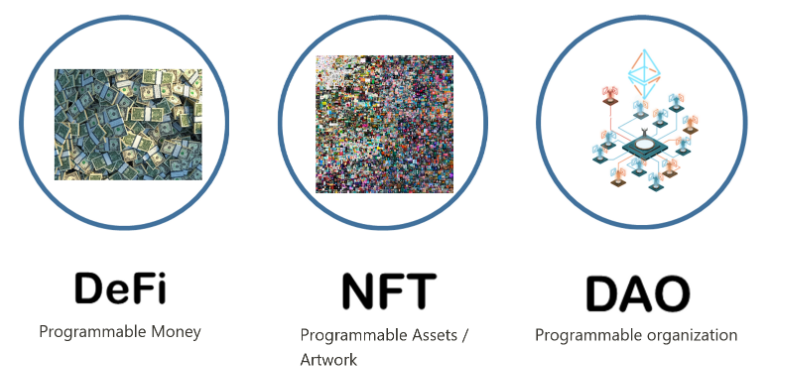
A Decentralized Autonomous Organization (DAO) is a community-owned entity with no centralized leadership. Instead of a board of directors, members vote on proposals using governance tokens. While DAOs often start as informal groups, many adopt legal wrappers in jurisdictions like Wyoming or the Marshall Islands to protect members from personal liability and clarify tax obligations.
How does a DAO make money?
DAOs generate revenue through treasury activities, such as staking native tokens, earning fees from protocol usage, or holding appreciating assets like ETH and BTC. Some DAOs also monetize their intellectual property or offer premium services. This revenue funds operations, including payroll for developers, community managers, and contractors.
Do DAOs have to pay taxes?
Yes. Tax authorities in most jurisdictions treat DAO income and distributions as taxable events. Staking rewards are often considered ordinary income at fair market value, while selling treasury assets triggers capital gains. DAOs must maintain meticulous records of all transactions to comply with local tax laws and avoid penalties.
What is an example of a DAO?
The MakerDAO is a prominent example, governing the DAI stablecoin. Members vote on risk parameters and collateral types using MKR tokens. Another example is the ConstitutionDAO, which attempted to purchase a copy of the U.S. Constitution. These examples illustrate how DAOs can coordinate large-scale financial decisions and asset acquisition without traditional corporate structures.
No comments yet. Be the first to share your thoughts!