The 2026 payroll compliance shift
The regulatory landscape for payroll is undergoing a structural change in 2026. Traditional professional employer organizations (PEOs) and legacy payroll providers are struggling to keep pace with the complexity of global, decentralized workforces. As DAOs and distributed autonomous organizations scale, the friction between static, jurisdiction-bound payroll systems and fluid, on-chain labor markets has created significant compliance risks.
In 2026, the primary challenge is no longer just calculation accuracy; it is real-time regulatory adherence across multiple legal jurisdictions. Traditional models rely on batch processing and manual data entry, which introduces latency and error rates that are untenable for real-time, global compliance. Conversely, on-chain payroll rails offer immutable audit trails and smart contract-enforced compliance rules that can adapt to varying local labor laws instantly.
Automation is becoming the standard for handling repetitive compliance tasks. Industry analysis indicates that by 2026, approximately 90% of repetitive payroll processes will be automated, with predictive AI detecting errors before payments are processed. This shift allows organizations to move from reactive compliance to proactive governance.
DAOs are increasingly turning to on-chain rails not just for efficiency, but for transparency. The ability to prove compliance in real-time, rather than auditing it retroactively, is becoming a key differentiator for organizations operating in the global gig and contract economy. As regulatory bodies in the EU, US, and Asia tighten rules around cross-border labor, the limitations of traditional PEOs are becoming more apparent, pushing the industry toward automated, on-chain solutions.
On-chain rails versus traditional providers
DAOs and distributed organizations must choose between on-chain smart contract payroll and traditional professional employer organizations (PEO) or Human Resources Information System (HRIS) providers. This comparison evaluates operational fit based on compliance, treasury control, settlement speed, and cost structures as of 2026.
On-chain payroll relies on self-executing code to distribute compensation. Transactions occur directly from the DAO treasury to contributor wallets, reducing intermediary fees and increasing transparency. However, this model places the burden of regulatory compliance and tax withholding on the organization itself. Traditional PEOs act as the employer of record, managing off-chain liabilities, payroll taxes, and local labor law adherence in exchange for a service fee. This distinction defines the primary trade-off: operational autonomy versus regulatory risk transfer.
The following table outlines the structural differences between these two payroll models.
| Feature | On-Chain Smart Contract Payroll | Traditional PEO/HRIS |
|---|---|---|
| Compliance & Tax Filing | Self-managed by DAO members; high liability | PEO assumes employer liability; automated filing |
| Settlement Speed | Near-instant (block confirmation times) | 1-3 business days (bank processing) |
| Treasury Control | Direct from DAO multisig or vault | Funds held in PEO escrow or employer account |
| Cost Structure | Network gas fees + minimal protocol overhead | Per-employee monthly fee + payroll percentage |
| Jurisdictional Support | Limited by token compatibility and local law | Broad coverage in 100+ countries via local entities |
| Auditability | Public ledger; immutable transaction history | Private records; accessible via secure portal |
For organizations operating in jurisdictions with strict labor classification laws, such as the European Union or California, traditional PEOs provide a necessary legal shield. The PEO model ensures that independent contractors or remote employees are classified and compensated in accordance with local statutes, reducing the risk of misclassification penalties. In contrast, on-chain payroll requires the DAO to establish legal entities or engage legal counsel to handle withholding and reporting, effectively recreating the administrative overhead it seeks to avoid.
Conversely, for DAOs prioritizing transparency and capital efficiency, on-chain rails offer superior auditability and immediate settlement. Contributors receive compensation without the lag of traditional banking systems, and every transaction is permanently recorded on the blockchain. This model is increasingly viable as regulatory frameworks for digital assets mature, but it currently demands a higher degree of internal operational sophistication.
Treasury management and real-time settlement
In 2026, DAO payroll automation shifts treasury management from batch processing to continuous settlement. Unlike traditional payroll employment organizations that settle funds in multi-day cycles, on-chain rails enable immediate finality. This real-time capability allows treasuries to maintain smaller working capital reserves while ensuring contributors are paid instantly upon task completion or time-locked vesting.
The integration of smart contracts with treasury multisigs creates a transparent audit trail for every disbursement. Automated compliance checks embedded in the payroll logic can flag discrepancies before funds move, reducing the risk of erroneous payments that are difficult to reverse on public ledgers. This error detection layer is critical for DAOs operating across multiple jurisdictions, where tax withholding rules may vary by contributor location.
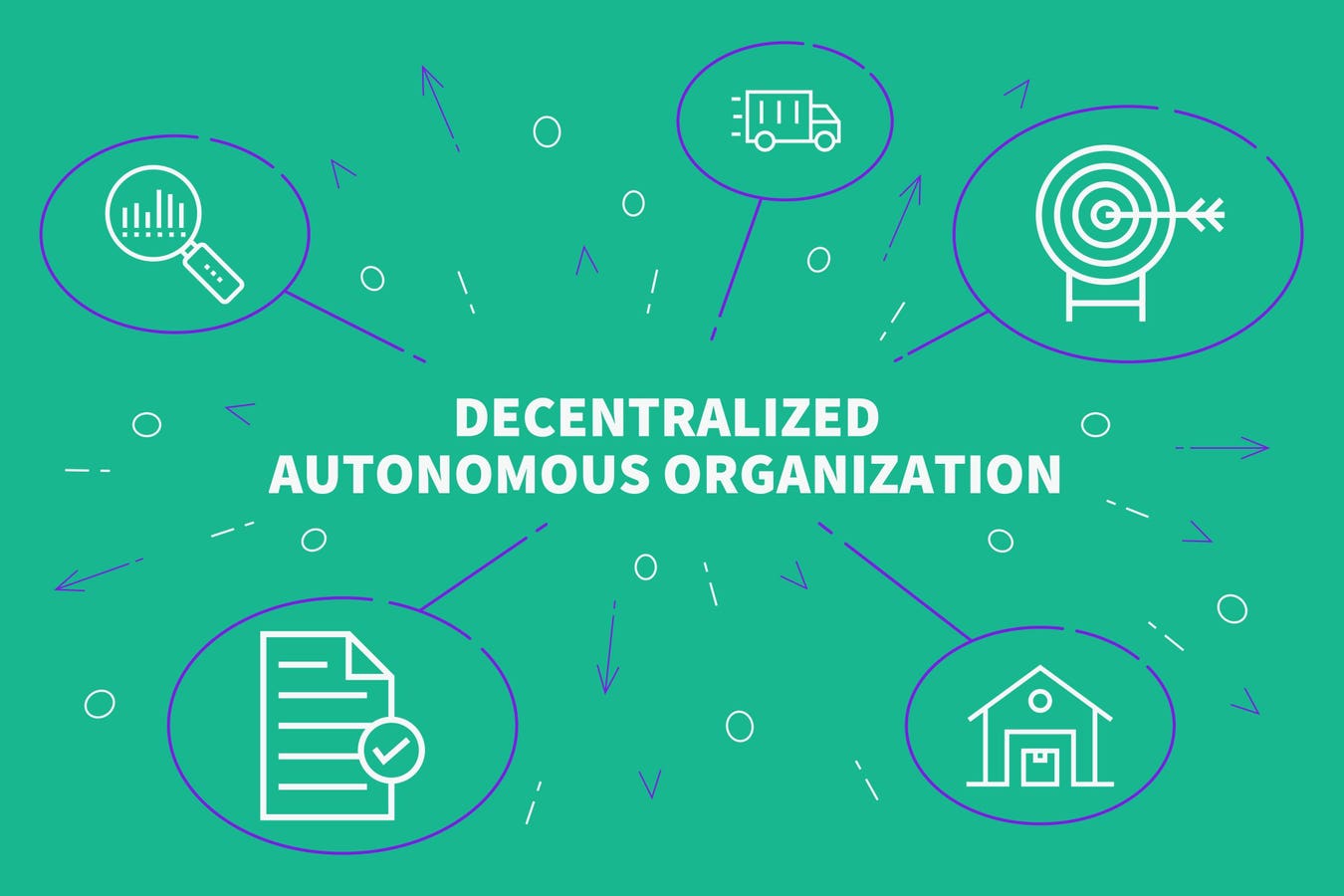
While traditional PEOs offer a single point of liability for payroll errors, on-chain systems distribute this risk across code audits and treasury governance. DAOs must weigh the efficiency of real-time settlement against the complexity of managing on-chain compliance. As payroll automation becomes standard for global organizations in 2026, the choice between on-chain rails and traditional providers often hinges on the DAO’s tolerance for technical risk versus administrative overhead.
Navigating jurisdictional tax obligations
Smart contracts execute transactions, but they do not understand tax codes. In 2026, the assumption that on-chain payroll automatically satisfies local compliance is a significant legal risk. DAOs distributing payments in stablecoins or native tokens must still manage the fragmented landscape of global tax withholding, which varies by country, state, and even municipality.
The primary challenge lies in the disconnect between on-chain activity and off-chain reporting. A transaction recorded on the blockchain provides a timestamp and amount, but it does not calculate income tax, social security contributions, or VAT obligations for the recipient. For example, a DAO paying a developer in Berlin must comply with German Lohnsteuer (income tax) withholding rules, while a payment to a contractor in Texas requires adherence to U.S. federal and state withholding regulations. Ignoring these distinctions can lead to severe penalties for both the DAO and the worker.
To mitigate this risk, many organizations are adopting a hybrid approach. This model uses smart contracts for the disbursement of funds while relying on specialized payroll software or professional employer organizations (PEOs) to handle the tax calculations and filings. These tools integrate with on-chain data to generate the necessary W-2s, 1099s, or international equivalents. This separation of execution and compliance ensures that the efficiency of automation does not come at the cost of regulatory adherence.
Implementation checklist for DAOs
Transitioning from manual or fragmented payroll to automated on-chain rails requires a structured audit. As automation becomes standard in 2026, DAOs must verify that their treasury controls and compliance registrations align with emerging regulatory frameworks.
Verify that payroll smart contracts have undergone independent audits. Ensure multisig requirements are strictly enforced for any payout transactions to prevent unauthorized fund movement.

Confirm that the DAO is registered as a legal entity in its primary jurisdiction. Automated payroll systems must integrate with local tax authorities; ensure your legal structure allows for this reporting.

Review how on-chain payroll data handles personally identifiable information (PII). Ensure that off-chain storage solutions comply with GDPR or CCPA, depending on where contributors reside.
Run a simulation of the automated payroll flow. Check that oracle feeds for stablecoin conversion rates are reliable and that the transaction fees (gas) do not erode small contributor payouts.
This checklist provides a baseline for preparation. It does not constitute legal advice. Consult qualified counsel in your specific jurisdiction before deploying automated payroll systems.
Common questions about automated payroll
The following questions address specific concerns regarding the transition from traditional professional employer organizations to on-chain rails for DAO payroll in 2026.
No comments yet. Be the first to share your thoughts!