Why DAO payroll rails matter in 2026
DAO payroll rails represent a structural shift from manual, opaque cryptocurrency distributions to automated, compliant smart contract systems. In 2026, the decentralized finance (DeFi) landscape demands infrastructure that handles cross-border stability without sacrificing regulatory transparency. Manual processes, once sufficient for small contributor pools, now introduce unacceptable risks regarding tax liability, reporting errors, and security vulnerabilities.
The primary function of DAO payroll rails is to automate stablecoin salary distribution while embedding compliance checks directly into the transaction layer. By leveraging smart contracts, organizations can ensure that payments are executed instantly and immutably. This automation reduces the administrative overhead associated with verifying contributor identities and calculating jurisdiction-specific deductions. The Ethereum Foundation’s ongoing work on ERC standards further supports the technical feasibility of these integrated systems, providing a robust framework for secure, standardized transactions.
From a regulatory perspective, DAO payroll rails address the critical need for auditability. Traditional crypto payments often leave a fragmented trail that complicates tax reporting for both the organization and the recipient. Automated rails generate clear, timestamped records of each disbursement, aligning with guidance from tax authorities such as the IRS regarding virtual currency transactions. This clarity is essential for high-stakes financial operations where compliance is not optional.
The transition to these automated systems also mitigates the volatility risks inherent in native cryptocurrency payments. By utilizing stablecoins pegged to fiat currencies, DAOs can provide predictable income for global teams, regardless of market fluctuations. This stability is crucial for maintaining talent retention and ensuring that contributors receive the agreed-upon value for their work. As the DeFi ecosystem matures, the adoption of compliant payroll infrastructure will likely become a standard requirement for any organization operating on a global scale.
Structuring compliant smart contract payroll
Building DAO payroll rails requires a dual-layer architecture that satisfies both technical execution and jurisdictional legal standards. The core challenge lies in automating stablecoin payouts while ensuring that the smart contract logic does not inadvertently trigger securities violations or tax liabilities in contributor jurisdictions. This structure treats the blockchain not as a wild west, but as a regulated ledger where every transaction must align with existing financial frameworks.
Define jurisdictional boundaries and contributor classification
The first step in structuring compliant DAO payroll rails is establishing a clear legal taxonomy for contributors. Unlike traditional employment, DAO roles often span multiple jurisdictions, creating complex nexus issues. Contracts must include logic that verifies contributor residency and applies appropriate tax withholding rules based on local laws. This often involves integrating with off-chain identity verification services to ensure that on-chain payments do not violate Anti-Money Laundering (AML) regulations. Treating contributors as independent contractors by default, unless local law dictates otherwise, helps mitigate employee misclassification risks.
Implement automated tax withholding and reporting
Compliance fails when tax obligations are ignored. DAO payroll rails must embed automated withholding mechanisms directly into the payout smart contracts. For US-based contributors, this means integrating with services that can calculate and deduct federal and state taxes from stablecoin distributions before they hit the recipient’s wallet. The Internal Revenue Service (IRS) treats cryptocurrency and stablecoin payments as property, requiring strict reporting on fair market value at the time of receipt. Smart contracts should generate immutable records of these transactions, facilitating the creation of 1099 forms or equivalent international tax documents. This automation reduces the administrative burden on the DAO treasury while ensuring that tax authorities receive accurate data.
Secure the smart contract with multi-sig governance
The final layer of compliance is operational security and governance. Payroll rails should not rely on a single private key for execution. Instead, they must utilize multi-signature (multi-sig) wallets, such as Gnosis Safe, requiring approval from a quorum of trusted DAO members or designated compliance officers. This prevents unauthorized payouts and ensures that every disbursement is reviewed against the approved budget and contributor list. The smart contract code should be open-source and audited, allowing the community to verify that the logic matches the stated compliance policies. This transparency is critical for maintaining trust and demonstrating good faith in regulatory inquiries.
Map contributor locations to determine applicable tax and labor laws. Integrate identity verification to ensure accurate residency data feeds into the payroll logic.
Set smart contract parameters to deduct taxes based on contributor jurisdiction. Ensure stablecoin values are converted to fiat equivalents for accurate reporting.
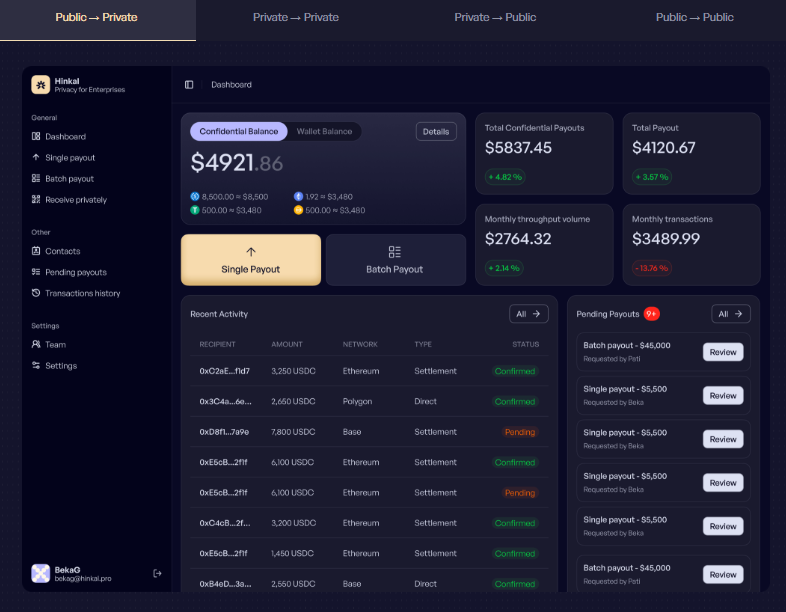
Require multiple signatures for payroll releases. This adds a layer of human oversight to prevent unauthorized or erroneous payments from being executed on-chain.
Audit and maintain compliance records
Compliance is not a one-time setup but an ongoing process. DAO payroll rails must regularly audit their smart contract logs against changing regulatory requirements. This includes verifying that tax withholding rates are up to date and that contributor classifications have not changed. The DAO should maintain a public registry of payroll policies and audit results, demonstrating a commitment to transparency. By keeping these records accessible, DAOs can better defend against regulatory scrutiny and build trust with contributors and partners alike.
Managing cross-border tax obligations
DAO payroll rails must account for the fragmented nature of global tax codes. Unlike traditional corporations that operate under a single jurisdiction, decentralized organizations distribute compensation across multiple legal territories. This distribution creates a complex web of withholding requirements, reporting duties, and treaty obligations that automated systems must navigate to remain compliant.
Embedded Withholding Mechanisms
Integrating tax logic directly into the payroll smart contract is the most effective way to mitigate regulatory risk. By encoding jurisdiction-specific rules into the payout function, DAOs can automatically calculate and withhold the correct percentage of tax before funds are transferred. This approach ensures that every payment aligns with the local laws of the recipient’s location, reducing the administrative burden on both the organization and the contributor.
While the Ethereum Foundation itself operates as a non-profit entity with specific tax treatments, its governance structures offer a template for how decentralized groups can handle financial responsibilities. DAOs can adopt similar transparent mechanisms to track and report tax liabilities, ensuring that all actions are auditable and verifiable on-chain.
Reporting and Documentation
Automated payouts do not absolve the DAO of local tax reporting duties. Consult local counsel for jurisdiction-specific requirements.
Beyond withholding, DAO payroll rails must generate detailed reports for tax authorities. These reports should include contributor identities, payment amounts, dates, and applicable tax codes. By automating this documentation process, DAOs can ensure that they meet filing deadlines and provide accurate information to regulators. This transparency is crucial for maintaining trust with tax authorities and avoiding penalties.
Jurisdictional Compliance
Different jurisdictions have different rules regarding crypto compensation. Some countries treat crypto as property, while others view it as currency. DAO payroll rails must be flexible enough to adapt to these varying definitions. This flexibility allows the system to adjust withholding rates and reporting formats based on the recipient’s location, ensuring compliance with local laws.
By embedding these compliance mechanisms into the core infrastructure, DAOs can reduce the risk of non-compliance and protect themselves from high-stakes regulatory actions. This proactive approach to tax management is essential for the long-term sustainability of decentralized organizations.
Protecting contributor data privacy
DAO payroll rails operate on public ledgers, which creates a structural tension between financial transparency and individual privacy. On-chain transactions are immutable and visible to anyone, meaning that standard payment distributions can inadvertently expose sensitive contributor data such as salary figures, payment frequencies, and wallet ownership patterns. This visibility conflicts with the privacy expectations of employees and contractors who require confidentiality regarding their compensation.
To resolve this, modern DAO payroll systems are moving toward zero-knowledge (ZK) proofs and selective disclosure mechanisms. These cryptographic methods allow the protocol to verify that a payment complies with governance rules and regulatory limits without revealing the underlying transaction details on the main chain. For instance, a ZK-proof can confirm that a contributor is not on a sanctions list or that a payment does not exceed a regulatory threshold, all without broadcasting that individual’s identity or amount to the public.
Selective disclosure further refines this approach by allowing contributors to choose exactly which data points are visible. Instead of publishing raw ledger entries, the system can generate a verified receipt that confirms the payment was made by the DAO treasury without exposing the recipient’s wallet address or the specific stablecoin amount. This ensures that the DAO remains accountable to its stakeholders while protecting the personal financial data of its workforce.
Compliance frameworks, such as those outlined by the IRS for digital asset transactions, require accurate record-keeping for tax purposes. However, these regulations do not mandate that every transaction detail be publicly accessible on a blockchain explorer. By off-chain storage of sensitive data and using on-chain hashes for verification, DAOs can maintain audit trails that satisfy regulatory requirements while keeping contributor data private. The Ethereum Foundation’s work on privacy-preserving smart contracts also supports this architectural shift, emphasizing that technical standards can evolve to support both transparency and confidentiality.
Common mistakes in DAO compensation
Automating compensation through DAO payroll rails introduces specific failure points that can disrupt treasury stability and trigger compliance issues. Operators often underestimate the volatility inherent in stablecoin mechanics or neglect the administrative overhead required to maintain accurate contributor records. These oversights transform technical infrastructure into a liability rather than an asset.
One frequent error involves ignoring stablecoin de-pegging risks when selecting payment assets. Relying on algorithmic or lightly backed stablecoins for payroll exposes the organization to sudden value erosion. Various financial regulators have highlighted the importance of using regulated, fiat-backed stablecoins to ensure predictable payout values. Without this safeguard, contributors may receive significantly less than anticipated, creating friction and potential labor disputes.
Another critical mistake is failing to update contributor roles within the smart contract logic as the organization evolves. Static payroll configurations do not account for role changes, promotions, or departures. If the underlying data structure is not synchronized with actual governance decisions, payments may be routed incorrectly or withheld entirely. This lack of dynamic adjustment undermines the efficiency that DAO payroll rails are designed to provide.
Tax compliance remains a persistent challenge. Many DAOs treat crypto payments as simple transfers, overlooking the reporting obligations mandated by the Internal Revenue Service (IRS). Contributors are considered independent contractors or employees depending on the jurisdiction, and failure to issue proper documentation can lead to audits. Integrating tax withholding settings into the payroll logic is essential for maintaining a clean financial record.
To mitigate these risks, organizations should adopt a rigorous pre-deployment protocol. Verifying the stability of the chosen asset, testing smart contract logic under various scenarios, and confirming tax settings are non-negotiable steps.
-
Verify stablecoin choice for regulatory compliance and stability
-
Test smart contract logic with mock contributor data
-
Confirm tax withholding settings for each jurisdiction
-
Review contributor data privacy and access controls
Addressing these common pitfalls ensures that DAO payroll rails function as a reliable, compliant, and efficient mechanism for supporting decentralized teams.
Frequently Asked Questions About DAO Payroll
DAO payroll rails address common operational and compliance queries regarding decentralized autonomous organizations. These questions clarify definitions, safety mechanisms, and structural examples relevant to stablecoin-based compensation.
No comments yet. Be the first to share your thoughts!