
How to automate DAO payroll in 2026
Automating payroll for a DAO requires aligning your legal entity, treasury structure, and compliance framework before deploying code. Skipping these prerequisites often leads to frozen funds or regulatory flags.
1. Define the legal wrapper
Most DAOs operate in a legal gray area. To automate payroll safely, you typically need a legal wrapper like a Wyoming DAO LLC or a Singapore VCC. This entity holds the treasury and issues tax forms. Without it, you cannot legally classify payments as wages or contractor fees, making automated tax withholding impossible.
2. Map token vs. fiat flows
Decide if payments will be made in native tokens, stablecoins, or fiat. Multi-chain settlements add complexity. If you pay in USDC on Ethereum, you must handle gas fees and slippage. If you pay fiat, you need an integrated payroll provider that bridges on-chain data to off-chain banking rails. Choose one primary settlement layer to avoid reconciliation nightmares.
3. Set up compliance hooks
Automated payroll must respect jurisdictional rules. Integrate KYC/AML checks for recipients before they can claim funds. Use oracles to verify vesting schedules and contribution proofs. This ensures that the smart contract only releases funds when legal and operational conditions are met, protecting the DAO from fraud and regulatory scrutiny.
Work through the steps
Automating DAO payroll requires moving from manual spreadsheet tracking to a system where smart contracts execute payments based on verified data. This process reduces administrative overhead and ensures transparent, immutable records of compensation. The following sequence outlines the standard workflow for implementing automated payroll across multi-chain environments.
Before deploying code, you must clearly define how contributors are compensated. Determine if payments are fixed salaries, hourly wages, or performance-based bounties. Document the roles, responsibilities, and payment frequencies for each position. This structure becomes the input data for your smart contracts, ensuring that every payment aligns with the DAO’s governance rules and contributor agreements.
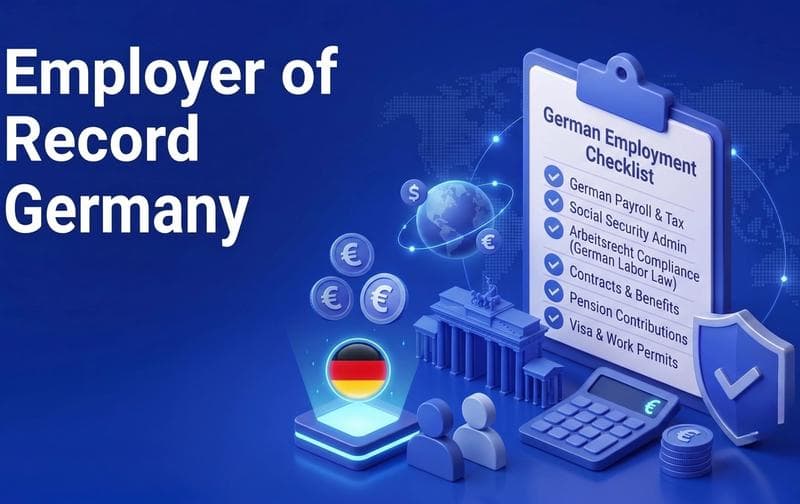
Choose a payroll platform that supports multi-chain settlements and integrates with your DAO’s governance tools. Look for software that can handle complex tokenomics, such as paying in native tokens, stablecoins, or a mix of both. Configure the platform to pull data from on-chain activity or off-chain verification sources, depending on how your DAO tracks work completion. Ensure the platform supports compliance reporting for tax purposes in relevant jurisdictions.

Write the smart contracts that will execute the payroll. These contracts should include logic for verifying contributor eligibility, calculating amounts based on defined rates, and releasing funds to wallet addresses. Have the contracts audited by a reputable security firm to prevent vulnerabilities. Test the contracts on a testnet to simulate payroll runs and ensure that funds are distributed correctly without errors or unintended consequences.
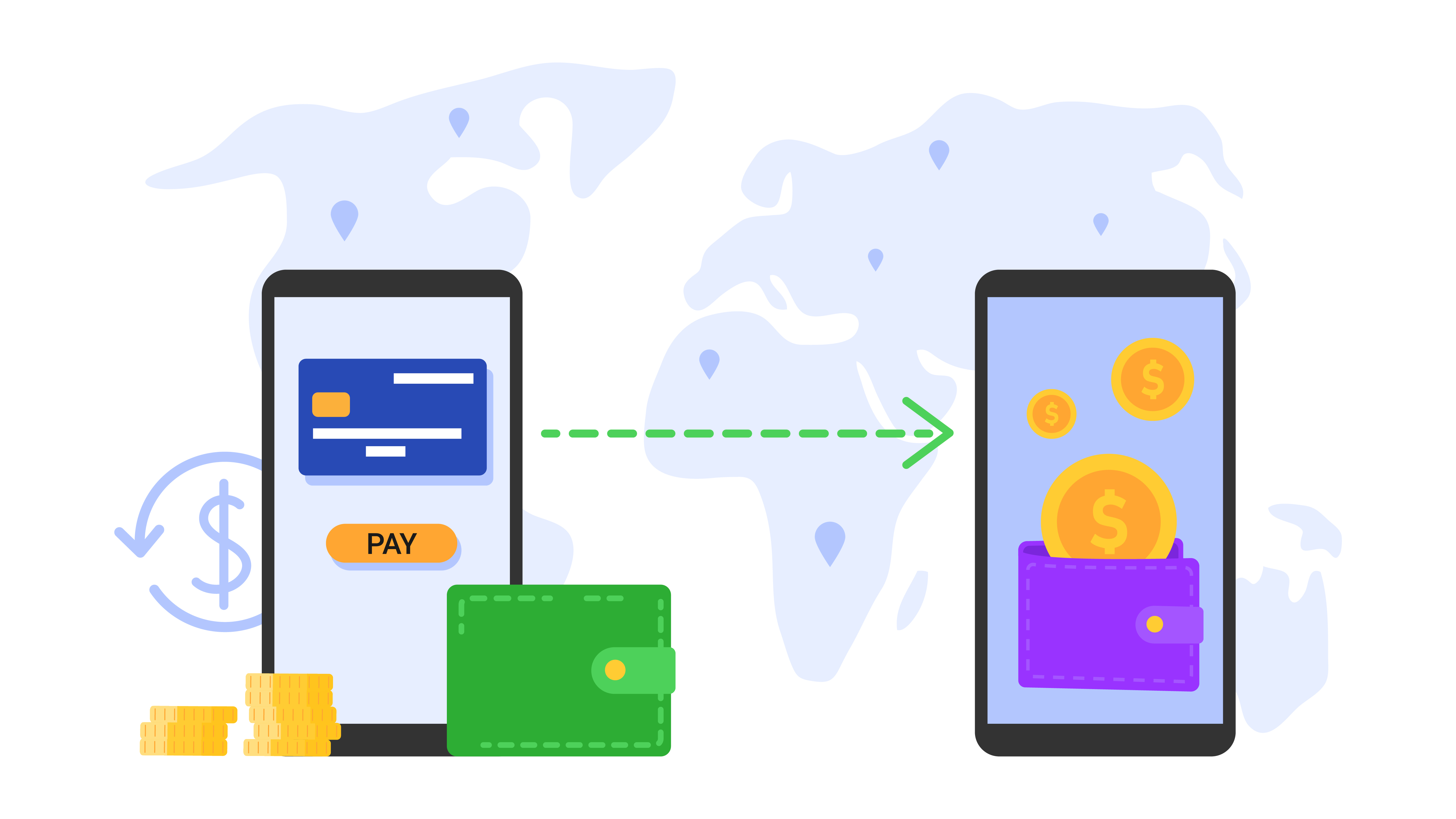
Connect the payroll smart contracts to your DAO’s treasury management system and governance platform. This integration allows payroll execution to be tied to governance approvals or automated based on predefined triggers. For example, you might set up the system to release payments only after a certain number of work hours are verified by a decentralized oracle or a designated administrator. This step ensures that payroll is transparent and accountable to the DAO community.
Launch the automated payroll system with a small test group or a single cycle to verify end-to-end functionality. Monitor the transactions on the blockchain to confirm that payments are received by contributors and that gas fees are accounted for. After the run, review the logs and receipts to ensure accuracy. Once verified, schedule the recurring payroll cycles and establish a routine for monitoring compliance and addressing any issues that arise.
Fix common mistakes
Automated DAO payroll sounds simple on paper, but the gap between a working script and a compliant, secure payout system is wide. Most failures happen because teams treat payroll as a purely technical task rather than a legal and operational one. Below are the most frequent errors that break DAO payouts and how to fix them.
Assuming on-chain identity matches legal identity
The biggest risk is paying the wrong person. A wallet address is not a legal entity. If you automate payments directly to wallets without verifying who controls them, you expose the DAO to tax evasion, money laundering, and regulatory penalties.
The fix: Integrate a KYC/AML layer before the smart contract executes. Use identity verification services that link wallet addresses to verified legal identities. Do not skip this step to save gas fees; the legal liability far outweighs the cost.
Ignoring multi-chain settlement complexity
DAOs often operate across multiple blockchains (Ethereum, Polygon, Arbitrum, etc.). A common mistake is writing payroll logic that only works on one chain or assuming stablecoin prices are identical everywhere. This leads to failed transactions, lost funds, or employees receiving significantly less than expected due to bridge delays or slippage.
The fix: Build your payroll system with a multi-chain settlement layer. Use oracles to fetch real-time exchange rates for the specific chain the employee is paid on. Ensure your smart contracts handle gas fees correctly on each network. Test thoroughly on testnets before deploying to mainnet. Consider using a payroll provider that already supports multi-chain payouts to avoid reinventing the wheel.
Overlooking tax compliance and reporting
Smart contracts execute code, not tax laws. Automating payroll without building in tax withholding and reporting capabilities means the DAO is still responsible for filing correct 1099s (or equivalent) forms. If you automate the payment but not the compliance, you create a massive administrative burden and legal risk.
The fix: Integrate with payroll software that handles tax calculations and generates compliant reports. Ensure your smart contracts can interface with off-chain compliance systems. Keep detailed records of every transaction for audit purposes. Consult with a tax professional familiar with crypto and DAO structures to ensure your automation aligns with local regulations.
Treating payroll as a "set and forget" system
Code is not static. Smart contracts can have bugs, and laws change. Assuming your automated payroll will run forever without oversight is a recipe for disaster. A single bug in the contract can drain the treasury or pay incorrect amounts.
The fix: Implement regular audits and monitoring. Use multi-signature wallets for approving payroll runs. Set up alerts for unusual activity or failed transactions. Review the system quarterly to ensure it still meets legal and operational needs. Never deploy a payroll smart contract without a thorough security audit by a reputable firm.
No comments yet. Be the first to share your thoughts!