Get DAO payroll rails right
Before deploying smart contracts, you must select payment rails that match your contributors’ locations and your compliance obligations. A DAO smart contract is only as strong as the on-ramps and off-ramps it uses to move value. If the underlying rails are fragmented or unsupported in key jurisdictions, your automation will break.
Start by mapping where your contributors reside. In the US, common payment rails include ACH (Automated Clearing House), FedNow, checks, RTP (real-time payments), wire transfers, and card networks like Visa and Mastercard. Outside the US, SEPA dominates Europe, while local instant payment systems like UPI in India or Pix in Brazil are often faster and cheaper than traditional banks.
Next, decide how your DAO will settle these obligations. You can use stablecoins (USDC, USDT) for near-instant global settlement, or fiat rails for direct bank deposits. Stablecoins reduce friction but introduce volatility and regulatory scrutiny. Fiat rails offer regulatory clarity but often involve slower settlement times and higher fees for cross-border transfers.
Finally, verify that your chosen rails support the volume and frequency of your payroll. Some rails have daily limits or require manual verification for new beneficiaries. Ensure your smart contract can handle these constraints without halting the entire payroll process.
Automating Global Payroll with DAO Smart Contracts
Deploying a smart contract for payroll requires bridging on-chain governance with off-chain payment rails. You cannot send a stablecoin directly to a traditional bank account; the contract must interact with a compliant intermediary or a specialized rail provider. This process ensures that treasury funds move according to governance votes while satisfying regulatory requirements for cross-border payments.
Transfer the required payroll amount in a stablecoin like USDC or USDT to your payroll smart contract address. Ensure the contract has sufficient gas allowance for execution. This step locks the funds into the escrow-like mechanism, making them available for distribution but inaccessible for other treasury uses until the payroll window opens.
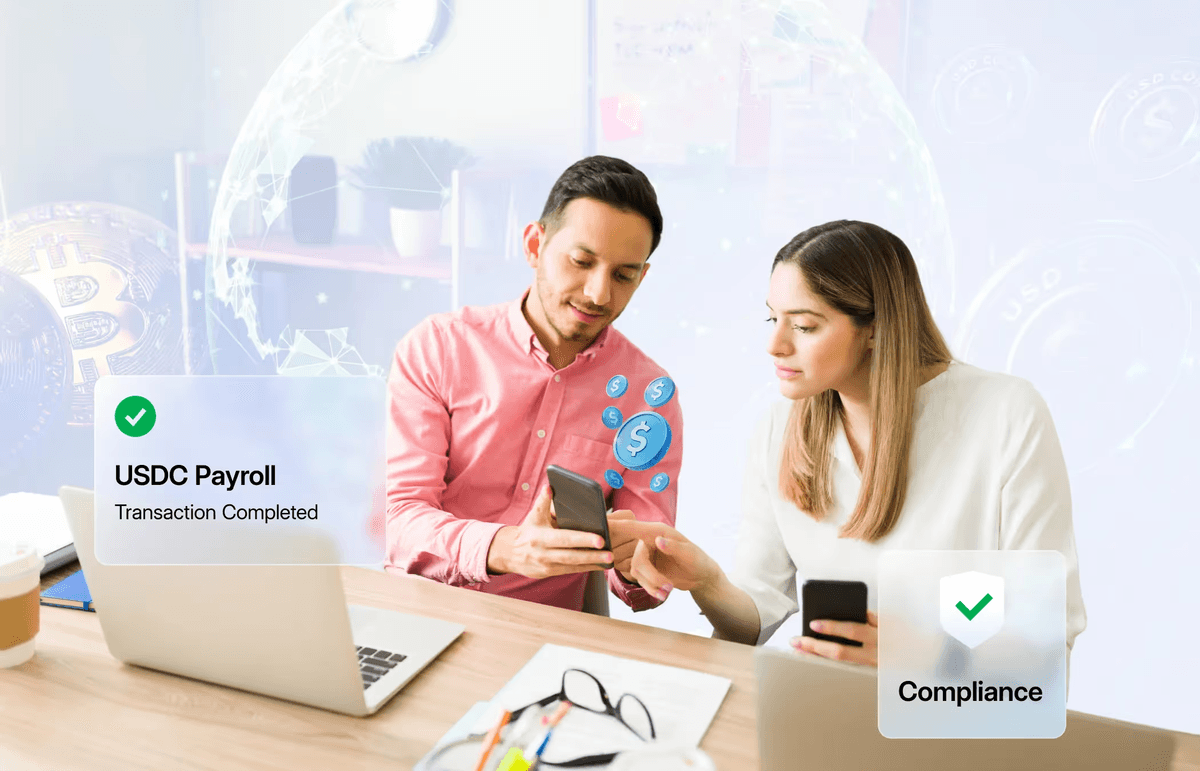
Before executing the contract, confirm that all recipients have completed necessary KYC (Know Your Customer) and tax documentation. Smart contracts do not inherently verify identity. Use a decentralized identity solution or a trusted oracle to flag contributors who are compliant. This prevents the contract from paying addresses linked to sanctioned entities or incomplete tax profiles.
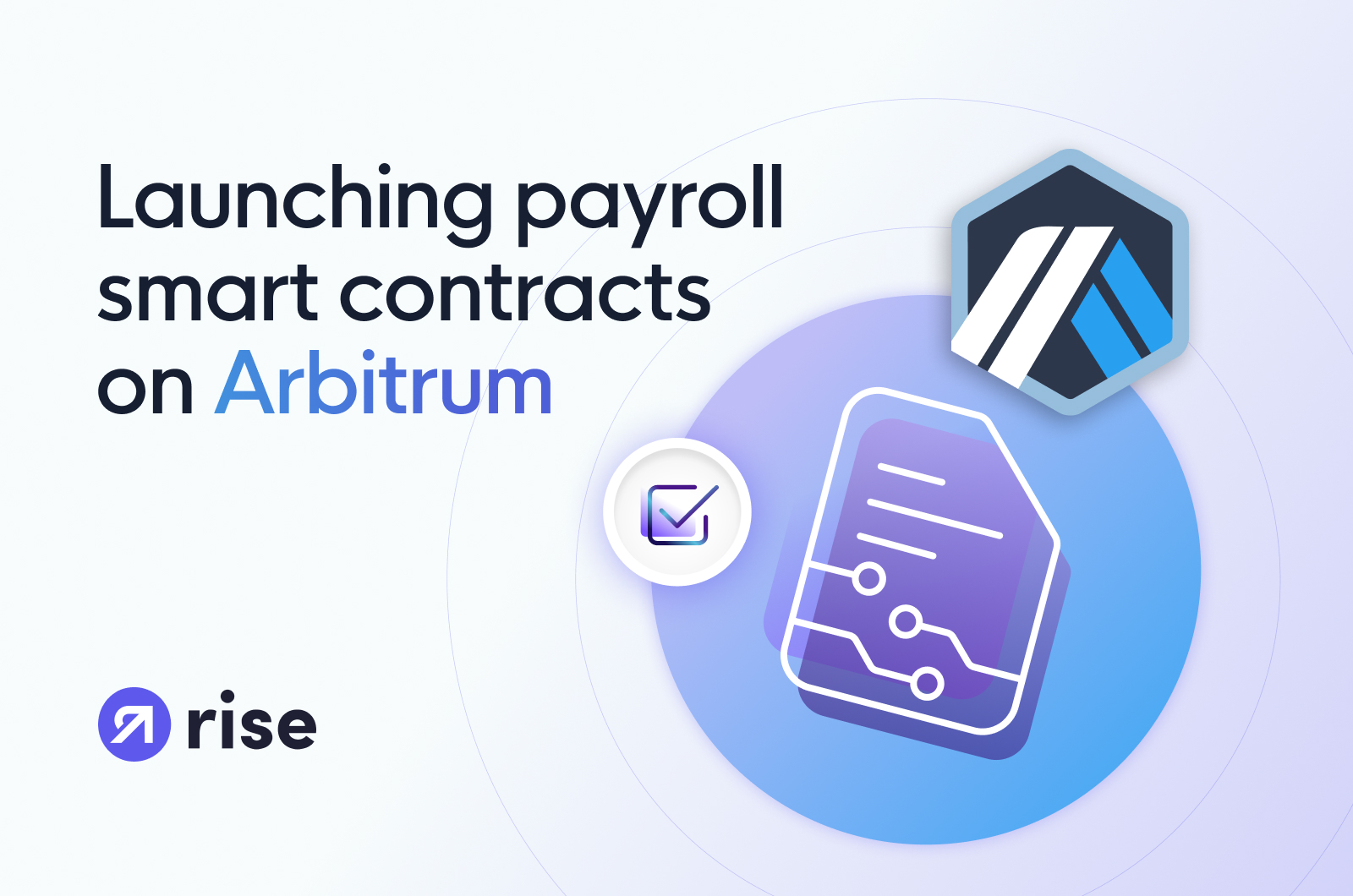
Submit the transaction to the network, specifying the recipient addresses and amounts. The smart contract will then interact with a payment rail provider (such as a stablecoin payroll processor) to convert or route the funds. For recipients in the US, this might involve an ACH transfer initiated by the rail provider after receiving the stablecoin signal. For international recipients, the provider may use local bank rails or direct stablecoin delivery.
Monitor the blockchain for block confirmation. Once the transaction is finalized, the smart contract should emit an event log confirming the payout. Distribute digital receipts to contributors, linking the on-chain hash to their off-chain bank statements. This creates an immutable audit trail for both the DAO and the recipients, simplifying tax reporting and accounting reconciliation.
-
Verify contract balance matches payroll budget
-
Confirm all recipients have passed KYC checks
-
Test with a small amount before full execution
-
Record the transaction hash for audit purposes
Fixing common mistakes in automated global payroll
Even with smart contracts handling the logic, the underlying payment rails often fail when configured incorrectly. The most frequent error is treating stablecoin transfers like traditional bank wires. A stablecoin transaction is final and irreversible. If you send USDC to a wallet address with a single wrong character, the funds are gone. There is no "chargeback" mechanism in DeFi. Always double-check recipient addresses using a checksum or a verified internal directory before executing the payroll contract.
Another major pitfall is ignoring local regulatory requirements for cross-border payments. Smart contracts automate execution, but they do not automatically ensure compliance with local tax withholding laws or labor regulations. For example, sending a payment to an employee in Germany requires specific data handling and tax codes that a generic smart contract may not enforce. If your DAO operates globally, you must layer compliance checks outside the blockchain or use specialized payroll platforms that integrate with on-chain logic.
Finally, many teams overlook the volatility risk of non-stable assets. Payroll must be denominated in a stable unit of account. Paying developers in ETH or other volatile tokens introduces exchange rate risk that can erode compensation value between the time the contract executes and the time the employee cashes out. Stick to stablecoins pegged to major currencies like the USD or EUR to ensure predictable, fair compensation for your global workforce.
Dao payroll rails: what to check next
Before deploying smart contracts for global payouts, it helps to clarify how the underlying infrastructure actually works. The difference between blockchain settlement and fiat banking rails often causes confusion when teams try to mix systems.
The core tradeoff is speed versus compliance. Blockchain rails offer instant finality, but fiat rails require verification. Ensure your chosen platform handles the KYC/AML checks before the smart contract ever triggers a payment.
No comments yet. Be the first to share your thoughts!