Dao payroll automation limits to account for
2026 guide: Automating Global Payroll with DAO Smart Contracts works best as a sequence, not a scramble through settings. Do the minimum first: confirm compatibility, connect the core hardware, update only when needed, and test the result before adding optional features. That order keeps the task understandable and makes failures easier to isolate. After each step, pause long enough for the interface to finish syncing. Many setup problems are timing problems disguised as configuration problems. If the same step fails twice, record the exact error, restart the smallest affected piece, and retry before moving deeper.
The simplest way to use this section is to keep the setup small, verify each change, and record the stable configuration before adding optional accessories.
Dao payroll automation choices that change the plan
When you move payroll to the blockchain, you are trading administrative overhead for technical complexity. There is no single perfect solution. You must weigh the stability of your treasury against the flexibility of your contributors. The following comparison breaks down the concrete factors that determine whether a streaming protocol, a traditional stablecoin batch, or a hybrid system fits your DAO’s specific constraints.
| Feature | Streaming Protocol | Batch Payment | Hybrid Model |
|---|---|---|---|
| Cash Flow | Real-time, second-by-second | Lump sum at period end | Base salary streamed, bonuses batched |
| Treasury Exposure | High. Constant outflow requires precise forecasting. | Low. Funds remain idle until payout day. | Moderate. Predictable base outflow, variable extras. |
| Tax Compliance | Difficult. Many jurisdictions view streaming as income accrual. | Easier. Tied to a specific pay period. | Complex. Requires splitting income streams for reporting. |
| Reversibility | None. Smart contracts are immutable. | Possible. Manual refund or clawback. | Partial. Only batched components are reversible. |
| Gas Costs | Low per transaction, but continuous. | High per transaction, but infrequent. | Mixed. Depends on ratio of streamed vs batched. |
The choice between these models often hinges on your DAO’s risk tolerance. Streaming protocols like Sablier offer transparency and liquidity for contributors, but they remove the safety net of a final payroll review. If a contributor makes a mistake on a contract address, the funds are gone. Batch payments retain control but introduce friction and delay. Hybrid models attempt to balance these needs, though they complicate the accounting stack.
Market context and volatility
Payroll automation does not exist in a vacuum. The value of the tokens you use to pay contributors fluctuates daily. A stablecoin payroll reduces this risk, but it still faces de-pegging events. A volatile asset payroll exposes your treasury to market swings, potentially depleting funds faster than expected.
Monitor these metrics closely. A sudden drop in stablecoin liquidity can stall payroll processing. A spike in gas fees can make small payments economically unviable. Always calculate payroll costs in USD terms, not just token units, to maintain accurate budgeting.
Automate global payroll with DAO smart contracts
Automating payroll turns a monthly administrative bottleneck into a continuous, on-chain process. By using streaming protocols like Sablier or on-chain treasury tools, DAOs can pay contributors in real time, reducing friction for global teams and removing the need for centralized CFO oversight. This approach ensures that compensation is transparent, immutable, and accessible regardless of the recipient’s location or banking infrastructure.
1. Choose a streaming protocol for continuous payments
Instead of discrete monthly transfers, select a protocol that streams tokens second-by-second. This aligns compensation with actual work performed and allows contributors to withdraw earnings instantly. Sablier is a leading option for its ease of integration and support for multiple tokens, allowing you to set up recurring streams that auto-renew based on DAO governance decisions.
2. Define the payment currency and token composition
Decide whether to pay in stablecoins (USDC, DAI) for price stability or in the DAO’s native governance token for alignment. For global teams, stablecoins mitigate exchange rate volatility. You may also choose a mix, such as 50% stablecoin and 50% native token, to balance purchasing power consistency with long-term incentive alignment. Ensure the chosen tokens are supported by your treasury multisig.
3. Integrate with your treasury multisig
Connect your streaming protocol to your DAO’s treasury (e.g., Gnosis Safe or Aragon). This step requires setting up smart contract permissions so that the protocol can pull funds only when a valid, on-chain payroll proposal is approved. This keeps the automation secure and compliant with your DAO’s governance rules, preventing unauthorized outflows.
4. Set up on-chain contributor data
Store contributor addresses and payment rates in a decentralized registry or a verified on-chain spreadsheet. This data should be updated via governance proposals to ensure auditability. Avoid off-chain spreadsheets stored in private drives; instead, use on-chain storage or decentralized identity solutions to maintain transparency and reduce the risk of data manipulation.
5. Test with a small batch before full rollout
Run a pilot payroll for a small group of core contributors using testnet or a small mainnet allocation. Verify that streams start and stop correctly, that gas fees are accounted for, and that contributors can receive funds in their wallets. This step catches integration errors before they affect the entire team.
6. Monitor and adjust via governance
Establish a quarterly review process to adjust payment rates and token allocations based on DAO performance and contributor feedback. Use on-chain analytics to track payment volumes and gas costs. If gas fees become prohibitive, consider batching payments or moving to a Layer 2 solution with lower transaction costs.
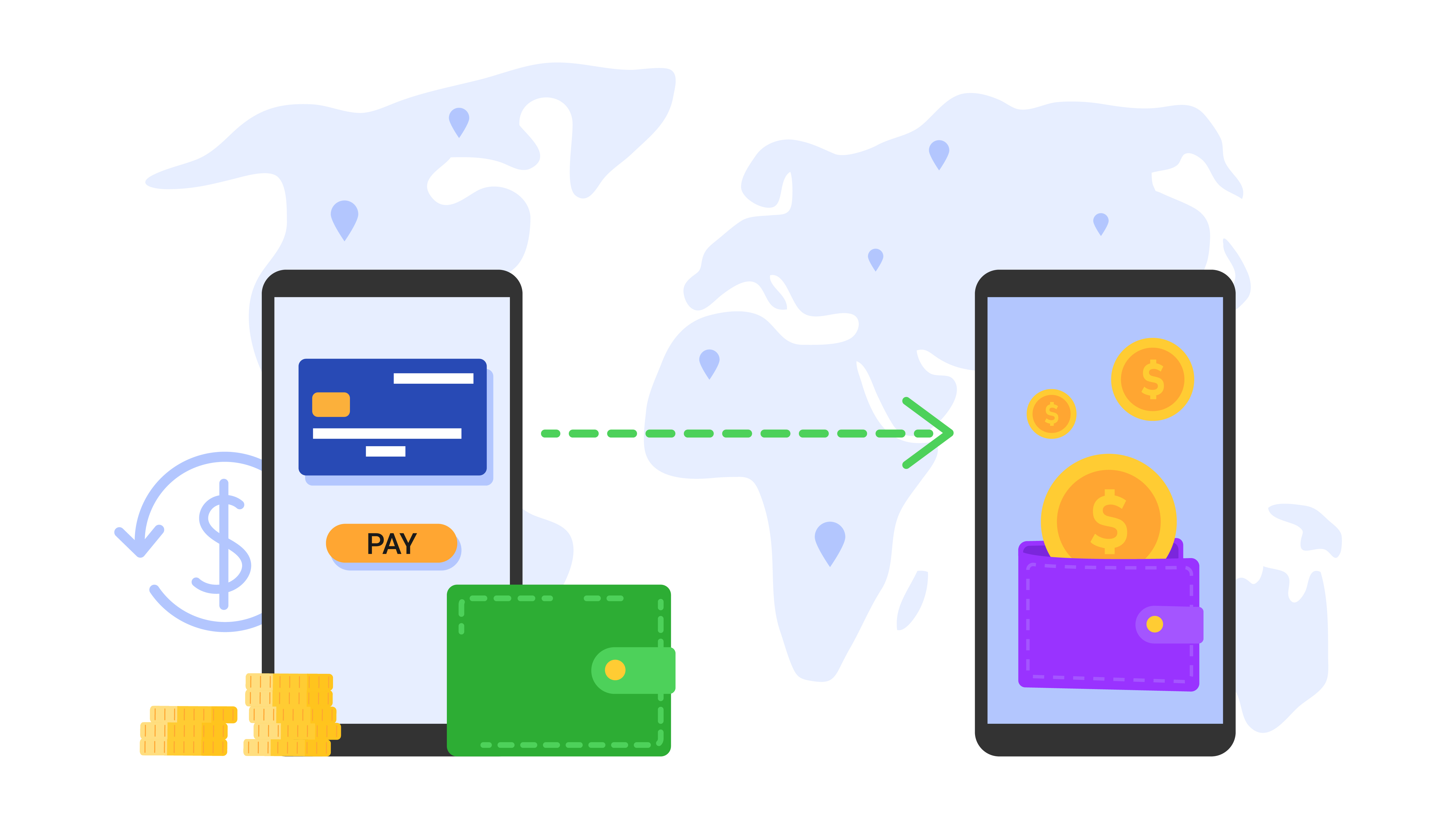
Instead of discrete monthly transfers, select a protocol that streams tokens second-by-second. This aligns compensation with actual work performed and allows contributors to withdraw earnings instantly. Sablier is a leading option for its ease of integration and support for multiple tokens, allowing you to set up recurring streams that auto-renew based on DAO governance decisions.
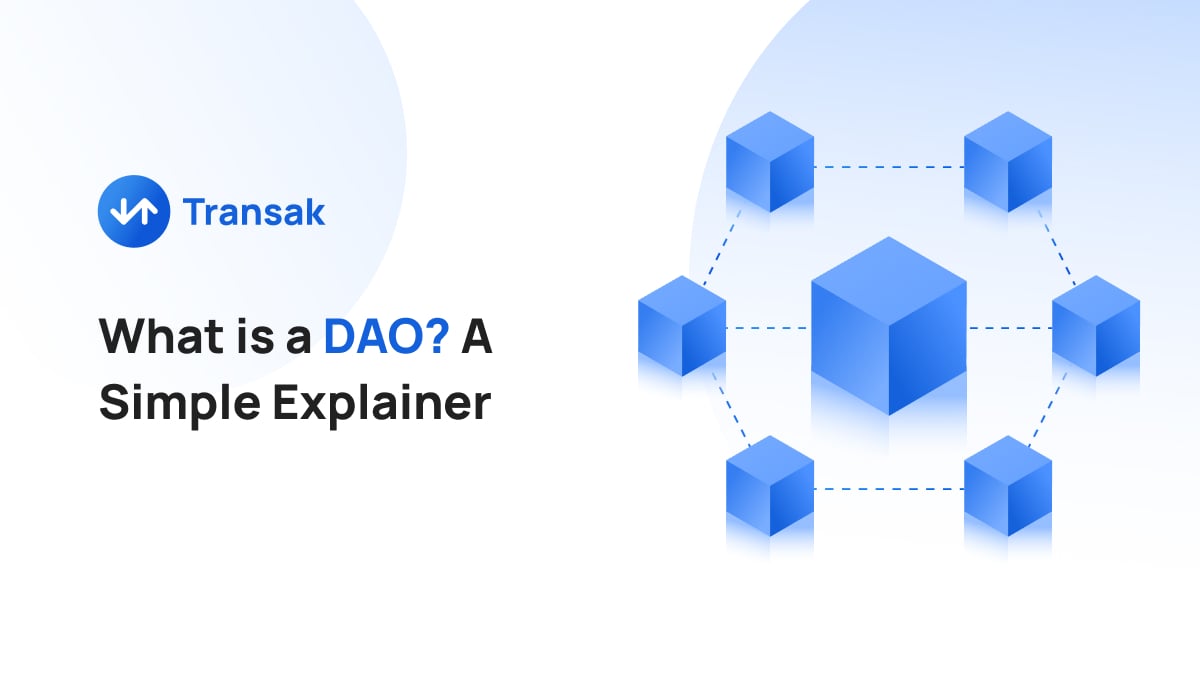
Decide whether to pay in stablecoins (USDC, DAI) for price stability or in the DAO’s native governance token for alignment. For global teams, stablecoins mitigate exchange rate volatility. You may also choose a mix, such as 50% stablecoin and 50% native token, to balance purchasing power consistency with long-term incentive alignment. Ensure the chosen tokens are supported by your treasury multisig.
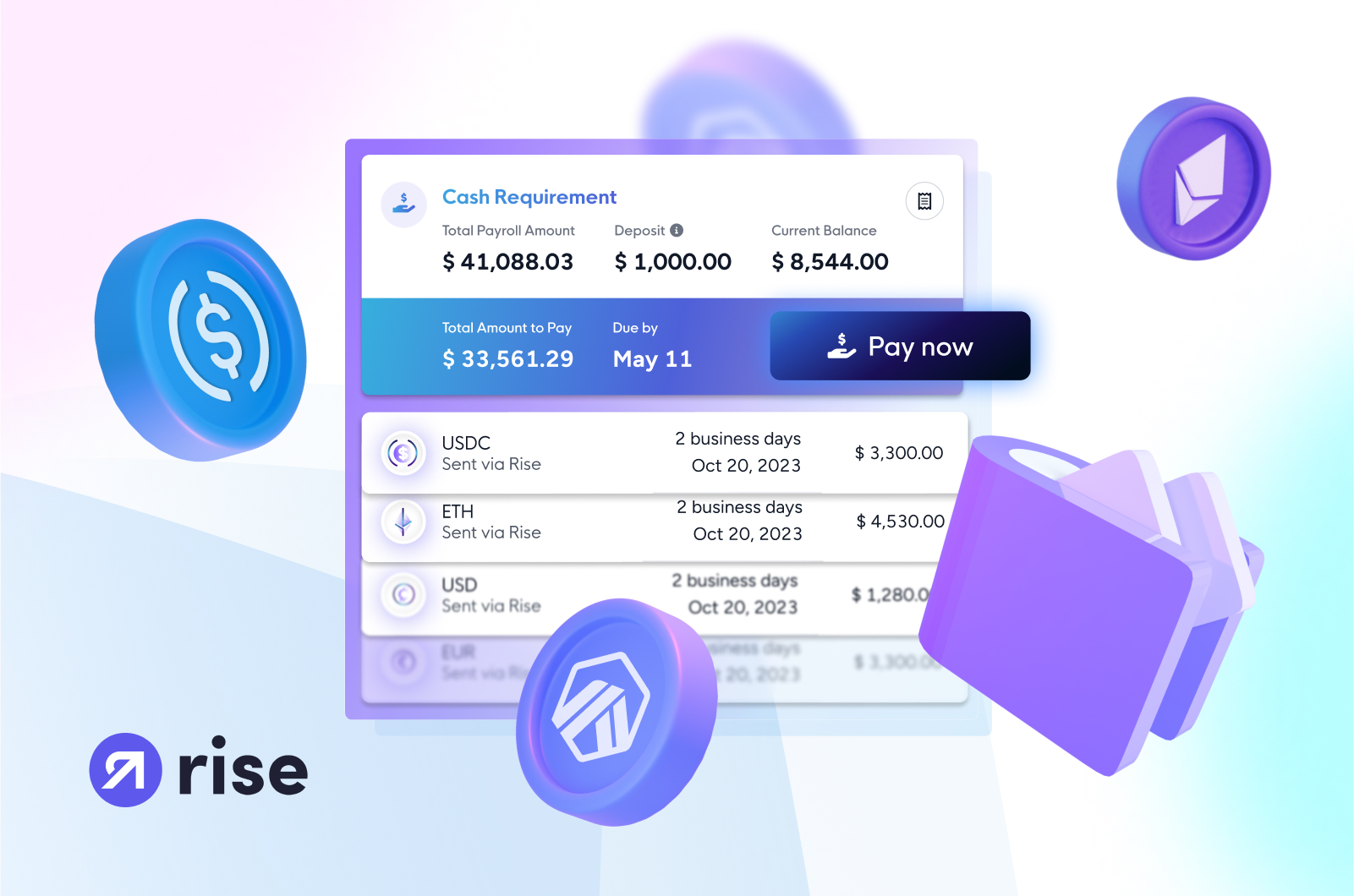
Connect your streaming protocol to your DAO’s treasury (e.g., Gnosis Safe or Aragon). This step requires setting up smart contract permissions so that the protocol can pull funds only when a valid, on-chain payroll proposal is approved. This keeps the automation secure and compliant with your DAO’s governance rules, preventing unauthorized outflows.
Store contributor addresses and payment rates in a decentralized registry or a verified on-chain spreadsheet. This data should be updated via governance proposals to ensure auditability. Avoid off-chain spreadsheets stored in private drives; instead, use on-chain storage or decentralized identity solutions to maintain transparency and reduce the risk of data manipulation.
Run a pilot payroll for a small group of core contributors using testnet or a small mainnet allocation. Verify that streams start and stop correctly, that gas fees are accounted for, and that contributors can receive funds in their wallets. This step catches integration errors before they affect the entire team.

Establish a quarterly review process to adjust payment rates and token allocations based on DAO performance and contributor feedback. Use on-chain analytics to track payment volumes and gas costs. If gas fees become prohibitive, consider batching payments or moving to a Layer 2 solution with lower transaction costs.
Watch Out for These Weak Options
Automating global payroll with DAO smart contracts sounds simple, but the execution is fraught with traps. Many guides promise one-click solutions that ignore the messy reality of cross-border compliance and token volatility. Before you deploy, check for these common mistakes.
Ignoring the Token Mismatch
Streaming protocols like Sablier are great for real-time pay, but they don’t solve the currency problem. If you pay in USDC but your contributor’s local tax system expects fiat, you’ve just created a compliance nightmare. The smart contract doesn’t care about their local tax bracket. Ensure your treasury has a clear off-ramp strategy or use stablecoins that align with the contributor’s jurisdiction to avoid unexpected FX losses.
Overlooking Tax Withholding
A smart contract can execute a payment, but it cannot file a 1099 or handle VAT. Relying solely on on-chain automation for "global" payroll is a liability. You need a hybrid layer—like ChainScore Labs or standard accounting APIs—to handle the off-chain reporting. Without this, your DAO is technically compliant but practically non-compliant in most major economies.
The "Set and Forget" Fallacy
Many tools market themselves as fully autonomous. They are not. Smart contracts require maintenance: gas fee optimization, oracle updates for exchange rates, and access control reviews. Treating payroll as a static deployment leads to failed payments or drained treasuries. Regular audits of your payment flows are non-negotiable.
Dao payroll automation: what to check next
Automating global payroll with DAO smart contracts removes friction but introduces specific technical and legal dependencies. Before committing treasury funds to on-chain execution, address these practical constraints.
Do smart contracts handle tax withholding automatically?
No. Smart contracts execute code exactly as written; they do not interpret tax law. While protocols like Sablier or Rise handle the mechanical transfer of tokens based on vesting schedules, they cannot calculate jurisdiction-specific deductions or file compliance reports. DAOs must integrate off-chain tax software or rely on manual accounting layers to handle withholding, ensuring that the on-chain distribution matches local regulatory requirements.
Can DAOs pay contributors in stablecoins to avoid volatility?
Yes, but you must choose the right token. Most automated payroll systems support USDC, USDT, or DAI, allowing contributors to receive stable value rather than volatile governance tokens. This reduces the risk that a contributor’s monthly income fluctuates wildly with market conditions. Ensure your treasury maintains sufficient stablecoin liquidity to cover payroll obligations during market downturns without needing to liquidate volatile assets.
What happens if a contract has a bug or vulnerability?
Once deployed, smart contracts are immutable. If a bug exists in the payroll logic, it cannot be patched without a multisig or governance vote, which may be slow during a crisis. Always use audited, battle-tested protocols like Sablier or Utopia rather than custom code. Verify that the protocol has undergone independent security audits and has a proven track record of handling large treasury volumes without incident.
How do you handle contributors in restricted jurisdictions?
Smart contracts cannot inherently block users based on geography. You must implement off-chain compliance checks before granting payment streams. Use KYC (Know Your Customer) providers to verify contributor identities and ensure they are not located in sanctioned regions. Without this gatekeeping, automated payments could inadvertently violate international sanctions laws, exposing the DAO to legal liability.
No comments yet. Be the first to share your thoughts!