
Get DAO payroll automation 2026 right
Before launching automated payroll, you must align your technical stack with legal reality. DAOs operate across borders, meaning a single payroll run can trigger tax filings in five different jurisdictions. If your automation doesn’t account for these fragments, you risk compliance violations and delayed payments.
Start by verifying your payroll engine’s ability to handle multi-currency settlements. Most traditional systems fail here, locking funds in stablecoins that don’t match local currency requirements. Ensure your smart contracts can automatically convert and distribute funds based on real-time exchange rates, not static snapshots. This prevents underpayment due to volatility.
Next, audit your worker classification logic. Automated systems often default to treating all recipients as contractors. In 2026, regulators are scrutinizing this distinction more closely than ever. Your automation must include a manual override or a verified status flag for employees versus contractors. Misclassification penalties in the EU and US are severe and apply to the DAO treasury, not just individual contributors.
Finally, test your "first pass" automation. Automate the calculation, but keep a human in the loop for the final review. This hybrid approach catches edge cases—like bonus structures or tax treaty adjustments—that code might miss. Pay everyone on time, but pay them correctly first.
How to set up automated global payroll rails
Automating payroll for a decentralized team requires moving beyond simple spreadsheets. You need to build a system that handles tax fragmentation and compliance across borders automatically. This guide walks you through the essential steps to establish reliable DAO payroll rails.
Before paying anyone, you must determine if each contributor is an employee or an independent contractor. Misclassification is the most common cause of payroll failure. In many jurisdictions, treating a full-time contractor as an independent worker can trigger severe tax penalties. Use official government classification tools to verify status before onboarding. This step prevents legal exposure down the road.
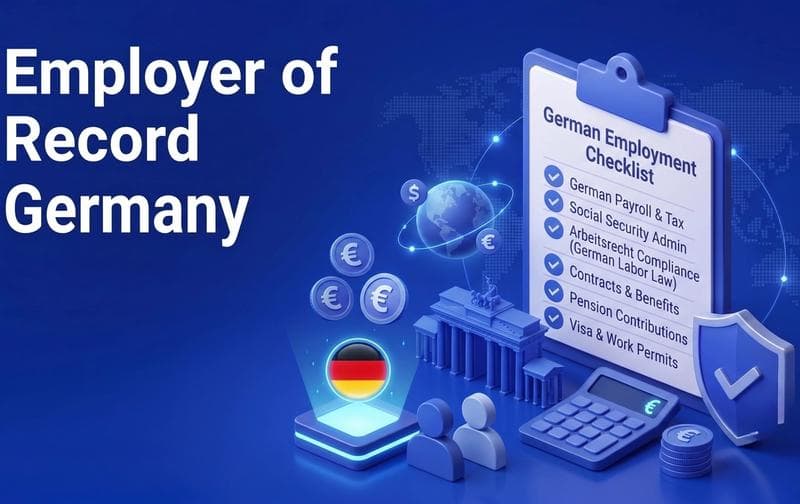
Select software that specializes in global compliance. The best payroll software for 2026 handles local tax filings automatically. Look for platforms that integrate with your DAO’s treasury. The tool should calculate withholding taxes for each country based on current laws. Avoid generic tools that require manual tax updates for every jurisdiction.
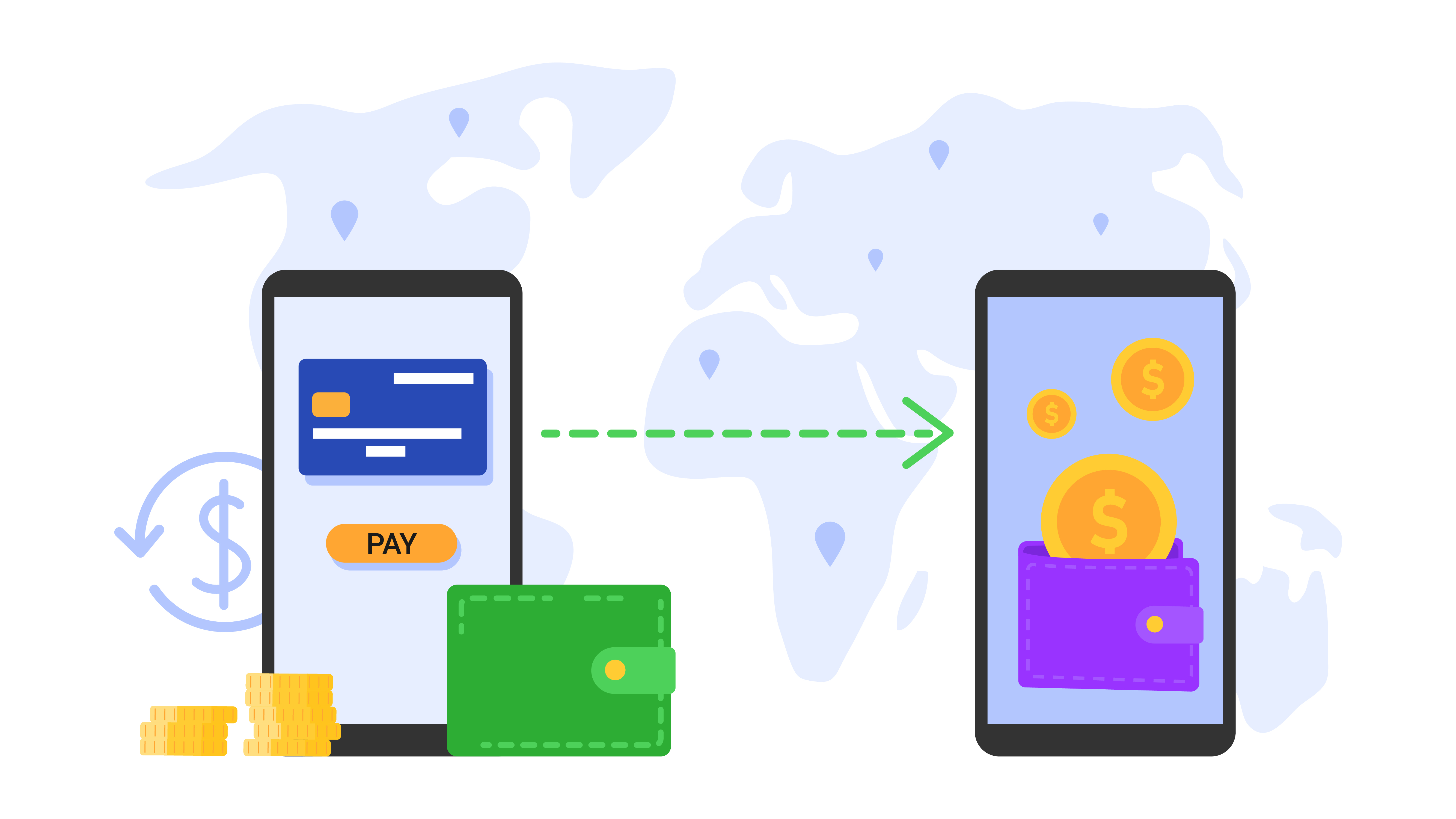
Input the specific tax codes for each contributor’s location. Automated global payroll rails must account for shifting rules. Tax rates change frequently, and your system needs to reflect these updates in real time. Set up alerts for regulatory changes in key markets. This configuration ensures that deductions are accurate from the first pay cycle.

Schedule the payroll to run automatically on your chosen cycle. The system should distribute payments to local bank accounts or crypto wallets depending on your policy. Verify that the first pass is error-free. Automated payroll reduces the risk of late payments, which is critical for maintaining trust in a decentralized team.
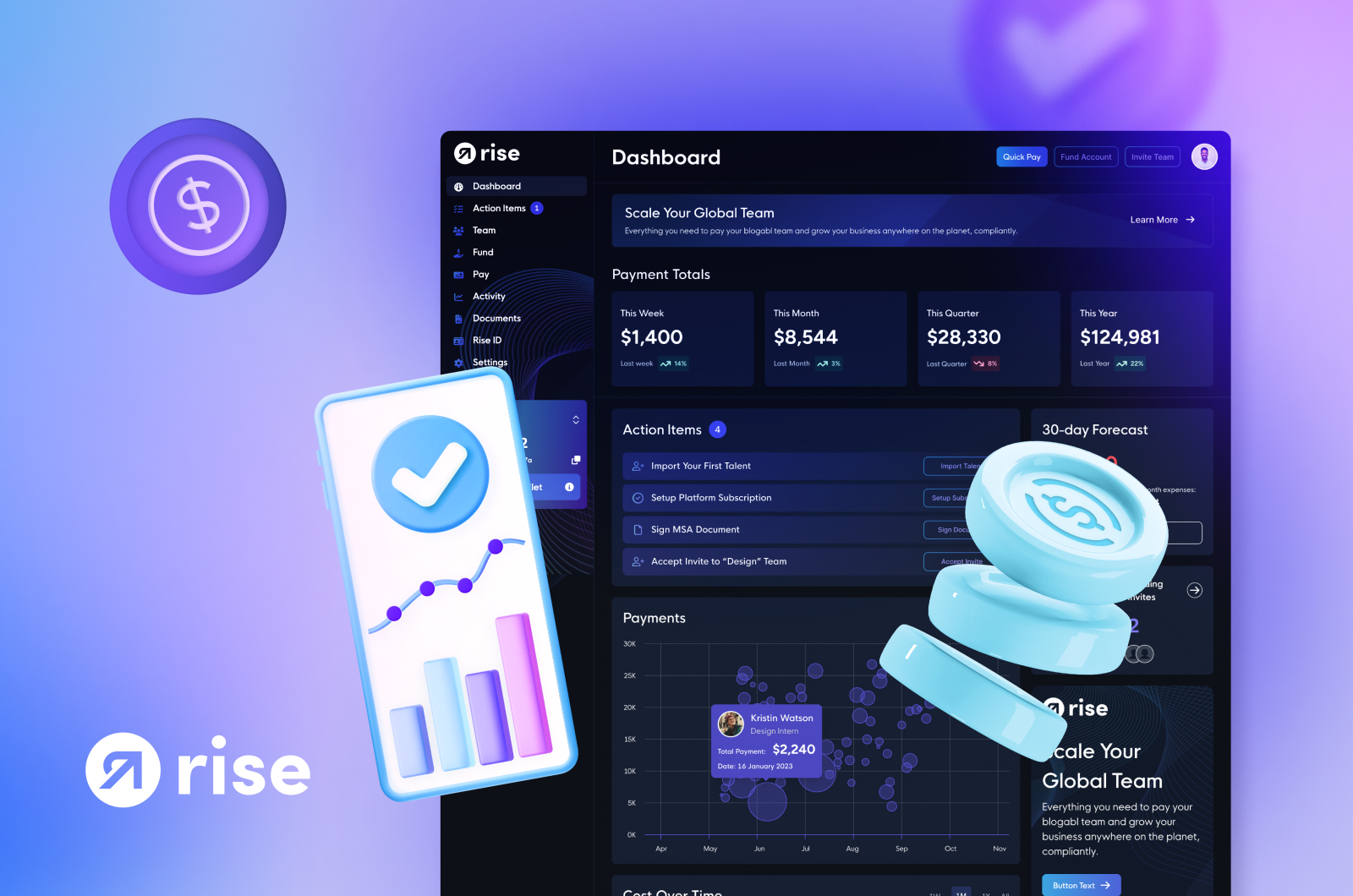
Review the payroll report after each cycle. Check for any failed transactions or compliance flags. Reconcile the DAO treasury with the payroll expenses. This step ensures that your financial records match the actual payouts. Regular audits help you catch errors before they become costly problems.
Fix common mistakes
Automated global payroll rails remove the friction of cross-border payments, but they do not replace the need for precise configuration. The most frequent errors stem from treating a decentralized ledger as a black box rather than a compliance tool. When classification or tax logic is left to default assumptions, the system propagates errors at scale.
The first mistake is misclassifying workers. DAOs often default to a single worker type for all contributors, ignoring local labor laws that distinguish between contractors and employees. If your payroll rail auto-pays everyone as independent contractors in a jurisdiction like Germany or Japan, you risk reclassification penalties. Verify the legal status of each role against the local jurisdiction before linking it to an automated payout schedule.
The second error is ignoring tax withholding requirements. A decentralized payroll system can disburse tokens instantly, but it cannot ignore statutory deductions. Many teams assume that because the transaction is on-chain, local income tax withholding is optional. This is incorrect. You must configure the payroll rail to calculate and remit withholdings for each worker’s country of residence, or the organization faces liability for uncollected taxes.
The third mistake is failing to reconcile currency fluctuations. Automated rails often execute payments in stablecoins or native assets, but local tax authorities require reporting in fiat equivalents. If your payroll software does not automatically lock in the exchange rate at the moment of payout, you may underpay taxes or overpay workers due to volatility. Ensure your system captures the exact spot rate for every transaction to maintain accurate books.
Finally, do not skip the audit trail. While the blockchain provides an immutable record, it does not always provide human-readable context for tax authorities. Ensure your payroll rail exports detailed reports that map on-chain hashes to individual worker IDs, roles, and tax codes. Without this bridge between the ledger and your accounting software, compliance reviews become manual and error-prone.
Faq: dao payroll automation 2026: what to check next
Automated global payroll and DAO payroll rails are shifting from experimental to standard for distributed teams. These answers address the practical objections and technical realities you face when moving from manual spreadsheets to automated compliance.
Helpful gear
Use these product recommendations as a starting point, then choose the size, material, and price point that fit how you actually use the gear.

As an Amazon Associate, we may earn from qualifying purchases.
No comments yet. Be the first to share your thoughts!