Why onchain payroll beats traditional rails
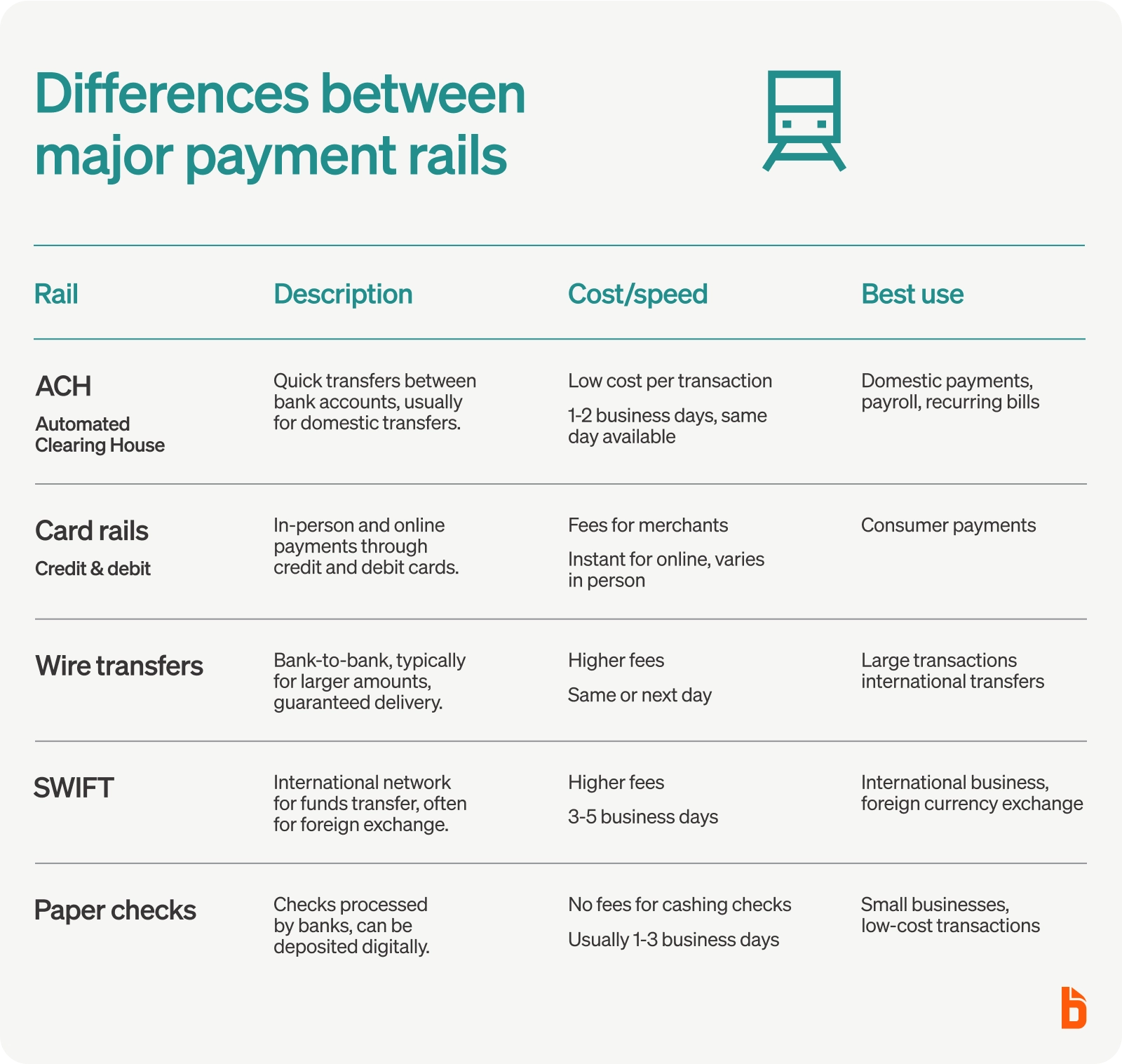
Traditional fiat payroll operates on legacy banking rails that are slow, opaque, and expensive. When a DAO pays contributors in USD or EUR, the funds must clear through intermediaries, often taking two to five business days to settle. During that window, capital is locked, exchange rates fluctuate, and administrative friction increases. Onchain payroll bypasses this bottleneck by leveraging blockchain infrastructure for instant finality.
Beyond speed, onchain rails offer programmable compliance. Smart contracts can automate tax withholding, vesting schedules, and payment conditions without manual intervention. As noted by industry experts, introducing smart contracts to payroll functions strips out the administrative overhead and reduces the room for human error. This automation ensures that payments are executed exactly as coded, providing a transparent and immutable record of every transaction.
The cost structure also favors onchain methods for global teams. Fiat wire transfers often involve fixed fees that erode smaller payments, while foreign exchange spreads add hidden costs. Onchain payroll, particularly when using stablecoins or native tokens, allows for micro-payments with minimal friction. This efficiency is critical for DAOs that distribute rewards to hundreds of contributors across different jurisdictions.
For organizations managing treasury assets, onchain payroll integrates directly with the treasury. There is no need to convert large sums into fiat, hold them in a bank account, and then disburse them. Funds move directly from the treasury to the contributor, maintaining the integrity of the asset and reducing counterparty risk. This direct flow is the foundational advantage that makes onchain payroll a superior choice for modern decentralized organizations.
Streaming flows versus batch payouts
DAO payroll rails generally fall into two buckets: continuous streaming or discrete batched payouts. The choice depends on how your contributors work and how your treasury manages cash flow.
Streaming protocols like Sablier treat tokens as a continuous flow rather than a lump sum. Contributors earn funds second-by-second based on the exact time worked. This model aligns payment with actual labor, reducing the risk of overpayment if a contributor leaves early. It also simplifies tax reporting for hourly workers, as the on-chain history matches the work period precisely. However, streaming requires a locked-up balance in the protocol, which can impact treasury liquidity.
Batched payouts, used by tools like Aragon and Paymagic, operate on a schedule. The DAO approves a total amount, and the smart contract distributes funds at set intervals (weekly, monthly). This approach is familiar to traditional employers and often results in lower gas costs per recipient because multiple addresses can be processed in a single transaction. It is better suited for salaried roles or fixed-term grants where the output is measured in deliverables rather than hours.
Comparison of payout models
| Feature | Streaming (Sablier) | Batched (Aragon/Paymagic) |
|---|---|---|
| Flexibility | High; adjustable in real-time | Low; fixed amounts per period |
| Tax Reporting | Precise per-second data | Lump-sum per period |
| Gas Efficiency | Lower (continuous on-chain presence) | Higher (single tx per batch) |
| Best For | Hourly contractors, freelancers | Salaried teams, grants |
When to choose which
Choose streaming if your team is project-based or hourly. The ability to stop the flow instantly if a contributor is terminated or if the project scope changes provides significant financial control. It also allows for "pre-staking" future earnings, which can be useful for retention.
Choose batched payouts if you have a stable, salaried workforce. The simplicity of a monthly transfer reduces administrative overhead. Contributors know exactly when and how much they will receive, which aids in personal financial planning. For DAOs with limited treasury liquidity, batching also allows you to preserve capital until the payout date.
Stablecoin rails for global settlement
Stablecoins like USDC and DAI act as the settlement layer for DAO payroll, moving value across borders without traditional banking friction. By using these assets, organizations bypass the delays and fees associated with SWIFT transfers, allowing contractors in over 20 countries to receive payments in hours rather than days. This approach is particularly valuable for global teams where banking restrictions or high FX conversion costs often delay compensation.
The reliability of this method depends on the stability of the underlying asset. USDC, issued by Circle, maintains a 1:1 peg with the US dollar, providing a predictable unit of account for payroll. This stability ensures that contributors receive the exact value agreed upon in their contracts, regardless of local currency volatility.
Payment infrastructure providers like TransFi facilitate this process by bridging traditional fiat on-ramps with on-chain settlement. They handle the compliance and liquidity layers, allowing DAOs to pay out in stablecoins while managing the regulatory complexities of cross-border transactions. This setup reduces overhead and simplifies treasury management for multi-chain organizations.
The stability of USDC is critical for predictable payroll accounting. Unlike volatile assets, stablecoins provide a consistent value baseline for both the DAO treasury and the contributor.
Tax compliance and worker classification risks
Automating payments does not exempt a DAO from local tax obligations. The IRS has made its position clear: without a formal legal wrapper, a DAO is typically treated as a pass-through entity. This means the organization’s income flows directly to members, who are then subject to taxation at ordinary rates on their share. The complexity deepens when payments are distributed via smart contracts, as the automated nature of these transactions can obscure the human judgment required for proper classification.
The most significant regulatory hurdle is distinguishing between independent contractors and employees. Under U.S. law, the IRS applies the "common law" test, focusing on behavioral control, financial control, and the relationship of the parties. If a DAO’s smart contracts dictate specific hours, provide tools, or exert significant control over how work is done, those payments may be reclassified as wages. This shift triggers withholding requirements for income and payroll taxes, penalties for failure to file, and potential back-pay liabilities that can drain a treasury overnight.
Reporting obligations are equally stringent. The IRS is expanding its reach into digital asset transactions, particularly through Form 1099-K. While current thresholds for 1099-K reporting are high, the regulatory trajectory points toward stricter enforcement for decentralized entities. DAOs must maintain meticulous records of every payout to prove contractor status and justify the absence of withholding. Failure to do so invites audits that are both costly and difficult to defend without traditional HR documentation.
To mitigate these risks, many DAOs are adopting hybrid structures. This involves using smart contracts for execution while maintaining off-chain legal agreements that clearly define the independent contractor relationship. By separating the technical execution of payments from the legal classification of workers, DAOs can preserve the efficiency of automation while staying compliant with existing tax frameworks. Ignoring this distinction is not a technical oversight; it is a legal exposure that no amount of code can erase.
Choosing the right tool for your DAO structure
Selecting a payroll rail requires matching your team’s size, chain preference, and compliance needs. There is no single solution; the right tool depends on whether you prioritize speed, legal safety, or treasury control.
Step 1: Assess your team size and payment frequency
Small teams paying monthly can use simple dApps like AragonDAO, which handle basic employee management and automated payouts. For larger groups or real-time streaming payments, platforms like Sablier offer native multi-chain support without requiring a CFO-level setup.
Small teams paying monthly can use simple dApps like AragonDAO, which handle basic employee management and automated payouts. For larger groups or real-time streaming payments, platforms like Sablier offer native multi-chain support without requiring a CFO-level setup.
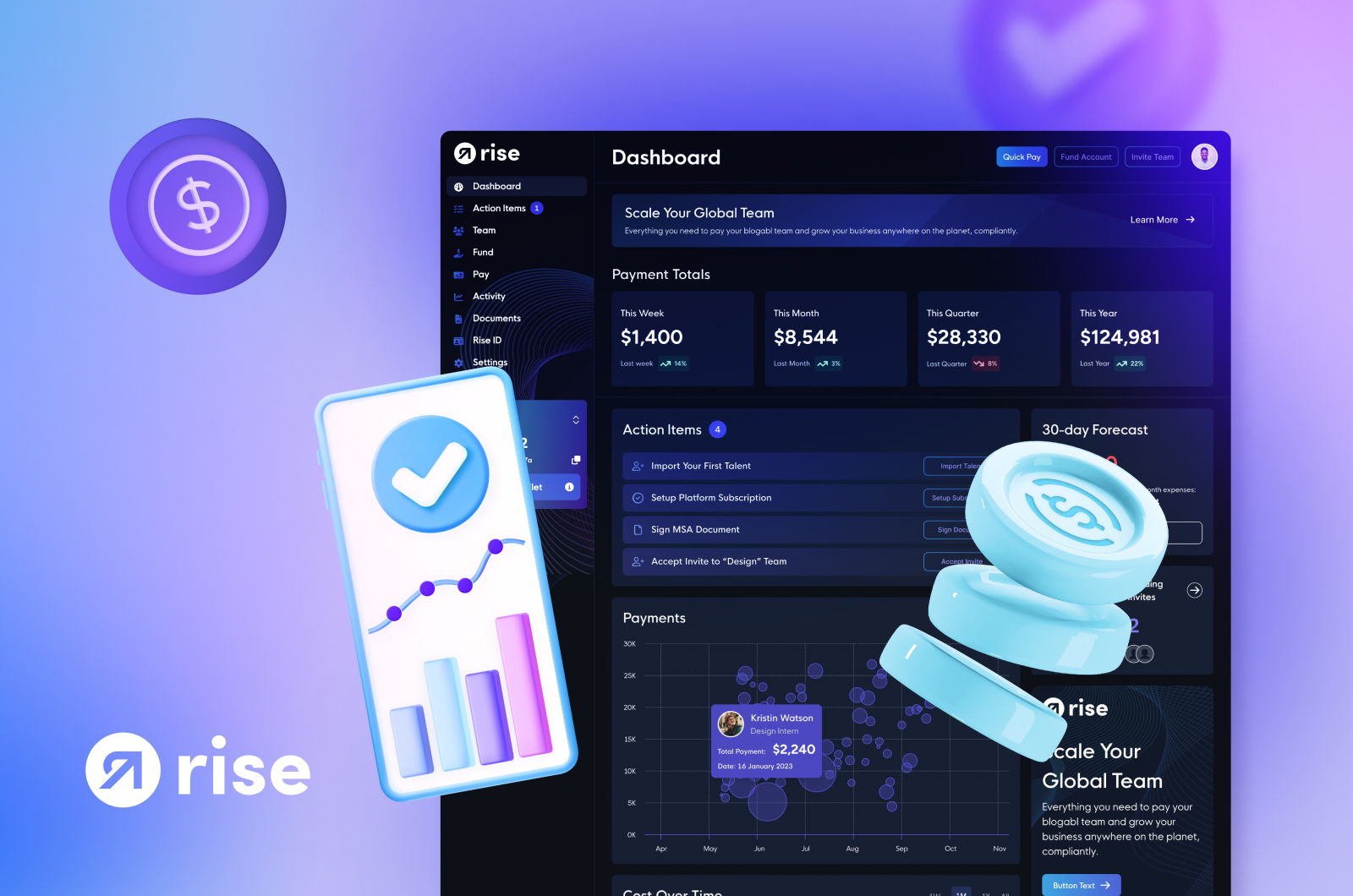
Ensure the payroll rail supports your DAO’s primary treasury chain. Wag3s provides audit-ready reports across 30+ chains, while others may be limited to Ethereum or Solana. Cross-chain compatibility reduces bridging friction and gas costs.
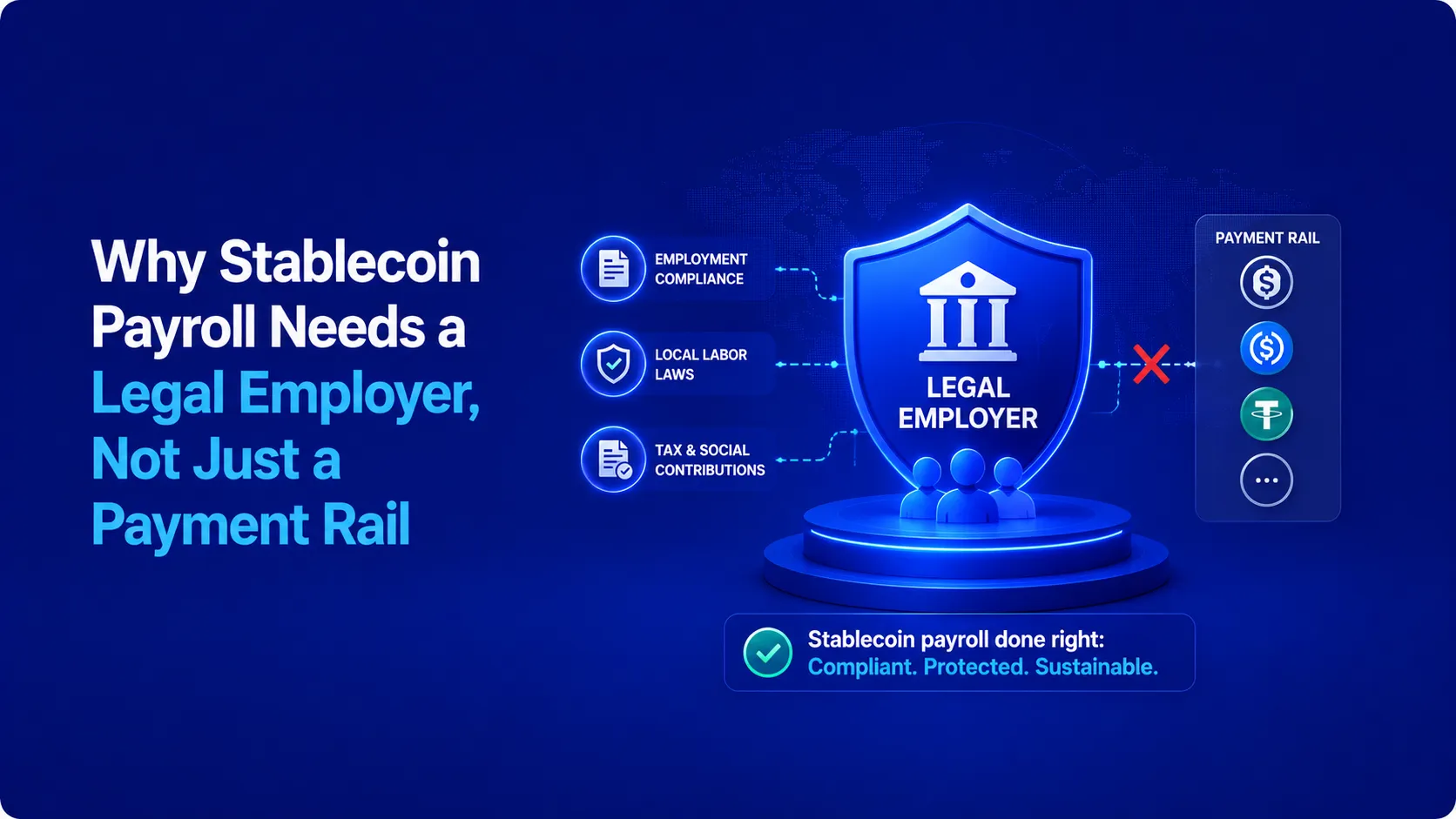
DAOs without legal wrappers face pass-through taxation risks. Choose tools that facilitate clear worker classification and generate reports that align with IRS guidelines or local regulations. Stablecoin payments can streamline cross-border compliance but require careful tracking.
Step 2: Compare features and costs
Use a comparison table to weigh features like multi-sig support, tax reporting, and gas fee absorption. Some tools charge a percentage of payroll, while others offer flat fees. Consider the total cost of ownership, including gas and potential tax liabilities.
| Tool | Best For | Chains | Compliance |
|---|---|---|---|
| AragonDAO | Small | Ethereum | Basic |
| Sablier | Any | Multi | Streaming |
| Wag3s | Large | 30+ | Audit-ready |
Step 3: Verify wallet addresses and approve transactions
Before finalizing your choice, verify all wallet addresses and confirm tax forms are in place. Use a multisig to approve transactions, ensuring no single point of failure. This step is critical for security and legal protection.
-
Verify wallet addresses
-
Confirm tax forms
-
Approve multisig transaction
Step 4: Monitor and adjust
Payroll needs evolve. Monitor your chosen rail for efficiency, cost, and compliance. Adjust your strategy as your team grows or regulations change. Regular audits ensure your payroll system remains robust and transparent.
Common questions about DAO payroll
What are DAO tools?
DAO tools are the software stack that lets decentralized groups coordinate, vote, and manage shared resources on-chain. For payroll, these utilities handle the heavy lifting: tracking proposal approvals, managing treasury balances, and executing token transfers to contributors. They replace the traditional HR inbox with transparent, automated workflows that enforce rules without a central administrator.
Do DAOs have to pay taxes?
Yes. The IRS generally treats a DAO without a formal legal wrapper as a pass-through entity, meaning the organization itself doesn’t pay corporate tax, but income flows to members. Contributors are subject to taxation on their share of the organization's income at ordinary rates. This makes accurate payroll tracking and worker classification critical for avoiding tax drama later.
What is the difference between a DAO and a traditional company for payroll?
Traditional payroll relies on centralized banks, payroll providers, and manual compliance checks. DAO payroll runs on smart contracts and stablecoins, enabling instant, borderless payments. While this removes banking delays, it shifts the compliance burden to the community. Members must self-report income, and the DAO must ensure its payment flows don’t accidentally trigger securities or labor law violations.
Can I pay DAO members in cryptocurrency?
You can, but it introduces volatility and complexity. Paying in stablecoins (like USDC) reduces exchange rate risk for both the DAO and the contributor. However, crypto payments are still taxable events in most jurisdictions. The DAO should treat these as cash-equivalent transactions and issue clear records to help members file their returns accurately.
How do I track DAO payroll expenses?
Use on-chain analytics and treasury management dashboards to record every payout. Tools like Tally or Snapshot can link payments to specific governance proposals, creating an immutable audit trail. This transparency is vital for tax compliance and for proving to contributors that their work was officially approved by the community before payment was released.
No comments yet. Be the first to share your thoughts!