Dao payroll compliance 2026 limits to account for
Start with the reader's actual constraint, then separate must-have requirements from details that are merely nice to have. A practical choice should survive normal use, maintenance, timing, and budget. If a recommendation only works in an ideal situation, call that out plainly and give the reader a fallback path.
The simplest way to use this section is to write down the must-have criteria first, then compare each option against those criteria before weighing nice-to-have features.
Dao payroll compliance 2026 choices that change the plan
Running payroll for a decentralized team in 2026 requires balancing automation with strict regulatory adherence. DAOs must evaluate how their smart contract infrastructure aligns with evolving global remote work laws, particularly regarding tax withholding and data privacy. The following comparison highlights the critical tradeoffs between different compliance approaches.
| Factor | Manual/Traditional | Automated/DAO | Compliance Risk |
|---|---|---|---|
| Tax Withholding | High friction; prone to human error in multi-jurisdictional calculations | Real-time calculation via smart contracts based on geolocation | Automated reduces error but requires constant contract updates |
| Data Privacy | Centralized databases vulnerable to large-scale breaches | Zero-knowledge proofs or encrypted off-chain storage | Automated is stronger but complex to audit for regulators |
| Reporting | Quarterly W-2s and 1099s filed manually by HR | On-chain audit trails with automated IRS e-filing integration | Automated ensures consistency but lacks flexibility for edge cases |
| Cost | High administrative overhead per employee | Low marginal cost; high initial development and legal setup | Manual is expensive at scale; automated has high upfront liability |
The choice between manual and automated payroll often hinges on the DAO's size and jurisdiction. For small teams, the cost of building compliant smart contracts may outweigh the benefits. However, as remote work regulations tighten in 2026, especially in the EU and California, automation becomes less of a luxury and more of a necessity to avoid penalties.
When evaluating these tradeoffs, consider the specific tax limits for 2026. For instance, the Social Security taxable maximum is $184,500. Automated systems can handle this cap seamlessly, while manual processes often require constant monitoring. Additionally, ensure your payroll practitioner understands the new pay transparency laws that many states are implementing.
Mapping the 2026 compliance shift
The 2026 compliance shift is not a single regulatory event but a convergence of new tax thresholds, stricter reporting, and evolving remote work laws. For DAOs managing global remote teams, payroll rails must adapt to ensure tokens and fiat meet these requirements without halting operations. This framework breaks down the essential checks into three actionable steps.

Start by updating your payroll systems to reflect the 2026 Social Security taxable maximum of $184,500. This contribution and benefit base means employees earning above this threshold will stop paying OASDI taxes, but FICA reporting must remain accurate. For DAOs paying in stablecoins or tokens, ensure your payroll rail converts and reports the fiat equivalent at the time of payout to avoid under-reporting income.

Remote work regulations now tie payroll obligations to where the worker lives, not just where the DAO is registered. Check the "nexus" rules in every jurisdiction your contributors reside. If a contributor lives in a state or country with income withholding requirements, your payroll rail must automatically route the correct percentage to local tax authorities. Failure to map these locations creates immediate compliance gaps.
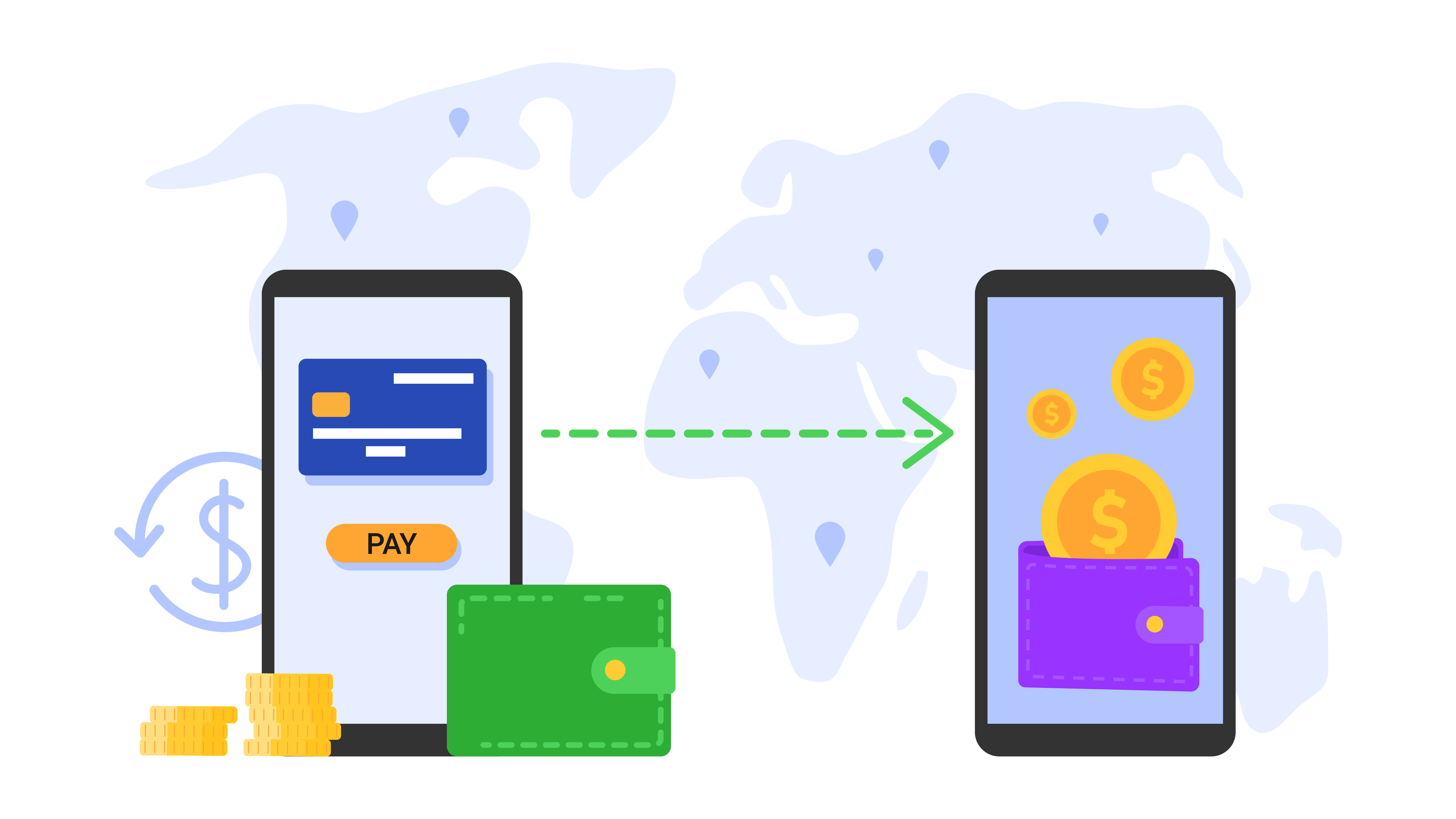
Manual payroll processes are the primary cause of 2026 penalties. Your payroll infrastructure must handle monthly tax deposits, quarterly filings, and annual W-2s automatically. Use a compliant payroll provider or smart contract-based payroll rail that integrates with official IRS e-filing rules. This automation ensures that even as your contributor base grows globally, your tax deposits remain timely and accurate.
By focusing on these three areas, you can handle the 2026 compliance shift without disrupting your DAO's operations. The goal is to build a payroll system that is transparent, automated, and adaptable to global regulatory changes.
Spotting Misleading Claims in 2026 Compliance
DAO payroll rails promise borderless efficiency, but new global regulations expose significant gaps in automated compliance. Many vendors market "fully compliant" systems that fail to address jurisdiction-specific withholding requirements or recent tax base adjustments. Understanding these pitfalls prevents costly penalties and operational freezes.
The $184,500 OASDI Blind Spot
Several automated payroll tools still rely on outdated Social Security taxable maximums. For 2026, the contribution and benefit base rises to $184,500. Systems that do not automatically adjust this cap will under-withhold OASDI taxes from high-earning remote workers, creating immediate liability for the DAO and its contributors.
Ignoring Pay Transparency Laws
The One Big Beautiful Bill Act (OBBBA) and state-level pay transparency mandates require explicit wage range disclosures. Many DAO governance tokens or token-based compensation models obscure base salary figures. If your payroll rail does not enforce clear, localized wage transparency in job postings and contracts, you risk regulatory fines that outweigh any cross-border efficiency gains.
Misclassifying Global Contributors
Automated systems often default to standard W-2 or contractor classifications. However, global remote work regulations increasingly scrutinize worker status. Treating a de facto employee as an independent contractor to simplify tax withholding violates employment standards in the EU, UK, and many US states. Always verify local employment classifications before routing payments through automated rails.
Faq: dao payroll compliance 2026: what to check next
What is the payroll limit for 2026?
For U.S. payroll compliance, the Social Security taxable maximum (contribution and benefit base) is $184,500. Earnings above this threshold are exempt from the 6.2% OASDI tax, though Medicare tax continues without limit. DAOs paying U.S.-based contributors must track this cap to avoid over-withholding or incorrect employer matches.
How to run payroll for yourself in 2026?
Solo DAO operators must first obtain an Employer Identification Number (EIN) and a state or local business ID. Next, classify your role correctly—typically as a contractor or employee depending on jurisdiction—and set up a dedicated payroll bank account. You must then choose pay periods, collect necessary tax forms, and establish a system for monthly tax deposits and quarterly filings to remain compliant.
What do payroll practitioners need to be compliant with?
Compliance requires adherence to a shifting landscape of federal, state, and international regulations. This includes managing tax laws, employment standards, and government reporting for wages and benefits. Crucially, new 2026 rules tighten payroll privacy standards, requiring stricter controls on how data is collected, stored, and shared across borders.
How do DAOs handle cross-border tax filings?
DAOs must address the specific payroll and employment tax rules of each country where a contributor resides. With over 30 countries updating their mandatory benefits or minimum wage laws between 2025 and 2026, a "one-size-fits-all" approach fails. Use a compliant payroll rail that automatically applies local withholding rates and generates country-specific tax documents.
What happens if a DAO misses a tax deposit?
Missing monthly tax deposits or quarterly filings triggers steep penalties and interest accruals immediately. In 2026, automated reporting tools are less forgiving of manual errors. DAOs should implement automated payment schedules and reconcile payroll data weekly to ensure funds are available before the IRS or state agencies demand them.
No comments yet. Be the first to share your thoughts!