Choose the right payroll infrastructure
Setting Up DAO Payroll Rails works best as a sequence, not a scramble through settings. Do the minimum first: confirm compatibility, connect the core hardware, update only when needed, and test the result before adding optional features. That order keeps the task understandable and makes failures easier to isolate. After each step, pause long enough for the interface to finish syncing. Many setup problems are timing problems disguised as configuration problems. If the same step fails twice, record the exact error, restart the smallest affected piece, and retry before moving deeper.
| Factor | What to check | Why it matters |
|---|---|---|
| Fit | Match the option to the primary use case. | A good deal still fails if it does not fit the job. |
| Condition | Verify age, wear, and service history. | Hidden condition issues erase upfront savings. |
| Cost | Compare purchase price with likely upkeep. | The cheapest option is not always the lowest-cost option. |
Connect treasury wallets to payroll APIs
Linking your multi-sig treasury to a payroll API transforms static wallet balances into automated, compliant disbursements. This integration ensures that DAO payroll rails operate with audit-ready transparency while reducing manual intervention.
1. Select a compatible payroll provider
Choose a platform that supports your primary treasury chain and preferred stablecoin. Look for providers offering multi-sig reconciliation and cross-chain distribution. Tools like WAG3s provide Finance OS capabilities tailored for DAOs, handling contributor payroll across 30+ chains. For global teams, providers such as RiseWorks manage distribution across 90+ local currencies and 100+ crypto assets, funding payroll once in USDC. 1 2
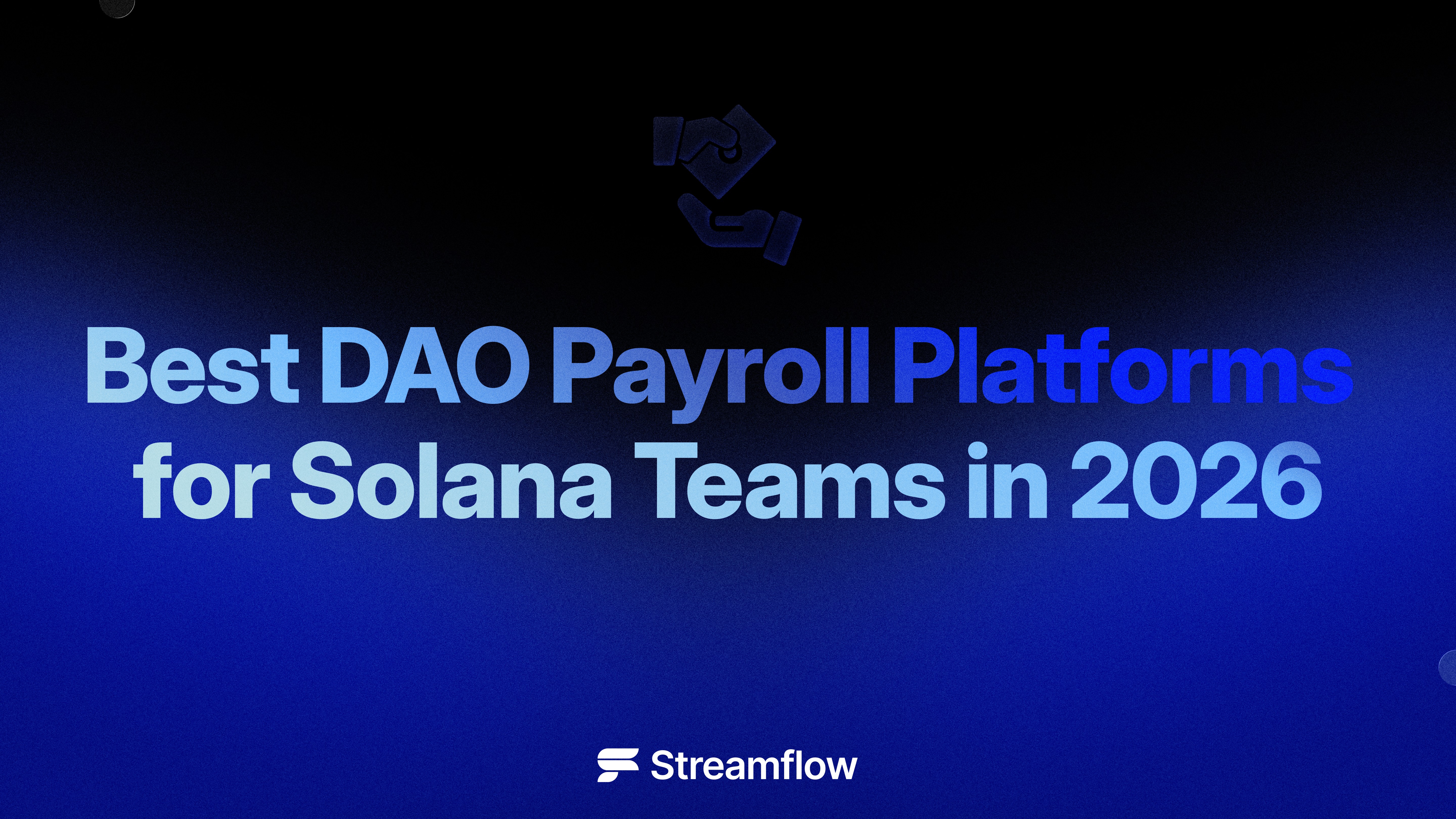
Navigate to your chosen payroll provider’s developer dashboard. Generate a new API key pair, ensuring you restrict permissions to "payroll-only" or "read-write" for specific treasury addresses. Never store private keys in the API configuration; rely on the provider’s secure vault or hardware wallet integration for signing authority.
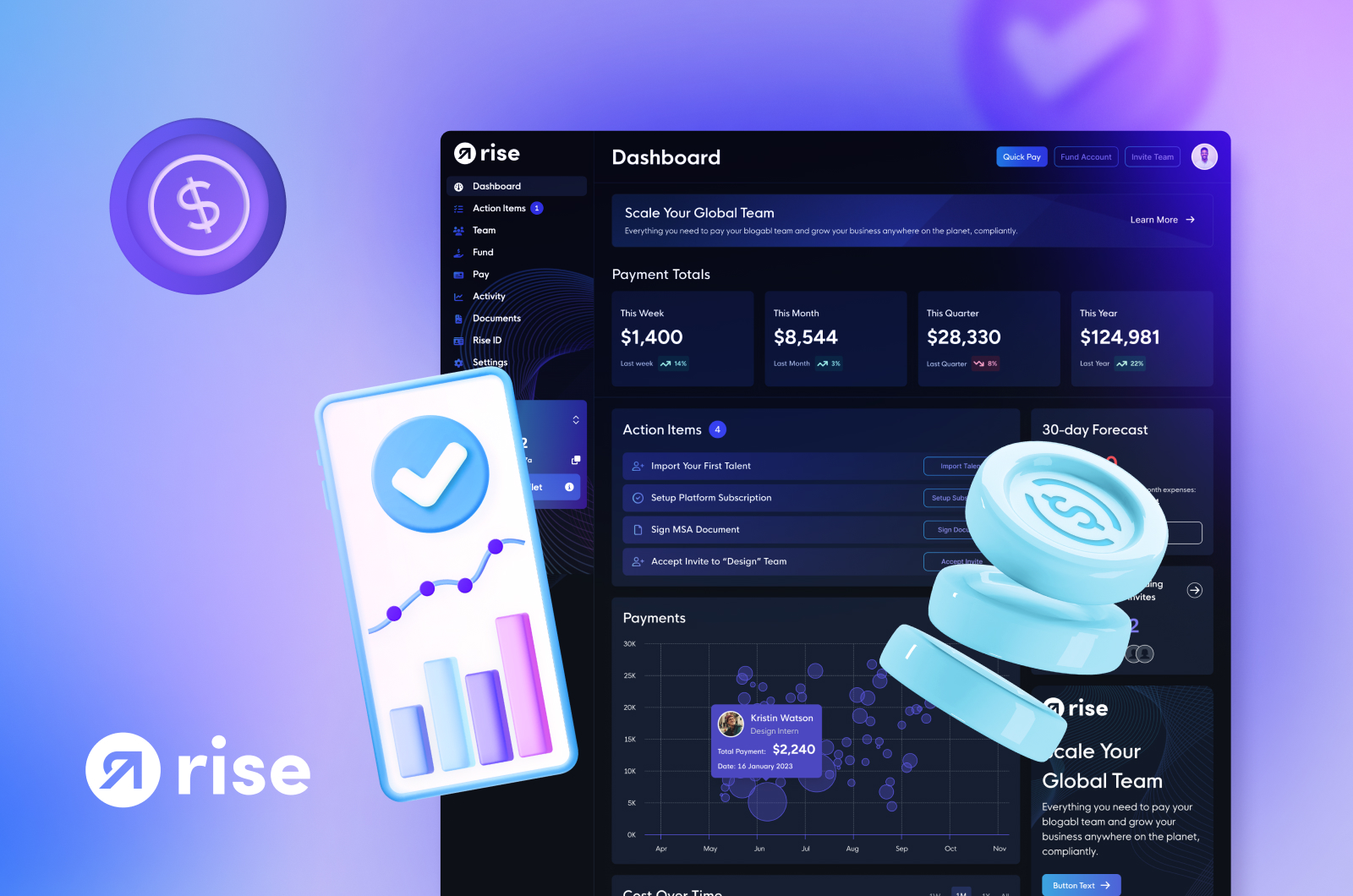
Configure the disbursement logic within the provider’s interface. Set up recurring schedules (e.g., monthly) or event-triggered payouts. Define the currency conversion rules if your treasury holds one asset but pays in another. Map contributor wallet addresses to their respective roles to automate tax form generation where required.
Before connecting your live treasury, run a test transaction. Use a small amount of funds to execute a test payroll cycle. Verify that the multi-sig wallet correctly signs the transaction and that the provider receives the confirmation. Check that the funds reach the test recipients and that the provider logs the transaction hash for audit purposes.
Once the test cycle succeeds, switch the provider configuration to "Live" mode. Connect your primary multi-sig treasury address. Enable the automated disbursement feature. Monitor the first live payroll run closely to ensure all signatures are processed correctly and funds are distributed as expected.
2. Verify reconciliation and audit trails
After integration, ensure your treasury software mirrors the payroll provider’s data. Regularly reconcile the on-chain transaction hashes with the provider’s internal ledger. This step is critical for maintaining accurate financial records and preparing for quarterly audits. Most modern providers offer exportable CSV reports or direct integrations with accounting software like QuickBooks or Xero for traditional entities.
Configure automated payout schedules
Setting Up DAO Payroll Rails works best as a sequence, not a scramble through settings. Do the minimum first: confirm compatibility, connect the core hardware, update only when needed, and test the result before adding optional features. That order keeps the task understandable and makes failures easier to isolate. After each step, pause long enough for the interface to finish syncing. Many setup problems are timing problems disguised as configuration problems. If the same step fails twice, record the exact error, restart the smallest affected piece, and retry before moving deeper.
Verify tax compliance for each jurisdiction
Setting up DAO payroll rails is only half the battle. The other half is ensuring those payouts don’t trigger tax liens, frozen assets, or regulatory penalties in the contractor’s country. Because digital assets and stablecoin transfers often blur the line between traditional employment and independent contracting, the legal landscape remains fragmented and highly specific to local labor laws.
The core risk is misclassification. In many jurisdictions, paying a contractor via crypto or stablecoins does not exempt the DAO from local withholding obligations. For example, the United States treats crypto payments as property, requiring Form 1099-NEC reporting, while countries like Germany or Portugal may have specific tax treatments for digital asset income that differ significantly from traditional fiat wages. Failing to account for these distinctions can result in the DAO being retroactively classified as the employer, triggering back-taxes and social security contributions.
To mitigate this, you must map every contractor’s tax residency against the local reporting requirements. This involves verifying if the country requires withholding on foreign-source income, whether there are double-taxation treaties that apply, and if specific platforms are mandated for reporting crypto transactions. Relying on general advice is dangerous; you need jurisdiction-specific validation for each payout node in your network.
Warning: DAOs are not exempt from local labor laws. Consult legal counsel for high-stakes payouts to ensure your payroll rails comply with regional tax codes.
Start by identifying the top five countries where your contributors reside. Check their local tax authority guidelines for "digital asset payroll" or "remote contractor reporting." If official guidance is silent, assume the strictest interpretation: treat the payment as taxable income subject to local withholding unless a treaty explicitly states otherwise. This conservative approach protects the DAO from unexpected audits and ensures your payroll infrastructure remains compliant as regulations evolve.
Audit payroll transactions for accuracy
Reconciling DAO payroll rails requires matching on-chain settlement data against your treasury balances. Without this step, you risk paying contributors twice or losing funds to failed transactions that never reached the recipient's wallet.
Start by exporting the payroll log from your multisig platform or DAO accounting software. Compare the transaction hashes against the treasury's on-chain history. Look for discrepancies in gas fees, failed executions, or payments sent to the wrong address. If your platform supports multi-sig reconciliation, use its built-in audit trail to verify that all signatures match the approved payout list.
Next, verify the final state of the treasury. Subtract the total payroll amount (including gas) from the previous balance. The result should match the current balance minus any other outgoing transactions. If the numbers do not align, investigate the missing funds immediately. Do not proceed to the next payroll cycle until the discrepancy is resolved.
No comments yet. Be the first to share your thoughts!