What Are DAO Payroll Rails?
DAO payroll rails are the specific networks and protocols that move funds from a treasury to contributors. Think of them as the digital plumbing of decentralized work. Just as traditional companies rely on SWIFT for international transfers or ACH for domestic wages, DAOs need reliable infrastructure to pay global talent. In 2026, this infrastructure is shifting from manual, multi-signature wallet transfers to automated, compliance-ready systems.
Traditional payment rails like Zelle, RTP, or SEPA require bank accounts and identity verification. They are familiar but slow across borders. Blockchain payment rails, by contrast, operate on peer-to-peer networks. Stablecoins like USDC or USDT act as the asset layer, moving value instantly without intermediaries. For a DAO, this means paying a developer in Brazil, a designer in Berlin, and a writer in Tokyo in the same transaction batch.
The core challenge isn't just speed; it's compliance. Automated payroll rails for DAOs must handle tax withholding, KYC (Know Your Customer) checks, and regulatory reporting. New platforms are bridging this gap by offering APIs that sit on top of blockchain networks, providing the legal wrapper needed for global teams. This allows DAOs to pay in stablecoins while maintaining the audit trails required by financial authorities.
Choosing the right rail depends on your team's structure. If your contributors are already crypto-native, direct on-chain payments offer the lowest fees and highest speed. If your team includes traditional contractors who need fiat deposits, you need a hybrid rail that converts stablecoins to local currency automatically. The tradeoff is clear: pure blockchain rails offer speed but require crypto literacy, while hybrid rails add complexity but broaden your talent pool.
| Feature | Blockchain (Stablecoins) | Hybrid Rails |
|---|---|---|
| Speed | Seconds | Minutes to Hours |
| Cost | Low gas fees | FX + Platform fees |
| Compliance | Self-custody/Manual | Built-in KYC/Reporting |
| Talent Pool | Crypto-natives only | Global (Fiat-ready) |
Dao payroll rails choices that change the plan
Choosing a payroll rail for a DAO means balancing speed, cost, and regulatory friction. There is no single best option; the right choice depends on whether your team prioritizes instant settlement, compliance simplicity, or cross-border reach.
Traditional fiat rails like ACH or SEPA are familiar but slow and expensive for international payouts. Stablecoin rails offer near-instant settlement and lower fees but introduce volatility and compliance complexity. Hybrid platforms that bridge both worlds are emerging as the practical standard for 2026.
| Feature | Fiat Rails (ACH/SEPA) | Stablecoin Rails (USDC/USDT) | Hybrid Platforms (e.g., Toku, Papaya) |
|---|---|---|---|
| Settlement Speed | 1-3 business days | Seconds to minutes | Variable (instant crypto, slow fiat) |
| Cross-Border Cost | High (wire fees, FX) | Low (network gas) | Moderate (platform fee + FX) |
| Compliance Burden | High (KYC/AML for banks) | Medium (on-chain reporting) | Low (platform handles compliance) |
| Volatility Risk | None (local currency) | Low (if stablecoin) | None (fiat payout) |
| DAO Treasury Control | Low (bank custody) | High (wallet custody) | Medium (managed accounts) |
When to use fiat rails
Fiat rails make sense if your DAO is heavily integrated with traditional corporate structures or if your team members are primarily in regions with limited crypto access. The tradeoff is speed and cost. ACH transfers can take days, and international wires often incur $20-$50 fees. Use fiat rails for local hires in stable regulatory environments where compliance ease outweighs speed.
When to use stablecoin rails
Stablecoin rails are ideal for fully remote, global teams where speed and low cost are paramount. Settlements happen on-chain, often within seconds, and fees are a fraction of a cent. However, you must manage wallet security and ensure your team can convert crypto to fiat without friction. Use stablecoin rails for distributed teams in crypto-native regions or where instant payout is a competitive advantage.
When to use hybrid platforms
Hybrid platforms like Toku or Papaya Global bridge the gap. They allow you to pay in stablecoins from your DAO treasury while recipients receive fiat in their local bank accounts. This approach simplifies compliance by handling KYC/AML on the backend and eliminates volatility risk for recipients. The tradeoff is a platform fee, which is usually still lower than traditional wire fees. Use hybrid platforms for mixed teams (crypto and non-crypto) or when you want the efficiency of crypto without the operational burden.
Decision framework
Start by mapping your team’s geography and payment preferences. If everyone is in the US, ACH is likely sufficient. If your team is global, stablecoins or hybrid platforms are necessary. Consider your treasury’s risk tolerance: do you want to hold crypto assets or prefer fiat stability? Finally, evaluate compliance resources. If you lack legal expertise, a hybrid platform that handles reporting is worth the fee.
Choose the right automated payroll rail for your DAO
Automated DAO payroll rails have shifted from experimental to essential as the workforce becomes fully distributed. The choice of rail determines whether your treasury burns hours on reconciliation or operates on autopilot. The decision rests on three variables: where your talent lives, which settlement asset your treasury holds, and the regulatory risk you are willing to absorb.
Step 1: Map your talent’s location and preferred payout method
Your first step is to audit where your contributors reside. If your team is concentrated in the US or EU, traditional banking rails like ACH or SEPA remain the most reliable path to compliance. These systems have established tax reporting frameworks and consumer protections that DAOs often lack.
However, if your talent spans multiple continents, local payment rails become necessary. Platforms like Papaya Global and OpenDue offer "workforce payment rails" that convert a single treasury payment into local currency payouts in over 80 countries. This approach avoids the friction of international wire transfers and ensures contributors receive funds in their preferred local method, such as UPI in India or PIX in Brazil.
Step 2: Select your settlement asset and volatility buffer
The second step involves deciding how your DAO pays out. If you hold stablecoins like USDC or USDT, blockchain payment rails offer near-instant settlement with minimal fees. This is ideal for high-frequency or micro-payments where traditional banking costs would outweigh the payout value.
However, stablecoin volatility and regulatory scrutiny are rising. If your treasury holds volatile assets like ETH or BTC, you must integrate an automated conversion layer. This adds complexity but allows you to spend native crypto while paying out in stable value. Always test this conversion pipeline with small amounts before scaling to full payroll cycles.
Step 3: Evaluate compliance and tax reporting requirements
The final step is ensuring your chosen rail can handle the legal burden. Automated payroll systems must integrate with tax filing services to generate W-2s, 1099s, or local equivalents. If your rail provider does not offer built-in compliance, you will need to build or buy a separate tax engine.
For DAOs operating in gray areas, blockchain-native rails offer pseudonymity but lack the audit trails required by many jurisdictions. Traditional rails provide clear, immutable records that satisfy auditors and regulators. Choose the rail that aligns with your DAO’s legal structure and the risk tolerance of your core contributors.
Map where your talent lives to determine if local rails or global banking networks are more efficient. Prioritize regions with high contributor density.
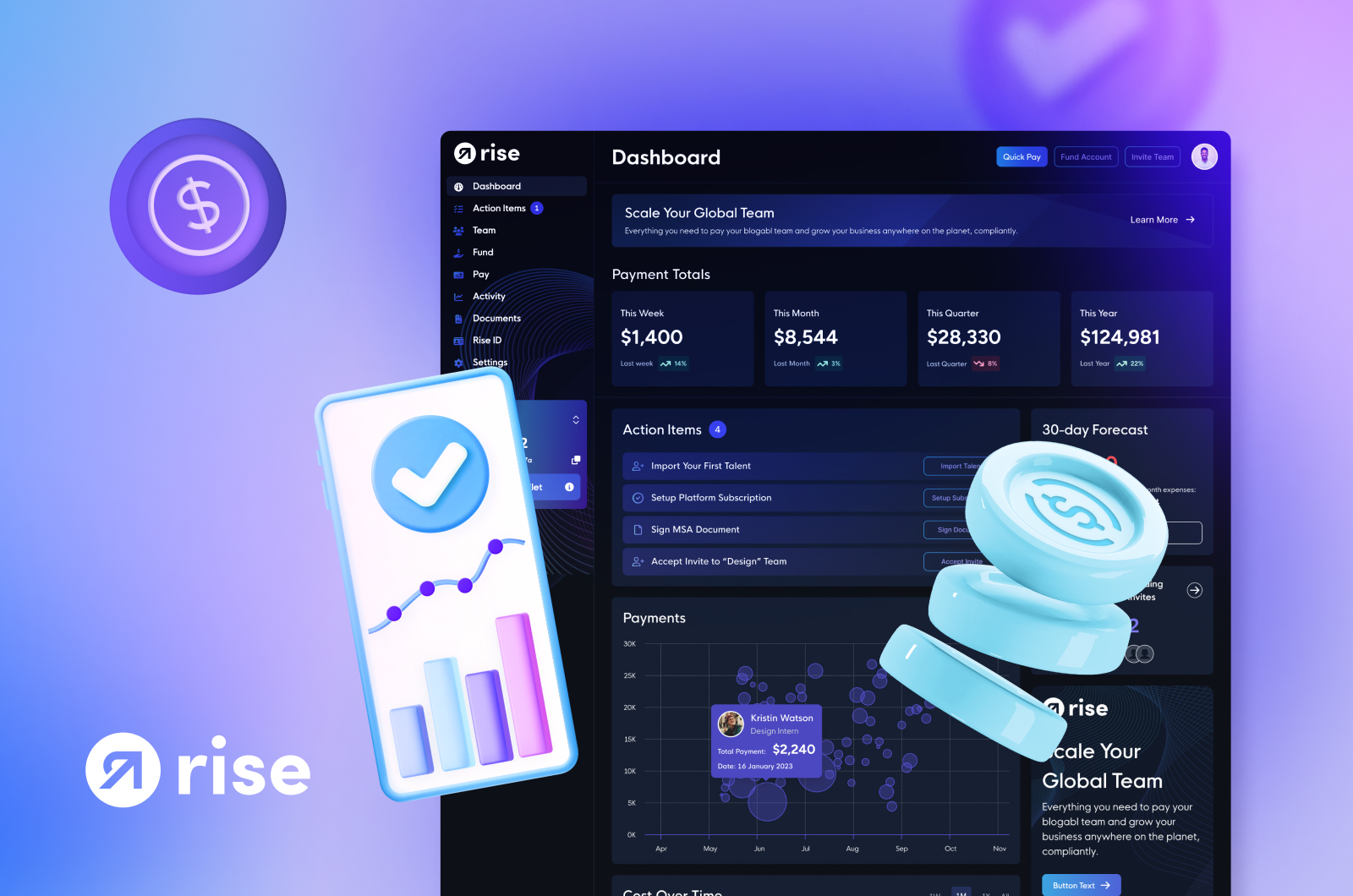
Decide if you will pay out in stablecoins, fiat, or a hybrid model. Ensure your treasury can handle the conversion costs and volatility risks.
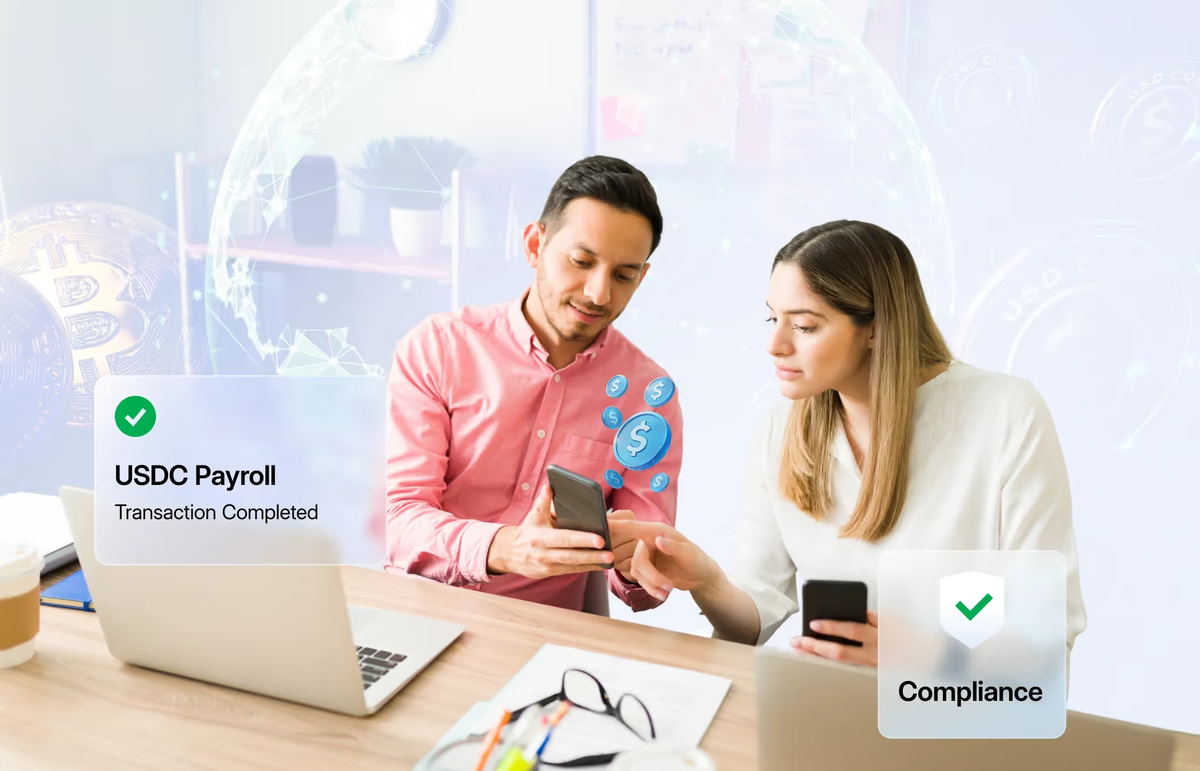
Confirm your payroll rail integrates with tax filing services. Without automated reporting, you risk significant legal exposure in key jurisdictions.
| Rail Type | Speed | Cost | Compliance |
|---|---|---|---|
| Traditional Banking | 1-3 days | High | High |
| Local Payment Rails | Same day | Medium | Medium |
| Blockchain/Stablecoin | Minutes | Low | Low |
Spotting weak options in automated payroll
The promise of automated DAO payroll rails often outpaces their actual reliability. Many platforms market "compliance" without disclosing which local regulations they actually cover. A common mistake is assuming that a global API handles local tax withholding automatically. It rarely does. You still need to verify if the provider integrates with specific regional tax authorities or if you are manually reconciling data.
Another misleading claim involves stablecoin payouts. While sending USDC is fast, converting it to local currency for employees often requires a second, separate step. This breaks the "automated" promise. If the rail does not include instant fiat-on-ramping, you are not saving time; you are just moving settlement risk to your contractors. Always check if the provider offers a true end-to-end flow from crypto to local bank account.
Finally, avoid platforms that treat all payment methods as equal. Some rails are better for high-volume, low-value transactions, while others suit large, infrequent contracts. Using a single rail for both can lead to excessive fees or failed transfers. Compare the actual cost per transaction, not just the headline exchange rate. Look for providers that offer transparent fee structures and clear compliance documentation for your specific jurisdictions.
| Feature | Strong Option | Weak Option |
|---|---|---|
No comments yet. Be the first to share your thoughts!