The payroll automation limits to account for
DAO payroll automation is not just about speed; it is a compliance infrastructure problem. When you pay contributors across borders, you are simultaneously managing tax withholding, labor classification, and reporting requirements in multiple jurisdictions. The "constraint" is that decentralized tools often optimize for transaction speed while ignoring regulatory friction.
This creates a gap between what is technically possible and what is legally defensible. Most DAOs start with simple token transfers using tools like Sablier or Aragon. These platforms excel at streaming payments or executing batch transfers on-chain. However, they rarely handle the off-chain data required for tax filings or local labor laws. The automation stops where the legal liability begins.
To close this gap, you need a stack that links on-chain execution with off-chain compliance data. This means your payroll rail must not only move funds but also generate the necessary records for tax authorities. Without this integration, you are automating the payment but not the compliance, leaving the organization exposed to audit risks. The goal is to make the compliance data as automatic as the transaction itself.
Dao payroll automation choices that change the plan
Automating cross-border compliance shifts the burden from manual reconciliation to protocol configuration. When selecting a payroll rail, you are balancing immediate operational speed against long-term regulatory visibility. There is no single solution that perfectly handles every jurisdiction’s tax withholding and reporting requirements without some level of manual intervention or third-party integration.
The primary decision rests on whether you prioritize real-time cash flow efficiency or strict auditability. Protocols like Sablier offer continuous streaming of tokens, which simplifies proration and reduces the administrative overhead of monthly cycles. In contrast, dApp-based systems like Aragon provide a more structured interface for managing roles and statistics, which can be easier for non-technical contributors to understand but may lack the granular flexibility needed for complex multi-currency setups.
Cross-border payments introduce currency volatility and network fee variability. A stablecoin-based rail mitigates exchange rate risk but exposes the DAO to smart contract risk and potential regulatory scrutiny depending on the token’s classification. Meanwhile, traditional fiat rails offer legal clarity but often fail to meet the speed expectations of a decentralized workforce. Evaluating these tradeoffs requires a clear view of your DAO’s specific contributor distribution and the regulatory environment of their home countries.
| Feature | Streaming (e.g., Sablier) | Structured dApp (e.g., Aragon) | Hybrid/Enterprise |
|---|---|---|---|
| Payment Flow | Real-time/Continuous | Batched/Monthly | Mixed |
| Compliance Reporting | Medium (Requires external tools) | High (Built-in dashboards) | High (API-driven) |
| Contributor Experience | New (Pay-as-you-earn) | Familiar (Monthly pay) | Varies |
| Setup Complexity | Medium | Low | High |
| Best For | Fast-moving, agile teams | Small teams, clear roles | Global, regulated DAOs |
The choice ultimately depends on your risk tolerance and technical resources. If your DAO operates in highly regulated jurisdictions, a hybrid or enterprise-grade solution that integrates with traditional accounting software may be necessary to satisfy tax authorities. For smaller, more agile groups, streaming protocols offer a compelling way to align compensation with actual work done, reducing the administrative drag of traditional payroll cycles.
Market volatility in the underlying assets used for payroll can impact contributor purchasing power. Monitoring the performance of the primary payment asset helps in understanding the real-world value of the automated flows you are setting up. This data is essential for adjusting compensation strategies in response to broader market conditions.
Choose the right payroll rail for your DAO
Deciding between a smart contract-based rail and a traditional dApp depends on your governance structure and treasury composition. There is no single platform that handles every edge case. You must match the tool to your specific risk profile and contributor base.
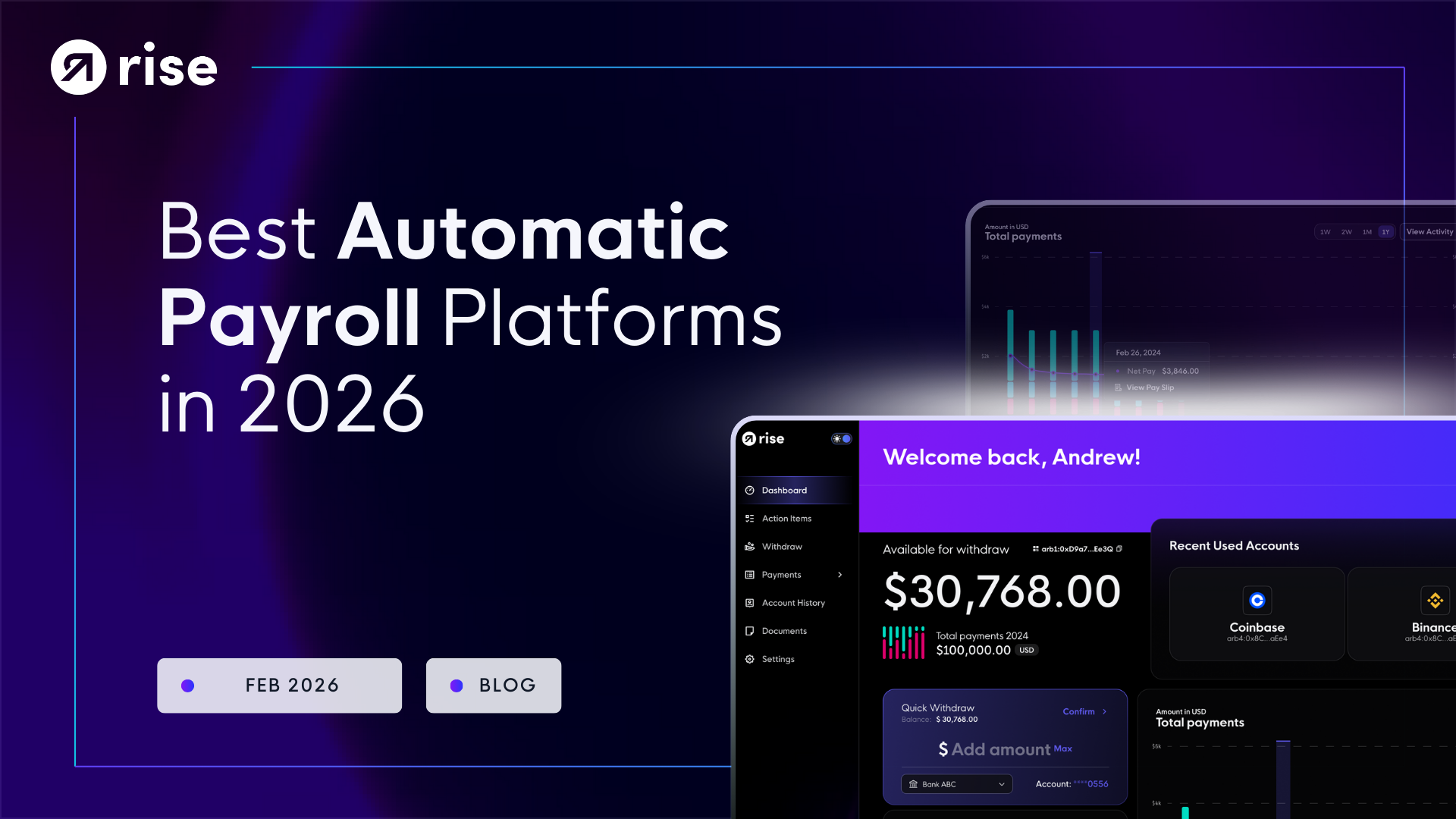
If your contributors need stable income, choose a continuous flow protocol like Sablier. These rails convert token balances into time-based streams, automatically adjusting for volatility without manual rebalancing. This is ideal for developers and long-term staff who treat their token allocation as a salary equivalent.
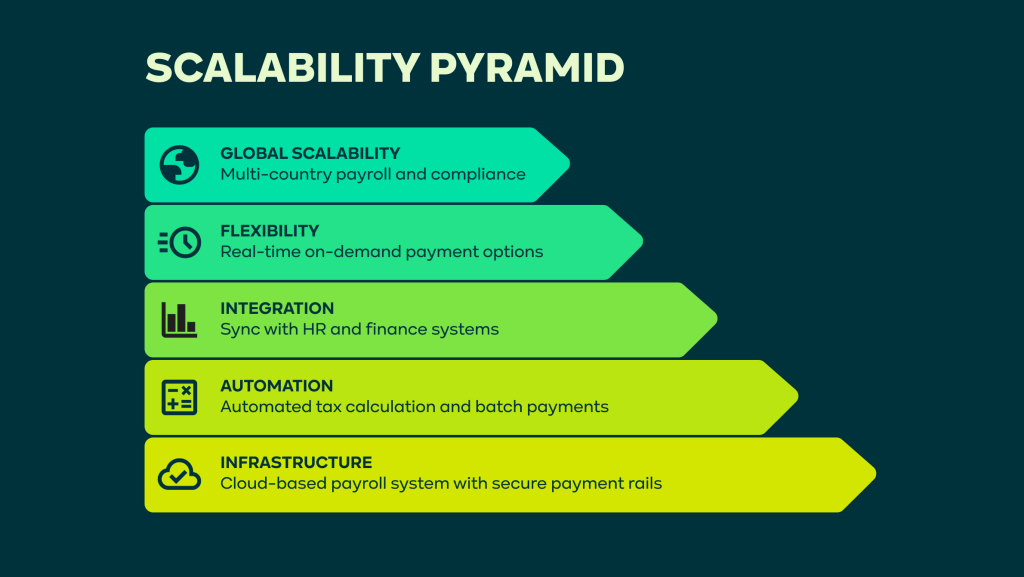
If your DAO requires multi-sig approval or complex vesting schedules, look for dApp integrations like Aragon. These platforms offer a visual layer for managing employee records and tracking statistics. They bridge the gap between raw on-chain transactions and the administrative needs of a legal entity.
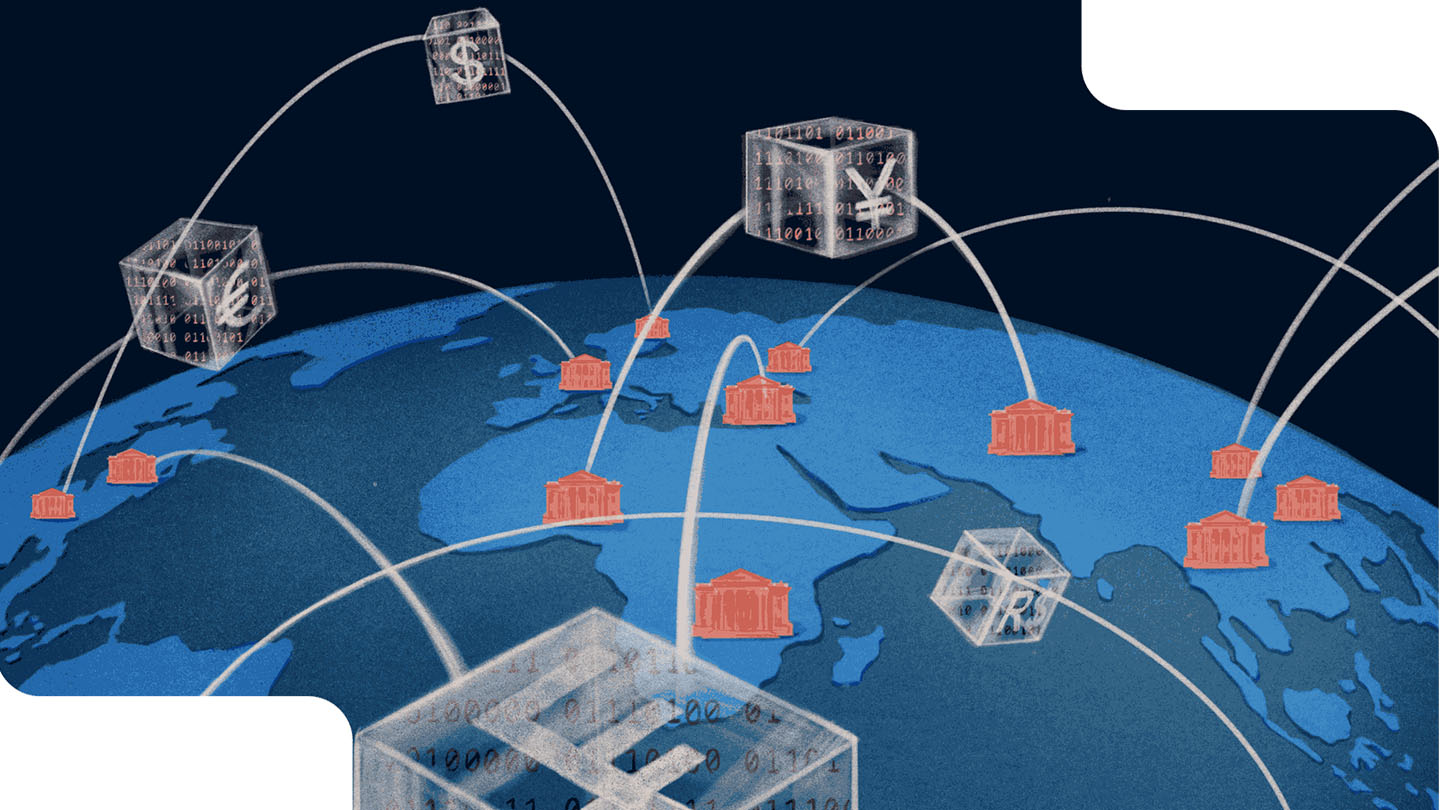
Regardless of the tool, you remain liable for taxes on income, staking rewards, and trading gains. Use the chosen rail’s export features to generate clear transaction logs. This simplifies reporting for contributors and ensures your DAO stays compliant with local tax authorities, avoiding the pitfalls of untracked crypto income.
| Feature | Flow Protocol (e.g., Sablier) | dApp (e.g., Aragon) |
|---|---|---|
| Payout Model | Real-time streaming | Batch or milestone-based |
| Best For | Stable monthly income | Complex governance structures |
| Tax Reporting | High granularity | Consolidated records |
The right choice hinges on whether you prioritize real-time cash flow or administrative control. For most early-stage DAOs, a combination of both offers the best balance of flexibility and compliance.
Watchouts for DAO Payroll Automation
The promise of automated cross-border compliance is often overstated. While tools like Sablier enable real-time streaming payments, they do not automatically resolve local tax liabilities or contractor classification rules. DAOs remain responsible for ensuring that automated payouts meet the legal standards of the recipient’s jurisdiction.
Misleading Claims About "Set and Forget" Compliance
Many providers market their rails as fully compliant solutions. This is inaccurate. Automation handles the transfer; it does not handle the reporting. You must still verify that token distributions are classified correctly as income, equity, or services in each relevant country. Relying solely on the protocol’s internal logic for legal compliance is a significant risk.
The Weakness of Generic DAO Tool Definitions
Be wary of broad definitions that conflate decentralized autonomous organizations with unrelated tools. For example, the term "DAO" is sometimes confused with the traditional steel blade used in North East India. In a legal and financial context, this distinction is critical. A DAO is a governance structure, not a physical implement. Ensure your provider understands the specific regulatory environment of digital asset management, not general utility.
Confusing DAOs with Defense Department Structures
Another common error is mixing up DAOs with the Department of Defense’s Domain Awareness Operations (DAO). While DoD DAO commanders manage cyber terrain, a crypto DAO manages treasury and governance. These are entirely different domains. A payroll rail designed for a tech cooperative will not function for military cyber operations. Verify that your vendor specializes in decentralized finance, not government defense contracting.
Faq: dao payroll automation: what to check next
Do DAOs have to pay taxes?
Yes. Income, staking rewards, and trading gains from DeFi or DAOs are taxed just like income and gains from centralized platforms. Automated payroll rails don't remove this obligation; they simply generate the immutable transaction records needed to prove compliance. Organizations must still classify payments correctly to avoid unexpected liabilities.
What is the use of DAO payroll tools?
These tools automate token distribution, tax withholding, and compliance reporting for remote contributors. By introducing smart contracts to existing payroll functions, automation strips out admin work and reduces human error. They allow DAOs to scale payments across borders without managing multiple banking relationships or local entity structures.
What is a DAO in the DoD?
In the Department of Defense, DAO refers to the DoD Information Network (DoDIN) Area of Operations. DoD commanders are responsible for planning and coordinating network security operations within their zone. This military definition is distinct from Decentralized Autonomous Organizations in the crypto space.
How do DAOs handle cross-border compliance?
Automated payroll systems use stablecoins to bypass traditional SWIFT delays and reduce fees. Platforms like Sablier and Aragon enable real-time token payroll, ensuring contributors get paid instantly regardless of location. This approach minimizes the friction of currency conversion and international wire transfers.
No comments yet. Be the first to share your thoughts!