How DAO Payroll Works
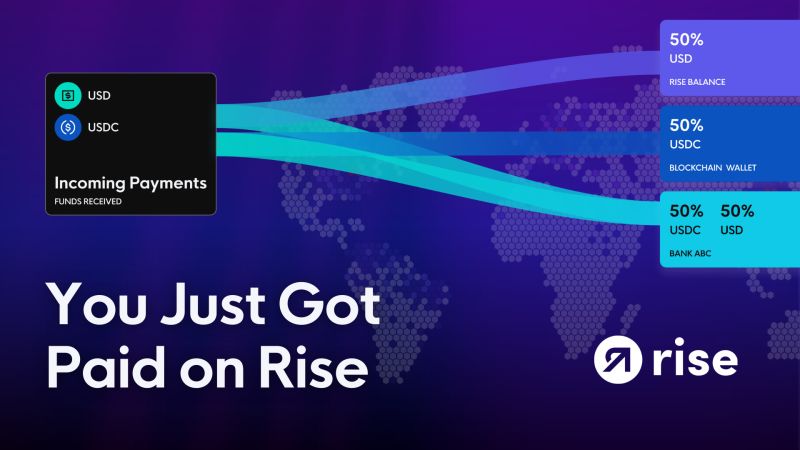
A DAO payroll rail moves funds from a shared treasury directly to contractors using smart contracts. Instead of a central finance team processing invoices, the organization’s code executes payments based on pre-agreed rules. This setup removes the need for traditional banking intermediaries, allowing global contributors to receive compensation in stablecoins or native tokens almost instantly.
The process typically begins with a proposal for work, which is voted on by token holders. Once approved, the smart contract releases the funds. For contractors, this means transparency in the treasury and predictable payment schedules. For the DAO, it reduces administrative overhead and ensures that funds are only spent on approved tasks.
While this system offers speed and transparency, it also introduces technical friction. Contractors must manage digital wallets and understand crypto tax implications, which can be a barrier for non-technical workers. Additionally, the immutable nature of blockchain transactions means errors in payment addresses or amounts are difficult to reverse, requiring careful verification before any funds move.
Dao payroll choices that change the plan
Use this section to make the How DAO Payroll Rails Simplifies Global Contractor Payments decision easier to compare in real life, not just on paper. Start with the reader's actual constraint, then separate must-have requirements from details that are merely nice to have. A practical choice should survive normal use, maintenance, timing, and budget. If a recommendation only works in an ideal situation, call that out plainly and give the reader a fallback path.
| Factor | What to check | Why it matters |
|---|---|---|
| Fit | Match the option to the primary use case. | A good deal still fails if it does not fit the job. |
| Condition | Verify age, wear, and service history. | Hidden condition issues erase upfront savings. |
| Cost | Compare purchase price with likely upkeep. | The cheapest option is not always the lowest-cost option. |
Choose the next step
How DAO Payroll Rails Simplifies Global Contractor Payments works best as a clear sequence: define the constraint, compare the realistic options, test the tradeoff, and choose the path with the fewest hidden costs. That order keeps the advice usable instead of decorative. After each step, pause long enough to check whether the recommendation still fits the reader's actual situation. If it depends on perfect timing, unusual access, or a best-case budget, include a simpler fallback.
Watchouts: Avoiding Weak DAO Payroll Options
Not every tool claiming to handle DAO payroll is built for global contractor payments. Many solutions look robust in demos but fail under real-world complexity. Watch for these common traps.
The "Crypto Wallet" Misconception
Some DAOs treat payroll like a simple wallet transfer. This ignores tax reporting, compliance, and multi-currency needs. A wallet holds funds; it doesn't manage obligations.
Hidden FX Fees
Many platforms advertise zero platform fees but charge massive foreign exchange spreads. Always check the total cost in the contractor's local currency, not just the DAO's token.
Lack of Audit Trails
If the platform doesn't provide immutable, verifiable payment records tied to specific invoices, you risk disputes. Ensure every payout is logged with clear metadata for tax purposes.
Dao payroll: what to check next
Before switching to on-chain rails, most teams hit the same practical walls. Here are the answers to the questions that come up most often when moving from traditional payroll to DAO payroll.
No comments yet. Be the first to share your thoughts!