DAO payroll rails defined
DAO payroll rails are smart contract systems that automate compensation for contributors across decentralized organizations. Instead of relying on traditional human resources departments or manual bank transfers, these protocols execute payments directly from treasury wallets based on predefined rules. The system typically handles identity verification, tax withholding calculations, and stablecoin settlement in a single transaction.
This infrastructure addresses the primary friction point in decentralized work: cross-border compliance. Traditional payroll services often struggle with the fragmented legal status of DAOs in different jurisdictions. Payroll rails bridge this gap by embedding regulatory logic into the code, ensuring that payments meet local requirements without requiring a centralized legal entity in every country where contributors reside.
The 2026 standard for these rails emphasizes automation of global compliance and instant stablecoin settlements. By removing intermediaries, DAOs can reduce administrative overhead and eliminate the delays associated with traditional banking networks. This shift allows contributors to receive compensation immediately upon task completion, aligning incentives with the fast-paced nature of web3 development.
While the technology offers efficiency, it requires careful configuration. DAOs must ensure their smart contracts are audited and that the underlying legal wrappers comply with local labor laws. The result is a hybrid model where code handles the execution, but human governance oversees the policy and compliance framework.
Dao payroll rails choices that change the plan
Choosing between traditional HR systems and DAO payroll infrastructure requires weighing automation speed against regulatory clarity. Traditional systems offer established legal wrappers and predictable fiat settlement, while DAO rails provide instant, borderless stablecoin transfers governed by code. The tradeoff centers on whether your organization prioritizes immediate compliance familiarity or operational efficiency in a decentralized environment.
Comparison of Payroll Models
The table below outlines the primary differences in settlement, compliance, and governance structure.
| Feature | Traditional HR | DAO Payroll Rails |
|---|---|---|
| Settlement Speed | 2-5 business days | Seconds to minutes |
| Geographic Reach | Limited by banking corridors | Global, borderless |
| Compliance Framework | Established corporate law | Evolving Web3 regulations |
| Governance | Top-down management | Token-holder voting |
| Transparency | Private internal records | On-chain public ledger |
Tradeoffs by Use Case
For regulated entities and traditional enterprises: Traditional HR systems remain the safer choice for organizations bound by strict corporate governance and existing labor laws. The familiarity of payroll providers like ADP or Gusto reduces legal friction, as these entities are recognized by tax authorities worldwide. However, this comes at the cost of slower cross-border payments and higher intermediary fees.
For global, decentralized teams: DAOs operating across multiple jurisdictions benefit significantly from payroll rails like DAO Payroll Rails or Streamflow. These platforms automate tax withholding and compliance checks through smart contracts, enabling instant stablecoin settlements. The tradeoff is that legal recourse is limited to code audits and community governance, rather than traditional labor courts.
Decision Framework
Select DAO payroll rails if your team is distributed, values transparency, and operates primarily in crypto. Opt for traditional systems if you require established legal protections, fiat-only operations, or are subject to rigid corporate compliance standards. Many hybrid organizations start with traditional systems for core staff while using DAO rails for global contractors to balance risk and efficiency.
How to Decide Between Traditional HR and DAO Payroll
The choice between a traditional HR stack and an autonomous DAO payroll system hinges on your organization’s legal structure and geographic footprint. Traditional systems rely on centralized entities and fiat currency, which introduces friction for global, distributed teams. DAO payroll rails automate compliance and enable instant stablecoin settlements, removing the need for manual currency conversion and cross-border banking delays.
To make the right call, evaluate your setup against these three practical criteria.
If you are a registered corporation with local employees, traditional HR systems remain the standard for tax withholding and labor law compliance. DAOs lack a central legal entity in many jurisdictions, making it difficult to apply standard employment contracts. If your structure is decentralized, you must assess whether your local laws recognize DAO members as employees or independent contractors.
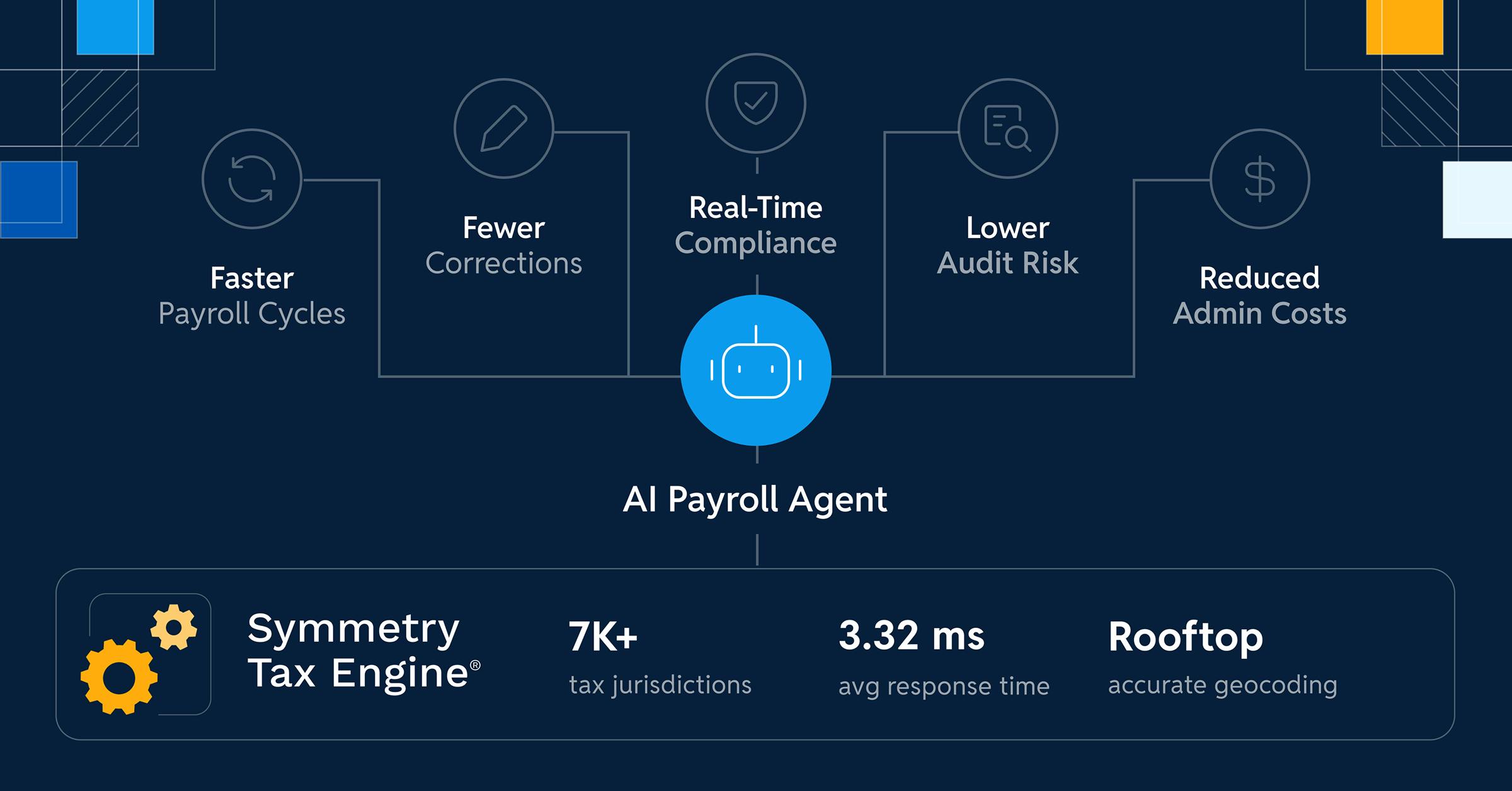
Autonomous payroll shines in borderless environments. If your contributors are spread across multiple countries, traditional systems require managing multiple payroll vendors and currency exchange fees. DAO rails settle payments instantly in stablecoins, ensuring global contributors receive funds without banking delays or high wire transfer costs.

Traditional HR is hierarchical: managers approve time off and payroll changes. DAOs operate on horizontal structures where token holders vote on treasury allocations and compensation. If your organization relies on consensus-based decision-making, a DAO payroll system aligns financial distribution with your governance votes, whereas traditional HR systems may feel rigid and disconnected from your voting process.
Spotting Weak Options in Autonomous Payroll
Not every "autonomous" payroll system delivers on its promise. As DAOs adopt stablecoin settlements, distinguishing between robust infrastructure and marketing hype becomes critical. Many platforms claim full compliance but lack the technical depth to handle cross-border tax variations.
When evaluating options, look for specific jurisdictional support rather than vague global claims. A strong system integrates directly with blockchain explorers for transparency, while weak options rely on opaque internal ledgers. The 2026 standard requires automated, real-time settlement, not just batch processing.
Avoid platforms that cannot demonstrate live, auditable transaction trails. If a provider cannot show how it handles a specific country's withholding rules, it is likely a weak option. Prioritize systems built on established rails that prioritize regulatory clarity over novelty.
Dao payroll rails: what to check next
Before switching to autonomous payroll, teams usually need clarity on the structural differences and financial mechanics. These answers address the most common practical objections regarding DAO governance, revenue models, and compliance.
No comments yet. Be the first to share your thoughts!