The 2026 payroll compliance landscape
The regulatory environment for decentralized autonomous organizations (DAOs) has hardened significantly in 2026. While smart contracts offer transparent execution, they do not automatically satisfy local labor laws or tax obligations. Regulatory bodies in the United States, the European Union, and Singapore are increasingly scrutinizing how DAOs classify workers and remit payments, treating digital asset distribution as subject to the same compliance frameworks as traditional employment.
In the United States, the Internal Revenue Service (IRS) continues to enforce strict guidelines on worker classification. DAOs must determine whether contributors are employees or independent contractors, a distinction that dictates withholding responsibilities and reporting requirements. Failure to align smart contract payouts with these classifications can trigger significant penalties, regardless of the decentralized nature of the organization. Recent enforcement actions suggest that anonymity is no longer a shield against tax liability.
Similarly, the European Union’s implementation of the Digital Operational Resilience Act (DORA) and evolving MiCA regulations require DAOs to maintain robust operational and financial transparency. European regulators are focusing on the legal personality of DAOs, particularly in jurisdictions like France and Germany, where specific legal frameworks now recognize decentralized entities. This recognition brings with it explicit obligations regarding payroll processing, social security contributions, and cross-border data protection.
Singapore has also tightened its stance, with the Monetary Authority of Singapore (MAS) and the Inland Revenue Authority of Singapore (IRAS) issuing joint guidance on digital payment tokens and payroll. DAOs operating in or targeting Singaporean residents must ensure their automated payment systems can integrate with local tax reporting standards. The expectation is that automation should facilitate compliance, not bypass it.
The trend in 2026 is clear: automation is expected to handle the volume and speed of transactions, but human oversight is still required to ensure legal adherence. DAOs must integrate legal review into their operational workflows, treating compliance as a core component of their governance structure rather than an afterthought.
Smart contract payroll rails defined
On-chain payroll operates as a deterministic execution layer, replacing the fragmented API calls of legacy systems with immutable smart contracts. In this model, compensation is not merely transferred but governed by code that enforces vesting schedules, time-locked distributions, and conditional payouts. For high-stakes financial operations, this shifts the trust model from institutional intermediaries to cryptographic verification, where payroll compliance is baked directly into the transaction logic.
The architecture typically integrates three core components: stablecoin settlement layers, oracle-based time verification, and automated vesting protocols. Oracles bridge off-chain data—such as verified work hours or milestone completions—with on-chain execution. This ensures that payments are triggered only when external conditions are met, reducing the administrative overhead associated with manual payroll auditing. Unlike traditional rails that rely on batch processing and bank clearing cycles, smart contract payroll offers near-instant finality and transparent audit trails.
Legacy payroll systems depend on centralized databases and API integrations with banking institutions, creating single points of failure and latency. In contrast, on-chain rails distribute this infrastructure across a blockchain network. This decentralization enhances resilience but introduces complexity in managing private keys and smart contract security. The trade-off involves balancing the efficiency of automated, code-enforced payments against the need for robust governance mechanisms to handle exceptions or errors that code cannot resolve.
Comparing settlement speeds and costs
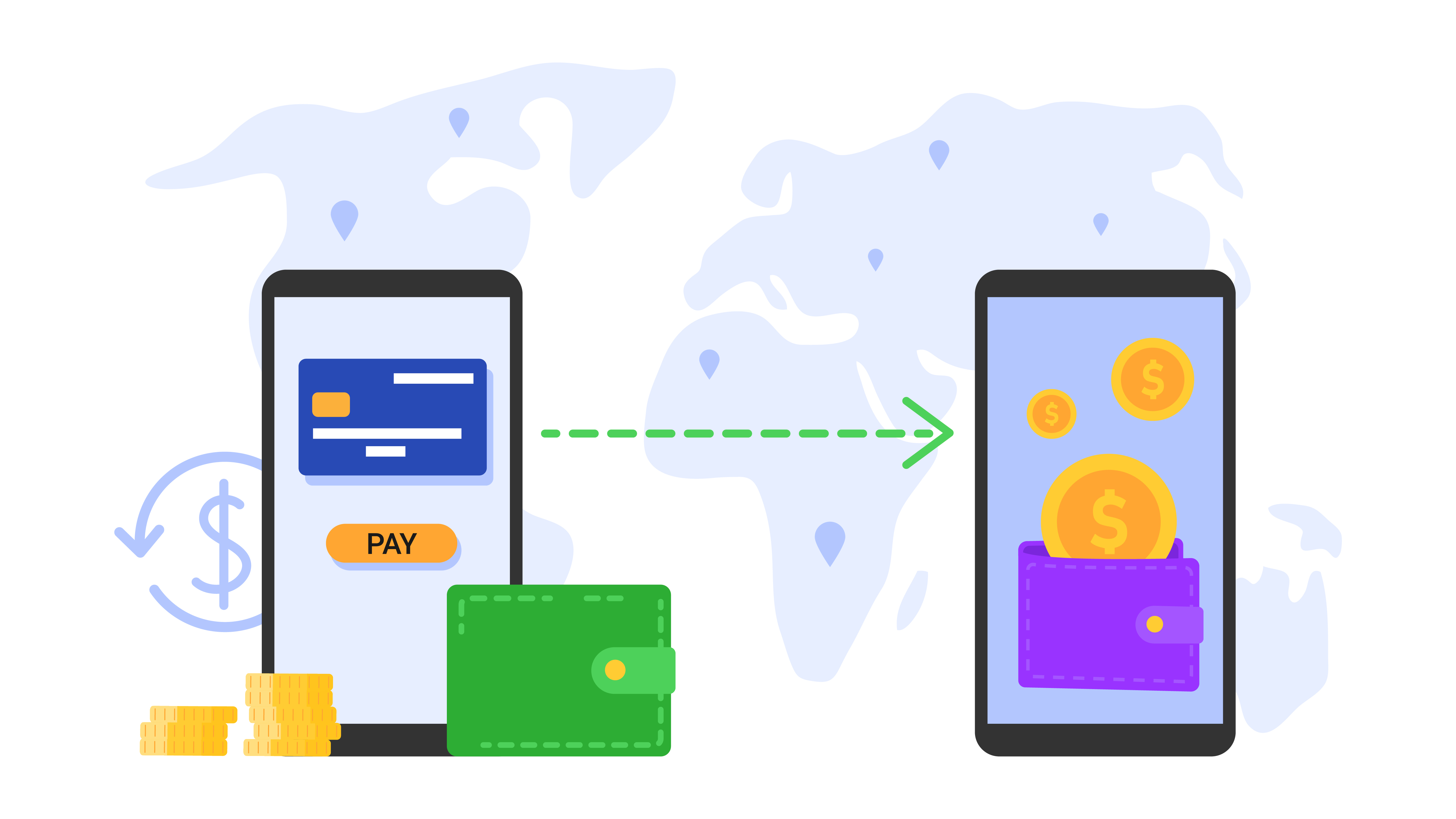
The distinction between traditional payroll rails and on-chain stablecoin settlements centers on liquidity velocity and transactional friction. Traditional providers, such as Deel and Rippling, operate within legacy banking infrastructures that impose inherent delays and fixed fee structures. In contrast, blockchain-based payroll systems leverage stablecoin networks to bypass intermediary banks, offering near-instantaneous settlement with variable, often lower, network gas fees.
Settlement Velocity and Transactional Friction
Traditional payroll processing is bound by the operational hours of correspondent banking networks. Even with automated disbursement tools, international wire transfers typically require one to five business days to clear, subject to intermediary bank hold times. This latency creates cash flow inefficiencies for distributed teams, particularly those operating across disparate time zones and jurisdictions. The administrative burden of reconciling these delayed transactions further compounds operational costs.
On-chain stablecoin payments, primarily utilizing networks like Ethereum, Solana, or Layer-2 solutions, settle in seconds to minutes, regardless of geographic location or banking holidays. This immediacy eliminates the float period, allowing DAOs and distributed enterprises to allocate capital with precision. While network congestion can temporarily increase gas fees, the structural removal of intermediary banking layers ensures that the finality of payment is not subject to traditional banking cut-off times or manual processing delays.
Cost Structures and Compliance Coverage
Traditional payroll providers charge a per-employee monthly fee, often ranging from $8 to $15 per worker, plus percentage-based processing fees for international payouts. These costs are predictable but scale linearly with headcount, creating significant overhead for large, global teams. Additionally, cross-border payments incur foreign exchange (FX) spreads and wire fees, which can erode compensation value for employees in emerging markets.
Blockchain-based payroll systems charge minimal network fees, often less than $1 per transaction, depending on the underlying protocol. There are no per-employee monthly subscriptions, making the cost model highly scalable for DAOs with fluctuating membership. However, compliance with tax withholding and regulatory reporting remains a complex consideration. While on-chain transactions are transparent, automating tax remittance requires integration with third-party compliance layers, which may introduce additional costs not present in all-in-one traditional platforms.
| Feature | Traditional Providers (e.g., Deel, Rippling) | On-Chain Stablecoin Payroll |
|---|---|---|
| Settlement Time | 1-5 business days | Seconds to minutes |
| Primary Cost Driver | Per-employee fee ($8-$15+) + FX spreads | Network gas fees (<$1 typically) |
| Cross-Border Friction | High (bank intermediary delays) | Low (direct peer-to-peer settlement) |
| Tax Compliance Automation | Integrated (withheld automatically) | Limited (requires external integration) |
| Regulatory Oversight | High (FDIC insured, SOC2 compliant) | Low (smart contract risk, no insurance) |
Tax reporting and legal entity risks
Smart contracts automate payment execution, but they do not inherently resolve the legal complexities of payroll tax compliance. When a DAO distributes payments directly to wallet addresses, it bypasses the traditional payroll infrastructure that handles withholding, reporting, and remittance. This gap creates significant exposure for worker classification disputes, tax withholding failures, and jurisdictional ambiguity.
Worker classification disputes
The most immediate legal risk involves misclassifying workers as independent contractors rather than employees. Traditional payroll systems enforce classification rules through structured onboarding and wage-and-hour tracking. Smart contracts, by contrast, execute code based on predefined conditions without assessing the degree of control or integration a worker has with the DAO.
In the United States, the Internal Revenue Service (IRS) uses a multi-factor test to determine worker status. If a DAO fails to properly classify contributors, it may face back taxes, penalties, and interest. The IRS has increasingly scrutinized decentralized organizations for compliance with employment tax laws. Misclassification can trigger audits that extend beyond simple payroll errors to broader corporate governance questions.
Tax withholding failures
Automated payments to cryptocurrency wallets do not automatically withhold income or payroll taxes. In traditional employment, employers deduct federal, state, and local taxes before distributing net pay. Smart contracts lack this capability unless explicitly programmed with complex off-chain data feeds and legal entities to act as withholding agents.
Without proper withholding mechanisms, DAOs may fail to meet their legal obligation to remit taxes on behalf of workers. This places the burden of tax payment entirely on the contributor, increasing the risk of non-compliance. Additionally, DAOs may face liabilities for failing to file required information returns, such as Form 1099-NEC in the U.S. or equivalent forms in other jurisdictions.
Jurisdictional ambiguity
DAOs often operate across borders, making it difficult to determine which jurisdiction’s tax laws apply. Unlike traditional companies with a clear place of incorporation or principal place of business, DAOs may have no physical headquarters. This ambiguity complicates the determination of withholding obligations, reporting requirements, and applicable tax rates.
Regulators in the European Union and other regions are beginning to address the tax implications of decentralized organizations. The EU’s Crypto-Asset Reporting Framework (CARF), set to take effect in 2026, aims to enhance transparency for crypto-related transactions. DAOs participating in cross-border payroll may need to navigate multiple regulatory regimes simultaneously, increasing compliance costs and legal risk.
The combination of automated execution and fragmented legal oversight creates a high-stakes environment. DAOs must consider establishing legal entities, implementing manual compliance checks, or partnering with payroll service providers that can bridge the gap between code and regulation. Failure to address these risks can result in severe financial and legal consequences.
Implementation checklist for DAO treasuries
Integrating smart contracts for payroll requires a structured compliance audit before deployment. DAOs operating across jurisdictions must map local labor codes to on-chain logic to prevent regulatory friction. The following steps outline the necessary verification layers for 2026 implementation.
Confirm that the DAO is registered as a recognized legal entity, such as a Wyoming DAO LLC, in its primary jurisdiction. Smart contracts alone do not confer legal personhood; without this status, the treasury may expose token holders to unlimited personal liability for payroll obligations. This verification is the foundational step for any automated compensation structure.
Align contract logic with IRS Publication 15-T and EU VAT directives. Automated payroll must accurately classify workers as independent contractors or employees, as misclassification triggers significant penalties. Contracts should include flags for jurisdiction-specific tax withholdings, ensuring that remittances to tax authorities are calculated correctly before distribution.
Integrate multiple redundant oracles to feed real-world wage data and exchange rates into the payroll contract. Reliance on a single data source introduces a critical point of failure; if an oracle fails or provides stale data, payroll execution may halt or distribute incorrect amounts. Verify that the oracle providers have a proven track record of uptime and data accuracy for financial applications.
Require multisignature approval for any changes to payroll parameters, such as salary adjustments or new beneficiary addresses. While execution can be automated, changes to the payroll logic should require consensus from a trusted council or governance vote. This step prevents unilateral manipulation of treasury funds and ensures that payroll changes are transparent and auditable.

Perform a comprehensive audit of the payroll system within 30 days of launch. This review should verify that tax withholdings match legal requirements and that worker classifications remain accurate. Regular audits help identify discrepancies early and ensure that the automated system remains compliant with evolving regulatory standards.
Common payroll automation: what to check next
The transition from traditional rails to smart contracts introduces specific operational and compliance considerations. The following addresses frequent inquiries regarding manual setup procedures and the legal definition of automation in high-stakes financial environments.
No comments yet. Be the first to share your thoughts!