The 2026 compliance shift for DAOs
Manual payroll processes are no longer a viable option for Decentralized Autonomous Organizations (DAOs) operating in 2026. The regulatory landscape has tightened significantly, moving from voluntary transparency to mandatory, automated tax reporting across major jurisdictions. For DAOs managing global teams, the ability to manually track contributions, classify workers, and file localized tax forms has become a critical liability.
The shift is driven by the need to align with traditional financial compliance standards. As noted in recent industry analyses, payroll teams are adapting to increasing regulatory complexities and cybersecurity requirements (HR.com, 2026). For DAOs, this means that the "code is law" ethos must now coexist with, and often defer to, local tax codes. Failure to automate this process exposes the organization to severe penalties, legal action, and reputational damage.
Compliance is no longer just about paying contributors; it is about proving legitimacy to regulators. Automated systems provide the audit trails and standardized reporting formats that tax authorities expect. Without this infrastructure, DAOs risk being classified as non-compliant entities, which can freeze assets and disrupt operations. The cost of manual errors now far outweighs the investment in automated compliance tools.
Core rails for decentralized payroll
Decentralized payroll relies on a specific stack of smart contracts and stablecoin rails to move value across borders without traditional banking intermediaries. For global DAO teams, this infrastructure replaces SWIFT transfers with on-chain settlements, but it introduces a new layer of compliance responsibility. The system must handle currency stability, tax withholding, and regulatory reporting automatically.
The foundation is the stablecoin. Unlike volatile cryptocurrencies, stablecoins like USDC or USDT provide the price predictability required for payroll. A developer’s salary cannot fluctuate 10% between the time work is completed and the time it is paid. Using a stablecoin ensures that the agreed-upon compensation remains constant in fiat terms, even if the underlying blockchain network experiences volatility.
Smart contracts act as the execution engine. These self-executing agreements automate the distribution of funds based on predefined conditions, such as time periods or task completion. However, the contract itself is only as good as its data inputs. Integrating oracles to verify identity (KYC) and tax residency is critical to ensure that payments are routed to the correct jurisdictions.
| Rail | Speed | Compliance Burden |
|---|---|---|
| Stablecoin (USDC) | Seconds | High (DAO responsibility) |
| Traditional Bank | Days | Medium (Bank filters) |
| Crypto-to-Fiat Gateway | Hours | Low (Gateway handles tax) |
The choice of rail determines where the compliance burden falls. When paying directly in stablecoins, the DAO retains full responsibility for tax reporting and withholding. This requires robust off-chain data tracking. If the DAO uses a crypto-to-fiat gateway, the gateway often handles the tax filing, reducing the DAO’s administrative load but introducing counterparty risk and higher fees.
Tax compliance for global teams is not an afterthought; it is a core feature of the payroll architecture. The system must generate immutable records of every payment, including the recipient’s jurisdiction and the applicable tax rate. Without this, a DAO risks classifying contractors as employees or failing to withhold taxes, leading to significant legal penalties in key jurisdictions like the US, EU, and Singapore.
Compare automation platforms for DAO compliance
Selecting payroll software for a Decentralized Autonomous Organization (DAO) requires balancing traditional tax compliance with the unique technical constraints of on-chain governance. Unlike standard corporations, DAOs often distribute compensation via smart contracts, native tokens, or stablecoins, which complicates standard W-2 and 1099 reporting. The following comparison evaluates leading automation platforms based on their ability to handle multi-currency payouts, automated tax filings, and integration with decentralized governance tools.
The market has shifted toward platforms that offer API-first architectures, allowing DAOs to connect payroll outputs directly to treasury management systems like Safe or Tally. When evaluating these tools, prioritize those that support automated tax withholding for global contractors, as manual compliance in jurisdictions like the EU or Asia-Pacific introduces significant legal risk. The table below contrasts Rippling, Deel, and Remote HR on critical compliance features.
| Platform | Automated Tax Filing | Crypto/Stablecoin Payouts | Governance/API Integration |
|---|---|---|---|
| Rippling | Yes (US/UK/CA) | No (Fiat only) | Standard REST API |
| Deel | Yes (Global) | Yes (USDC, ETH) | Webhooks & API |
| Remote HR | Yes (Global EOR) | Limited | Custom API Solutions |
| Papaya Global | Yes (Global) | No | Enterprise API |
Rippling remains a strong candidate for DAOs with a predominantly US-based workforce, offering seamless integration with major US tax authorities. However, its lack of native crypto support limits its utility for token-based compensation models. Deel stands out for its global reach and explicit support for stablecoin payouts, making it a preferred choice for international teams. Remote HR offers robust Employer of Record (EOR) services, which can simplify compliance in countries with complex labor laws, though its crypto capabilities are less mature. For DAOs requiring deep integration with on-chain governance, platforms with open APIs and webhook support are essential to automate payroll approvals based on snapshot votes or on-chain proposals.
When implementing these tools, ensure that your treasury operations align with the platform’s reporting capabilities. Automated tax filing reduces the burden on your community, but you must still verify that the platform’s data exports can be reconciled with your on-chain transaction history. This dual-layer verification is critical for maintaining transparency and auditability, which are core tenets of DAO governance.
Automating global tax reporting
Manual payroll processing creates a liability trap for decentralized organizations. When a DAO pays contractors across multiple jurisdictions, the administrative burden of tax compliance grows exponentially. Automation software addresses this by treating tax rules as configurable code rather than static spreadsheets. This shift allows organizations to maintain audit trails for 1099-K, K-1, and VAT filings without hiring a dedicated compliance team for every region.
The core mechanism relies on real-time classification and withholding logic. Systems integrate with payment rails to automatically calculate and withhold the correct percentage for cross-border payments. For US-based payees, the software generates 1099-NEC forms by aggregating payments throughout the year. For international contractors, the platform applies local VAT or GST rules based on the recipient’s registered address, ensuring the DAO remains compliant with local value-added tax directives.
Data aggregation is the final piece of the puzzle. Instead of exporting CSV files for accountants to reconcile, automated systems push structured data directly to tax filing portals. This reduces the risk of human error in data entry and ensures that all global tax reports are synchronized. The result is a streamlined workflow where tax compliance happens invisibly in the background, allowing the organization to focus on operational execution rather than regulatory paperwork.
Implementation checklist for DAOs
Adopting automated payroll requires shifting from manual data entry to system oversight. This transition demands precise coordination between governance protocols and tax compliance rails. Follow this ordered workflow to deploy payroll automation without disrupting treasury operations or violating jurisdictional requirements.
Map every contributor’s location, classification, and tax residency. Identify existing liabilities across jurisdictions before automating. Manual audits prevent costly misclassification errors that trigger penalties in high-stakes regulatory environments.
Choose a payroll provider that supports multi-jurisdictional tax filing. Verify that the rail handles stablecoin conversions or fiat payouts with full audit trails. The system must generate accurate 1099 or equivalent forms automatically.
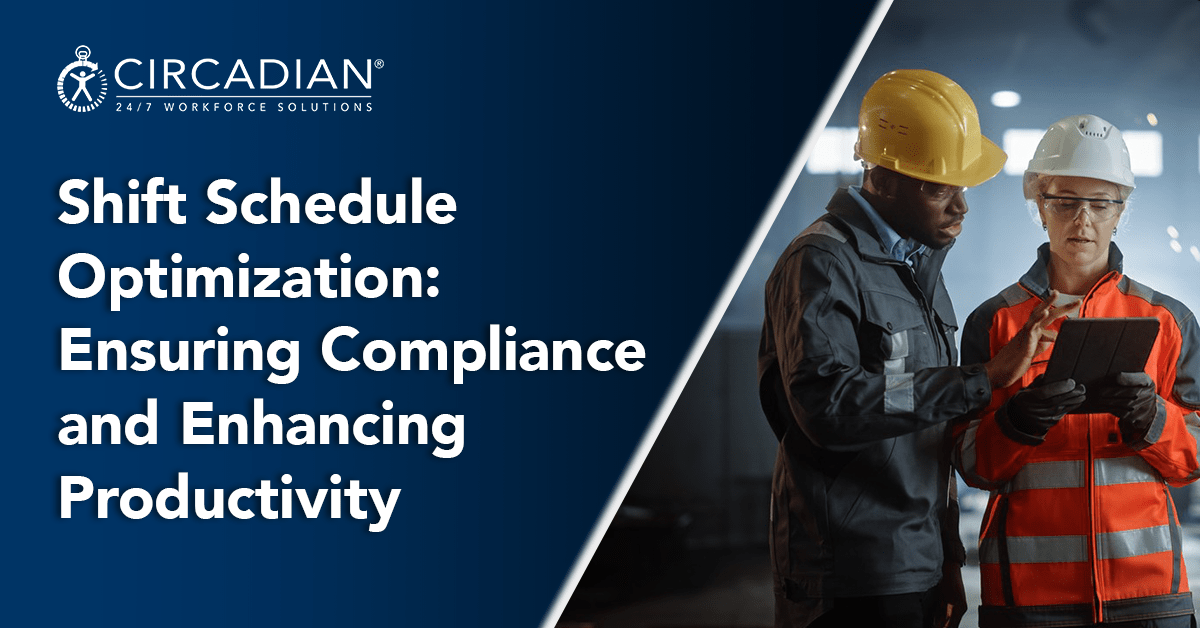
Define smart contract parameters for payroll disbursement. Set approval thresholds for multi-sig wallets and establish automated tax withholding rules. Ensure governance votes can override automated payments only in exceptional compliance cases.

Run a simulated payroll cycle with a small subset of contributors. Verify tax calculations, payment delivery, and record-keeping accuracy. Compare results against manual calculations to identify discrepancies before full deployment.
Train internal staff to monitor automated systems rather than perform manual entry. Focus on exception handling, compliance reporting, and regulatory updates. Automation works best when teams shift from data entry to strategic oversight.
Deploy the system to all contributors. Establish monthly compliance reviews to track tax filings and audit trails. Adjust parameters as regulations evolve or the team expands into new jurisdictions.
No comments yet. Be the first to share your thoughts!