Defining onchain payroll rails
DAO payroll automation refers to the execution of compensation workflows via smart contracts rather than traditional banking intermediaries. This infrastructure creates "payrails"—programmable financial pipes that move value directly from a treasury to contributors. For legal and regulatory analysis, it is essential to distinguish between two primary architectural models: continuous streaming and batched settlement. The choice between these models determines cash flow liquidity, gas efficiency, and compliance reporting granularity.
Continuous streaming protocols, such as Sablier, treat salary as a real-time data stream rather than a discrete event. Instead of issuing a fixed payment on the first of the month, the smart contract releases funds second-by-second based on the vested amount. This model mirrors traditional hourly wage structures but removes the administrative overhead of invoicing. Contributors access earned funds instantly, and the treasury retains unearned capital until the specific moment of vesting. This approach is particularly relevant for organizations managing variable engagement or project-based billing where precise proration is required.
In contrast, batched smart contract systems, such as the Aragon Payroll dApp, operate on periodic intervals. These systems aggregate contributions over a set period—typically a month—and execute a single transaction to distribute funds to multiple wallets. This method is more gas-efficient for large teams and aligns with traditional payroll cycles. However, it requires upfront capital commitment and lacks the real-time liquidity of streaming. The batched model is often preferred by established DAOs seeking to minimize onchain transaction costs while maintaining predictable payout schedules.
The selection of a payrail has direct implications for treasury management and stablecoin volatility. Since most DAOs pay in stablecoins, understanding the price stability of the underlying asset is critical for budgeting. The following chart illustrates the price stability of USDC against the US Dollar, a common base asset for these payroll systems.
Both models require careful integration with existing financial controls. Streaming protocols offer granular visibility into accrued liabilities, while batched systems provide simplified accounting records. Legal frameworks must account for these technical differences when defining employment status and tax obligations within decentralized organizations.
Comparing automation architectures
Decentralized payroll infrastructure generally falls into two distinct technical categories: flow-based streaming and locked batch payments. Each architecture presents specific trade-offs regarding treasury efficiency, tax withholding capabilities, and integration complexity. Selecting the correct model requires aligning the payment mechanism with the organization's regulatory obligations and operational tempo.
Streaming vs. batched payroll comparison
The following comparison outlines the structural differences between real-time streaming protocols and traditional batched smart contract payments.
Flow-based streaming
Flow-based streaming protocols, such as Sablier, enable continuous payment streams where funds accrue second-by-second. This model mirrors traditional hourly wage structures and eliminates the need for manual invoicing cycles. For DAOs, streaming reduces the administrative burden of calculating pro-rated salaries for mid-cycle onboarding or offboarding. However, the cumulative gas costs of perpetual updates can exceed batched alternatives, particularly on high-fee networks.
Locked and batched payments
Locked and batched architectures distribute funds at predetermined intervals, often leveraging vesting contracts or scheduled transfer functions. This approach aligns with standard corporate payroll cycles (bi-weekly or monthly) and simplifies integration with existing accounting software. While less granular than streaming, batched payments offer superior gas efficiency and allow for more robust off-chain tax withholding logic before funds are released to recipient wallets.
Navigating tax and legal compliance
Automating payroll through smart contracts introduces a fundamental legal mismatch: the code executes financial transfers with atomic certainty, but it lacks the jurisdictional awareness required for tax withholding and labor classification. A smart contract can send USDC to a contributor’s wallet, but it cannot determine whether that contributor is a W-2 employee, a 1099 independent contractor, or a tax resident of a different country. This gap means that while the payment is automated, the compliance remains a manual, legal obligation that must be handled outside the blockchain.
The Limitation of On-Chain Logic
Current smart contract infrastructure does not natively support complex tax logic. Withholding rates vary by locality, federal status, and individual deductions—variables that are dynamic and private. Relying solely on a smart contract for payroll distribution creates a liability where the DAO has disbursed funds without satisfying statutory withholding requirements. As noted by compliance experts, introducing smart contracts to existing payroll functions strips out administrative friction but does not replace the legal duty to report and withhold correctly Rise Works.
Structuring Payroll Flows for Audit Readiness
To mitigate legal risk, DAOs must decouple the execution layer (the smart contract) from the compliance layer (off-chain reporting). Practical payroll flows that avoid immediate tax complications often rely on clear contractor agreements and structured payout patterns Hash Block. For example, paying contributors in stablecoins via a multisig wallet requires the DAO to manually issue 1099-NEC forms in the United States or equivalent local tax documents elsewhere. The on-chain transaction serves as proof of payment, but the off-chain documentation serves as proof of compliance.
Jurisdictional Labor Law Risks
Beyond taxes, the primary legal risk is misclassification. If a smart contract automatically pays a contributor who works set hours under the direction of the DAO, that contributor may legally qualify as an employee, regardless of the token used for payment. Employee status triggers obligations for minimum wage, overtime, and social security contributions that a simple smart contract cannot enforce. DAOs must ensure that their governance structures and payment schedules do not inadvertently create employer-employee relationships in high-regulation jurisdictions like the EU or California.
Integration with Fiat Off-Ramps
For DAOs operating in regulated economies, payroll often requires bridging on-chain assets to fiat currency for contributors who cannot or will not hold crypto. This introduces additional compliance layers, including KYC/AML checks by the fiat on-ramp provider. The DAO must ensure that its treasury management practices align with anti-money laundering laws in its operating jurisdiction. Failure to verify the identity of contributors before automated payout can expose the DAO and its signers to severe regulatory penalties.
Best Practices for Legal Safety
- Maintain Off-Chain Records: Always keep detailed records of contributor agreements, work logs, and tax forms separate from the blockchain.
- Use Legal Wrappers: Consider operating payroll through a recognized legal entity (e.g., a Wyoming DAO LLC or a Swiss association) to clarify liability.
- Automate Reporting, Not Withholding: Use tools to track payments for tax reporting purposes, but perform actual withholding calculations and filings manually or through specialized payroll providers.
- Consult Local Counsel: Tax laws are hyper-local. What works in Singapore may be illegal in Germany. Seek legal advice specific to the contributor’s residence.
By treating smart contracts as payment rails rather than legal agents, DAOs can automate efficiency while preserving the necessary human oversight for tax and labor compliance.
Selecting the right payroll stack
Choosing the appropriate payroll rail for a Decentralized Autonomous Organization (DAO) requires aligning technical infrastructure with legal obligations and treasury composition. The decision framework rests on three variables: team size, jurisdictional complexity, and asset liquidity. A misaligned stack introduces regulatory friction and operational risk.
Assess team size and payment volume
Small teams with fewer than ten members often benefit from simpler, automated smart contract solutions that minimize administrative overhead. Larger organizations require robust infrastructure capable of handling complex multi-signature approvals and high-volume transactions. The choice here dictates the level of automation versus human oversight required.
Evaluate jurisdictional requirements
Legal compliance is non-negotiable. Payroll systems must support tax withholding, identity verification (KYC), and reporting standards relevant to the jurisdiction of each contributor. Cross-border payments introduce additional layers of complexity, requiring rails that can navigate varying regulatory landscapes without exposing the DAO to compliance violations.
Analyze treasury composition
The assets held in the treasury determine the liquidity available for payroll. If the treasury is heavily weighted toward volatile altcoins, the payroll rail must include mechanisms for stablecoin conversion or direct fiat on-ramps. Stablecoin-heavy treasuries allow for more direct, on-chain disbursements, reducing friction and transaction costs.
Implementation checklist
Before deploying a payroll rail, verify the following:
-
Contract audit verification completed by a reputable firm
-
Treasury diversification strategy aligned with payroll frequency
-
Legal counsel review of jurisdictional compliance requirements
-
Contributor KYC/AML documentation collected and stored securely
-
Emergency pause mechanisms tested and documented
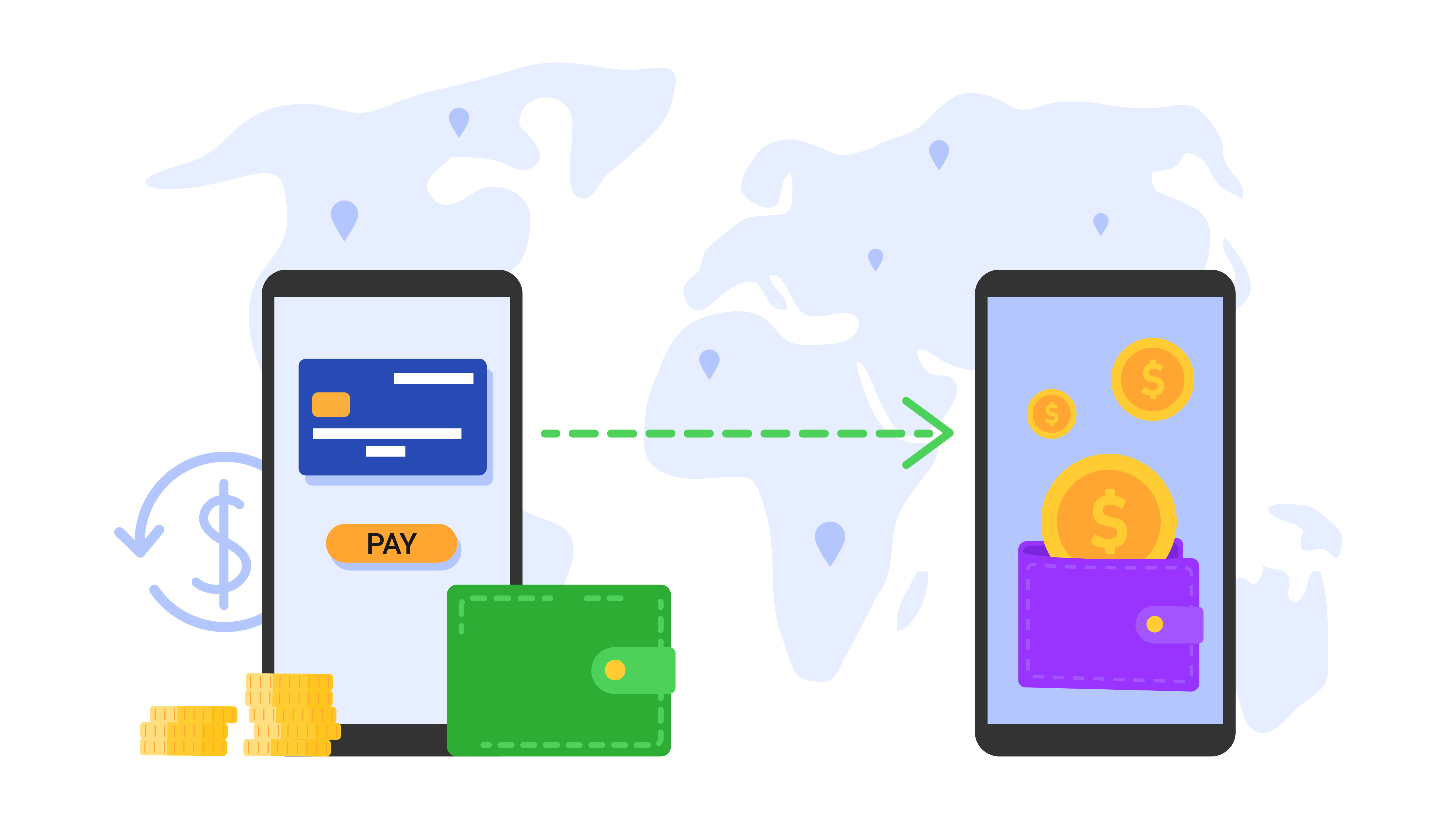
Engage legal counsel to map contributor jurisdictions against local tax and labor laws. This step ensures that the payroll rail can generate the necessary documentation for compliance. Failure to do so risks significant penalties and reputational damage.
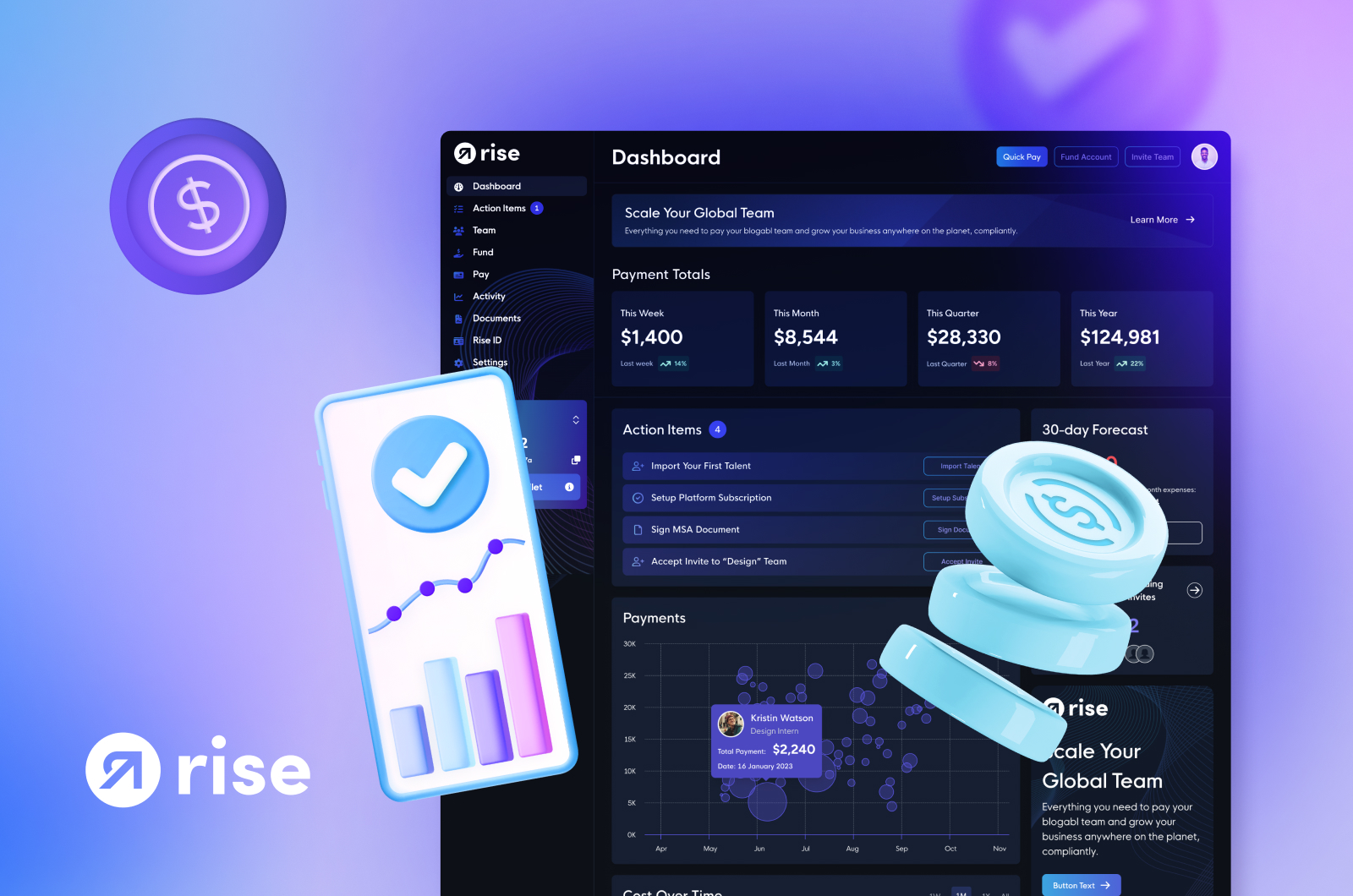
Select a payroll rail with a thoroughly audited smart contract. Review the audit report for critical vulnerabilities, particularly those related to fund access and approval logic. This verification is essential to protect treasury assets from exploits.
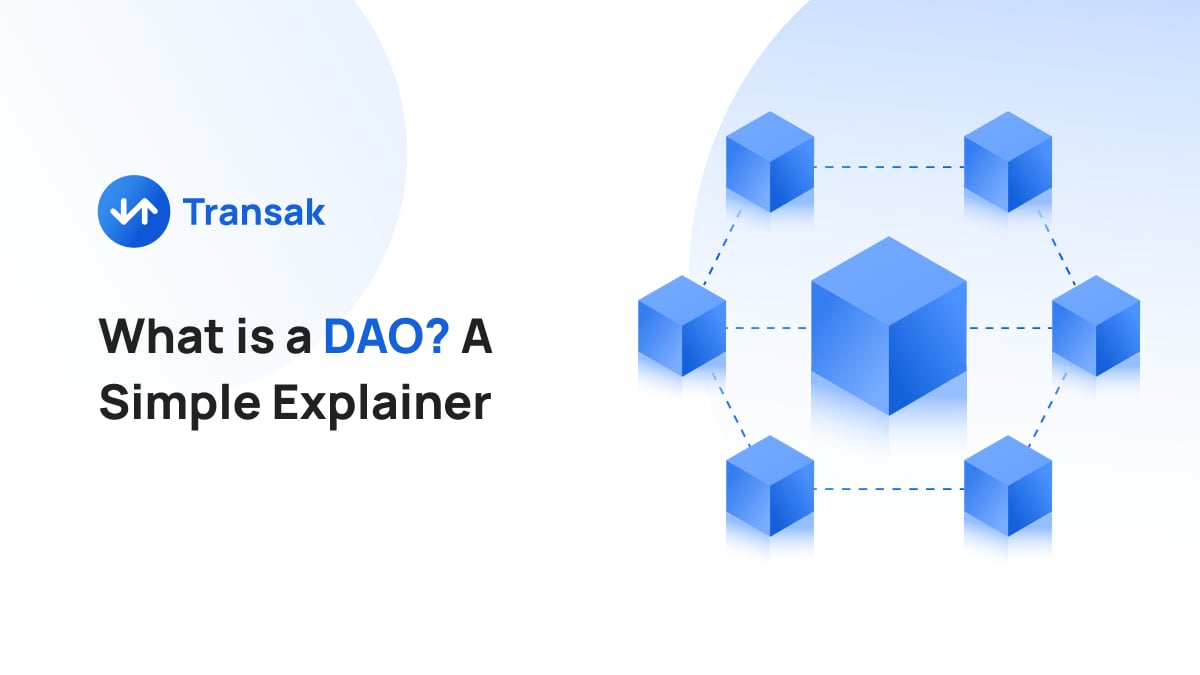
Connect the payroll rail to your treasury management system. Ensure that the rail can automatically convert volatile assets to stablecoins or fiat if necessary. This integration maintains liquidity for payroll even during market downturns.
Implement a secure onboarding process for contributors that includes KYC/AML checks. This step protects the DAO from regulatory scrutiny and ensures that payments are made to verified individuals. Use the payroll rail’s built-in verification tools if available.

Run a simulation of the entire payroll process, from approval to disbursement. Verify that all steps, including tax withholding and reporting, function as expected. This test identifies potential bottlenecks or errors before real funds are involved.
| Rail Type | Best For | Compliance Complexity |
|---|---|---|
| Smart Contract Native | Small, technical teams | Low |
| Hybrid (On-chain + Off-chain) | Mid-size teams with mixed jurisdictions | Medium |
| Full-Service Payroll Platform | Large, distributed teams | High |
Frequently asked: what to check next
Can smart contracts handle tax withholding automatically?
Current smart contract infrastructure, such as Sablier’s streaming protocols, executes payments based on immutable code rather than human discretion. While this enables real-time payroll distribution, it does not natively calculate or withhold jurisdiction-specific taxes. DAOs must integrate offchain compliance layers or third-party payroll processors to handle withholding obligations, ensuring that onchain transactions do not violate local labor and tax codes.
How do DAOs manage cross-border labor law compliance?
Cross-border DAO payroll requires navigating conflicting legal frameworks. A contributor in the EU may be classified as an employee under local laws, triggering mandatory benefits and social security contributions that a simple token transfer cannot satisfy. DAOs typically mitigate this risk by utilizing decentralized legal wrappers or engaging regulated payroll providers that can issue compliant local invoices, separating the technical payment rail from the legal employment relationship.
Is streaming payroll taxable upon receipt or vesting?
Tax authorities generally view streaming payments as taxable income at the moment the funds are received and made available to the recipient, rather than when they vest or are locked. This means contributors owe taxes on the incremental value of tokens streamed to their wallets in real-time. DAOs must provide clear transaction records to help contributors report these frequent, small-income events accurately to avoid penalties during audits.
No comments yet. Be the first to share your thoughts!