DAO payroll compliance 2026: limits to account for
DAOs face stricter regulatory enforcement in 2026, requiring immediate updates to smart contract payroll logic. This guide outlines the specific compliance shifts, from updated tax brackets to mandatory e-filing, ensuring your protocol avoids penalties.
DAO payroll compliance 2026: choices that change the plan
When selecting payroll infrastructure for 2026, prioritize options that handle automated compliance rather than just token distribution. Use the following criteria to evaluate your current or prospective payroll rails.
| Factor | What to check | Why it matters |
|---|---|---|
| Fit | Match the option to the primary use case. | A good deal still fails if it does not fit the job. |
| Condition | Verify age, wear, and service history. | Hidden condition issues erase upfront savings. |
| Cost | Compare purchase price with likely upkeep. | The cheapest option is not always the lowest-cost option. |
Step-by-step framework for the 2026 compliance shift
DAO payroll rails face a tightening regulatory environment in 2026. Smart contract tax regulations are no longer theoretical; they are enforced through mandatory e-filing rules, updated payroll tax brackets, and stricter transparency requirements. To avoid penalties, you must align your automated payroll systems with these new statutory obligations.
This framework breaks down the essential steps for compliance. It focuses on the concrete changes affecting DAOs and smart contract-based entities, ensuring your payroll processes meet the new global standards.
The IRS updates tax brackets annually for inflation. For 2026, these adjustments affect how much tax is withheld from DAO member stipends and contractor payments. Your smart contracts must pull the latest bracket data to calculate accurate withholding. Failure to update these parameters results in under-withholding, triggering penalties for both the DAO and the recipient.
2026 regulations emphasize electronic filing for all payroll tax deposits. Manual checks or delayed transfers are no longer acceptable. Set up automated triggers in your payroll rails to deposit funds on the strict schedule: April 30, July 31, October 31, and January 31. Late deposits incur significant interest charges, so your smart contracts must have sufficient liquidity buffers.
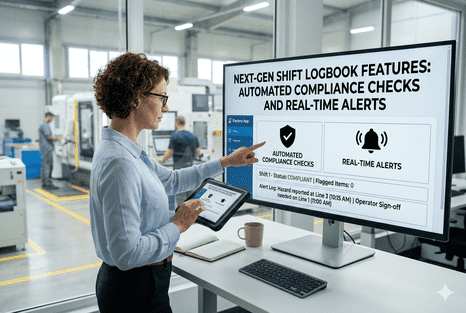
The One Big Beautiful Bill Act (OBBBA) and new pay transparency laws require clear disclosure of compensation structures. For DAOs, this means your smart contracts must expose compensation data on-chain or via a public ledger that members can easily access. Hide nothing. Transparent salary bands and bonus structures are now a legal requirement, not just a best practice.
Annual reconciliation is the final checkpoint. Ensure all W-2s and 1099s are generated accurately from your smart contract logs. Discrepancies between on-chain transactions and filed forms are a red flag for auditors. Use a dedicated payroll compliance tool to cross-reference blockchain data with IRS forms before submission.
Watchouts for DAO Payroll in the 2026 Shift
New smart contract tax regulations demand precision. DAOs often face misleading claims that automation eliminates compliance. In reality, code execution does not override statutory filing deadlines. The 2026 landscape requires strict adherence to payroll tax updates, including specific changes in regions like the ACT. Relying on outdated assumptions about decentralized governance can lead to severe penalties.
Common Mistakes in Smart Contract Payroll
Many DAOs misinterpret the five essential components of payroll. They focus on token distribution while neglecting mandatory tax deductions and reporting. For 2026, the payroll tax deduction rules have tightened. Ignoring these deductions creates liability for the protocol and its contributors. Ensure your smart contracts calculate withholdings accurately before execution.
Weak Options in Current Tools
Some payroll rails lack robust audit trails for global tax jurisdictions. This weakness is critical when managing new regulations. Choose tools that integrate directly with official tax authorities. Avoid platforms that only offer internal token ledgers without external compliance hooks. Verify that your chosen rail supports the specific payroll tax changes in your operating regions.
Managing the Compliance Checklist
Prepare for 2026 payroll compliance by reviewing IRS e-filing rules and pay transparency laws. Due dates remain fixed: April 30, July 31, October 31, and January 31. Automate reminders for these deadlines. Missteps here are costly. Use the calculator below to estimate your potential tax liability and ensure your smart contracts are aligned with these requirements.
DAO payroll compliance 2026: what to check next
The 2026 regulatory shift requires separating general payroll obligations from DAO-specific smart contract realities. The following answers address the most common objections regarding tax updates, essential components, and deduction structures.
These updates highlight why manual tracking fails in 2026. DAOs must integrate compliance logic directly into their payroll infrastructure to avoid penalties.
No comments yet. Be the first to share your thoughts!