Why onchain payroll beats manual spreadsheets
Manual payroll in decentralized autonomous organizations (DAOs) creates a compliance trap that spreadsheets cannot solve. When payouts are tracked in disconnected documents, the administrative burden grows with every contributor, introducing human error and obscuring the audit trail. This opacity triggers significant tax ambiguity. As noted by CoinLedger, while the DAO entity itself may not be taxed, individual members must report income taxes on their share of profits, making accurate attribution of every payment essential to avoid unexpected liabilities.
Onchain automation provides the structural solution by embedding payroll logic directly into smart contracts. Platforms like Sablier and Aragon replace static CSV files with continuous, verifiable payment streams. This shift strips out the manual admin steps that create room for error, ensuring that every dollar disbursed is recorded on-chain. For organizations like TransFi, this means moving from reactive bookkeeping to proactive compliance, where the blockchain itself serves as the source of truth for tax reporting.
The mechanics of onchain payroll also mitigate the risk of "fuzzy salary bounties." Without clear, automated definitions of compensation, contributors may receive irregular payments that complicate withholding and reporting. By standardizing payout flows, DAOs can ensure that contributions are compensated consistently and transparently. This clarity protects contributors from audit drama and helps the organization maintain a clean financial record.
While spreadsheets offer a familiar interface, they lack the immutability and transparency required for high-stakes financial decisions. Onchain payroll rails provide a scalable foundation for compliance, allowing DAOs to focus on governance and production rather than administrative reconciliation.
Streaming versus batch: choosing the payout flow
DAO payroll automation relies on two distinct mechanical approaches: continuous streaming and batched smart contract payments. The choice between these rails dictates how contributors receive compensation, how gas costs accumulate, and how easily the DAO can satisfy tax compliance requirements. Understanding the operational differences is essential for navigating these high-stakes financial decisions.
Continuous streaming protocols, such as Sablier, treat compensation as a real-time flow of value rather than a discrete event. In this model, tokens accrue linearly over time, allowing contributors to withdraw earned funds at any moment. This granularity provides superior transparency for tax reporting, as every transaction corresponds to a specific period of work. Sablier enables organizations to automate this process without a CFO, ensuring that payroll reflects actual time worked rather than arbitrary pay cycles [src-serp-1].
Conversely, batched payments aggregate multiple contributions into single on-chain transactions. Solutions like the Aragon DAO dApp streamline this by allowing DAOs to manage employee records and execute periodic payments in bulk. This approach reduces gas overhead by processing many payouts in one block, making it more cost-effective for large, infrequent distributions. However, the lack of granular timing can complicate income recognition for individual members [src-serp-2].
The following comparison outlines the trade-offs between these two mechanisms regarding compliance, efficiency, and integration complexity.
| Criteria | Streaming (e.g., Sablier) | Batched (e.g., Aragon) |
|---|---|---|
| Tax Reporting Clarity | High; real-time accrual matches income recognition periods. | |
| Gas Efficiency | Lower per-payout efficiency; continuous on-chain state updates. | |
| Integration Complexity | Moderate; requires logic for real-time withdrawal triggers. | |
| Cash Flow Predictability | High; contributors access funds immediately as they accrue. | |
| Administrative Overhead | Lower; automated calculation reduces manual payroll processing. | |
| Batched Tax Reporting Clarity | Lower; lump-sum payments obscure specific earning periods. | |
| Batched Gas Efficiency | Higher; single transaction serves multiple recipients. | |
| Batched Integration Complexity | Lower; standard smart contract deployment for periodic payouts. | |
| Batched Cash Flow Predictability | Lower; contributors wait for scheduled payout dates. | |
| Batched Administrative Overhead | Higher; requires manual validation before batch execution. |
For DAOs prioritizing compliance and transparency, streaming offers a clearer audit trail. Since income is recognized continuously, it aligns with many jurisdictions' requirements for accurate income reporting [src-serp-3]. Batched payments, while gas-efficient, require additional off-chain record-keeping to map lump sums to specific work periods. The decision ultimately hinges on whether the DAO values operational simplicity or granular financial precision.
Tax compliance and cross-border payment rails
Automating payroll onchain does not remove regulatory obligations; it shifts the burden from manual reconciliation to precise code execution. The primary risk is not the transfer itself, but the failure to capture the correct tax basis at the moment of settlement. When a DAO pays a contributor in stablecoins or native tokens, the transaction creates a taxable event that must be recorded with jurisdictional accuracy. Without automated rails, this tracking becomes a manual, error-prone process that invites audits.
The most reliable approach integrates Employer of Record (EOR) services directly into the payment workflow. Platforms like Aragon and specialized payroll tools can handle local compliance requirements—such as withholding and social security contributions—by converting onchain contributions into offchain legal obligations. This hybrid model ensures that contributors receive their net pay according to local labor laws, while the DAO maintains a clean, auditable trail of gross payments and tax deductions. The code executes the transfer, but the EOR handles the paperwork.
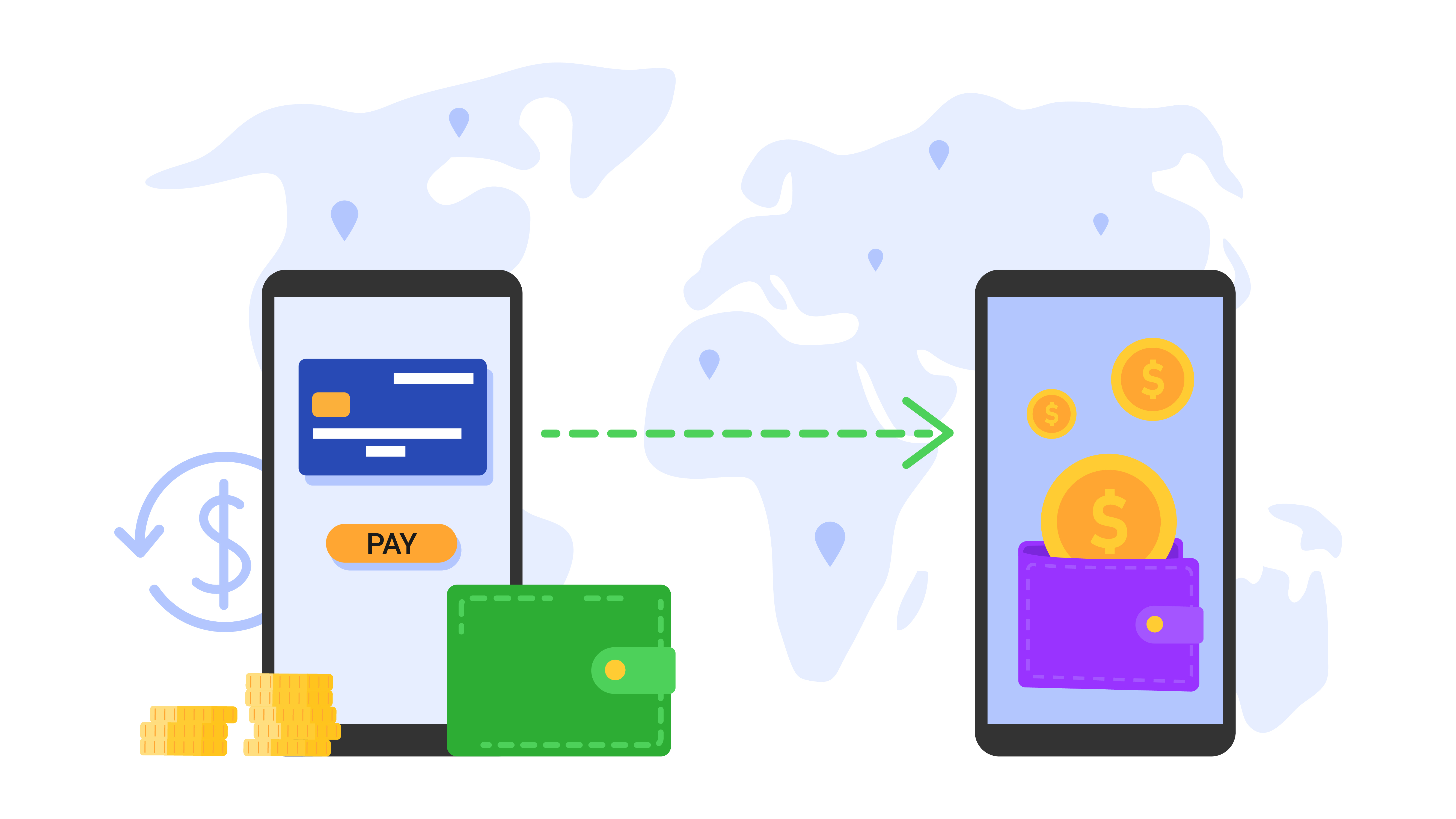
Cross-border settlement mechanics further complicate this landscape. Moving value across borders requires navigating foreign exchange controls and anti-money laundering (AML) checks. Using stablecoins like USDC can reduce friction and volatility, but it does not eliminate the need for compliant settlement layers. Tools like TransFi provide infrastructure that bridges onchain treasury management with offchain fiat payouts, ensuring that payments reach contributors in their local currency without exposing the DAO to excessive regulatory risk. This separation of onchain execution and offchain compliance is essential for scalability.
The stability of the settlement asset is a critical factor in payroll planning. Fluctuations in token value can distort net pay and complicate tax reporting. Monitoring the stability of settlement assets, such as USDC, helps DAOs maintain predictable budgeting and accurate tax records.
Jurisdictional variability remains the biggest hurdle. Tax treatment of DAO tokens, airdrops, and salary equivalents differs significantly between the US, EU, and other regions. Automated tools must be configured to reflect these differences. For example, a payment treated as a service fee in one jurisdiction might be classified as equity compensation in another. DAOs must work with legal and tax professionals to configure their automation rails correctly, ensuring that the code reflects the law, not just the ledger.
Treasury management and audit-ready reporting
Effective treasury management requires separating must-have compliance requirements from nice-to-have features. A practical payroll system must survive normal use, maintenance, timing, and budget constraints. If a recommendation only works in an ideal situation, it should be flagged with a fallback path.
Start by defining the must-have criteria: immutable audit trails, automated tax basis calculation, and jurisdictional compliance. Compare each option against these criteria before weighing secondary features like UI aesthetics or advanced governance voting mechanisms.
Implementation checklist for DAO treasurers
Adopting onchain payroll rails requires a structured rollout to mitigate compliance risks. Before automating any disbursements, treasurers must define the compensation structure and select the appropriate rail—streaming for ongoing work or batch payments for project milestones. Tools like Sablier provide granular control over cash flow, while platforms like TransFi offer infrastructure for streamlined cross-border settlements.
- Define compensation structure and tax obligations
Establish clear parameters for roles and payouts. Because DAO members often face income tax liabilities on their share of profits, accurate tracking is essential. Use official tax guidance to determine how token distributions are classified in your jurisdiction before issuing payments.
- Select and configure the payment rail
Choose between streaming protocols for continuous work or batch systems for milestone-based rewards. Integrate with an Employer of Record (EOR) if you are hiring employees in regulated jurisdictions. This hybrid approach ensures that onchain automation does not bypass local labor laws.
- Execute a testnet cycle
Run a full payroll cycle on a testnet environment. This step verifies that smart contracts execute correctly and that treasury balances are sufficient. Treat this as a dry run to identify any friction in the workflow before committing real assets.
- Launch and monitor the first live cycle
Initiate the first real payment cycle. Monitor the transaction history closely to ensure compliance with your defined structure. Use this initial run to validate that tax reporting data is being captured correctly for future audits.
FAQ: DAO payroll and tax compliance
Do DAOs have to pay taxes?
In most major jurisdictions, the DAO entity itself is not taxed as a corporation. Instead, tax liability falls on the individual members. As noted by tax specialists, while the organization may not pay corporate tax, individual contributors must report income taxes on their share of the organization's profits and compensation. This structure requires robust record-keeping to ensure that every payout can be traced back to the contributor for personal tax filing.
How are DAO members compensated?
Compensation typically flows through smart contracts using tokens or stablecoins. When members receive tokens via airdrops or direct payouts, these are generally treated as ordinary income. The taxable amount is based on the fair market value (FMV) of the token at the exact moment it becomes accessible to the recipient. Tools like Sablier allow for continuous streaming of funds, which can simplify the accounting of time-based compensation compared to traditional lump-sum payments.
Can I use smart contracts for payroll?
Yes. Protocols like Sablier allow for continuous streaming of funds, while Aragon provides governance structures. These tools automate the distribution but do not remove the obligation to report income. You must still configure them to capture the necessary tax data for your jurisdiction.
No comments yet. Be the first to share your thoughts!