Prepare the treasury and contributor data
Before writing a single line of smart contract code, you must establish the financial and data infrastructure that DAO payroll automation relies on. This phase is about setting up the treasury wallet and structuring contributor data for on-chain verification. If these prerequisites are misaligned, the automation logic will fail or expose the DAO to financial risk.
Select a stablecoin for payroll
Choose a stablecoin that aligns with your DAO’s primary currency and minimizes slippage during distribution. USDC is the most common choice for payroll due to its deep liquidity and widespread support across decentralized exchanges and wallets. Ensure the treasury holds sufficient stablecoin liquidity to cover payroll cycles without impacting the DAO’s operational reserves.
Ensure your treasury holds sufficient stablecoin liquidity (e.g., USDC, DAI) to cover payroll cycles without slippage.
Set up the treasury wallet
Create a dedicated multisig wallet for payroll disbursements. This wallet should be distinct from the DAO’s main treasury to isolate payroll transactions. Configure the multisig thresholds to require approval from key financial officers or a designated payroll committee. This step ensures that large payroll runs are not executed by a single compromised account.
Structure contributor data
DAO payroll automation requires a clean, verifiable data structure for each contributor. You need to collect and store the following on-chain identifiers:
- Wallet Address: The primary Ethereum or compatible chain address for receiving funds.
- Role and Rate: The specific role (e.g., developer, designer) and the agreed-upon payment rate.
- Verification Method: The mechanism for proving work completion, such as a Git commit hash, a snapshot ID, or a reputation score.
Store this data in a decentralized storage solution like IPFS or a structured on-chain registry. This data will serve as the input for your smart contract’s payment logic, ensuring that payments are sent only to verified contributors at the correct rates.
Deploy the payroll smart contract
Deploying the DAO payroll automation contract requires moving from local testing to a live environment with strict security controls. This section outlines the technical steps to deploy a contract that handles role-based access and automated payments.
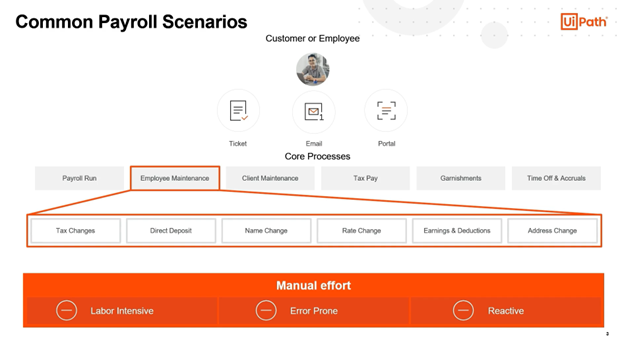
Start by choosing a contract template that supports role-based access control (RBAC). Most DAO payroll automation systems require a distinction between a "treasurer" who can add contributors and a "multisig" that approves payments. Configure the initial state variables, such as the payment currency (e.g., USDC, DAI) and the payout frequency (weekly, monthly).
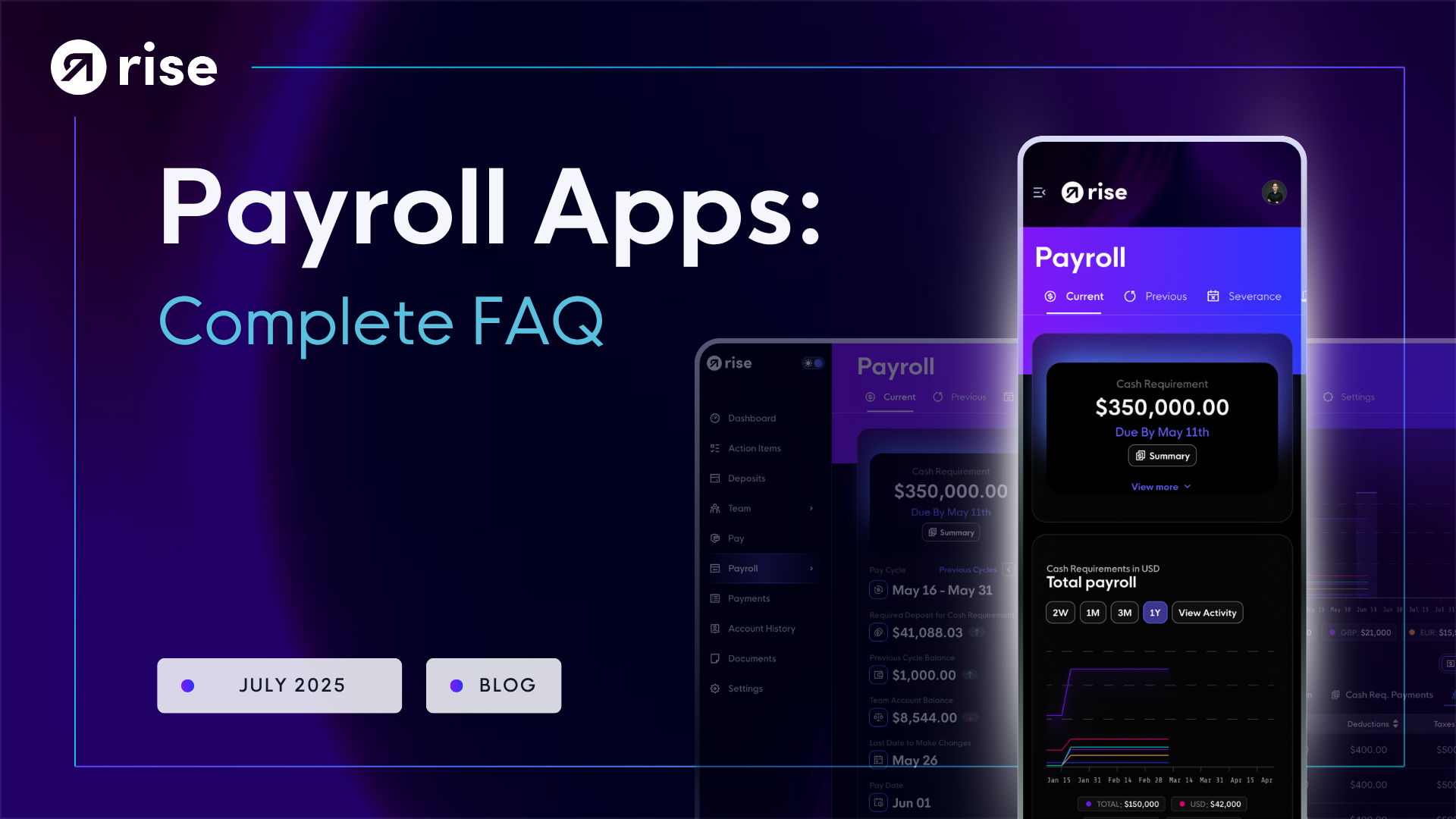
Before deploying to mainnet, run your contract on a local Ethereum fork (using Hardhat or Foundry) or a public testnet like Sepolia. Verify that the RBAC logic correctly restricts unauthorized addresses from calling the payment function. Test edge cases, such as zero-value payments or contributions with missing metadata, to ensure the contract reverts safely rather than hanging.

Even simple payroll contracts are high-value targets. If you are using a standard library like OpenZeppelin, a basic internal review may suffice. For custom logic, engage a professional auditor or use automated tools like Slither. Focus on reentrancy vulnerabilities and integer overflow protection, though the latter is less critical in Solidity 0.8+.
Once the audit is complete, deploy the contract to the mainnet. Verify the source code on Etherscan or Blockscout immediately. This transparency allows the DAO community to inspect the code and verify that the deployed bytecode matches the audited source. Set up a monitoring script to alert the treasury if any unexpected transactions occur.
After deployment, the contract logic can be simplified for clarity. The core payment function typically checks if the caller has the TREASURER role and then transfers the specified amount to the contributor.
This deployment process ensures that the system is secure, transparent, and ready for real-world use.
Configure automated payment schedules
Building a robust payroll system works best as a sequence, not a scramble through settings. Do the minimum first: confirm compatibility, connect the core hardware, update only when needed, and test the result before adding optional features. That order keeps the task understandable and makes failures easier to isolate.
Handle tax compliance and reporting
Generating on-chain transactions is only half the battle. The other half is translating those raw blockchain events into formats that traditional tax authorities and accounting software can understand. Without this bridge, payroll efforts remain opaque to auditors and risky for contributors.
Export and reconcile on-chain data
Start by exporting your payroll logs directly from your smart contract or the DAO treasury dashboard. Most automation tools allow you to pull transaction hashes, timestamps, and amounts in CSV or JSON format. This raw data is your source of truth.
Next, reconcile these figures against your internal contributor records. Match each on-chain payment to a specific invoice, role, or milestone completion. This step ensures that the blockchain record aligns with your legal agreements, preventing discrepancies during an audit.
Map transactions to tax categories
Not all crypto payments are treated the same. You must categorize each payout based on the contributor’s status and local regulations. For example, payments to US-based contractors may require 1099-NEC reporting, while international contributors might fall under different withholding rules.
Use a tax-compliant payroll tool or a dedicated crypto accounting platform to automate this mapping. These tools can tag transactions with the correct expense codes, such as "Contractor Services" or "Platform Fees," ensuring your books are ready for filing.
Generate compliance-ready reports
Once your data is exported and categorized, generate the final reports. These should include a summary of total payouts, individual contributor earnings, and any applicable tax withholdings. Many jurisdictions require these reports to be filed quarterly or annually.
Keep these records secure and accessible. Automating this final step means your system doesn’t just pay people—it also keeps you compliant, reducing legal overhead and building trust with your contributors.
Verify payments and update records
Once the smart contract executes the distribution, the work isn't finished until you confirm the on-chain state and sync it with your internal records. This step closes the loop on the payroll process, ensuring that every contributor sees their compensation reflected accurately across both the blockchain and your organization's ledger.
Start by checking the transaction hash on a block explorer like Etherscan or Solscan. Verify that the transaction status is Success and count the required block confirmations to prevent reorganization risks. For Ethereum, relying on a single confirmation is risky; wait for the network to finalize the block before proceeding. If the transaction fails, check the error logs to see if it was due to insufficient gas or a reverted function call, then adjust and retry.
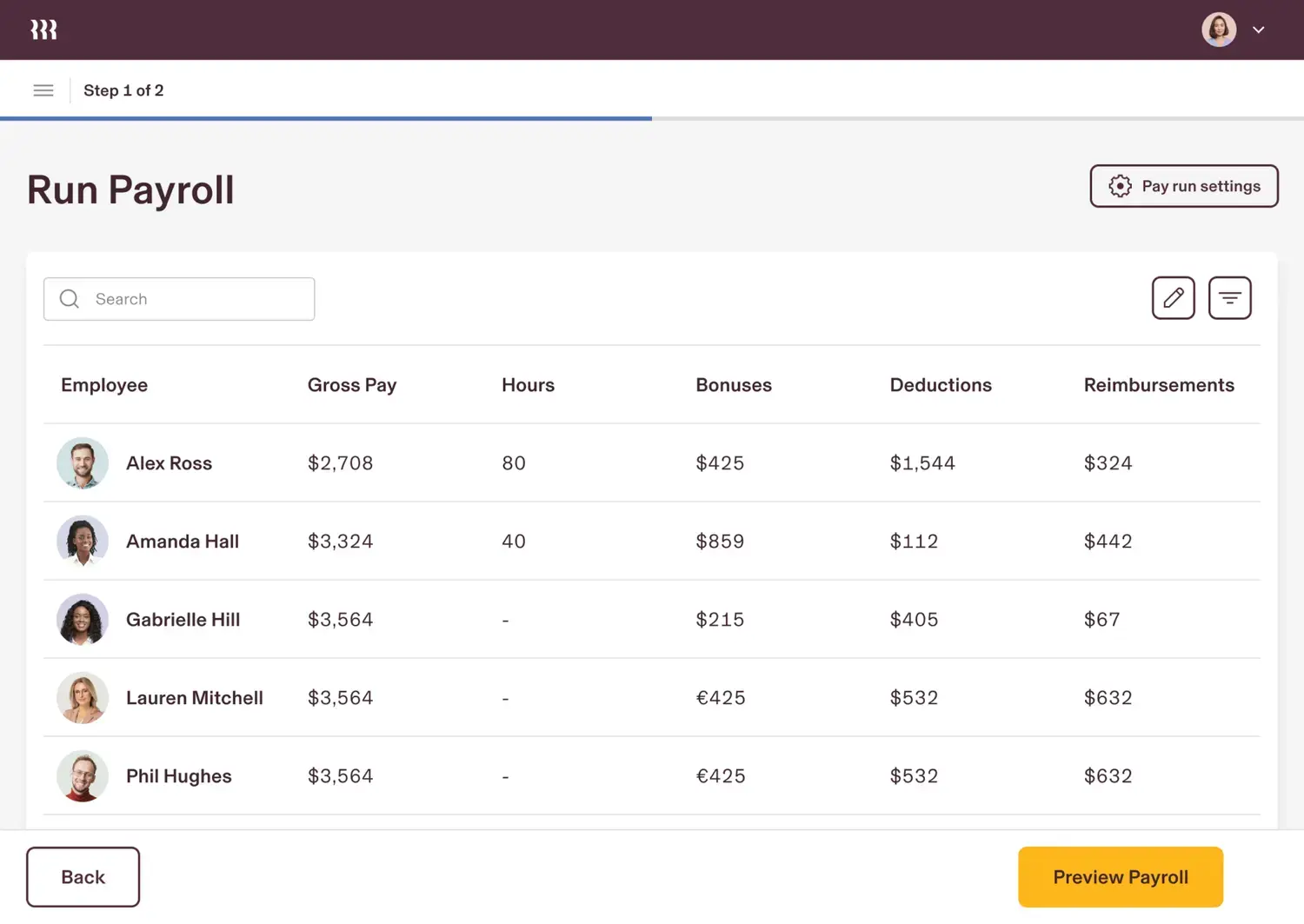
After confirming the blockchain state, update your internal DAO records. This involves logging the transaction hash, timestamp, and individual payout amounts into your contributor dashboard or spreadsheet. This dual-record approach provides transparency for members while keeping your administrative data organized for tax and governance reporting.
-
Confirm transaction status is "Success" on block explorer
-
Wait for minimum block confirmations (e.g., 12+ for Ethereum)
-
Log transaction hash and payout details in internal ledger
-
Notify contributors via Discord or email with proof of payment
No comments yet. Be the first to share your thoughts!