Why onchain payroll beats traditional rails
Traditional payroll systems rely on fragmented workflows: spreadsheets, bank transfers, and manual reconciliation. For a DAO, this creates a bottleneck where administrative overhead consumes more resources than the work itself. Onchain payroll replaces these legacy rails with smart contracts that execute payments automatically based on verified contributions.
The primary advantage is the elimination of administrative friction. By moving payroll onchain, organizations strip out the middlemen and reduce the room for human error. Sablier and similar protocols allow any organization to set up real-time token payroll in minutes, scaling from one contributor to thousands without additional administrative load. This shift transforms payroll from a monthly administrative burden into a continuous, automated function.
Transparency is the second critical benefit. Every transaction is recorded on the blockchain, providing an immutable audit trail that is accessible to all token holders. This level of visibility is impossible to achieve with offchain bank statements or private payroll software. It builds trust within the community by ensuring that funds are distributed exactly as the smart contract dictates, without hidden fees or delayed processing.
Onchain payroll offers superior speed and global accessibility. Contributors in different time zones receive payments instantly, without waiting for bank clearing times or dealing with cross-border transfer fees. This immediacy is crucial for maintaining morale and ensuring that remote workers are compensated fairly and promptly, regardless of their location.
Streaming versus lockup flows
The choice between streaming and lockup smart contract payroll models determines how capital efficiency and cash flow risk are managed within a DAO. Streaming protocols like Sablier distribute tokens continuously as work is performed, while lockup flows release fixed amounts at set intervals. This distinction is not merely technical; it dictates the treasury's exposure to market volatility and the administrative burden of compliance.
Streaming functions like a utility meter. Tokens are transferred in real-time based on time elapsed. This model aligns compensation directly with active contribution and reduces the risk of overpaying for inactive periods. However, it requires a treasury that can maintain sufficient liquidity at all times. Lockup flows operate like a traditional monthly salary, aggregating value and releasing it in chunks. This approach allows for better capital allocation but introduces a lag between work performed and payment received.
| Feature | Streaming (e.g., Sablier V2) | Lockup (e.g., Sablier Lockup) |
|---|---|---|
| Distribution | Real-time, continuous | Periodic, fixed intervals |
| Cash Flow | High liquidity demand | Predictable, batched |
| Gas Costs | Higher frequency, lower per-tx | Lower frequency, higher per-tx |
| Use Case | Freelancers, active contributors | Full-time staff, grants |
| Reversibility | Partially refundable | Irreversible after lock |
For DAOs managing cross-border payments, the choice often hinges on the stability of the underlying asset. When paying in volatile assets, streaming allows contributors to exit positions immediately, reducing their own risk. When paying in stablecoins, lockup flows may offer gas efficiency by batching transactions. The decision should reflect the DAO's treasury strategy and the contributors' preference for liquidity versus predictability.
Implementing automated payroll with smart contracts
Building a DAO payroll system requires moving from manual approvals to code-enforced distribution. The architecture typically relies on a multisig wallet to authorize transactions and a smart contract protocol to execute them. This structure ensures that funds are released only when governance conditions are met, reducing the administrative overhead and fraud risk associated with traditional banking rails.
The first phase involves defining the token standard and vesting logic. Most DAOs use ERC-20 tokens or stablecoins like USDC to ensure value stability. You must decide whether to use a batched payment model or a streaming model. Batched payments are simpler to audit but lack real-time liquidity for contributors. Streaming protocols allow members to withdraw earned funds continuously, which is critical for global teams dealing with volatile exchange rates or banking restrictions.
Next, integrate the payroll logic with a decentralized application (dApp) like Aragon or a streaming protocol like Sablier. Aragon provides a comprehensive dApp ecosystem where you can manage employee records and automate recurring payments. Sablier, conversely, focuses on real-time money streaming, allowing you to set up payroll in minutes without a CFO. Both options require connecting your multisig wallet to authorize the contract interactions.
Before deploying to mainnet, rigorous testing on a testnet is mandatory. Use tools like Hardhat or Foundry to simulate payment cycles and verify that the multisig thresholds are correctly enforced. Once the code is audited and tested, the deployment process involves initializing the contract parameters and linking it to your treasury. This final step activates the automated payroll system, shifting the burden of compliance and distribution from human operators to immutable code.
Select the ERC-20 token or stablecoin for compensation. Configure the vesting schedule, whether it is a one-time batched payment or continuous streaming, and set the payment frequency to align with contributor expectations.
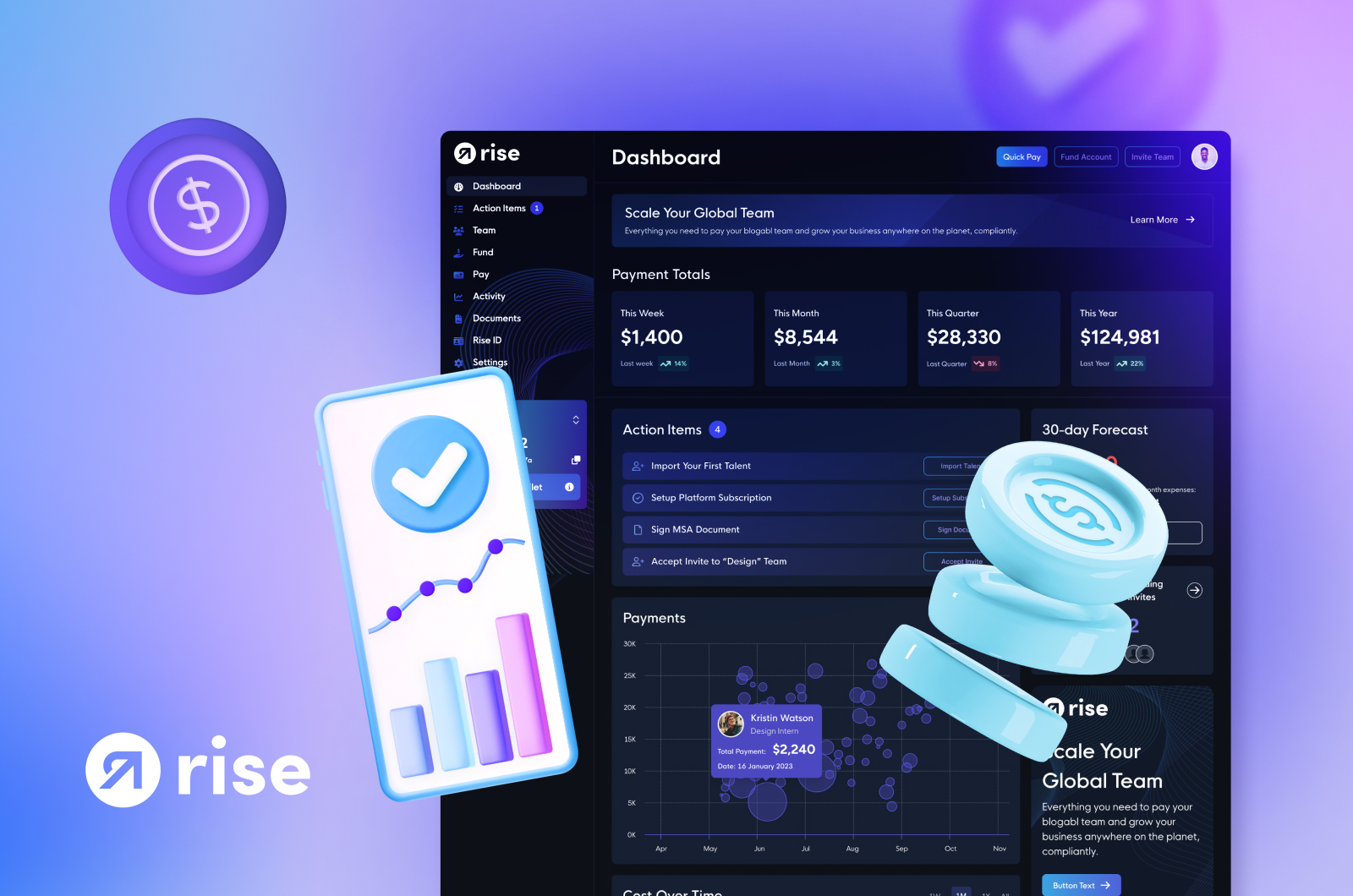
Connect your multisig wallet to a payroll dApp. Aragon offers a full HR management interface for decentralized organizations, while Sablier provides lightweight, real-time streaming capabilities for startups and DAOs.
Deploy the contract to a testnet environment. Simulate multiple payment cycles to verify that the multisig approval thresholds work correctly and that funds are distributed as intended without errors.
After successful testing and audit, deploy the contract to the mainnet. Link the contract to your treasury wallet and activate the payroll schedule. Monitor the first cycle closely to ensure smooth execution.
Navigating tax compliance and reporting
DAO payroll automation introduces a complex legal layer that traditional entities rarely face. When smart contracts execute payouts automatically, the distinction between employee wages, contractor fees, and equity distributions often blurs. Without structured payout flows, these transactions can trigger unintended tax liabilities, withholding requirements, and reporting obligations across multiple jurisdictions.
The primary risk lies in the lack of centralized oversight. In a traditional company, HR and finance teams categorize payments before they leave the bank. In a DAO, the code determines the flow. If the smart contract does not explicitly account for tax classification, contributors may receive gross amounts that are fully taxable, while the DAO fails to report necessary withholdings to authorities. This mismatch can lead to severe penalties during an audit.
To mitigate this, DAOs must implement structured payout flows that separate taxable income from non-taxable distributions. For example, using stablecoin rails for salary payments ensures a predictable fiat-equivalent value for tax reporting, while token-based rewards can be structured as deferred compensation or equity grants. This separation allows the DAO to maintain clear records for each contributor, simplifying the generation of 1099s or equivalent forms in the US, or VAT/GST reports in the EU.
Transparency is a double-edged sword. While blockchain transactions are public, they do not inherently include tax metadata. DAOs should consider using privacy-preserving oracle services or off-chain reporting tools that map on-chain wallet addresses to verified contributor identities. This ensures that when tax season arrives, the DAO has the necessary documentation to prove the nature of each payment, protecting both the organization and its members from regulatory scrutiny.
Tracking performance with onchain data
Onchain payroll transforms treasury management from a reactive accounting exercise into a transparent, real-time audit trail. Every stablecoin transfer is immutably recorded, linking compensation directly to specific governance milestones or contributor activity logs. This visibility allows DAOs to verify that treasury outflows align with approved budgets and on-chain performance metrics.
The stability of the payment rail is critical for predictable payroll operations. Using a major stablecoin like USDC ensures that contributors receive consistent value, minimizing volatility risk for both the treasury and the recipient. The technical chart below illustrates the recent price action and liquidity depth of USDC, confirming its suitability as a reliable settlement layer for recurring payroll obligations.
For organizations requiring granular oversight, platforms like Aragon provide dedicated dApps that automate these payments while generating comprehensive statistics. These tools allow administrators to track payment history, manage contributor roles, and monitor treasury health without manual reconciliation, reducing the administrative overhead typically associated with decentralized workforce management.
No comments yet. Be the first to share your thoughts!