Why onchain payroll beats traditional systems
Traditional payroll relies on legacy banking rails that are slow, fragmented, and geographically constrained. For a DAO operating across multiple time zones, waiting days for wire transfers or navigating foreign exchange fees undermines operational agility. Onchain payroll automation replaces these processes with stablecoin rails, enabling instant settlement and global accessibility without intermediary bank friction.
The core advantage is the removal of administrative overhead. Legacy systems require manual reconciliation, compliance checks, and third-party processors that introduce latency. In contrast, DAO payroll automation leverages smart contracts to execute payments automatically based on predefined rules. This shifts payroll from a reactive administrative task to a proactive, real-time operational function. Organizations can set up real-time token payroll in minutes, paying single contributors or thousands of participants without traditional CFO infrastructure.
| Feature | Traditional Banking Rails | Onchain Payroll (Stablecoins) |
|---|---|---|
| Settlement Time | 1-5 business days | Seconds to minutes |
| Global Accessibility | Limited by banking corridors & FX fees | Borderless; accessible to anyone with a wallet |
| Administrative Overhead | High (manual reconciliation, compliance) | Low (automated via smart contracts) |
| Cost Structure | Wire fees, FX spreads, processor fees | Network gas fees (typically lower) |
| Transparency | Opaque; limited visibility into status | Fully onchain; real-time tracking |
This transition aligns financial infrastructure with the decentralized nature of modern organizations. By eliminating traditional banking intermediaries, DAOs reduce costs, minimize errors, and ensure contributors are paid accurately. The result is a resilient payroll system that scales with the organization's growth.
Reduced administrative costs and faster settlement times contribute to improved cash flow management. For DAOs, this means more resources can be allocated to core activities rather than overhead. As the industry matures, the adoption of stablecoin rails for payroll is likely to become a standard practice, driven by clear advantages in speed, cost, and accessibility.
Streaming flows versus batch settlements
DAOs generally choose between two technical architectures for payroll: continuous streaming or periodic batch transfers. The decision dictates how liquidity is managed, how tax obligations are calculated, and how contributors perceive the reliability of their income.
Continuous streaming
Streaming protocols like Sablier treat salary as a continuous flow of tokens rather than a discrete event. Contributors receive payments in real time, proportional to the exact second worked. This approach mirrors traditional hourly wage structures but removes banking latency. For organizations, it allows for precise proration if a contributor leaves mid-cycle; funds stop flowing the moment the contract ends, preventing overpayment and reducing administrative friction.
Periodic batch settlements
Batch settlements operate on a fixed schedule, typically monthly or bi-weekly, using tools like the Aragon DAO dApp or standard ERC-20 transfer functions. Tokens are locked or allocated in advance, then distributed in a single transaction to all recipients. This method is computationally cheaper on-chain and easier for contributors to budget around, as they know the exact date and amount of their deposit. However, it requires manual reconciliation if headcount changes mid-period.
Comparison: Flow vs. Batch
The table below outlines the operational trade-offs between these two models.
| Feature | Streaming (e.g., Sablier) | Batch (e.g., Aragon) |
|---|---|---|
| Liquidity Access | Real-time; funds available immediately | Delayed; available on pay date |
| Tax Reporting | Complex; requires tracking daily accruals | Simple; single taxable event per period |
| Overpayment Risk | Near zero; stops on departure | High; requires manual clawback |
| Gas Costs | Higher per unit of time | Lower per contributor |
| Contributor Preference | Preferred for hourly/freelance work | Preferred for salaried roles |
Choosing the right rail
Streaming flows are ideal for high-turnover environments, freelance networks, or projects where work is billed hourly. The ability to stop payment instantly reduces financial risk for the DAO treasury. Batch settlements suit stable, long-term teams with fixed salaries. The predictability of monthly deposits aligns better with traditional financial planning, and the lower gas overhead makes it more efficient for large contributor bases.
Integrating multisig governance with payroll
Treasury security in a DAO relies on separating the creation of payroll data from the authorization of fund transfers. While automation tools like Sablier handle the continuous flow of tokens based on predefined streams, the execution of these flows often requires a final security gate. This is where Safe Multisig wallets come into play, ensuring that no single entity can unilaterally drain the treasury.
The workflow begins with the payroll engine generating a batch of transactions. These transactions are then submitted to a Safe Multisig contract. Before any funds move, the required number of signers—typically core contributors or governance council members—must review and approve the batch. This step prevents unauthorized outflows and ensures that every payment aligns with the current budget and headcount.
This integration creates a robust audit trail. Each approval is recorded on-chain, providing transparency for token holders. If a discrepancy arises, the multisig mechanism allows for a pause, giving the community time to investigate before funds are released. This balance between automated efficiency and manual oversight is critical for high-stakes treasury management.
| Feature | Single Sig | Safe Multisig |
|---|---|---|
| Authorization | One person | Multiple signers |
| Risk of theft | High | Low |
| Auditability | Basic | Detailed |
| Recovery | Difficult | Configurable |
For context on market conditions affecting treasury valuations, monitoring key assets is essential.
Treasury health and stablecoin volatility
Paying contributors in stablecoins introduces a hidden risk: the treasury’s native assets may not hold their value against the payroll currency. If a DAO holds 90% of its reserves in volatile tokens like ETH or BTC, a sudden market dip can erode the real-world purchasing power of funds earmarked for monthly salaries. This mismatch between asset liquidity and payroll obligations creates a liquidity trap where the treasury appears solvent on paper but lacks the stable value needed to meet immediate obligations.
To mitigate this, DAOs must treat stablecoin reserves as a distinct operational layer separate from long-term investment capital. The goal is to maintain a rolling buffer of USDC or USDT sufficient to cover at least two to three months of payroll, regardless of broader market conditions. This buffer acts as a shock absorber, ensuring that contributor payments continue uninterrupted even during periods of high volatility or regulatory uncertainty.
The following chart illustrates the stability of USDC against the US dollar, the primary benchmark for treasury liquidity management in DAO payroll systems.
Treasury diversification is not just about maximizing yield; it is about ensuring solvency in the currency of record. A robust treasury strategy separates speculative growth assets from operational liquidity, preventing the need to sell core holdings at a loss to cover payroll. This separation is critical for maintaining trust and operational continuity in decentralized organizations.
Compliance and tax reporting for crypto payroll
Automated payroll on stablecoin rails transforms tax reporting from a forensic nightmare into a streamlined audit trail. Unlike traditional fiat transfers that often require reconciling bank statements against internal spreadsheets, onchain transactions provide an immutable, timestamped ledger of every payment. This transparency simplifies the generation of 1099s for contractors and K-1s for DAO members, reducing the risk of human error and compliance gaps.
The regulatory landscape for digital assets remains fragmented, but the underlying accounting principles are consistent. Every stablecoin transfer is a verifiable event that can be tagged with contributor roles and payment dates. This data integrity allows DAOs to produce accurate tax documents with minimal manual intervention, ensuring that both the organization and its contributors meet their filing obligations without guessing at historical balances.
Onchain data simplifies 1099/K-1 generation but does not replace legal counsel.
While automation handles the data aggregation, the classification of payments—whether as wages, equity, or profit-sharing—still requires careful legal interpretation. DAOs should use the immutable records generated by their payroll smart contracts as the primary source of truth for their tax preparers, bridging the gap between decentralized operations and centralized regulatory requirements.
Steps to launch automated payroll
Transitioning from manual transfers to automated stablecoin rails requires a structured deployment. This checklist guides you from protocol selection to the first live payment, ensuring your DAO’s treasury operations are secure and compliant.
1. Select the streaming protocol
Choose a platform that supports continuous flow rather than batched transfers. Sablier is a primary standard for this model, allowing you to set up real-time token payroll in minutes. It handles the logic of paying contributors by the second, reducing the administrative burden on your treasury.
Identify a protocol that supports continuous flow rather than batched transfers. Sablier is a primary standard for this model, allowing you to set up real-time token payroll in minutes. It handles the logic of paying contributors by the second, reducing the administrative burden on your treasury.
Link the payment contract to your DAO’s multisig wallet. Define who can approve payouts and set spending caps. This step ensures that no single individual can drain funds, maintaining the security integrity of your automated payroll system.
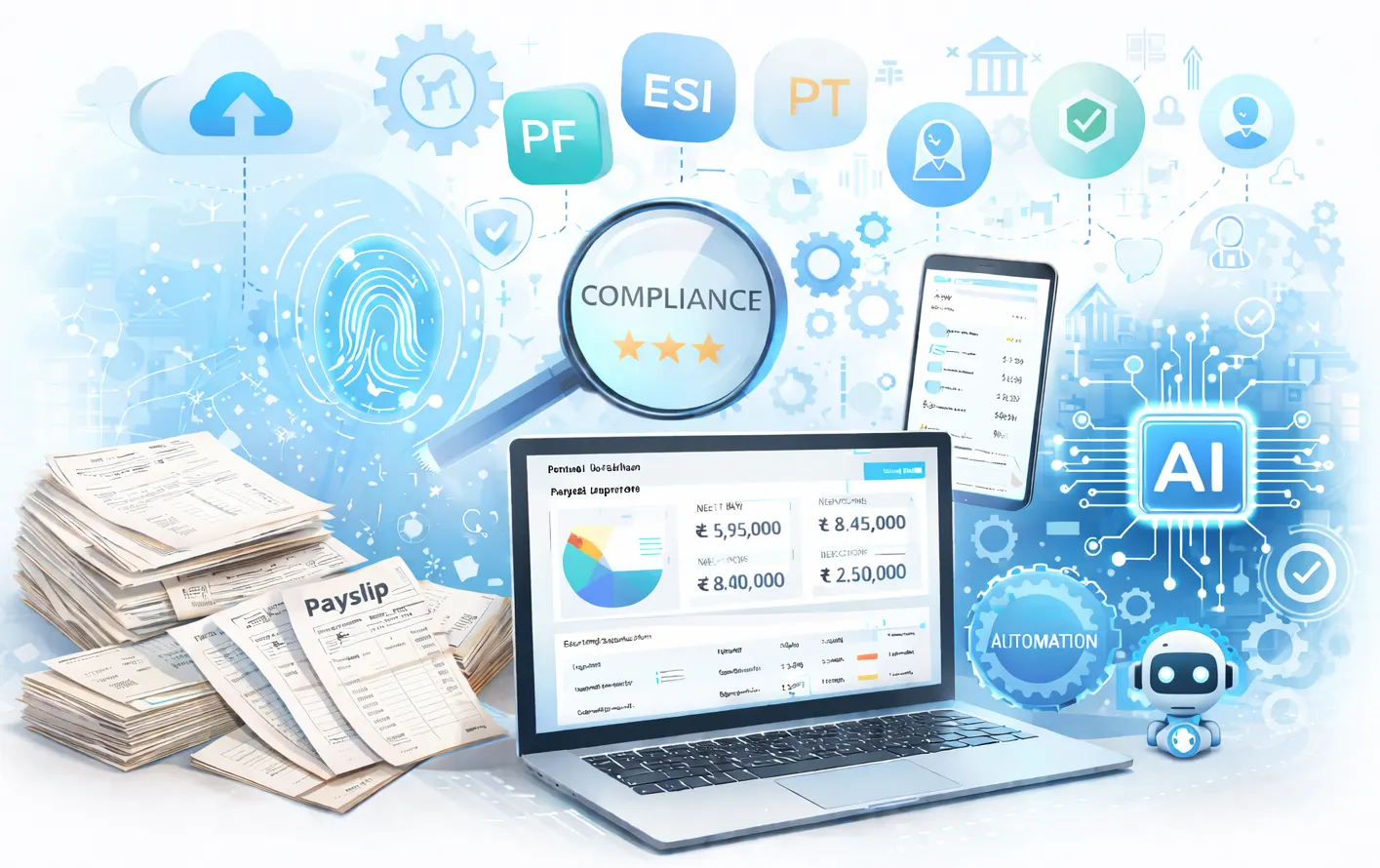
Prepare a CSV file containing contributor addresses, token types, and flow rates. Import this data into your chosen protocol. Verify that all wallet addresses are correct to prevent irreversible errors during the initial deployment.
Run a simulation or a live test with a minimal amount of stablecoins. Confirm that the streaming logic executes correctly and that contributors receive the funds as expected. This dry run validates your configuration before full deployment.
Activate the payroll stream for all contributors. Monitor the first few cycles closely to ensure stability. Once confirmed, the system will handle ongoing payments automatically, freeing your team to focus on governance and development.
| Feature | Manual Transfer | Automated Streaming |
|---|---|---|
| Speed | Days | Seconds |
| Accuracy | Prone to error | High |
| Overhead | High admin load | Low |
Common questions about onchain payroll
DAOs increasingly use stablecoin rails to automate payroll, but the ecosystem offers distinct approaches for different operational needs. Understanding the capabilities of these systems helps teams choose the right infrastructure for 2026.
Is there a way to automate payroll?
Yes. DAOs can automate payroll using smart contract-based platforms like Sablier or Aragon. These tools allow organizations to set up real-time token payroll, paying contributors continuously as work is performed rather than on fixed monthly cycles. This reduces administrative overhead and ensures immediate liquidity for team members.
Can payroll be fully automated?
Onchain payroll can be fully automated for standard contributions, handling calculations, tax withholdings (via integration), and distribution without human intervention. However, complex compensation structures, equity grants, or dispute resolutions often still require a human-in-the-loop to manage edge cases that smart contracts cannot anticipate.
What are the 4 types of payroll systems?
Traditional payroll systems fall into four categories: manual processing, payroll software, outsourced services, and Professional Employer Organizations (PEOs). In the DAO context, "manual processing" is replaced by onchain automation protocols. DAOs typically adopt either self-custodied smart contract systems (like Sablier) or managed DAO treasury tools that act as the outsourced service layer.
Can ChatGPT do payroll?
ChatGPT and generative AI cannot directly execute payroll transactions or manage treasury funds. They serve as auxiliary tools for drafting payroll policies, generating compliance reports, or analyzing payroll data patterns. The actual execution of stablecoin payments requires a secure, audited smart contract or a dedicated payroll dApp to handle the financial transfers.
No comments yet. Be the first to share your thoughts!