Why 2026 Changes DAO Payroll Rules
The regulatory landscape for decentralized organizations has shifted from a gray area to a high-stakes compliance environment. For DAOs managing global contributors, 2026 marks a turning point where manual payroll processes are no longer just inefficient—they are legally dangerous. New federal and state regulations are closing loopholes that previously allowed decentralized entities to bypass standard tax reporting obligations.
The primary driver of this urgency is the convergence of stricter IRS e-filing rules and emerging pay transparency laws. As noted in the 2026 Payroll Compliance Checklist, organizations must now prepare for updated payroll tax changes that specifically target the classification of remote and cross-border workers. For a DAO, where contributors may be located in dozens of jurisdictions simultaneously, this creates a complex web of reporting requirements that manual spreadsheets cannot safely manage.
The financial risk of ignoring these changes is substantial. Industry analysis indicates that the average cost of payroll noncompliance now exceeds $845 per employee per year [src-serp-4]. When applied to a DAO with a large, distributed contributor base, these penalties can quickly drain treasury funds. In addition, 2026 is being cited as one of the most challenging compliance years yet due to the rapid implementation of these new standards [src-serp-4].
Manual processes are particularly vulnerable in this environment. Without automated systems to track jurisdictional changes and update tax tables in real time, DAOs risk failing to file federal taxes, state reports, or proper withholding forms. The legal exposure extends beyond fines; it includes potential audits and reputational damage that can undermine the decentralized governance model. Automating compliance is no longer an optional efficiency—it is a critical defense against regulatory penalties.
2026 Regulatory Shifts for Web3 Teams
DAOs operating in 2026 face a convergence of federal and state mandates that remove the ambiguity of previous years. The regulatory landscape has shifted from advisory guidance to strict enforcement, with specific focus on payroll reporting, data privacy, and digital filing protocols. For any entity distributing token-based compensation, failure to align with these new standards invites severe financial penalties and potential operational shutdowns.
IRS E-Filing Mandates
The IRS has accelerated the transition to fully digital tax administration. For 2026, the mandate for electronic filing of information returns, including Forms 1099 and 1042-S, is now absolute for most entities, with limited exceptions for specific hardship waivers. Paper filings are increasingly rejected or subject to higher penalty tiers. DAOs must ensure their payroll software integrates directly with the IRS Modernized e-File (MeF) system to avoid processing delays that trigger late-filing penalties.
OBBBA Reporting Requirements
The Online Baseball and Basketball Business Act (OBBBA) introduces new transparency requirements for digital asset compensation. While originally targeted at gaming, recent interpretations extend to any platform distributing value based on user activity or governance participation. DAOs must now report the fair market value of token distributions at the time of vesting or distribution, treating them as taxable income for recipients. This requires precise timestamping and valuation records that can withstand IRS audit scrutiny.
State Privacy Law Tightening
State-level privacy laws are now explicitly covering payroll and compensation data. California, Colorado, and Virginia have updated their regulations to require strict data minimization and purpose limitation for employee financial information. DAOs collecting wallet addresses, tax IDs, and compensation history must implement granular access controls and provide clear opt-out mechanisms for data sharing with third-party payroll processors. Non-compliance can result in significant fines per violation, separate from tax penalties.
Automating Global Contractor Payments
Manual payroll rails for global teams are a liability trap. In 2026, the cost of misclassifying a contractor or missing a cross-border withholding deadline is no longer just a late fee; it is a regulatory breach that can trigger audits in multiple jurisdictions. DAO payroll compliance 2026 requires moving beyond spreadsheets to automated rails that handle classification logic and tax remittance in real time.
Manual processing forces finance teams to manually verify worker status against local labor laws—a task prone to human error. Automation embeds compliance checks directly into the payment workflow. The system validates contractor classification against local regulations before funds are disbursed, ensuring that tax withholdings are calculated correctly for each specific jurisdiction. This reduces the risk of retroactive tax liabilities and penalties that often arise from inconsistent manual handling.
| Feature | Manual Payroll Processing | Automated DAO Rails |
|---|---|---|
| Classification | Manual verification, high error risk | Automated logic checks against local laws |
| Tax Withholding | Manual calculation, prone to mistakes | Real-time calculation per jurisdiction |
| Remittance Speed | Days or weeks of processing | Near-instant automated filing |
| Audit Trail | Fragmented spreadsheets and emails | Centralized, immutable transaction logs |
The transition to automated rails also solves the visibility problem. When payments are processed through a unified system, every transaction is tagged with the relevant tax codes and compliance metadata. This creates a clean audit trail that satisfies regulatory bodies in the US, EU, and other key markets. For DAOs operating across borders, this level of transparency is not optional; it is the foundation of legal operation.

Calculate Your DAO Payroll Compliance Costs
DAO payroll compliance 2026 is no longer a theoretical risk; it is a tangible liability. The 2026 wage base for Social Security is set at $184,500, with a 6.2% match required from both the entity and the worker [src-serp-5]. For decentralized organizations, failing to track this cap across global contractors can trigger severe IRS penalties and back-taxes that threaten the protocol’s treasury.
Estimate your annual exposure using the tool below. Input your contractor count and average monthly payout to see the projected tax liability and estimated filing fees. This calculation highlights the gap between simple payments and full regulatory adherence.
Remember that this estimate covers only federal statutory costs. State-level reporting, local business licenses, and potential penalty risks for late filings can double these figures. Accurate DAO payroll compliance 2026 requires precise tracking of every payout to avoid these hidden liabilities.
Audit Your Current Payroll Setup
Before the 2026 regulatory deadlines hit, you must stress-test your DAO’s payroll infrastructure. The penalty for non-compliance is not just a fine; it is the potential loss of your decentralized status and personal liability for signers. This audit ensures your automated systems align with the strictest global tax reporting standards.
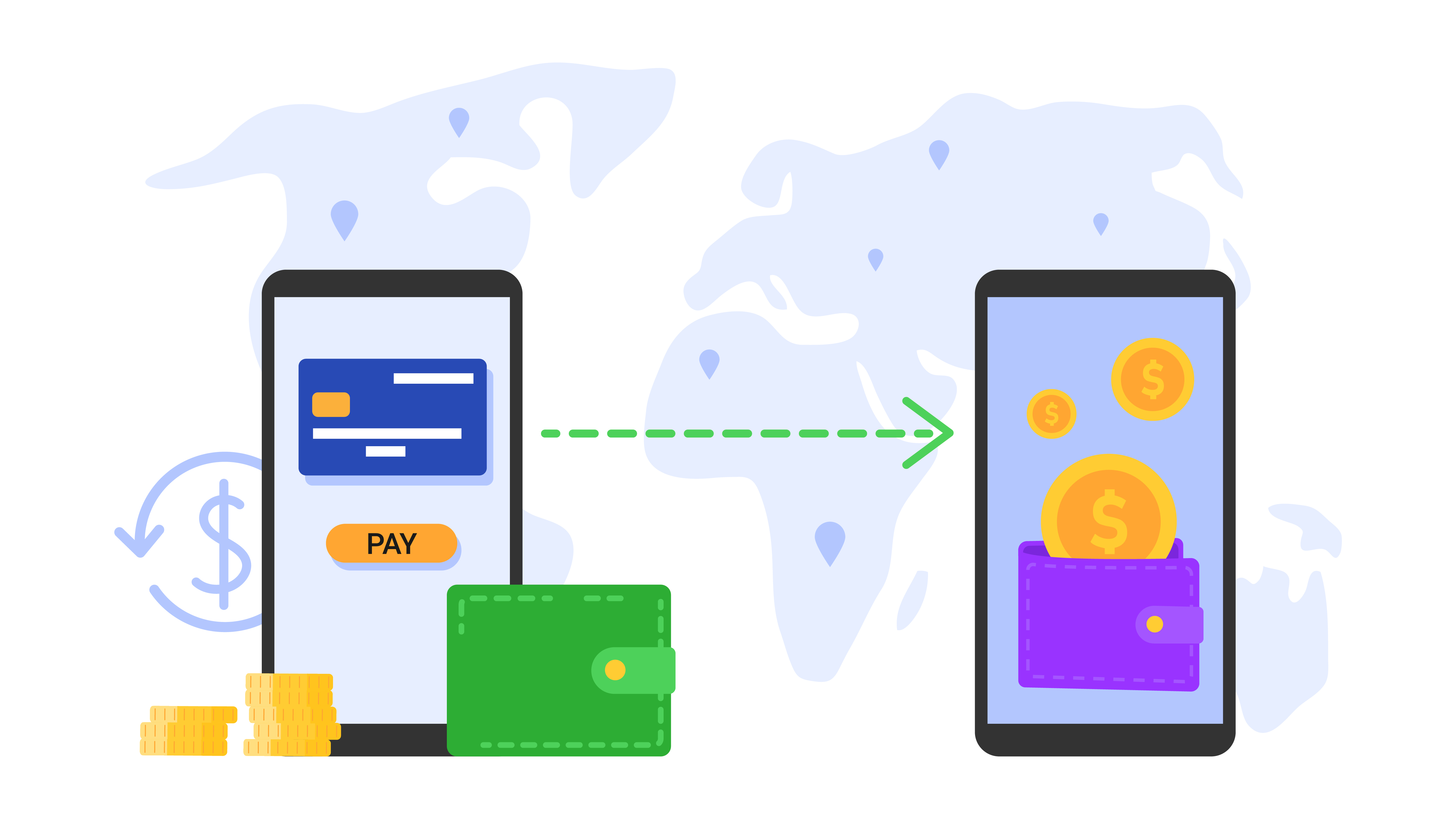
Misclassifying contributors as contractors when they are effectively employees is the most common compliance failure. Audit your smart contract logic and governance proposals to ensure classification criteria match IRS and local labor laws. A single misclassification can trigger back taxes and severe penalties for the entire DAO treasury.
Ensure your payroll automation calculates the correct withholding rates for each contributor’s jurisdiction. In 2026, automated systems must account for varying state and international tax treaties. If your system defaults to zero withholding or incorrect percentages, you are liable for the shortfall. Verify that withholdings are accurately calculated before funds are disbursed.

Payroll data contains sensitive PII that must be stored securely. Review where contributor tax forms and identity documents are kept. If data is stored on public blockchains or unencrypted IPFS nodes, you are violating GDPR and other privacy regulations. Ensure all sensitive payroll records are encrypted and accessible only to authorized compliance officers.
Your DAO must be prepared to file digital tax forms with government agencies. Test your integration with payroll providers to ensure it generates the correct 1099s, W-2s, or international equivalents. Failure to e-file by the 2026 deadlines results in automatic penalties that compound quickly. Confirm that your system can submit these forms directly to the IRS or local tax authorities.
No comments yet. Be the first to share your thoughts!