Why standard payroll fails DAOs
Traditional payroll systems are built on a singular assumption: that an organization operates within one legal entity, one jurisdiction, and one fiat currency. This architecture works for corporations but breaks immediately when applied to Decentralized Autonomous Organizations (DAOs). DAOs operate across multiple blockchain networks, hold treasuries in diverse crypto assets, and engage contributors who are classified differently depending on their location. This structural mismatch creates a significant compliance gap that standard accounting software cannot bridge.
The complexity begins with treasury management. A DAO treasury is rarely static; it fluctuates across dozens of tokens and chains. Standard payroll tools expect a fixed fiat balance. When a DAO needs to pay contributors, it often holds funds in USDC, ETH, or governance tokens. Converting these assets to fiat for traditional banking rails introduces unnecessary friction, tax events, and liquidity risks. Tools like Wag3s address this by providing a Finance OS that handles multi-sig treasury reconciliation and contributor payroll directly across 30+ chains, keeping funds in their native assets until the moment of distribution.
Contributor classification adds another layer of difficulty. In a global DAO, a developer in Portugal, a writer in Brazil, and a community manager in Singapore may all perform similar roles but fall under different tax and labor laws. Traditional payroll systems struggle to automate these divergent requirements. Solutions like Rise attempt to solve this by handling distribution across 90+ local currencies and 100+ crypto assets, allowing the DAO to fund payroll once in a stablecoin while the platform manages the local compliance nuances. Without such specialized rails, DAOs face the risk of misclassification penalties and inconsistent payment experiences.
The financial reality of this mismatch is visible in market data. When treasury assets are not managed efficiently, the cost of compliance and conversion can erode the DAO’s operational budget. The following chart illustrates the volatility that DAOs must navigate when managing multi-asset treasuries.
This volatility underscores why "set it and forget it" payroll models are dangerous for DAOs. The regulatory landscape is shifting, and the tools that worked in 2023 are often insufficient for the 2026 compliance environment. DAOs need rails that are as decentralized as their governance, not legacy systems bolted onto a blockchain wallet.
How rails convert treasury assets into local payouts
DAO payroll rails solve the final mile problem by bridging the gap between on-chain treasury assets and off-chain legal tender. Instead of relying on fragmented manual transfers, specialized infrastructure automates the conversion of stablecoins like USDC into local currency payouts or direct crypto transfers. This mechanism ensures that global contributors receive accurate compensation while the DAO maintains a single, auditable on-chain record of the disbursement.
The process typically begins with a single funding transaction. Platforms like Rise demonstrate this efficiency by allowing a DAO to deposit USDC once, after which the system handles distribution across 90+ local currencies and 100+ crypto assets. This approach reduces operational friction and minimizes the risk of human error inherent in manual wire transfers. By centralizing the conversion logic, these rails ensure that contributors in different jurisdictions receive the correct local amount regardless of the treasury's base asset.
Volatility management remains a critical component of this automation. When paying out in volatile tokens, the rail must execute conversions instantly to preserve the intended value. The TechnicalChart below contextualizes the asset volatility that these rails must manage in real-time.
Streamflow illustrates how this automation extends beyond simple currency conversion. Their infrastructure supports token vesting schedules and recurring payroll streams directly from the treasury. This allows DAOs to automate complex compensation structures, such as equity-like vesting for early contributors, without requiring off-chain accounting reconciliation. The system ensures that funds are released according to predefined smart contract conditions, providing a layer of programmable compliance.
However, automation does not replace legal oversight. While rails handle the mechanical distribution, they do not inherently resolve jurisdictional tax obligations or employment classification issues. DAOs must still ensure that the automated payouts align with local labor laws and tax regulations in each contributor's region. The rail is the pipe; the compliance framework is the filter that ensures the flow remains legal.
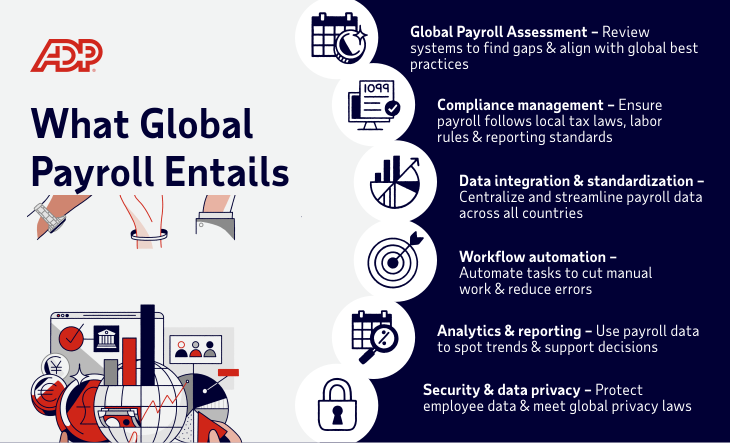
Navigating contributor classification risks
DAO Payroll Rails works best as a clear sequence: define the constraint, compare the realistic options, test the tradeoff, and choose the path with the fewest hidden costs. That order keeps the advice usable instead of decorative. After each step, pause long enough to check whether the recommendation still fits the reader's actual situation. If it depends on perfect timing, unusual access, or a best-case budget, include a simpler fallback.
The simplest way to use this section is to write down the real constraint first, compare each option against it, and choose the path that still works outside ideal conditions.
Connecting payroll rails to multi-sig wallets
Treasury integration requires linking payroll automation tools directly to multi-signature wallets, such as Gnosis Safe. This architecture ensures that no single operator can unilaterally move funds. Instead, payouts are executed only after the required number of signers approve the transaction. This separation of duties is fundamental to maintaining governance integrity and preventing unauthorized disbursements.
Tools like Wag3s serve as the finance operating system for this workflow. They provide multi-sig treasury reconciliation and audit-ready reports across 30+ chains. By connecting Wag3s to a multi-sig wallet, DAOs can automate contributor payroll while keeping the treasury secure. The software handles the complex accounting, ensuring that every payout matches the approved governance proposal.
Compliance relies on this transparency. When payroll rails are integrated with multi-sig wallets, every transaction is recorded on-chain. This creates an immutable audit trail that can be reviewed by legal counsel or auditors. It also allows the DAO to demonstrate due diligence in how funds are distributed, which is critical for regulatory scrutiny.
The choice of currency impacts the integration. Using stablecoins or native tokens for payroll requires careful attention to volatility and gas fees. The chart above shows the current market behavior of Ethereum, which often serves as the base layer for these transactions. Understanding the fee structure and volatility is essential for accurate payroll budgeting.
Leading DAO payroll rail providers in 2026
The market for decentralized payroll infrastructure has matured into specialized tiers. Organizations now choose between pure distribution rails, multi-currency payout networks, and full-stack finance operating systems. Each model addresses different compliance and operational needs.
Streamflow: On-chain distribution
Streamflow focuses on the mechanics of treasury distribution. It provides the on-chain rails for token vesting and stablecoin payroll, allowing DAOs to automate contributor payments directly from the treasury. This approach minimizes off-chain intermediaries but requires careful management of smart contract security and gas optimization.
Rise: Multi-currency payouts
Rise handles the complexity of global payouts by accepting a single funding source, typically USDC, and distributing across 90+ local currencies and 100+ crypto assets. This model is essential for DAOs with distributed global teams who require local fiat settlement without managing multiple banking relationships. The system automates the conversion and remittance logic, reducing administrative overhead.
Wag3s: Finance OS for DAOs
Wag3s positions itself as a comprehensive Finance OS, integrating multi-sig treasury reconciliation with audit-ready reporting. By supporting payroll across 30+ chains, it offers a unified view of liabilities and assets. This structure is particularly useful for compliance-heavy organizations that need to reconcile on-chain transactions with traditional accounting standards.
Essential checklist for compliant DAO payroll
Compliance in decentralized organizations requires bridging on-chain activity with off-chain legal obligations. Use the following steps to ensure your payroll infrastructure meets basic regulatory standards.
Misclassifying a contributor as a contractor rather than an employee can trigger severe tax penalties. Ensure your smart contract logic or treasury management software clearly distinguishes between these roles based on local labor laws.
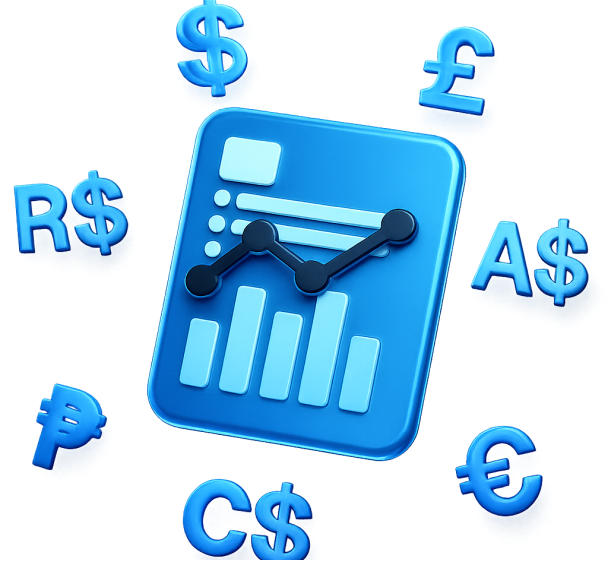
Global teams require localized tax documentation. Platforms like Rise handle distribution across 90+ local currencies, but you must configure the system to automatically generate and deliver W-8BEN or 1099 forms to contributors before payouts are finalized.
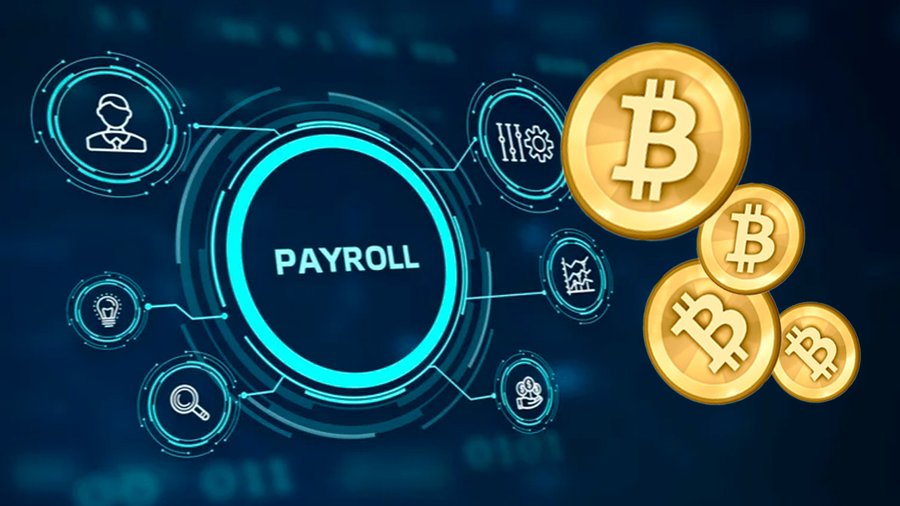
Security and compliance are linked. Use Wag3s to implement multi-sig treasury reconciliation. Require multiple signers to approve payroll batches, ensuring no single point of failure exists for fund disbursement and that all transactions are audit-ready.
Regular audits prevent drift between on-chain balances and off-chain records. Streamflow’s treasury distribution reports allow you to match stablecoin payroll outputs against your accounting ledger. Conduct these checks monthly to maintain accurate financial history.
Using stablecoins like USDC for payroll simplifies cross-border transfers, but the underlying asset price stability does not exempt you from tax reporting. Always consult legal counsel to adapt these steps to your specific jurisdiction.
Frequently asked questions about DAO payroll
What are the main payment rails for DAOs?
The most popular payment rails include Automated Clearing House (ACH), Mastercard, VISA, PayPal, the RTP Network, blockchain, SWIFT, and SEPA. DAOs typically leverage blockchain for instant global transfers, while platforms like Rise handle the distribution across 90+ local currencies and 100+ crypto assets from a single USDC funding source.
Are DAOs safe to invest in regarding payroll security?
Smart contracts may contain faulty code that can be hacked, potentially draining the treasury or breaking funding mechanisms. As with any investment vehicle, bad investment decisions remain a risk. Tools like Streamflow provide treasury distribution reports to help monitor these on-chain rails, but security depends on rigorous audit practices.
How do DAOs handle global compliance?
Compliance requires mapping contributor locations to local labor laws. Platforms like Wag3s and Rise automate tax withholdings and currency conversions, ensuring that payroll meets regulatory standards in over 100 jurisdictions without manual intervention for each payment.
No comments yet. Be the first to share your thoughts!