Why 2026 Changes DAO Payroll Rules
The regulatory landscape for Decentralized Autonomous Organizations (DAOs) is shifting from a gray area of voluntary disclosure to a framework of strict enforcement. By 2026, global tax authorities are implementing automated reporting standards that leave little room for the manual, off-chain payroll practices that many DAOs currently rely on. The era of treating treasury distributions as informal or untraceable is ending.
Manual payroll processes are no longer viable because they cannot satisfy the granular data requirements of modern tax compliance. When payments are distributed through multiple wallets or recorded only in private spreadsheets, DAOs struggle to generate the consistent, auditable trails required by regulators. This opacity creates significant risk during audits, where authorities may classify unreported income as taxable personal earnings for all participants, regardless of their role or intent.
The distinction between different types of compensation is critical for accurate tax treatment. For example, streaming payments (continuous micro-transfers) and traditional vesting schedules trigger different tax events depending on when the funds are received and when they become vested. Without smart contracts that explicitly define these terms on-chain, DAOs cannot reliably prove to tax authorities whether a payment is a service fee, equity distribution, or gift. This ambiguity often leads to conservative, and costly, tax classifications.
As enforcement tightens, the cost of non-compliance will likely outweigh the administrative burden of automation. DAOs that fail to integrate compliant payroll mechanisms into their governance structures risk penalties, frozen assets, or legal action against core contributors. The transition to automated, smart-contract-based payroll is not merely an operational upgrade; it is a fundamental requirement for the legal survival of the organization.
Streaming payments vs batch payouts
DAOs generally choose between two technical models for distributing compensation: continuous streaming or discrete batch transfers. The decision hinges on how tax events are triggered and how treasury liquidity is managed. Streaming protocols like Sablier move funds continuously, while batch systems aggregate payments into periodic transactions.
Streaming creates a unique compliance profile. Because income is recognized as it flows, contributors report earnings in real-time. This aligns payroll with actual work periods but requires precise tracking of fractional tokens. Batch payouts, by contrast, treat each distribution as a single taxable event. This simplifies accounting for the recipient but can create liquidity spikes for the treasury.
| Feature | Streaming (e.g., Sablier) | Batch Payouts (e.g., Paymagic) |
|---|---|---|
| Tax Timing | Continuous recognition as funds stream | Discrete event at distribution date |
| Liquidity Efficiency | High; capital remains in treasury until used | Lower; large sums locked for intervals |
| Reversibility | Simple to stop or adjust mid-stream | Complex; requires separate clawback tx |
| Integration Complexity | Moderate; requires smart contract setup | Low; often wrapped in no-code tools |
Streaming offers superior capital efficiency. Treasury funds remain in the DAO’s control until they are actually streamed to a wallet. This reduces the opportunity cost of idle capital. However, it demands robust accounting infrastructure to track fractional amounts for tax reporting. Batch payouts are easier to integrate with existing payroll software but tie up significant liquidity during the vesting or waiting period.
For high-stakes compliance, streaming reduces the risk of overpayment. If a contributor leaves early, the stream stops immediately. Batch systems require manual intervention to recover funds, increasing operational risk. The choice depends on whether the DAO prioritizes liquidity management or administrative simplicity.
Leading platforms for automated DAO payroll
Automating payroll in a decentralized autonomous organization requires more than simple token transfers. The leading platforms—Aragon, Paymagic, and OneSafe—offer distinct architectures for managing compliance, tax efficiency, and operational reliability. These tools address the specific friction points of cross-border payments and regulatory reporting that manual processes cannot handle.
Aragon DAO Payroll
Aragon’s payroll solution integrates directly into its broader governance ecosystem. It allows organizations to automate recurring payments to contributors while maintaining a transparent on-chain record of disbursements. The platform supports streaming payments, which can reduce administrative overhead but introduces complex tax events that vary by jurisdiction. By keeping payroll data within the Aragon ecosystem, DAOs can streamline reporting for annual compliance filings.
Paymagic
Paymagic focuses on automating frequent payouts for crypto teams and DAOs. It handles payroll, bounties, and grants through a unified interface that simplifies the distribution of tokens to global contributors. The platform is designed to manage the high volume of transactions typical in decentralized organizations, ensuring that payments are executed reliably without manual intervention. This automation helps DAOs maintain consistent cash flow for their communities while reducing the risk of human error.
OneSafe
OneSafe provides a comprehensive banking infrastructure tailored for DAOs, including robust payroll management features. It bridges the gap between traditional finance and decentralized operations by handling accounts payable and receivable alongside payroll. This dual capability allows DAOs to manage fiat and crypto payments within a single framework, simplifying the reconciliation process. OneSafe’s approach emphasizes regulatory compliance, helping organizations manage the legal complexities of paying employees across different countries.
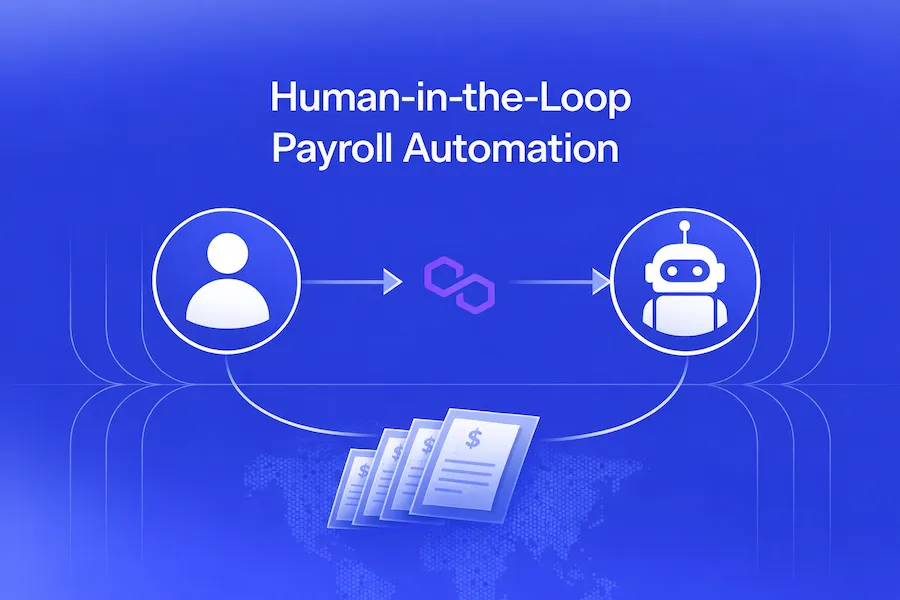
The choice of platform often depends on the DAO’s specific treasury composition and regulatory footprint. While Aragon offers deep governance integration, Paymagic excels in high-volume payout automation, and OneSafe provides a hybrid fiat-crypto banking layer. Selecting the right tool requires evaluating how each platform handles the tax implications of different payment structures, such as streaming versus vesting schedules.
Handling cross-border tax compliance
Paying global contributors in decentralized organizations introduces a layer of regulatory complexity that manual processes cannot safely manage. When a DAO pays a contractor in Berlin, a developer in Lagos, and a designer in Singapore, the payroll system must simultaneously manage withholding tax obligations, KYC/AML verification, and jurisdictional reporting requirements. Smart contracts address this by embedding compliance logic directly into the payment execution layer, ensuring that tax events are calculated and recorded before funds are released.
The primary challenge in cross-border payroll is determining the correct tax treatment for each contributor based on their residency and the nature of the payment. For instance, streaming payments (continuous crypto flow) may be treated differently than lump-sum vesting events or one-time bounty payouts. Automation tools mitigate risk by integrating with KYC/AML providers to verify contributor identities and residency status before initiating transfers. This integration ensures that the smart contract only executes payments for verified entities, reducing the likelihood of regulatory penalties or frozen assets due to non-compliant transactions.
To illustrate the importance of stable settlement layers, consider the volatility risk inherent in paying contractors with volatile assets. Using stablecoins like USDC or USDT provides a predictable value anchor for both the payer and the payee, simplifying tax reporting and reducing exchange rate disputes.
Automation tools facilitate jurisdictional reporting by generating immutable audit trails for every payment. These records detail the contributor’s identity, the payment amount, the timestamp, and the applicable tax withholding (if any). This data is critical for annual tax filings and helps DAOs demonstrate due diligence to tax authorities in multiple jurisdictions. By relying on official documentation and primary tool provider specifications rather than opinion pieces, DAOs can build a robust compliance framework that scales with their global workforce.
Checklist for implementing compliant payroll
Before deploying smart contracts for payroll, you must map the legal jurisdiction of every contributor. A DAO’s decentralized nature does not exempt it from local labor laws or tax obligations. Misclassifying a contributor as an independent contractor when they are effectively an employee can trigger severe penalties in jurisdictions like the US, EU, or Singapore. Start by auditing contributor locations and employment status to determine which tax forms (e.g., 1099, W-8BEN) are required.
Once the legal landscape is mapped, select a token vesting model that aligns with your governance structure. Streaming payments (e.g., via Superfluid) offer real-time liquidity but create complex tax events for recipients, who may owe income tax on every streamed second. Conversely, traditional vesting schedules with cliff periods provide clearer tax reporting milestones but reduce flexibility. The choice depends on whether your DAO prioritizes operational agility or regulatory simplicity.
Integrate a KYC/AML provider directly into your payout workflow. Tools like Sumsub or Chainalysis can verify contributor identities and screen against sanctions lists before funds are released. This step is non-negotiable for high-stakes compliance. Without verified identities, you cannot reliably issue tax documents or defend against anti-money laundering inquiries. Ensure your smart contract architecture allows for these checks to be completed on-chain or via off-chain attestation before execution.
Finally, test your smart contract payouts in a sandbox environment. Use testnet tokens to simulate various scenarios: partial payments, failed transactions, and contributor address changes. Verify that the contract correctly handles edge cases, such as when a contributor’s tax status changes mid-stream. Only after rigorous testing should you deploy to mainnet. This final validation ensures that your payroll automation is not just efficient, but legally defensible.
Map every contributor’s jurisdiction and employment classification. Identify which tax forms are required and which local labor laws apply to each payment.
Choose between streaming (real-time, complex tax events) and vesting (scheduled, clearer tax milestones). Align this with your DAO’s need for agility versus regulatory simplicity.
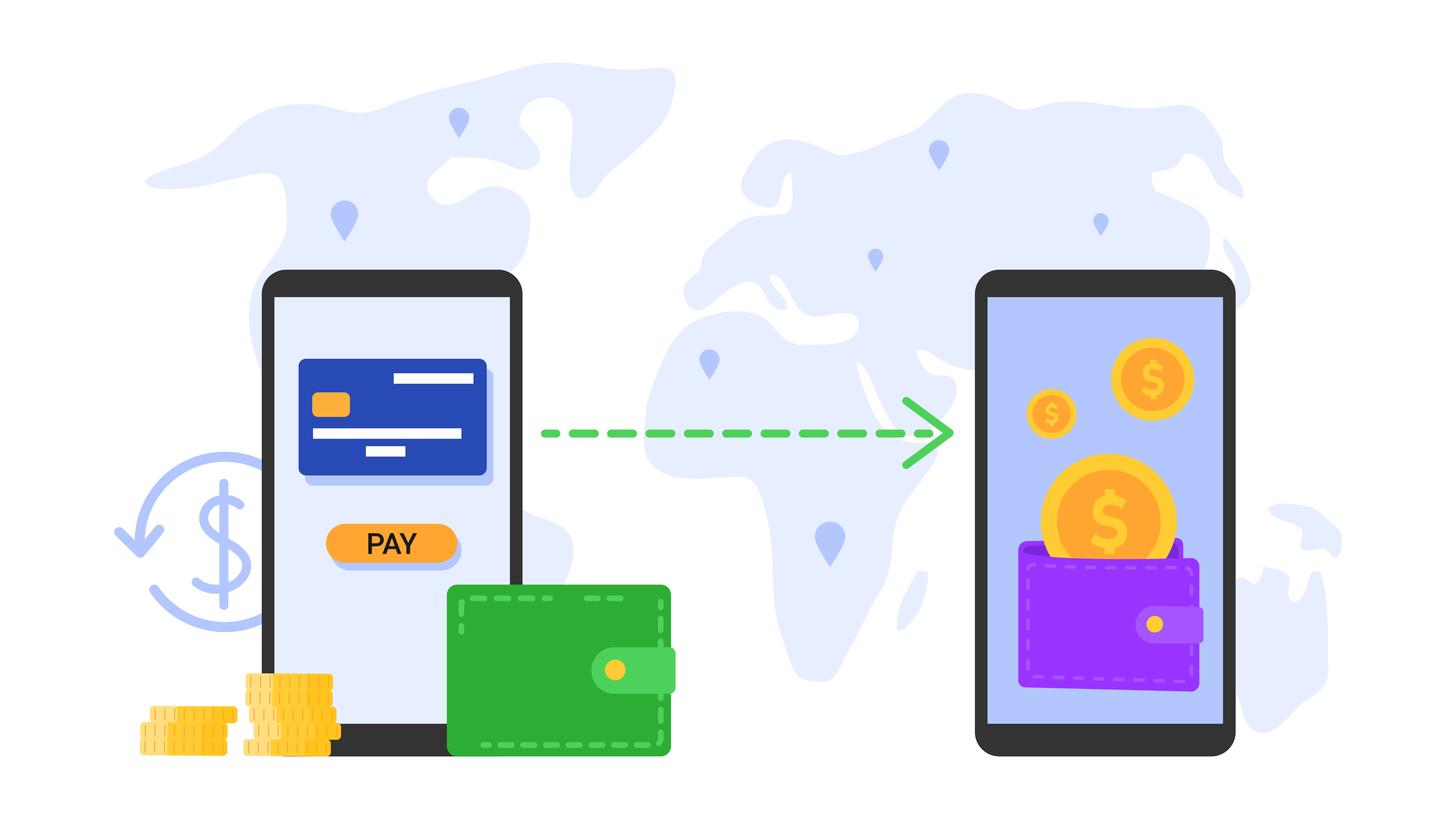
Embed identity verification into your payout workflow. Use tools like Sumsub or Chainalysis to screen for sanctions and verify identities before any funds are released.
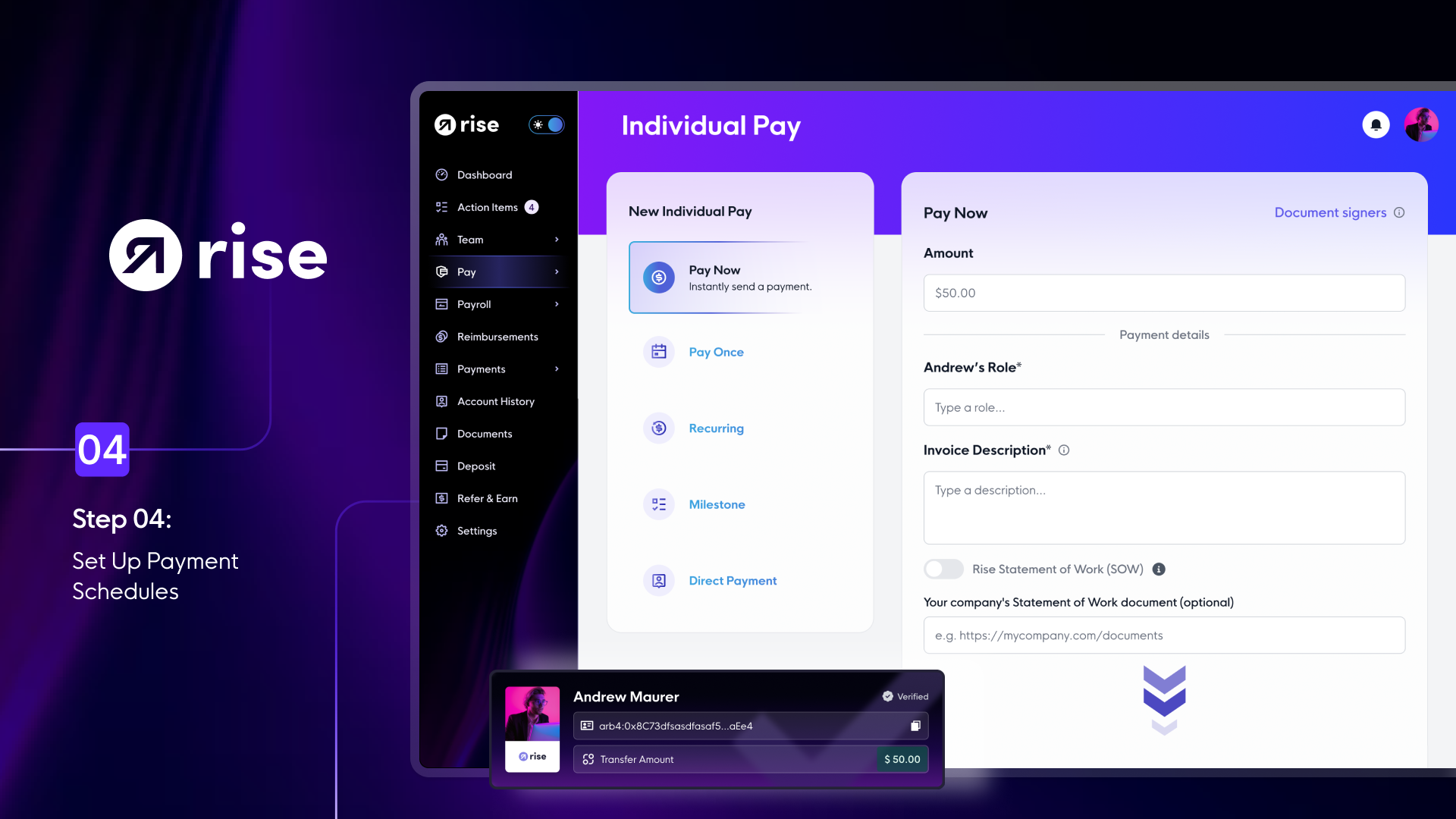
Simulate payouts on testnet. Verify that the contract handles edge cases, such as failed transactions or changing contributor status, before mainnet deployment.
No comments yet. Be the first to share your thoughts!